No, you cannot go to a car wash right after getting your windows tinted. You need to wait a specific amount of time before washing your car, especially the windows. This waiting period is very important for the new window tint to stick correctly and dry fully. Ignoring this rule can cause problems with the tint film.
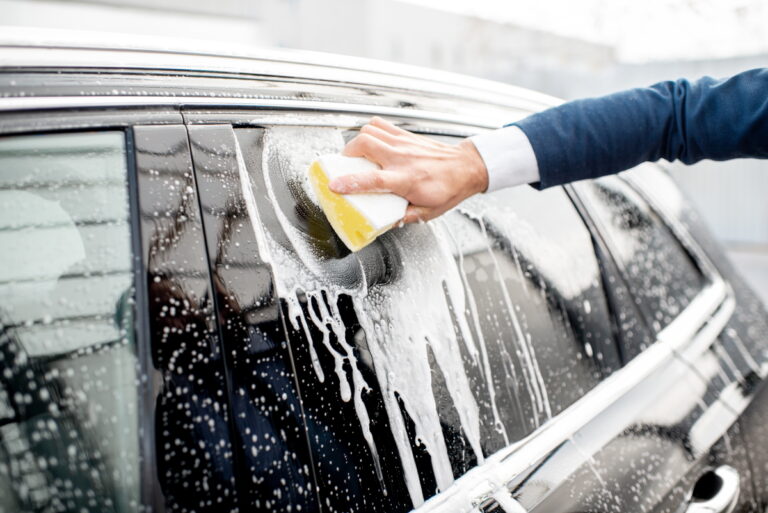
Image Source: qualityautoglasstint.com
Why You Must Wait After Window Tinting
When new tint film is put on car windows, it uses a special glue called an adhesive. This glue needs time to stick firmly to the glass. During the installation, installers use a liquid solution, mostly water, to move the film into the right spot. This liquid gets trapped between the glass and the film.
The time needed for the water to dry and the glue to fully bond is called the window tint curing time or window film drying period. This drying process takes time. It’s not instant. The film is very delicate until the glue has completely set.
If you wash your car too soon, especially in a car wash, you can damage the tint. High-pressure water sprays, harsh chemicals, and brushes used in car washes can mess up the tint before the glue is strong enough. This can lead to problems like bubbles, peeling edges, and lines in the film.
How Long You Need to Wait
The most common rule is to wait at least 3 to 5 days after getting your windows tinted before washing your car. Many professional tint installers recommend waiting even longer, like 7 days.
This waiting time lets the water trapped under the film dry out. As the water leaves, the glue gets stronger and the film sticks better to the glass.
Think of it like painting a wall. You wouldn’t touch or wash a painted wall right away. You wait for the paint to dry and harden. Tinting is similar. The film needs time to cure and become strong.
Factors that can change how long you need to wait:
- Type of tint film: Different films might cure at slightly different speeds.
- Weather conditions: Warm, sunny weather helps the water dry faster. Cold, damp weather makes the drying process slower.
- Humidity: High humidity slows down drying.
- Climate: If you live in a hot, dry place, your tint might cure faster than if you live in a cold, wet place.
- Installer’s specific instructions: Always listen to what your tint installer tells you. They know the specific film they used and the conditions in their shop. They might tell you to wait 3 days, 5 days, or even 7 days.
Most installers agree that waiting 7 days is the safest option to ensure the tint is fully cured before exposing it to water or cleaning. This is often considered the best time to wash car after tint.
The Risks of Washing Your Car Too Soon
Washing your car before the window tint has fully cured comes with several risks of washing car after tint:
- Bubbles: Small pockets of water might still be under the film. Washing too early, especially with high pressure, can move these pockets or prevent them from drying properly, leaving permanent bubbles. While small water bubbles (called “haze”) are normal for a few days and usually go away, introducing more water or disturbing the film can cause larger, permanent bubbles.
- Peeling: The edges of the film are the most likely to lift or peel if the glue hasn’t fully bonded to the glass near the edge. Water, soap, or brushes from a car wash can easily catch these edges and pull the film away from the glass.
- Creasing or Wrinkling: The film is soft when wet and not fully stuck. Forceful washing can cause the film to shift slightly, leading to permanent creases or wrinkles that look bad and cannot be fixed.
- Scratches: The soft, uncured film is more easily scratched than fully cured film. Car wash brushes or even rubbing too hard during a hand wash can damage the surface of the tint.
- Adhesive Failure: If the glue gets wet again or is disturbed before it has completely set, it might not stick properly to the glass. This can cause the tint to not lie flat, have lines, or just not bond correctly in certain areas.
These problems usually mean the tint needs to be removed and replaced, which costs more money and time. Waiting the recommended time is the cheapest and easiest way to avoid these issues.
Automatic Car Wash After Tint: A Big No
Using an automatic car wash after tint is especially risky and should be avoided during the curing period and often for a while after.
Here’s why automatic car washes are bad for new window tint:
- High-Pressure Water: Automatic washes use strong jets of water to clean the car quickly. This high pressure can force water under the edges of the film or disturb the film while it’s still soft and curing.
- Harsh Chemicals: The soaps and cleaning solutions used in automatic washes can be strong. While tint film is generally resistant to many chemicals once cured, harsh ones can potentially affect the edges or the film itself before it’s fully set.
- Brushes and Cloths: Many automatic washes use large brushes or cloths that spin and rub against the car. These can catch the edges of the tint film, pull it up, or scratch the surface. They can also put uneven pressure on the film.
- Unknown Process: You don’t control how the automatic wash cleans your car. You can’t avoid the windows or be gentle.
Even after the recommended waiting period, some tint manufacturers suggest being careful with automatic washes, especially those with brushes. The force and friction can still potentially damage the film over time, though the risk is much lower than washing too soon.
For the first week (or whatever period your installer recommends), an automatic car wash is definitely off-limits.
Hand Wash Car After Tinting: The Safer Option (After Waiting)
Once the window tint curing time is over (at least 3-5 days, preferably 7), you can safely hand wash your car. Hand washing gives you much more control and is gentler on the tint film.
However, even when hand washing windows after tint installation for the first time after curing, you need to be careful.
Here are tips for a safe hand wash after the waiting period:
- Wait the Full Time: Do not hand wash the windows themselves until the recommended 3-7 days have passed.
- Use Gentle Products: Use a car wash soap that is safe for tinted windows. Avoid soaps with ammonia or other harsh chemicals. Most standard car wash soaps are fine, but check the label or ask your tint installer.
- Soft Cloths: Use a very soft microfiber cloth or sponge to wash the windows. Do not use rough cloths, paper towels, or abrasive materials.
- Gentle Pressure: When washing the tinted side of the window (the inside), use very light pressure. Do not scrub hard.
- Avoid Edges Initially: For the first few washes after curing, be extra careful around the edges of the film. Don’t rub vigorously right at the edge.
- Clean Inside Windows Carefully: Wait even longer before cleaning the inside of the windows where the tint is applied. Most installers say wait at least 7 days, some recommend two weeks. When you do clean the inside, spray cleaner onto your cloth first, not directly onto the window. This stops cleaner from running down into the edges of the film. Again, use a soft microfiber cloth and very gentle pressure. Only use cleaners specifically safe for window tint (ammonia-free).
Hand washing allows you to clean the rest of your car (paint, wheels) without putting stress on the newly tinted windows.
Grasphing the Curing Process
Let’s take a closer look at what happens during the window film drying period.
When the film is applied, a thin layer of water and mounting solution is trapped between the adhesive side of the film and the glass. This liquid allows the installer to position the film perfectly and squeeze out bubbles (a process called “squeegeeing”).
After the film is in place and squeegeed, the drying process begins. The water slowly evaporates through the film itself and out the edges. As the water leaves, the pressure between the film and the glass changes, and the adhesive starts to create a strong bond.
You might see small bubbles, streaks, or a hazy look during this time. This is normal and is the trapped moisture slowly drying out. These should disappear as the film cures. If they are still there after the recommended drying period, contact your installer.
Factors that affect this process:
- Temperature: Heat speeds up evaporation. Warmer temperatures mean faster drying. Parking your car in the sun can help (but avoid extreme heat that could damage the film or adhesive).
- Humidity: High humidity means the air already has a lot of moisture, making it harder for the water under the tint to evaporate. This slows down drying.
- Amount of Water Used: A good installer will use the right amount of solution and squeegee most of it out. More trapped water means longer drying time.
- Film Thickness: Thicker films might take slightly longer to cure.
Understanding this process helps you see why patience is key. The film isn’t just “stuck on” right away; it’s going through a crucial chemical and physical change that needs time and the right conditions.
Setting Car Wash Rules After Tint
To protect your investment, it’s helpful to set some simple car wash rules after tint installation.
Rule 1: Wait!
This is the most important rule. Wait at least 3-7 days before washing the outside of the car normally. Wait even longer (7-14 days) before cleaning the inside of the tinted windows.
Rule 2: No Automatic Washes During Curing
Absolutely avoid automatic car washes for at least the first week.
Rule 3: Be Gentle When Hand Washing (After Curing)
Use soft cloths, gentle pressure, and tint-safe cleaners.
Rule 4: Avoid Ammonia
Never use glass cleaners with ammonia on tinted windows, even after curing. Ammonia can break down the adhesive over time and damage certain types of film. Look for cleaners specifically marked “tint-safe”.
Rule 5: Clean Inside Windows Carefully
When cleaning the inside, spray cleaner onto the cloth first, not the window.
Rule 6: Be Mindful of Edges
Avoid scrubbing or picking at the edges of the film.
By following these simple rules, you help ensure your tint looks good and lasts for a long time. This is all part of good post window tint care.
Risks Summarized in a Table
Here is a simple table showing the risks of washing car after tint too soon:
| Action | Risk | Why? |
|---|---|---|
| Washing car too early | Bubbles, Peeling, Creases, Scratches | Tint is soft, glue is weak, water can get trapped or disturb bond |
| Using automatic car wash | High risk of peeling, scratching, bubbles | High pressure, harsh chemicals, abrasive brushes/cloths |
| Using harsh chemicals/ammonia | Damage to film and adhesive | Chemicals can break down tint layers or glue |
| Rubbing windows hard | Scratching, lifting edges, damaging film | Soft film is easily scratched or disturbed before curing is complete |
| Cleaning inside too soon | Peeling edges, adhesive failure | Water/cleaner can seep into edges before glue is fully set inside |
Other Aspects of Post Window Tint Care
Beyond car washes, good post window tint care involves a few other things:
- Don’t Roll Down Windows: Your installer will likely tell you not to roll down your windows for a specific period (usually 24-72 hours). This is because the top edge of the film is exposed and can peel off or catch on the rubber seals in the door if the window is moved before the glue is partially set. Follow this rule strictly.
- Be Patient with Haze and Bubbles: It is normal to see some haziness, small bubbles, or streaks for several days or even a couple of weeks after tinting. These are usually just trapped moisture drying. Do not try to push them out yourself. They should disappear as the film cures. If they are still there after the recommended curing time (e.g., 7-14 days), contact your installer.
- Choose the Right Cleaning Products: As mentioned, only use ammonia-free glass cleaner for cleaning the inside of your tinted windows. Many tint manufacturers also sell their own safe cleaning products.
- Use Soft Materials: Always use a clean, soft microfiber cloth for cleaning the inside of your windows. Paper towels or rough cloths can scratch the tint.
- Avoid Sharp Objects: Be careful not to scrape the tint with rings, keys, credit cards, or other sharp objects that might be near the windows.
Following these car wash rules after tint and general care tips will help your window tint last for many years and continue to look great.
When Can You Safely Wash Parts of the Car?
Okay, you know you can’t wash the tinted windows right away. But can you wash other parts of your car?
Yes, you can usually wash the rest of your car’s body, wheels, and tires during the window tint curing time. The main thing to avoid is getting the newly tinted windows excessively wet or putting pressure on them.
If you choose to wash the rest of your car during this time:
- Avoid Spraying Windows Directly: Be careful with your hose or pressure washer (if you are using one gently). Do not aim high-pressure water directly at the windows or their edges.
- Wash Carefully Around Doors: When washing the doors, be mindful of water running down into the window seals. Try not to let large amounts of soapy water sit on the window glass.
- Dry Carefully: When drying the car, avoid letting your drying towel drag heavily across the tinted windows. If you need to wipe them, do so very gently and only on the outside glass (unless the recommended inside cleaning time has passed).
Many people simply wait the full 7 days before washing the entire car to be completely safe. It’s often easier than trying to wash around the windows.
Factors Affecting the Window Film Drying Period
Let’s go back to the window film drying period. How long exactly will it take?
While 3-7 days is the general guide, several things speed up or slow down the process.
- Heat: This is the biggest factor. Parking your car in direct sunlight on a warm day will significantly speed up the evaporation of the trapped moisture. The warmer the glass gets, the faster the water turns into vapor and escapes.
- Sunlight: Sunlight provides heat, but UV rays can also play a small role in helping the adhesive cure in some film types. Direct sun exposure is generally good during the curing period.
- Air Circulation: While not as important as heat, good air circulation inside the car can help humidity levels stay lower, which can slightly aid drying.
- Type of Film: Some modern films are designed to cure faster than older types. High-quality films often have better adhesives that bond more quickly.
- Installer’s Technique: How much mounting solution the installer used and how well they squeegeed it out directly impacts how much water needs to dry. A skilled installer will remove most of the water.
- Outside Temperature: Even if the sun isn’t out, warmer ambient temperatures help. Tint installed in the summer will generally cure faster than tint installed in the winter.
If you got your windows tinted in cold or cloudy weather, be prepared to wait closer to the 7-day mark, or even slightly longer, before attempting any car washing near the windows. If it was done on a hot, sunny day, 3-5 days might be enough, but 7 days is still the safest bet.
Deciphering When the Tint Is Ready
How can you tell when the window tint curing time is mostly finished?
The clearest sign is the disappearance of the haziness, streaks, and small bubbles you saw right after installation.
- Haze Gone: The foggy or hazy look should fade away, and the windows should become clear when looking through the tint.
- Streaks Disappeared: Any visible lines or streaks from the squeegeeing process (caused by trapped water) should be gone.
- Bubbles Resolved: Most, if not all, of the tiny water bubbles should have evaporated. Note: Large bubbles are not normal and mean there was likely an issue with the installation or something disturbed the film. Small, uniform haziness or tiny pin-prick bubbles that disappear over days are normal.
Once the film looks smooth and clear, the majority of the moisture has dried, and the adhesive has bonded well. At this point, you are generally safe to proceed with carefully hand washing windows after tint installation (both inside and out), following the rules about soft cloths and gentle cleaners.
Waiting the full recommended time, even if the film looks clear earlier, is still the safest approach. The adhesive continues to strengthen its bond even after the visual signs of moisture are gone.
The Importance of Post Window Tint Care
Proper post window tint care is vital for the life and look of your film. The initial curing period is the most critical, but how you care for your tint long-term also matters.
- Cleaning: Always use tint-safe cleaners and soft cloths for the inside. Clean the outside glass as you normally would during a car wash, but be gentle around the edges.
- Avoid Scraping: Be mindful of anything that could scrape the film.
- Parking: While curing, parking in the sun helps. Long-term, excessive, prolonged sun exposure can eventually cause some films to fade or change color, especially cheaper films. Parking in shade when possible can help extend the life of the tint, though modern, high-quality films are much more resistant to UV damage.
Adhering to the car wash rules after tint and general care guidelines prevents common problems like peeling, bubbling, scratching, and fading, keeping your car looking its best.
Frequently Asked Questions (FAQ)
Here are answers to common questions about washing your car after getting windows tinted.
h4 Can I wash the rest of my car during the waiting period?
Yes, you can wash the paint, wheels, and tires of your car during the 3-7 day waiting period. Just be very careful not to spray the newly tinted windows directly with high pressure and try to keep soapy water from sitting on the windows for too long. Many people prefer to wait and wash the whole car at once to be safe.
h4 What happens if I wash my car too soon after tinting?
Washing your car, especially in an automatic wash, too soon can cause problems like bubbles, peeling edges, creases, wrinkles, and scratches on the tint film. This happens because the film is still soft and the glue hasn’t fully bonded to the glass.
h4 How long do I have to wait to use an automatic car wash?
You should avoid automatic car washes for at least the first 7 days after tinting. Some installers recommend waiting even longer, or always using touchless automatic washes if you must use one. Hand washing is always the gentlest method for tinted windows.
h4 Can I clean the inside of my windows right away?
No. You must wait even longer to clean the inside of the windows where the tint is applied. Most installers recommend waiting at least 7 days, and some suggest 14 days, before cleaning the inside. When you do clean the inside, use an ammonia-free cleaner sprayed onto a soft cloth, not directly onto the window.
h4 Is it okay to see bubbles or haze after tinting?
Yes, it is normal to see some haziness, streaks, or small bubbles for a few days or up to a couple of weeks after tinting. This is trapped moisture drying out. These should disappear as the film cures. If large bubbles remain or they don’t go away after the recommended curing time, contact your installer.
h4 What kind of cleaner should I use on tinted windows?
Only use ammonia-free glass cleaner on tinted windows. Ammonia can damage the film and the adhesive over time. Spray the cleaner onto a soft microfiber cloth first, then wipe the window gently.
h4 Does warm weather help the tint dry faster?
Yes, warmer temperatures and direct sunlight help the water trapped under the tint evaporate faster, speeding up the curing process. Cold or humid weather slows it down.
h4 How long is the window tint curing time?
The main curing time, where the film bonds and moisture dries, typically takes 3 to 7 days. However, the adhesive can continue to strengthen its bond for up to 30 days. The most critical period for avoiding washes and rolling down windows is the first 3-7 days.
h4 Can I roll my windows down after tinting?
No, you should not roll your windows down for the first 24 to 72 hours after tinting, as instructed by your installer. The top edge of the film is exposed and can catch on the rubber seals in the door, causing it to peel or lift.
Conclusion
Getting your car windows tinted is a great way to improve looks, reduce heat, block UV rays, and add privacy. To make sure your tint lasts and looks its best, following the correct post window tint care steps is essential. The most important rule is patience when it comes to washing.
Waiting the recommended window tint curing time (usually 3-7 days) before washing your car, especially avoiding automatic car wash after tint, is crucial. Opt for a gentle hand wash car after tinting after the curing period is over. Remember the car wash rules after tint: avoid high pressure, harsh chemicals, and rough materials on the windows. Clean the inside carefully after waiting longer, using only tint-safe cleaners.
By simply waiting and being gentle when washing windows after tint installation, you avoid the risks of washing car after tint too soon and ensure your tint looks fantastic for years to come. The best time to wash car after tint is after the full recommended drying period, which is typically around 7 days.