Image Source: proteccollision.com
Safety Concerns: Can You Drive A Car With A Bent Frame?
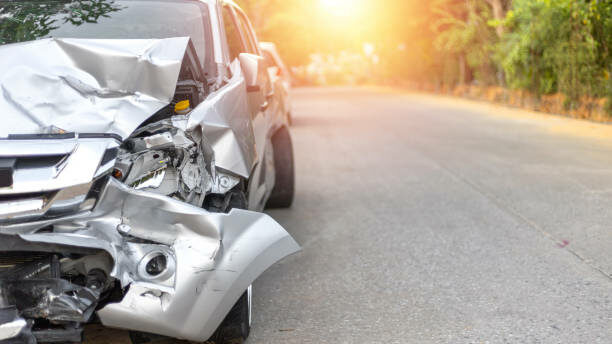
Can you drive a car with a bent frame? No, you should not. Driving a car with a bent frame is very unsafe. It means the car has structural damage. This kind of damage puts you and others in danger. It makes bent frame car safety very low. Continuing to drive with this damage is a big risk.
Comprehending Your Car’s Inner Strength
Think of your car like a body. It has bones inside. These bones make up the frame or chassis. The frame is the main structure. It holds everything together. The engine sits on it. The wheels connect to it. The body of the car bolts to it. The frame gives the car its shape. It also keeps it strong.
Not all car frames are the same. There are two main types.
Body-on-Frame
Some vehicles use this type. Trucks and large SUVs often have it. It is like a separate ladder or box shape. The car’s body sits on top of this strong frame. This is a tough design. But the body and frame are mostly separate parts.
Unibody Construction
Most cars today use unibody. The frame and the body are one piece. They are welded together. This design is lighter. It can be very strong. It helps the car handle better. It is designed to crumple in specific ways in a crash. This helps absorb crash energy. This protects the people inside.
No matter the type, the frame is key. It is the core of the car’s strength. Car chassis damage driving affects this core.
How a Car Frame Gets Bent
Frames are strong. But they can get damaged. Many things can cause a frame to bend.
- Accidents: This is the most common reason. A hard crash puts huge force on the frame. Even a crash at low speed can cause a bend. Hitting another car or a solid object does it.
- Hitting Things Hard: Driving over big potholes can damage the frame. Hitting a curb at speed can do it. Driving over rough ground can cause stress.
- Rust and Corrosion: Rust eats away at metal. Over time, rust can weaken the frame. A weak frame is easier to bend. It can even break. This is more common in older cars. It happens in places with lots of salt on the roads.
- Improper Lifting: Lifting a car the wrong way can bend the frame. Using the wrong jack points can cause damage.
Any of these can twist or bend the car’s skeleton. Even a small bend can be a big problem.
Deciphering the Signs: How to Tell If Car Frame Is Bent
It’s important to know if your car’s frame is bent. Sometimes, it’s easy to see. Other times, it’s hidden. You might not see the damage right away. But the car will act differently. Knowing how to tell if car frame is bent can save you.
Look for these signs. They can be visual clues. Or they can be things you notice when you drive.
Visual Clues of Frame Damage
Check the car closely. Look for things that seem off.
- Uneven Gaps: Look at the spaces between body panels. Check doors, fenders, hood, and trunk. Do the gaps look the same on both sides? If a gap is wider or narrower on one side, the frame might be bent. Doors or the hood might not line up right.
- Parts Don’t Fit: Do the hood or trunk seem crooked when closed? Do the doors feel hard to close? Do they rub against the car body? This can be a sign the frame is out of shape.
- Car Sits Wrong: Does one side of the car look lower than the other? Does it look like it is leaning? This could be due to frame damage affecting the suspension points.
- Wrinkles or Bends in Metal: Look under the car. Look at the frame rails themselves (if it’s body-on-frame). Look at the floor pan or rocker panels (on a unibody car). Do you see any wrinkled or bent metal? This is a clear sign of damage.
- Cracked Windshield: A bent frame can twist the car’s body. This can put stress on the windshield. It might crack without being hit by a rock.
- Bumper or Fender Misalignment: Are the bumpers or fenders crooked? Do they stick out more on one side? This can mean the part they attach to (the frame) is bent.
Driving Clues of Frame Damage
Sometimes, the frame damage isn’t easy to see. But you will feel it when you drive. Frame damage effects on driving are often very noticeable.
- Car Pulls to One Side: Does the car want to steer left or right on its own? Do you have to constantly correct the steering? This is a major sign of frame alignment issues driving. The bend in the frame changes where the wheels point. A simple wheel alignment won’t fix this if the frame is bent.
- Steering Wheel is Crooked: Is the steering wheel not straight when the car is driving straight? Even if the car goes straight, a crooked steering wheel points to alignment problems. This can come from a bent frame.
- Uneven Tire Wear: Look at your tires. Are they wearing down unevenly? Is one side of the tire bald while the other looks new? This is a classic sign of frame alignment issues driving. A bent frame changes the angle of the wheels. They scrape on the road instead of rolling smoothly.
- Strange Noises: Does the car make weird creaking, groaning, or scraping sounds? These might happen when you turn, go over bumps, or even drive straight. This can be parts rubbing because the frame is bent.
- Poor Handling: Does the car feel loose? Is it hard to control? Does it feel unstable at speed? A bent frame makes the car handle badly. It can feel unsafe to drive.
- Suspension or Steering Problems Reappear: Do you keep having problems with your suspension or steering system? Do mechanics keep fixing things, but the problem comes back? A bent frame puts stress on these parts. It makes them fail again and again.
If you see any of these signs, get your car checked. Don’t wait. It could be a bent frame.
Why Driving with a Bent Frame Is Very Dangerous
Now, let’s look closer at bent frame car safety. Why is driving with structural damage so bad? It affects many important parts of your car. It makes the car much less safe. It can even make it unsafe to drive bent frame.
Your Car’s Strength is Gone
The frame is the car’s strength. A bent frame means the car is weaker. It cannot protect you as well. In a crash, the car might not react as it was designed to.
Safety Features Fail
Modern cars have crumple zones. These are parts of the frame meant to bend and collapse. They soak up the crash energy. This energy does not reach the people inside. A bent frame means these zones are already out of shape. They cannot crumple correctly. They will not absorb energy well. This puts you at higher risk of serious injury in a crash.
Airbags are also tied to the frame. Sensors that tell airbags to go off are in certain places. A bent frame changes where these places are. It can also mess up the wiring. Airbags might not go off when they should. Or they might go off at the wrong time. This is a huge safety risk. Bent frame car safety relies on these systems working together. A bent frame breaks that link.
Handling Becomes Dangerous
As we saw, a bent frame causes frame alignment issues driving. The wheels are not pointing straight. The car wants to pull. Steering feels off. This makes it harder to control the car. You might not be able to steer away from danger quickly. Driving in bad weather becomes much riskier. High speeds are very dangerous. This poor handling is a direct frame damage effect on driving. It makes the car unpredictable and unsafe.
Parts Break Down Faster
A bent frame puts stress on other parts. Suspension parts have to work harder. Steering components are strained. The engine and transmission mounts might be twisted. This stress makes parts wear out quickly. They can break unexpectedly. A sudden suspension failure at speed could cause a bad accident.
- Parts Affected:
- Suspension (shocks, struts, control arms)
- Steering rack and tie rods
- Engine mounts
- Transmission mounts
- Driveshaft/Axles
The Damage Gets Worse
Driving on a bent frame adds more stress. The bend can get bigger. Other parts of the frame can start to crack or bend too. A small problem grows into a huge one. This makes repairs harder and more costly. It also makes the car less safe with every mile you drive.
Risk of Catastrophic Failure
In a bad case, a severely bent frame could fail completely while driving. Parts could break off. The steering could fail. The car could even break in half in extreme cases. This might sound dramatic, but it is a real risk with severe structural damage. This is why it is unsafe to drive bent frame.
Think of it this way: The frame is the foundation. If the foundation of a house is cracked or bent, the whole house is unsafe. It might stand for a while, but it is much weaker. It is waiting for a big storm or earthquake to fall. A car with a bent frame is like that house.
Is a Bent Frame Repairable?
The good news is that often, is a bent frame repairable? Yes, it can be. It depends on how bad the damage is. Not all bent frames can or should be fixed. But many can be brought back close to their original shape.
Repairing a bent frame is not a simple job. It takes special tools and skills. It’s not something a basic mechanic can do. You need a body shop that does frame repair. They need the right equipment.
The Repair Process: Straightening the Skeleton
Frame repair shops use special machines. These are called frame racks or frame machines.
- Tying Down the Car: The car is first put onto this large, heavy machine. It is tied down tightly at specific points. These tie-down points are set by the car maker.
- Measurement: Mechanics use advanced measuring systems. Some use lasers or computer sensors. These systems measure the frame points. They compare them to the car maker’s specs. This shows exactly where and how much the frame is bent. It finds points that are too high, too low, or out of line.
- Pulling the Frame: The frame machine has hydraulic rams. These are very strong arms that can push or pull with great force. Chains and clamps are attached to the bent parts of the frame. The mechanic uses the machine to pull the metal. They pull it slowly and carefully. They use the measuring system to guide them. The goal is to pull the frame back to the exact right dimensions.
- Checking and Rechecking: The process involves pulling, measuring, adjusting, and pulling again. It takes time and precision. The mechanic keeps checking the measurements. They stop when the frame points are back within the car maker’s allowed range.
- Fixing Other Damage: Once the frame is straight, the shop fixes other damage. This includes replacing bent body panels, suspension parts, etc.
- Final Checks: After repairs, they do a full wheel alignment. They check that everything works right.
This process sounds simple, but it is complex. The metal must be pulled just right. Pulling too hard or in the wrong place can cause more damage. Heat is sometimes used, but carefully, as too much heat can weaken the metal. The goal is to make the frame strong and straight again.
Repairing a Bent Car Frame Cost
The cost of repairing a bent car frame cost can vary a lot. There is no single price. It depends on several things.
- Severity of the Bend: A slight tweak is cheaper to fix than a major buckle or twist. The more hours needed on the frame machine, the higher the cost.
- Type of Frame: Unibody repairs can sometimes be more complex. If parts of the unibody structure need cutting and replacing, it adds cost. Body-on-frame trucks might be easier to pull, but heavy-duty frames can still be costly.
- Car Make and Model: Some car frames are harder to work on. Some car makers have complex designs. Replacement frame sections or parts can cost different amounts. Luxury or rare cars might cost more.
- Shop Labor Rates: Labor costs vary by location and shop. A highly specialized shop might charge more, but they have the right tools and experience.
- Other Damaged Parts: Frame damage rarely happens alone. Suspension, steering, body panels, and mechanical parts are often also damaged. The cost to fix or replace these adds a lot to the total bill.
- Hidden Damage: Sometimes, more damage is found as the repair starts. This can increase the cost.
Cost Estimates (Very Rough)
Giving exact costs is hard. But here are some general ideas.
- Minor Frame Damage: Might cost from $1,000 to $5,000 or more. This could be fixing one bent rail or section.
- Moderate Frame Damage: Can range from $5,000 to $10,000 or even higher. This might involve more pulling, or needing to replace a small section.
- Severe Frame Damage: Can easily go over $10,000. If multiple parts of the frame are bent, or major sections need replacement, the cost is very high.
These costs are only for frame work. You must add costs for paint, body panels, suspension parts, alignment, etc. The total repair bill for a car with frame damage is often high.
Insurance Total Loss Frame Damage
This high cost leads to the topic of insurance total loss frame damage. What does “total loss” mean? An insurance company declares a car a total loss when the cost to repair it is more than a certain percentage of the car’s value. This percentage varies by state and by insurance company. It is often around 70% to 80%.
Frame damage is a major factor in a car being declared a total loss.
- High Repair Cost: As we’ve seen, fixing a bent frame is expensive. It often pushes the repair cost over the total loss limit.
- Devaluation: Even if fixed, a car with major frame damage is worth less. Buyers are often hesitant. Insurance companies consider this “diminished value.”
- Safety Concerns: Insurers know that repairing severe frame damage is complex. Even a perfectly repaired frame might not be as strong as new. They want to avoid liability if the car is still unsafe after repair.
If your car has frame damage after a crash, your insurance company will send an adjuster. They will check the damage and get repair estimates. If the estimate is over the total loss threshold, they will declare the car totaled. They will pay you the car’s market value before the crash (minus your deductible). They then take the damaged car.
Sometimes, with less severe damage, the insurance company might pay for the repair. But it’s a careful calculation for them. They weigh the repair cost, the diminished value, and the risk. Insurance total loss frame damage is a common outcome for cars that have been hit hard enough to bend the frame.
What to Do If You Think Your Car’s Frame Is Bent
If you suspect your car has a bent frame, take it seriously. Don’t ignore the signs.
- Stop Driving: If you notice major signs while driving (like strong pulling or bad handling), stop driving the car as soon as it is safe. Pull over and turn off the engine.
- Assess the Situation: If you are in a crash, check yourself and others for injuries first. If the car is clearly damaged, don’t try to drive it.
- Call for a Tow Truck: Do not drive a car you think has frame damage. Even driving a short distance to a mechanic can be dangerous. It can also make the damage worse. Get it towed to a repair shop.
- Get it Checked by a Pro: Take the car to a qualified body shop. Look for one with experience in frame repair. They have the right tools to check the frame properly. Tell them what you noticed (visual signs, driving problems).
- Contact Your Insurance Company: If the damage came from an accident, report it to your insurance company right away. They will guide you through the claims process. They will send an adjuster to look at the car.
- Get Estimates: If the car is repairable, get estimates from reputable shops. Make sure the estimate includes full frame measurement and repair.
Remember, driving a car with a bent frame puts everyone at risk. Prioritize safety over convenience. It might seem like a hassle to get it towed and repaired, but it is much better than having an accident because the car broke or wouldn’t steer correctly.
Can You Just Live With It?
Some people might think about driving a car with a bent frame anyway. Maybe the pull isn’t too bad. Maybe they only drive short distances. Maybe they want to sell it cheap “as is.”
This is a very bad idea. The risks we talked about don’t go away. They often get worse.
- Safety: The car is still not safe. Crumple zones are still messed up. Airbags might still fail. Handling is still poor. This risks your life and the lives of your passengers and other people on the road.
- Legality: In many places, it is illegal to drive a car that is not in a safe condition. A car with a bent frame might not pass safety inspections.
- More Damage: The bent frame will stress other parts. You will have ongoing problems and repairs. These small repairs will add up.
- Selling Issues: Selling a car with known frame damage is difficult and reduces its value greatly. Hiding frame damage when selling is often illegal and unethical.
- Liability: If you cause an accident while driving a car with a bent frame, you could face major legal problems. You might be held fully responsible because you knew the car was unsafe.
There is no safe way to just “deal with” a bent frame in the long term. It must be properly repaired or the car should not be driven.
Grasping the Importance of Proper Repair
If your car’s frame can be repaired, make sure it is done correctly. Don’t go for the cheapest fix. Go to a shop with a good reputation for frame work. Ask questions about the process.
- Do they use a frame machine?
- Do they use a computer or laser measuring system?
- Do they follow the car maker’s repair specs?
- Do they offer a warranty on the frame repair?
A poor repair job can leave the frame still slightly bent. This can still cause frame alignment issues driving. It can still affect safety features. It can still lead to parts wearing out fast. A proper repair aims to restore the car’s structure as close to new as possible. This is vital for bent frame car safety after the repair.
Conclusion: Safety Above All Else
In summary, driving a car with a bent frame is dangerous. It affects the car’s structure, safety systems, and handling. It creates frame damage effects on driving that make the car unpredictable and unsafe. It is unsafe to drive bent frame.
While a bent frame can sometimes be repaired, it is a complex and often costly process. If the damage is severe, the car may be declared an insurance total loss frame damage.
Your safety is the most important thing. If you suspect your car has a bent frame, stop driving it. Get it inspected by a professional body shop with frame repair equipment. Whether it’s repaired or replaced, make sure the structural issue is addressed fully before the car is driven again. Don’t take chances with bent frame car safety.
Frequently Asked Questions About Bent Frames
H5 What is the difference between frame damage and body damage?
Body damage is to the outer panels. This means fenders, doors, the hood, or trunk lid. Frame damage is to the car’s inner structure. Body damage is often cosmetic. Frame damage affects how the car works and how safe it is.
H5 Can I drive my car if the damage looks minor?
Even minor-looking damage can mean the frame underneath is bent. Some frame bends you cannot see from the outside. If the car was hit hard, or if you see any of the signs like pulling or uneven gaps, it’s safest to get it checked. Don’t guess about frame damage.
H5 Will frame damage always make the car a total loss?
No, not always. Small bends might be repairable for less than the car’s value. But frame damage greatly increases the chance of a total loss. It depends on the car’s value and how bad the damage is.
H5 Can I fix a bent frame myself?
No. Repairing a bent frame needs special heavy machinery, precise measuring tools, and expert knowledge. It is very difficult and dangerous to try to fix frame damage at home. You need a professional shop.
H5 Is a repaired frame as strong as an original frame?
A proper repair aims to make the frame as close to its original strength and shape as possible. Modern frame repair techniques are very good. But severe damage or improper repair can leave the frame weaker. This is why using a qualified shop is key.
H5 Does frame damage affect the car’s resale value?
Yes, even if perfectly repaired, a car with frame damage history is worth less. Buyers are often cautious. This drop in value is called “diminished value.”
H5 Will insurance pay for repairs if the frame is bent?
If the damage came from a covered event (like a crash you have collision coverage for), your insurance will likely pay for repair or declare it a total loss. This depends on your policy and the extent of the damage.