No, you cannot safely drive a car with a bad water pump. Continuing to drive with a malfunctioning water pump will almost certainly lead to severe and expensive engine damage, potentially leaving you stranded.
Your car’s water pump is a critical component of its cooling system. It circulates coolant (a mixture of antifreeze and water) throughout the engine. This coolant absorbs heat from the engine and then flows to the radiator, where it’s cooled by airflow. The cooled coolant then returns to the engine to repeat the process. Without a properly functioning water pump, this vital heat exchange stops, and your engine will quickly overheat.
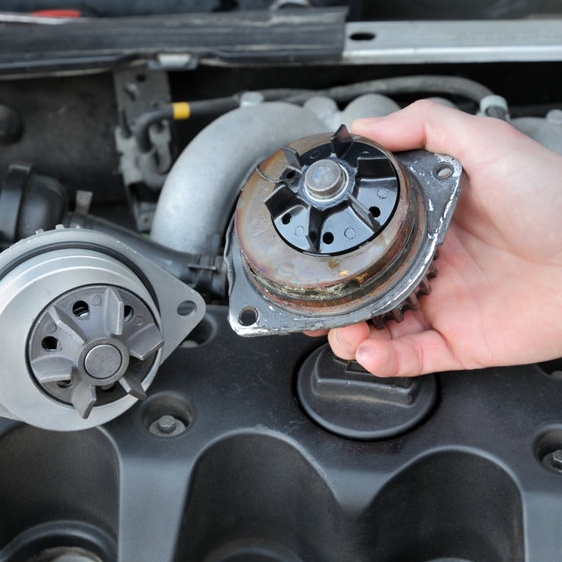
Image Source: www.j1autorepair.com
The Core Function of a Water Pump
The water pump’s sole purpose is to keep your engine at its optimal operating temperature. It’s essentially the heart of your cooling system, pushing the lifeblood of coolant where it needs to go. This circulation prevents the extreme heat generated by combustion from damaging delicate engine parts. Think of it as the engine’s thermostat – but instead of controlling flow based on temperature, it actively moves the coolant.
Why Coolant Circulation Matters
Combustion is a violent process that creates immense heat. Engine components, particularly the cylinder head and block, are constantly subjected to these high temperatures. If this heat isn’t efficiently removed, metal parts can expand excessively, warp, melt, or even seize. The water pump’s job is to ensure a constant flow of cooler coolant to absorb this heat, preventing catastrophic engine damage.
Signs of a Failing Water Pump
Recognizing the signs of a water pump failure symptoms is key to preventing further damage. Ignoring these indicators can turn a repairable problem into a complete engine rebuild.
Common Indicators of Water Pump Issues
- Coolant Leaks: This is perhaps the most obvious sign. You might notice puddles of coolant under your car. The color of the coolant (often green, orange, or pink) can help identify the source. A coolant leak from the front of the engine, specifically near the belts, often points to the water pump.
- Overheating Engine: A constantly rising temperature gauge, especially during normal driving conditions, is a major red flag. If you see your car’s temperature needle creeping into the red zone, or if your dashboard warning light for overheating illuminates, it’s a serious concern. This indicates that the coolant isn’t circulating effectively, leading to an overheating car.
- Steam from Hood: If you see steam from hood while driving or after parking, it’s a sign that the coolant is extremely hot and likely escaping from the system. This is a very dangerous symptom and indicates the cooling system is not functioning at all.
- Whining or Grinding Noises: The water pump has bearings that can wear out over time. A failing bearing might produce a high-pitched whining or a grinding sound, especially when the engine is running. This noise often changes with engine RPM.
- Corrosion on the Pump Pulleys: Sometimes, you can spot corrosion or residue around the water pump’s pulley or weep hole. The weep hole is designed to let out a small amount of coolant if the internal seals begin to fail, acting as an early warning.
- Car Sputtering or Rough Idling: While not a direct symptom, an overheating engine can cause performance issues. If your car sputtering or running roughly, it might be a secondary effect of the engine being too hot to operate efficiently.
The Risks of Driving with a Bad Water Pump
Driving with a compromised water pump is akin to running a marathon with a failing heart – it’s a recipe for disaster. The risks are significant and can escalate rapidly.
Escalating Engine Damage
The primary risk is severe engine damage. As the water pump fails to circulate coolant, the engine temperature will climb.
Internal Component Stress
- Head Gasket Failure: Overheating can cause the cylinder head to warp or crack, leading to a blown head gasket. This is a very common and costly repair.
- Warped Cylinder Head: Extreme heat can cause the metal in the cylinder head to deform, preventing a proper seal between the head and the engine block.
- Cracked Engine Block: In the most extreme cases, the engine block itself can crack due to excessive thermal expansion and stress.
- Seized Pistons: If the engine overheats severely, the pistons can expand more than the cylinder walls, causing them to seize in place, rendering the engine inoperable.
Lubrication Issues
Overheating also affects engine oil. High temperatures can break down the oil’s viscosity, reducing its ability to lubricate moving parts. This leads to increased friction and wear, even in areas not directly related to the cooling system.
Stranded on the Road
A failing water pump can fail completely without much warning. If the pump stops circulating coolant altogether, your car will overheat very quickly, forcing you to pull over. You could be stranded in a dangerous location, especially if this happens on a highway or in an isolated area.
Ignoring a Coolant Leak Amplifies Problems
Continuing to drive with a driving with coolant leak is exceptionally dangerous. Even if you try to top up the coolant regularly, the leak suggests a problem with the pump’s seals or housing. You’re essentially fighting a losing battle against a rapidly depleting coolant supply, which will inevitably lead to overheating.
Thermostat Issue Misconception
Sometimes, drivers might mistake a thermostat issue for a water pump problem, or vice versa. A faulty thermostat, which regulates coolant flow to the radiator, can also cause overheating. However, a bad water pump impacts the circulation of coolant, whereas a stuck-closed thermostat prevents flow to the radiator, even if the pump is working. It’s crucial to diagnose the problem correctly. A pump failure means no coolant movement at all, while a thermostat issue means coolant might still be circulating within the engine block but not reaching the radiator.
Can a Car Run Without a Water Pump?
Technically, a car can start and run for a very short period without a water pump. However, it cannot run for any practical duration without severe consequences. The moment the engine starts generating heat, the lack of coolant circulation becomes critical.
The Very Short Window of Operation
In a no-water-pump scenario, the coolant inside the engine block will quickly heat up. Without the pump to move it to the radiator, the heat will build up rapidly. Most modern cars have temperature sensors that will likely trigger warnings or even shut down the engine to prevent damage, but this is a last resort.
The Inevitable Overheating
The engine will reach its boiling point and overheat within minutes, if not seconds, of running without the water pump. Driving even a mile can be enough to cause irreversible engine damage. So, while a car can technically run without one, it’s not a scenario that should ever be intentionally tested.
Diagnosing Water Pump Problems
Accurate diagnosis is essential to avoid unnecessary repairs. If you suspect a water pump issue, it’s best to have a qualified mechanic examine your vehicle.
Visual Inspection and Common Tests
- Check for Coolant Leaks: Look for the characteristic colorful puddles under the car, especially near the front of the engine.
- Inspect the Water Pump Pulley: Check for any signs of corrosion, rust, or dried coolant around the pulley and the weep hole.
- Listen for Unusual Noises: Pay attention to any grinding, whining, or rattling sounds coming from the front of the engine, particularly as the engine speed changes.
- Monitor Temperature Gauge: Keep a close eye on your car’s temperature gauge. Any consistent readings in the hot zone are a cause for concern.
- Observe for Steam: If you see steam from hood, immediate action is needed. Pull over safely and shut off the engine.
Professional Diagnosis
A mechanic will have specialized tools and knowledge to pinpoint the exact cause of cooling system problems. They can pressure test the system to find leaks, check the thermostat’s operation, and confirm if the water pump is indeed the culprit.
The Replacement Process and Costs
Replacing a water pump involves draining the cooling system, removing the old pump, installing a new one, and then refilling and bleeding the system.
What the Replacement Entails
- Coolant Drain: The old coolant is drained from the radiator and engine block.
- Belt Removal: The serpentine belt or timing belt that drives the water pump is typically removed. If the water pump is driven by the timing belt, this is a more labor-intensive job as the timing belt also needs to be replaced.
- Pump Removal: The bolts holding the water pump in place are removed, and the old pump is taken out.
- Gasket Installation: A new gasket or sealant is applied to ensure a watertight seal for the new pump.
- New Pump Installation: The new water pump is bolted into place.
- Belt Reinstallation: The serpentine or timing belt is put back on.
- Coolant Refill and Bleeding: The cooling system is refilled with the correct coolant mixture, and any trapped air is removed (a process called bleeding) to ensure proper circulation.
Factors Affecting Cost
The cost of water pump replacement varies depending on several factors:
- Vehicle Make and Model: Luxury vehicles or those with complex engine designs typically have higher labor costs.
- Labor Rates: Mechanic shop labor rates differ by region.
- Type of Water Pump: Some vehicles have external pumps driven by a belt, while others have them integrated with the timing belt system. Timing belt-driven pumps are generally more expensive to replace because the timing belt also needs to be addressed.
- Additional Parts: Sometimes, when the water pump is out, it’s cost-effective to replace other components like the thermostat, hoses, or drive belts.
Estimated Cost Range
You can expect the cost of a water pump replacement to range from $400 to $1000 or more, depending on the factors mentioned above. This includes both parts and labor.
Can You Drive a Car with a Bad Water Pump? A Definitive Answer
The unequivocal answer is no, you should not drive a car with a bad water pump. The temptation to “just get home” or to postpone the repair can lead to significantly more expensive and damaging consequences.
The False Economy of Driving with a Faulty Pump
While it might seem like saving money by delaying a water pump replacement, this is a misconception. The cost of repairing the damage caused by continued driving will far outweigh the cost of the initial repair. Think of it this way: a new water pump might cost a few hundred dollars. A blown head gasket, warped head, or seized engine can cost thousands.
What to Do If You Suspect a Bad Water Pump
- Stop Driving Immediately: If you notice any of the symptoms of a failing water pump, pull over to a safe location as soon as possible and turn off the engine.
- Do Not Ignore Warning Lights: Pay attention to your dashboard warning lights, especially the temperature gauge or engine warning light.
- Seek Professional Help: Arrange for your car to be towed to a trusted mechanic for diagnosis and repair. Do not attempt to drive it, even for short distances.
- Avoid “Top-Offs” as a Solution: Continuously adding coolant to a leaking system is a temporary patch that can mask the problem and lead to more severe damage if the underlying issue isn’t addressed.
Frequently Asked Questions (FAQ)
Q1: How long can I drive with a leaking water pump?
You should not drive a car with a leaking water pump at all. Even a small leak indicates a failing seal, and it’s only a matter of time before the pump fails completely, leading to overheating and severe engine damage.
Q2: Will my car’s check engine light come on if the water pump is bad?
Not always directly. The check engine light is more likely to come on if the engine’s computer detects issues related to engine temperature (e.g., coolant temperature sensor readings that are too high or out of range). A failing water pump itself doesn’t always trigger the light directly, but the consequences of its failure (overheating) often will.
Q3: Can a bad water pump cause a car to sputter?
Yes, indirectly. An overheating engine due to a bad water pump can cause various performance issues, including a car sputtering or running rough. The excessive heat affects the engine’s ability to maintain optimal combustion.
Q4: What is the function of the water pump’s weep hole?
The weep hole is a small opening in the water pump housing. It’s designed to allow a small amount of coolant to escape if the internal seals of the pump begin to wear out. This serves as an early warning sign that the water pump needs attention.
Q5: How often should a water pump be replaced?
Water pumps are typically designed to last the life of the timing belt, often around 60,000 to 100,000 miles or 7 to 10 years. However, they can fail prematurely due to manufacturing defects or other issues within the cooling system. It’s often recommended to replace the water pump whenever the timing belt is replaced, as they are often located in the same area and driven by the same belt.
Q6: What happens if the water pump fails completely while driving?
If the water pump fails completely, the coolant will stop circulating. The engine temperature will rise very rapidly, leading to severe overheating. You will likely see steam from hood, smell burning coolant, and your temperature gauge will spike into the red zone. You must pull over immediately and shut off the engine to prevent catastrophic engine damage.
Q7: Is it possible to replace a water pump myself?
For those with significant automotive mechanical experience and the right tools, it is possible to replace a water pump. However, it’s a complex job that requires proper procedures, especially if the pump is driven by the timing belt. Incorrect installation can lead to further engine damage. For most car owners, it’s safer and more reliable to have a professional mechanic perform the replacement.
Q8: Can a bad thermostat cause the same symptoms as a bad water pump?
A faulty thermostat can indeed cause similar symptoms, primarily overheating car issues. Both components are crucial for regulating engine temperature. However, the root cause is different. A bad water pump means coolant isn’t being circulated. A faulty thermostat (stuck closed) means coolant isn’t flowing to the radiator, even if the pump is pushing it. A mechanic can differentiate between these issues through proper diagnosis.
Q9: What are the risks of driving with a coolant leak?
Driving with a driving with coolant leak is dangerous because it means your cooling system is not holding enough coolant to effectively regulate engine temperature. This can lead to rapid overheating and engine damage. It also means you’re constantly losing essential fluid, which can leave you stranded. The leak itself is a sign of a problem, often with the water pump, radiator, hoses, or heater core.
Q10: If I see steam coming from my hood, what should I do?
If you see steam from hood, it indicates a serious overheating problem, likely due to a coolant leak or a failed cooling component like the water pump. You should immediately pull over to a safe location, turn off the engine, and let it cool down completely before attempting to inspect anything. Do not open the radiator cap or coolant reservoir when the engine is hot, as pressurized hot coolant can cause severe burns. Have the vehicle towed to a mechanic.