Can you claim hail damage twice on a car? No, you generally cannot claim the same hail damage multiple times on your auto insurance policy. Insurance is designed to cover new, sudden damage. If your car was damaged by hail, and you filed a claim and got paid (either for repairs or the value of the damage), you cannot file another claim for that exact same damage in the future. This is because the insurance company already addressed that specific loss. Filing a second claim for unrepaired damage you were already paid for is considered insurance fraud. However, claiming hail damage multiple times on the same car but from different hail events is possible under specific circumstances, which we will explore in detail.
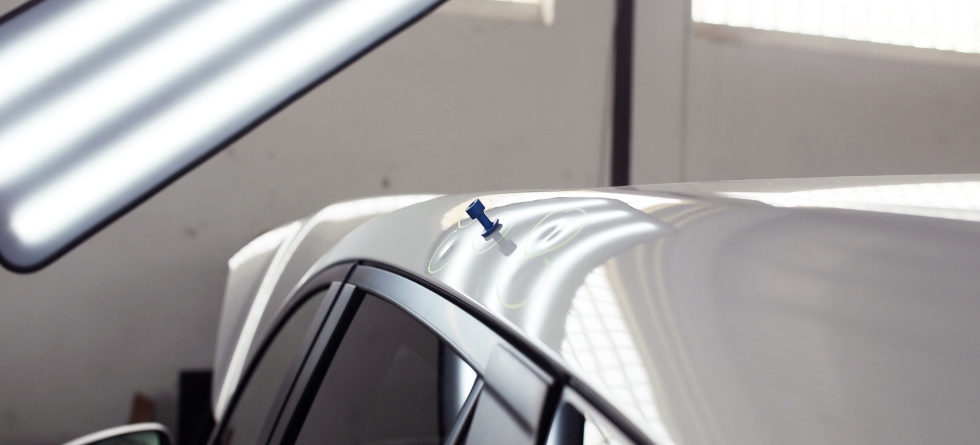
Image Source: globalcollisioncenters.com
The Basics of Hail Damage and Insurance Claims
Cars get dinged by hail. It happens. When it does, your comprehensive auto insurance coverage is what usually pays for the repairs. Comprehensive coverage is for damage that isn’t caused by a collision, things like theft, vandalism, hitting an animal, fire, and weather events like hail.
Getting hail damage fixed starts with filing a claim with your insurance company. You tell them what happened and when. They will then start the process to figure out how much the damage costs to fix.
The First Hail Damage Claim Process
When you first claim hail damage, your insurance company will want to see the car. They might send a claims adjuster to look at it, or they might ask you to take it to an approved repair shop for an estimate.
The adjuster or repair shop looks over the car carefully. They count the dents. They measure the size of the dents. They look at the roof, the hood, the trunk, the fenders, and the sides. They also check the glass. All this information goes into a detailed report. This report is used to create a repair estimate.
The estimate lists everything needed to fix the car. This might include paintless dent repair (PDR), which is a common way to fix hail dents without repainting. If the damage is bad, it might need traditional body work or even panel replacement. The estimate includes parts and labor costs.
Once the estimate is ready, the insurance company reviews it. If they agree on the cost, they will approve the repair. They then pay for the repair, minus your deductible. The payment might go directly to the repair shop or sometimes to you. Your part is paying the deductible to the shop when the work is done. This process takes care of the damage from that specific hail storm.
Can You Claim Hail Damage Twice On A Car? Examining the Scenario
This is where things get tricky. As stated upfront, you cannot claim the same damage twice. If a storm hits, your car gets damaged, you file a claim, and the insurer pays, that specific damage is considered handled. Even if you don’t use the money to fix the car (which is called a claim hail damage no repair situation), the insurer paid you for that loss. They won’t pay for it again later.
However, what if another hail storm hits later? Can you file a second hail damage claim car? This depends heavily on whether the previous hail damage not fixed is still on the car and how your insurance company handles it.
Claiming Hail Damage Multiple Times on the Same Vehicle
Filing a second claim for new damage is different from trying to file a second claim for old, unrepaired damage.
If a new storm causes new damage, you can file another claim. But the insurance company will need to figure out which dents are from the first storm and which are from the second. This is hard if the first damage was never repaired.
Why Unrepaired Damage is a Problem
Insurance policies cover new losses. When you file a claim for a second hail storm, the insurer will look at the car. They will compare the damage they see now to their records from the first claim. Their goal is to only pay for the damage caused by the new storm.
If you have unrepaired hail damage new claim situations, the insurer will likely subtract the cost of the old damage from the cost of the new damage. This is because they already paid you for the old damage. You can’t get paid twice for the same dents. This is where a previous hail damage not fixed situation causes problems. It becomes a pre-existing auto damage claim when the second storm hits. The insurer won’t pay for damage that was already there before the new incident.
How Insurance Companies Track Damage
Insurance companies keep detailed records. They have your auto insurance claim history. When you file a hail claim, they document the damage. This might include photos, diagrams marking every dent, and the repair estimate.
If you file another claim later, they will look at these old records. They will try to identify which dents match the old damage report. Any dents that are on the new report but not on the old one are likely from the new storm. They will pay for those new dents (minus your deductible). They won’t pay for the old dents.
Some insurance companies might even require a pre-claim inspection if you live in an area known for frequent hail, especially if you have a history of hail claims or known unrepaired damage. This inspection documents the car’s condition before any new storm hits, making it easier to identify new damage later.
The Second Hail Damage Claim Car Scenario
Let’s look at a scenario where a second hail storm hits.
Imagine your car gets hail damage in Storm A.
* Scenario 1: You File a Claim for Storm A and Get It Repaired. The car is fixed. Later, Storm B hits and causes new hail damage. You can file a claim for Storm B. Since the car was fully repaired after Storm A, the new damage is easy to identify. The insurer pays for the new damage from Storm B (minus your deductible).
* Scenario 2: You File a Claim for Storm A, Get Paid, But Don’t Repair the Car (Claim Hail Damage No Repair). The car still has the dents from Storm A. Later, Storm B hits and adds more dents. You file a claim for Storm B. The insurer looks at the car. They compare the current dents to the report from Storm A. They will only pay for the dents that weren’t on the car after Storm A. They subtract the estimated cost of fixing the Storm A damage (which they already paid you) from the total cost of fixing all the dents now. You essentially only get paid for the new dents from Storm B.
* Scenario 3: You Did Not File a Claim for Storm A. The car has dents from Storm A. Later, Storm B hits and adds more dents. You file a claim now. When the adjuster inspects the car, they see dents from two storms. It’s very difficult, sometimes impossible, to tell which dents came from which storm. The insurer might argue that some of the damage is pre-existing auto damage claim. They might only pay a reduced amount, or they might even deny the claim entirely, arguing they cannot determine what damage is new and what was already there when the policy period for the second storm began. This is a tricky situation because you didn’t document the damage from Storm A.
What Happens If Damage Overlaps?
When old, unrepaired damage is on the car when new damage occurs, the insurance company must determine the amount of damage from the new event. This is often done by:
- Comparing Current Damage to Old Photos/Estimates: This is the most common method if a previous claim was filed. The adjuster counts and maps the current dents and compares them to the maps/photos from the first claim.
- Using Industry Guidelines: Sometimes, repair facilities use standards (like PDR standards) that categorize damage severity (light, medium, heavy) based on dent count and size per panel. If the car had “medium” damage before and now has “heavy” damage, they might pay for the difference between medium and heavy on each panel.
- Offering a “Lessened Value” Settlement: The insurer might argue that because the car already had damage, its value was lower before the second storm. This relates to insurance depreciation hail damage. They might only pay an amount that brings the car back to its pre-second-storm, damaged state value, rather than its pre-first-storm value.
- Applying a “Prior Damage Deduction”: They might calculate the full cost to fix everything, and then subtract the amount they previously paid you (or the estimated cost if you didn’t claim) for the old damage. You only get the difference.
Some policies or insurers in hail-prone areas might have specific clauses. For example, they might require an inspection at policy inception if the car is known to have damage. Or they might apply a standard “prior damage” deduction based on a simple assessment if exact old records aren’t available or clear. This is all part of managing pre-existing auto damage claim issues.
The Financial Impact of Multiple Claims
Filing multiple claims, even for separate incidents, can impact your insurance.
First, there’s the deductible. You have to pay your deductible for each separate incident claim. If you claim Storm A damage and then Storm B damage, you’ll likely pay two deductibles.
Second, your premium might go up. Insurance companies look at your auto insurance claim history when deciding your rate. Filing multiple claims, especially for the same type of damage (like hail), can flag you as a higher risk. This can lead to increased premiums when you renew your policy.
Third, it affects the car’s value. Even if repaired, a car with multiple hail claims might be worth less than a similar car with no claims. This is known as diminished value, though diminished value payouts for repairs can be hard to get and are not allowed in all states.
Insurance Depreciation Hail Damage and ACV
Hail damage significantly lowers a car’s market value. When an insurance company pays a claim, they consider the car’s Actual Cash Value (ACV) car hail. ACV is the replacement cost of the car minus depreciation. Depreciation is the loss of value due to age, wear, and damage history.
If you have unrepaired hail damage (claim hail damage no repair), your car’s ACV is already lower before a second storm hits. If the second storm causes more damage, the insurer will start their calculation from that already-reduced ACV.
For example:
* Car Value before any hail: $20,000
* Storm A causes $5,000 in damage. Insurer pays you $5,000 (minus deductible). You don’t repair.
* Car Value with unrepaired Storm A damage: Maybe $15,000 (the $20k value minus the $5k damage).
* Storm B causes $3,000 new damage (beyond Storm A). The insurer calculates the payout based on the $15,000 starting value. They pay you for the new $3,000 damage (minus a second deductible), often by subtracting the Storm A damage amount ($5k) from the total current damage amount ($8k total damage = $5k old + $3k new). So you get $3k (minus deductible).
Unrepaired damage complicates this and can lead to lower payouts on future claims or in a total loss situation.
When Hail Damage Leads to a Total Loss
Sometimes, hail damage is so severe that the cost of repairs is more than the car is worth. When this happens, the insurance company declares the car a total loss hail damage claim. They will pay you the Actual Cash Value (ACV) of the car before the storm, minus your deductible.
If you have unrepaired hail damage new claim situation when the total loss occurs, the insurer will calculate the ACV based on the car’s condition before the latest storm. This means if it already had significant unrepaired damage, the ACV will be lower.
Let’s reuse the example:
* Car Value before any hail: $20,000
* Storm A causes $5,000 damage. Insurer pays you $5,000. You don’t repair.
* Car Value with unrepaired Storm A damage just before Storm B: ~$15,000.
* Storm B hits and causes $16,000 worth of new damage (on top of the old). Total damage is now $5k (old) + $16k (new) = $21,000.
* The car’s value before Storm B was $15,000. The $21,000 repair cost is more than the $15,000 value. It’s a total loss.
* The insurer will likely pay you the ACV before Storm B, which was ~$15,000 (minus your deductible). They won’t pay you $20,000 (the original value) because the car wasn’t worth that much just before Storm B hit due to the unrepaired damage.
Having previous hail damage not fixed severely impacts the ACV calculation in a total loss scenario. It means the payout will be less than if the car had been in perfect condition before the total-loss-causing storm.
Steps to Take After Hail Damage (Even If You’ve Claimed Before)
If your car is hit by hail, whether it’s the first time or not, here’s what you should do:
- Assess the Damage: Look closely at your car safely. Note where the dents are and how bad they seem.
- Contact Your Insurer Promptly: Report the damage right away. Tell them the date the storm happened. Be honest about any previous damage on the car, especially if it wasn’t repaired. Hiding pre-existing auto damage claim issues can cause bigger problems later.
- Get an Estimate: The insurance company will arrange for an estimate or tell you where to get one. This estimate details the cost of repairs.
- Review the Estimate: Make sure you understand the estimate. If you had previous damage, check how the estimate handles it. The insurer might provide an estimate showing the total repair cost and then deduct the amount attributed to the old damage.
- Decide on Repairs: Based on the estimate and the payout, decide whether to get the car fixed. Consider the points in the next section.
Deciding Whether to Repair or Not
If you file a claim and the insurer pays you for hail damage, you usually have a choice: get it fixed or keep the money (claim hail damage no repair).
- Getting it Fixed: This restores your car to its condition before the storm. It makes dealing with future hail claims or selling the car much simpler. The car is less likely to be considered a pre-existing auto damage claim problem in the future.
- Keeping the Money: You get cash in hand, but the car still has the dents. This lowers the car’s value (insurance depreciation hail damage). It also complicates any future hail claims, as the insurer will subtract the amount already paid for the unrepaired damage. Keeping the money might seem good in the short term, but it can cost you more in the long run, especially if another storm hits or if the unrepaired damage contributes to a total loss hail damage claim later.
Many people choose not to repair cosmetic hail damage, especially if it’s minor and they plan to keep the car for a long time. However, if you plan to sell the car soon or live in a frequent hail zone, getting it repaired is usually the better financial decision in the long run.
Grasping Your Auto Insurance Policy
The key to dealing with any insurance claim, including claiming hail damage multiple times, is to understand your specific policy.
- Read Your Policy Documents: Find the section on comprehensive coverage. See how hail damage is handled.
- Know Your Deductible: This is the amount you pay out-of-pocket for each claim.
- Look for Endorsements or Exclusions: Some policies might have specific language about prior damage or require inspections in certain cases. If you live in a hail-prone area, your policy might have specific clauses about hail damage.
- Ask Your Agent: If you have questions about your coverage, prior damage, or how a second claim would be handled, ask your insurance agent or a company representative. It’s better to know the rules before you need to file a claim.
Policies are contracts. They lay out what is covered and what isn’t. They also explain how payouts are calculated, especially concerning depreciation and previous claims.
FAQ
Here are common questions people ask about claiming hail damage multiple times on a car:
h4: Can I file a second hail damage claim on my car if the first damage wasn’t fixed?
Yes, you can file a claim if new hail damage occurs. However, the insurance company will only pay for the new damage. They will likely subtract the amount they already paid you (or the estimated value) for the old, unrepaired hail damage. You will not be paid twice for the same dents.
h4: What happens if I don’t repair the hail damage after the first claim?
If you choose claim hail damage no repair, you receive the payout but the car remains damaged. This lowers your car’s market value (insurance depreciation hail damage). It also creates a pre-existing auto damage claim issue for any future claims, including a second hail damage claim car incident or a total loss hail damage claim. The insurer will account for this previous damage when handling future claims.
h4: How do insurance companies know about my previous damage or claims?
Insurance companies keep detailed records of your auto insurance claim history. When you file a claim, they document the damage with estimates, photos, and reports. If you file another claim, they will check these records to identify any previous hail damage not fixed.
h4: Will claiming hail damage multiple times raise my insurance premium?
Yes, filing multiple claims, even for different storms, can increase your insurance premium when your policy renews. Insurance companies see multiple claims as an indicator of higher risk.
h4: How is Actual Cash Value (ACV) affected by unrepaired hail damage?
Actual Cash Value (ACV) car hail is the value of your car minus depreciation. Unrepaired hail damage is a form of depreciation. If you have unrepaired damage, your car’s ACV is lower than it would be without the damage. This lower ACV is the starting point for calculating payouts on future claims, including total loss claims.
h4: Can I file a claim now for hail damage that happened a long time ago?
Most insurance policies have time limits for filing claims (e.g., within a year of the incident). Filing a claim for damage that occurred in a previous policy period or long ago may be denied. Also, if new damage has occurred since the old damage, it becomes very hard for the insurer to distinguish, creating a pre-existing auto damage claim problem.
h4: What if I bought a car with existing hail damage?
When you insure a car that already has damage, you should inform your insurance company. They might require a pre-existing auto damage claim inspection to document the damage before covering the car. If another hail storm hits later, they will only cover the new damage that occurred while you were insured with them.
h4: Does claiming hail damage multiple times make my car a total loss faster?
Yes, having previous hail damage not fixed (even if you were paid for it) lowers the car’s value. If a subsequent event causes more damage, the cost to repair the total damage (old plus new) is measured against the car’s lower Actual Cash Value just before the latest incident. A lower ACV means it takes less damage to exceed the total loss threshold, making a total loss hail damage claim more likely.
The truth about claiming hail damage twice on a car is that you can’t claim the same damage again. Insurance pays for a loss once. If new damage happens, you can file another claim, but the process becomes much more complicated and potentially less financially rewarding if previous damage was left unrepaired. Understanding your policy and being upfront with your insurer about prior damage is essential for navigating these situations.