Yes, the transmission can absolutely cause your car to shake. When a car shakes, many parts could be the reason. Tires, brakes, engine problems, and suspension issues are common causes. But the transmission is a big system with many moving parts. If something goes wrong inside it, it can create vibrations you feel throughout the car. This shaking often happens at specific times, like when you speed up or when the car is just sitting still.
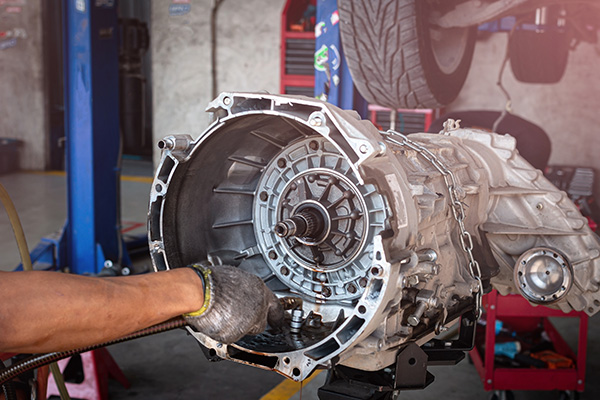
Image Source: www.budstransmissionservice.com
Why Cars Shake
Your car uses many parts to move down the road. The engine makes power. The transmission sends that power to the wheels. The driveshaft connects the transmission to the wheels (or a differential). The wheels touch the ground. All these parts spin and move together. If any one of these parts has a problem, it can make the whole car shake or vibrate.
Think of it like a spinning top that is not balanced. It wobbles and shakes. Car parts that spin, like the driveshaft or parts inside the transmission, must be balanced and work smoothly. If they don’t, they can cause shaking.
How the Transmission Works
Let’s look a bit at the transmission. Its main job is to change gears. This lets the engine work best at different speeds. When you start from stopped, the transmission uses a low gear. This gives the car power to get moving. As you go faster, the transmission shifts to higher gears. This lets the engine spin slower while the wheels spin faster, saving fuel.
There are two main types:
- Manual Transmission: You use a clutch pedal and a gear shift lever to change gears yourself.
- Automatic Transmission: The car changes gears for you. This uses fluid, sensors, and a computer.
Both types have many moving parts inside. Gears, bearings, seals, and other pieces work together. If any of these parts wear out or break, they can cause problems. One big problem is vibration.
Transmission Vibration Symptoms
How do you know if your transmission is causing the shaking? Look for certain signs. Transmission vibration symptoms often show up when the transmission is working hard or changing gears.
Here are some common signs:
- The car shakes when you are in neutral or park.
- The car shakes when you are in drive or reverse but standing still (like at a stop light).
- The car shakes most when it is trying to change gears.
- You feel a shudder or shake when you start to move.
- The shaking changes depending on what gear the transmission is in.
These signs point strongly to a problem with the transmission or parts connected to it.
Common Transmission Problems That Cause Shaking
Several specific issues within the transmission can lead to vibrations.
Rough Transmission Shifts
One big sign of transmission trouble is rough transmission shifts. Instead of changing gears smoothly, you might feel a clunk, a jolt, or a harsh bang. Sometimes, these rough shifts can also cause a quick shake or shudder through the car.
Why does this happen?
- Low or old fluid: The fluid in an automatic transmission is very important. It cools, cleans, and helps the parts move smoothly. If the fluid is low or old and dirty, the transmission can’t shift correctly.
- Internal wear: Gears, clutches, or bands inside the transmission can wear out. This stops them from grabbing or letting go smoothly.
- Computer problems: Modern automatic transmissions use computers. If the computer or its sensors have a problem, they can tell the transmission to shift at the wrong time or too hard.
- Blocked passages: Inside the transmission, fluid flows through many small passages. If these get blocked by dirt or debris, fluid can’t get where it needs to go.
When a rough shift happens, the sudden jolt can make the car shake. This is different from a constant vibration but is a key symptom that transmission trouble is present, which could also cause vibrations at other times.
Slipping Transmission Signs
Another issue is a slipping transmission signs. This means the transmission is not staying firmly in gear.
Here’s what slipping feels like:
- The engine revs up, but the car does not speed up as much as it should.
- The transmission might feel like it drops out of gear for a moment.
- When shifting, it might feel like it hesitates or slips before finally going into the next gear.
Slipping is often caused by low fluid, worn parts, or problems with fluid pressure. When the transmission slips, it creates uneven movement and friction. This can cause a shudder or vibration, especially when the transmission is trying to engage a gear but failing.
Issues with the Torque Converter
Automatic transmissions use a part called a torque converter. Think of it like a fluid coupling between the engine and the transmission. It allows the engine to keep running when the car is stopped (like at a red light) without stalling. It also helps get the car moving smoothly from a stop.
Problems with the torque converter are a very common cause of vibration, especially at certain speeds or when the transmission is trying to ‘lock up’ (a mode that saves fuel at steady speeds).
- Shudder on lock-up: A bad torque converter often causes a shaking or shudder feeling, like driving over rumble strips, especially between 30-50 mph when the converter tries to lock up.
- Vibration at idle: Sometimes, a torque converter problem can cause a vibration even when the car is stopped in drive.
- Overheating: A failing torque converter can create lots of heat, which can damage the transmission fluid and other parts, leading to more problems and vibrations.
If your car shakes most noticeably around 30-50 mph on a flat road, especially before or after a shift, a bad torque converter might be the reason.
Internal Gear or Component Wear
Inside the transmission, there are many gears, bearings, seals, and clutch packs (in automatics) or synchros (in manuals). These parts move and spin at high speeds.
- Worn bearings: Bearings help parts spin smoothly. If a bearing inside the transmission wears out, it can cause noise and vibration. This vibration might get worse as the transmission spins faster or is under more load.
- Damaged gears: If a gear tooth breaks or a gear is chipped, it won’t mesh smoothly with the other gears. This can cause grinding sounds and vibrations.
- Worn clutch packs/bands: In an automatic, these parts engage and disengage to change gears. If they are worn, they can slip or grab unevenly, causing rough shifts and vibrations.
These internal problems often get worse over time. The vibration might start small and become more noticeable.
Automatic Transmission Problems and Shaking
While manual transmissions can also cause vibrations from worn parts, automatic transmission problems seem to be a more frequent source of shaking felt by drivers. This is partly because automatic transmissions are more complex. They have more parts like the torque converter, valve body (which directs fluid), pumps, sensors, and computers that can fail.
- Fluid issues: As mentioned, low or dirty fluid is a major cause of automatic transmission problems. It affects pressure, cooling, and lubrication.
- Solenoid issues: Solenoids are electric valves controlled by the computer. They tell the fluid where to go to make shifts happen. If a solenoid fails, shifts can be harsh, delayed, or the transmission might not engage correctly, leading to shaking.
- Valve body problems: The valve body is like the brain of the hydraulic system, directing fluid to the right places. If it gets clogged or parts wear out, it affects shifting and can cause vibration.
Any of these issues can disrupt the smooth operation of the automatic transmission, resulting in noticeable shaking.
Other Parts That Cause Vibration
It’s important to remember that vibrations can come from many places. Even if you think it’s the transmission, it could be something else. Or, a problem in another part could seem like a transmission problem.
Driveshaft Vibration Issues
The driveshaft is a long, rotating tube that sends power from the transmission to the wheels (or the differential on the axle). It spins whenever the car is moving. Driveshaft vibration issues are a very common cause of shaking, especially at certain speeds.
- Out of balance: If the driveshaft is bent or weights fall off (like weights on a tire), it will wobble as it spins. This wobble causes vibration that gets worse as you go faster.
- Worn U-joints or CV joints: The driveshaft has flexible joints at its ends (called universal joints or constant velocity joints). These allow the driveshaft to move up and down with the suspension. If these joints wear out, they can become loose or seize up. This causes clicking noises (often when turning with CV joints) or vibrations (from U-joints or CV joints).
Universal Joint Failure Symptoms
Universal joint failure symptoms often include a clunking sound when shifting from drive to reverse (or vice versa), or a scraping/squeaking noise when starting to move. More importantly for vibration, a failing U-joint can cause shaking that feels like it’s coming from the rear of the car (if it’s a rear-wheel drive car) or sometimes from the middle. The vibration from a bad U-joint usually gets worse as speed increases. Since U-joints are directly connected to the driveshaft and transmission, their failure can easily be mistaken for a transmission problem.
Worn Motor Mounts Shaking
The engine and transmission are bolted together and sit on rubber or fluid-filled mounts. These mounts connect the engine/transmission assembly to the car’s frame. They are there to absorb vibration and keep the engine/transmission from moving around too much.
If you have worn motor mounts shaking, the shaking might be very noticeable when the engine is running, even when the car is stopped.
- Shaking at idle: Bad motor mounts are a prime suspect if your car shakes at idle diagnosis points to the engine bay.
- Engine movement: If you look at the engine while someone shifts from park to drive or reverse (with the brake firmly on!), you might see the engine lift or rock excessively if the mounts are bad.
- Vibration during acceleration: Worn mounts can also cause vibration when you speed up, as the engine torques (twists) more against the failing mounts.
While not a transmission internal problem, worn motor mounts directly impact how much engine and transmission vibration is transferred to the car’s body. They are often diagnosed alongside transmission issues.
Pinpointing the Cause of Shaking
Finding out exactly why your car is shaking can be tricky. You need to think about when and how the shaking happens.
Car Shakes During Acceleration
If your car shakes during acceleration, this puts stress on the engine, transmission, and driveshaft.
- Engine issue: Misfires, fuel problems, or air intake issues can make the engine run rough and cause shaking that is worse when you ask for power.
- Transmission issue: A slipping transmission, a problem with the torque converter trying to lock up under load, or internal issues can cause shaking when you step on the gas.
- Driveshaft/U-joint issue: As mentioned, these parts spin faster and are under more load during acceleration. Problems here will often show up as speed increases.
- Worn motor/transmission mounts: These allow excessive movement under engine torque during acceleration, transferring vibration.
If the shaking only happens when accelerating and goes away when you ease off the gas, it helps narrow down the possibilities.
Car Shakes at Idle Diagnosis
A car shakes at idle diagnosis focuses on problems that happen even when the car is not moving.
- Engine issue: Misfires (one cylinder not firing correctly) are a very common cause of rough idle and shaking. This is often felt throughout the car.
- Worn motor mounts: These will allow the normal vibrations of the engine to shake the car’s body directly.
- Transmission issue: Less common than mounts or engine problems, but a failing torque converter can sometimes cause vibration at idle when in gear (Drive or Reverse). Problems with the transmission pump could also potentially cause some vibration, though often linked with other symptoms.
If the shaking is present in Park or Neutral, it’s almost certainly an engine problem or bad motor mounts, as the transmission’s internal parts aren’t under load or spinning much. If it only happens when in Drive or Reverse at a stop, it could still be mounts or engine, but a torque converter issue becomes more likely.
Shaking at Specific Speeds
Shaking that happens only at certain speeds (like 40-50 mph, then smooths out) or gets worse as speed increases (like above 50-60 mph) often points to rotating parts like:
- Tires: Unbalanced tires, bent wheels, or internal tire damage. This is perhaps the most common cause of speed-sensitive vibration.
- Driveshaft: As discussed, imbalance or worn joints cause vibration proportional to speed.
- Axles: Bent axle shafts can also cause vibration at higher speeds.
- Brakes: Warped brake rotors can cause shaking when you press the brake pedal, but sometimes can cause a slight vibration even when not braking at certain speeds if the pads are just touching them.
While not transmission parts, these must be ruled out before assuming the transmission is the problem.
The Role of Transmission Fluid
We touched on transmission fluid earlier, but it’s so important it needs more focus. Automatic transmission fluid (ATF) is vital. It cools, lubricates, cleans, and transmits power.
Low transmission fluid symptoms include:
- Delayed shifting
- Harsh or rough shifts
- Slipping transmission
- Overheating transmission
- Strange noises (whining, buzzing)
- And yes, vibration or shudder.
If the fluid level is too low, the transmission cannot build the correct pressure needed for smooth operation. Parts don’t get cooled or lubricated enough. This can lead to wear and overheating, both of which cause problems and vibrations.
Checking your transmission fluid level is a simple first step if you notice transmission-like symptoms. Make sure to check it correctly according to your car’s manual (some are checked warm, some cold, some while running, some off). If the fluid is low, adding the correct type might fix the problem, but you also need to find out why it was low (usually a leak).
Dirty or burnt-smelling transmission fluid is also a bad sign. This means the fluid has lost its ability to protect the transmission and is likely causing problems.
What to Do if Your Car is Shaking
If your car starts shaking, especially if you suspect the transmission, here’s what to do:
- Note When It Happens: Does it shake all the time? Only at idle? Only when accelerating? Only at certain speeds? When shifting? Be specific.
- Check Simple Things: Check tire pressure. Look for obviously loose wheels. Check your transmission fluid level (if your car has a dipstick).
- Listen for Sounds: Do you hear clunks, whines, or grinding noises along with the shaking?
- See a Mechanic: Vibration can be a sign of a serious problem. Driving with a bad transmission or driveshaft can cause more damage and be unsafe. A mechanic can properly diagnose the issue. They have special tools and knowledge to tell the difference between an engine shake, a transmission shake, a driveshaft wobble, or a tire vibration.
A mechanic will likely:
- Take your car for a test drive to feel the vibration.
- Check for diagnostic trouble codes (the car’s computer stores codes for many problems).
- Inspect the engine and transmission mounts.
- Check the transmission fluid condition and level.
- Inspect the driveshaft and U-joints/CV joints.
- Check wheels and tires for balance and damage.
- Check brake components.
Preventing Transmission Problems
Good maintenance is key to keeping your transmission healthy and avoiding costly repairs and vibrations.
- Check and Change Fluid: Follow your car’s service schedule for transmission fluid changes. This is one of the most important things you can do. Using the correct type of fluid is also critical.
- Fix Leaks Quickly: If you see red or brownish-red fluid under your car (automatic transmission fluid is usually red or brown), get it checked right away. Low fluid leads to big problems.
- Avoid Harsh Driving: Try not to slam the car into drive or reverse. Avoid aggressive acceleration and braking when possible.
- Don’t Overload Your Car: Towing or carrying heavy loads beyond your car’s limit puts extra stress on the transmission.
- Get Regular Check-ups: Have your car inspected regularly. A mechanic might spot a small leak or a worn mount before it causes a major problem.
Conclusion
Yes, the transmission is definitely one of the parts that can make your car shake or vibrate. Problems like rough transmission shifts, slipping transmission signs, failing torque converters, or low/dirty fluid are common automatic transmission problems that cause shaking. However, parts connected to the transmission, such as the driveshaft, its universal joint failure symptoms, and even worn motor mounts shaking, can create similar feelings.
Correctly identifying when the shaking happens – like if the car shakes during acceleration or if you notice the car shakes at idle diagnosis points to specific conditions – helps figure out the cause. Because many different issues can cause vibration, it’s always best to have a qualified mechanic inspect your car to find the real source of the problem and fix it before it gets worse. Taking care of your transmission with regular fluid checks and changes is the best way to keep it running smoothly and vibration-free.
Frequently Asked Questions
What does a transmission shudder feel like?
A transmission shudder feels like driving over rumble strips, a mild, repeated shaking, or a vibration that often happens at certain speeds, typically between 30 and 50 mph, or when the torque converter is trying to lock up.
Can low transmission fluid cause shaking?
Yes, absolutely. Low transmission fluid symptoms include not only rough shifting and slipping but also can cause shuddering and vibration because the transmission doesn’t have enough pressure or lubrication to work smoothly.
Does a bad transmission always cause shaking?
No, not always. A bad transmission can cause many other problems like strange noises, slipping out of gear, not going into gear at all, or a burning smell, without necessarily causing a strong shaking feeling. However, vibration is a common sign of many transmission issues.
Can a mechanic tell if my transmission is causing the vibration?
Yes, a mechanic has ways to test different systems in your car. By driving the car, checking codes, inspecting mounts and the driveshaft, and checking fluid, they can usually tell if the vibration is coming from the transmission or another part like the engine, tires, or driveshaft.
Is it safe to drive if my car is shaking?
It depends on how bad the shaking is and what is causing it. Mild shaking from an unbalanced tire might not be immediately dangerous (though it should be fixed). However, shaking from a failing transmission, bad driveshaft, or worn motor mounts can be unsafe and could cause more damage quickly. It’s best to have it checked by a mechanic as soon as possible.