Yes, the sun can absolutely damage car paint. Prolonged exposure to the sun’s rays, particularly ultraviolet (UV) radiation, can cause significant harm, leading to issues like sun fading, paint oxidation, and degradation of the clear coat. This damage can make your car’s paint look dull, chalky, and can even lead to peeling or cracking over time.
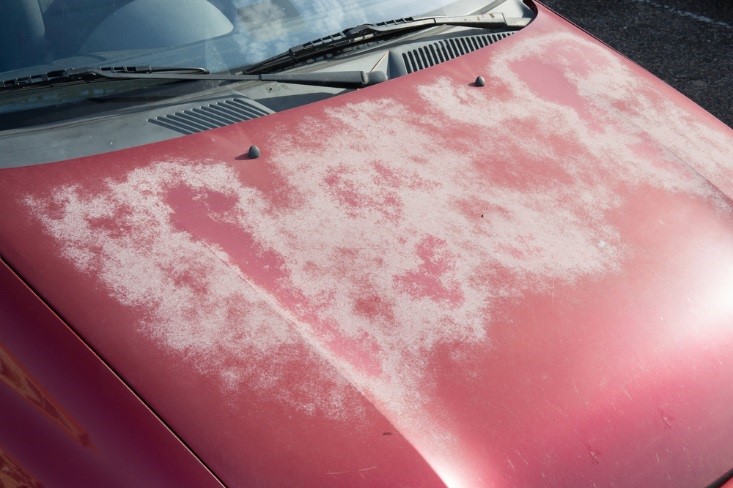
Image Source: media.assets.sincrod.com
Why the Sun is a Threat to Your Car’s Finish
Your car’s paint is its first line of defense against the elements. It’s not just about aesthetics; it’s a protective layer. The sun, however, is a relentless adversary to this layer. The primary culprit is UV rays. These invisible rays carry a lot of energy. When they hit your car’s paint, they can break down the chemical bonds within the paint’s molecular structure.
Deciphering Sun Damage: The Invisible Assault
The sun’s influence on car paint is a multifaceted problem. It’s not a single type of damage, but rather a series of effects that build up over time.
- UV Rays and Their Impact: These high-energy rays penetrate the paint’s surface. They are the main cause of sun fading. Over time, UV radiation breaks down the pigments in the paint, causing colors to appear less vibrant and often shifting them towards lighter or reddish hues. Think of how a brightly colored shirt left out in the sun for too long starts to fade. The same principle applies to your car.
- Paint Oxidation: The Chalky Menace: Oxidation is a chemical reaction where the paint’s surface reacts with oxygen, often accelerated by heat and UV exposure. This process breaks down the binder in the paint, releasing pigment particles. The result is a dull, chalky film on the surface. This chalky layer is essentially the binder breaking down, leaving loose pigment behind.
- Clear Coat Damage: The Protective Shield Fails: Modern car paints have a clear coat as the outermost layer. This layer is designed to protect the base coat (the color) from environmental damage. However, UV rays and heat can degrade the clear coat. This degradation can manifest as:
- Chalking: Similar to oxidation, but specifically within the clear coat.
- Cracking or Hazing: The clear coat can become brittle and crack, or develop a hazy appearance, obscuring the color underneath.
- Delamination: In severe cases, the clear coat can begin to peel away from the base coat.
- Heat Damage: More Than Just Fading: The sun doesn’t just emit UV rays; it also generates heat. High temperatures can exacerbate the damage caused by UV radiation. Heat damage can cause the paint to expand and contract repeatedly. This constant thermal stress can lead to micro-cracks forming within the paint layers, making them more susceptible to deeper damage and allowing moisture to penetrate. Intense heat can also bake contaminants onto the paint surface, making them harder to remove and potentially etching the finish.
The Culprits Behind Sun Damage
While the sun is the primary source, other factors can amplify its effects:
- Intensity of Sunlight: Cars in hotter climates or those parked in direct sunlight for extended periods will experience faster deterioration.
- Paint Type and Quality: Some paint formulations are more resistant to UV damage than others. Older paints or those with lower quality pigments may fade more quickly.
- Environmental Factors: Airborne pollutants, acid rain, and bird droppings can etch into the paint and, when combined with sun exposure, can accelerate degradation.
Recognizing the Signs of Sun Damage
It’s crucial to know what to look for. Early detection can save you from costly repairs.
Visible Indicators of Sun’s Toll
- Loss of Gloss: The paint looks dull and lacks its original shine.
- Fading: Colors appear lighter or shifted. For example, a red car might look pinkish.
- Chalky Residue: Wiping the car’s surface may leave a powdery white or colored residue on your hand or a cloth.
- Surface Imperfections: Small cracks, blisters, or peeling in the clear coat are clear warning signs.
- Swirl Marks: While often caused by improper washing, the heat from the sun can make these imperfections more noticeable by drying out the paint and creating micro-scratches that reflect light differently.
Combating the Sun: Strategies for Sun Fade Prevention
Fortunately, there are effective ways to protect your car’s paint from the sun’s damaging effects. Sun fade prevention is key to maintaining your vehicle’s appearance and value.
Proactive Measures for Paint Preservation
- Strategic Parking: The simplest and most effective method is to avoid prolonged direct sunlight.
- Garages: Parking inside a garage is the ultimate protection.
- Carports: Offer a good alternative to a full garage, blocking direct overhead sun.
- Shady Spots: Whenever possible, park in shaded areas like under trees or in the shadow of buildings. Be mindful of trees that drop sap or attract birds.
- Car Covers: A high-quality, breathable car cover can provide excellent protection when parking outdoors. Look for covers specifically designed for UV protection.
- Regular Washing: Maintaining a clean surface is vital. Car wash frequency should be appropriate for your driving conditions.
- Hand Washing: Using a dedicated car wash soap and microfiber mitts is best.
- Automatic Car Washes: Opt for touchless washes if possible, as brushes can cause micro-scratches.
- Why washing helps: Removing dirt, grime, and contaminants prevents them from baking onto the paint by the sun, which can cause etching.
- Protection Through Waxing and Sealants: This is where ongoing maintenance plays a crucial role.
Waxing Benefits: A Traditional Shield
Regular waxing offers a sacrificial layer of protection.
- UV Blockers: Many car waxes contain UV inhibitors that help absorb or reflect harmful UV rays.
- Hydrophobic Properties: Wax repels water, which carries dirt and contaminants away from the paint surface.
- Enhanced Gloss: Wax fills in microscopic imperfections in the paint, creating a smoother surface that reflects light more evenly, thus enhancing gloss.
- Sacrificial Layer: The wax itself is designed to break down over time, protecting the paint underneath.
- Recommended Frequency: Generally, waxing every 3-6 months is recommended, depending on the quality of the wax and environmental exposure.
Protective Coatings: Advanced Defense
Beyond traditional waxes, modern protective coatings offer longer-lasting and often more robust protection.
- Paint Sealants: These are synthetic products that bond to the paint and offer a more durable protection than traditional waxes.
- Longevity: Sealants typically last longer, often 6-12 months or more, depending on the product and conditions.
- Chemical Resistance: They provide better resistance to environmental contaminants.
- UV Protection: Many sealants incorporate advanced UV protection.
- Ceramic Coatings: These are liquid polymer formulations that create a hard, semi-permanent layer of protection over the clear coat.
- Extreme Durability: Ceramic coatings can last for several years (typically 2-5 years or more) with proper maintenance.
- Superior UV Resistance: They offer excellent protection against UV damage.
- Hydrophobicity: They create a highly water-repellent surface, making washing easier and preventing water spots.
- Chemical Resistance: They are highly resistant to chemical etching from acidic contaminants.
- Professional Application: While DIY kits are available, professional application often yields the best and most durable results.
- Paint Protection Films (PPF): These are clear urethane films applied directly to the paintwork.
- Physical Barrier: PPF provides a physical barrier against scratches, chips, and environmental damage, including UV rays.
- Self-Healing: Many modern PPFs have self-healing properties, meaning minor scratches can disappear with heat.
- Cost: PPF is generally the most expensive option, but it offers the highest level of physical protection.
The Role of Proper Washing and Drying
The way you wash and dry your car significantly impacts its paint health, especially in the context of sun exposure.
Maintaining a Clean Surface
- Pre-Rinse: Always start by rinsing the car thoroughly to remove loose dirt and debris. This prevents these particles from being dragged across the paint during washing, which can cause scratches.
- Two-Bucket Method: Use one bucket for soapy water and another for rinsing your wash mitt. This prevents transferring dirt back onto the paint.
- Microfiber Mitts: These are much gentler on the paint than sponges or brushes.
- Drying Techniques:
- Microfiber Drying Towels: Use large, plush microfiber drying towels. Blot or gently drag the towel across the surface rather than rubbing aggressively.
- Air Blowers: Using a dedicated car dryer or even a leaf blower (clean, of course) can effectively remove water without touching the paint.
- Drying Immediately: Don’t let the car air dry, especially in the sun, as this can lead to water spots, which are mineral deposits left behind that can etch into the paint if left unchecked.
Dealing with Existing Sun Damage
If your car’s paint already shows signs of sun damage, you have options.
Restoring Faded and Oxidized Paint
- Clay Bar Treatment: Before applying any polish or wax, a clay bar treatment can remove bonded contaminants that washing alone cannot. This prepares the surface for polishing.
- Polishing: This is a crucial step for removing oxidation and restoring shine.
- Compounds: For heavy oxidation, a rubbing compound with abrasive particles is used to cut away the damaged clear coat and expose a fresh layer. This should be followed by finer polishes.
- Polishes: Less abrasive than compounds, polishes refine the surface and enhance gloss.
- Machine Polishing: A machine polisher (dual-action or rotary) is more efficient and effective than hand polishing for removing moderate to severe oxidation.
- Protecting the Restored Finish: After polishing, it’s essential to protect the newly revealed paint with a quality wax, sealant, or ceramic coating.
The Impact of Neglect
Neglecting your car’s paint protection, especially in sunny environments, can have long-term consequences:
- Reduced Resale Value: A car with a faded, damaged paint job will be worth significantly less than one with a well-maintained finish.
- Costly Repairs: If the damage penetrates the clear coat and reaches the base coat or primer, it can lead to rust and require expensive repainting.
- Permanent Damage: Severe UV damage, particularly to the clear coat, can become permanent and difficult, if not impossible, to fully restore without repainting.
Table: Protection Methods and Their Effectiveness Against Sun Damage
| Protection Method | Primary Benefit(s) | Durability | UV Protection Level | Ease of Application |
|---|---|---|---|---|
| Parking in Shade | Prevents direct UV and heat exposure | N/A | Excellent | Very Easy |
| Car Cover | Physical barrier, blocks UV and heat | Varies by cover | Good to Excellent | Easy |
| Regular Waxing | Adds gloss, minor UV protection, sacrificial layer | 3-6 Months | Fair to Good | Easy |
| Paint Sealant | Durable protection, good UV resistance, chemical barrier | 6-12+ Months | Good to Very Good | Moderate |
| Ceramic Coating | Hard, durable layer, excellent UV & chemical resistance | 2-5+ Years | Excellent | Moderate to Hard |
| Paint Protection Film (PPF) | Physical barrier, scratch resistance, UV protection | 5-10+ Years | Excellent | Hard (Professional) |
Frequently Asked Questions (FAQ)
Q1: Can sunlight cause my car’s paint to peel?
A1: Yes, prolonged exposure to UV rays and heat damage can degrade the clear coat to the point where it begins to peel or delaminate from the base coat. This is a sign of severe clear coat damage.
Q2: How often should I wash my car to prevent sun damage?
A2: Car wash frequency depends on your environment, but washing at least every two weeks is a good general guideline. More frequent washing is recommended if your car is exposed to harsh elements like salt, industrial fallout, or bird droppings, as these can be baked onto the paint by the sun.
Q3: Is waxing my car really necessary if I park it indoors?
A3: Yes, even if parked indoors, cars can be exposed to sunlight during drives or if the garage door is open. Waxing benefits go beyond just UV protection; they also add gloss and protect against minor environmental contaminants.
Q4: Will a ceramic coating prevent all sun damage?
A4: While ceramic coatings offer excellent protection, including against UV rays and paint oxidation, no coating is completely impervious to damage. However, they significantly slow down the degradation process and make your paint much more resilient.
Q5: I see a chalky residue on my car. What is that, and how do I fix it?
A5: The chalky residue is usually a sign of paint oxidation, where the binder in the paint is breaking down due to UV exposure and heat. To fix it, you’ll typically need to wash the car, perform a clay bar treatment if necessary, and then use a polishing compound to remove the oxidized layer. Finally, apply a sealant or wax to protect the newly exposed paint.
Q6: Can I use household cleaners on my car’s paint?
A6: It is strongly advised against using household cleaners on your car’s paint. Many contain harsh chemicals or abrasives that can strip away protective layers, damage the clear coat, and even cause etching, making it more susceptible to sun fading. Always use products specifically designed for automotive paint.
Q7: My car’s paint is already faded. Can it be restored?
A7: In many cases, yes. Fading is often due to oxidation of the clear coat. Using a quality paint polish or compound can often remove the oxidized layer and reveal the vibrant color underneath. This restored finish will then need protection, such as a paint sealant or wax, to maintain its appearance.
Q8: Are darker colored cars more prone to sun damage?
A8: Darker colored cars tend to absorb more heat and UV radiation than lighter colored cars. This means they can experience heat damage and sun fading more rapidly if not properly protected. However, the damage from UV rays themselves affects all colors.
By consistently applying these protective measures and being mindful of your car’s environment, you can significantly mitigate the damaging effects of the sun and keep your car looking its best for years to come.