Yes, you can wash your car after window tinting, but you must wait for a specific period and follow a particular procedure to ensure the tint adheres properly and remains in pristine condition. Improper washing can cause lifting, bubbling, or damage to the delicate tint film. This guide will walk you through the essential steps for washing car after window tint safely, focusing on tint aftercare and window tinting maintenance.
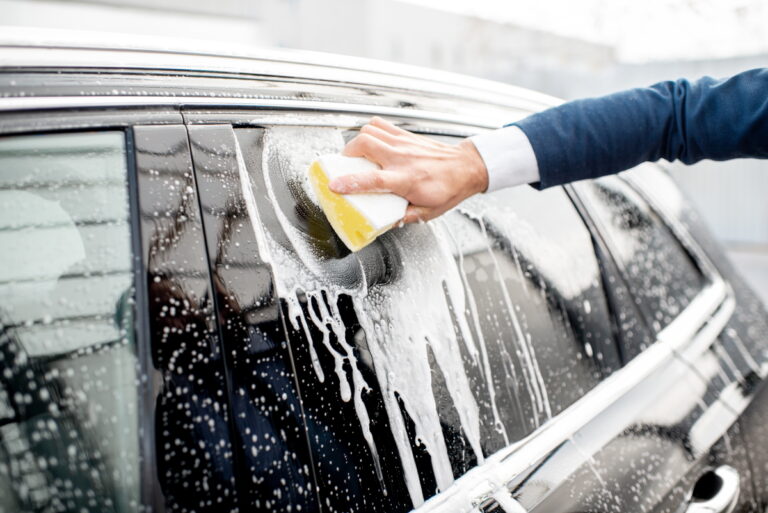
Image Source: qualityautoglasstint.com
When Can You Wash Your Car After Tinting?
The most crucial aspect of washing vehicle after tinting is patience. Tint manufacturers and installers universally recommend a waiting period before the first car wash. This period is vital for the adhesive to fully cure and bond with the glass.
Recommended Waiting Periods:
- General Recommendation: Most professionals advise waiting at least 3 to 5 days after tint installation before washing your car.
- Extreme Conditions: If you live in a very humid or cold climate, this curing period might need to be extended. The adhesive relies on specific environmental conditions to dry and bond correctly.
- Manufacturer Guidelines: Always check the specific instructions provided by your tint installer or the tint manufacturer. They may have unique recommendations based on the type of film used.
Why is this waiting period so important? During the initial curing phase, microscopic water droplets trapped between the tint film and the glass are still evaporating. Exposing the tint to high-pressure water or vigorous scrubbing can disrupt this process, leading to:
- Bubbles: Water being forced back under the film.
- Peeling: The edges of the tint lifting from the glass.
- Scratches: Undried adhesive can attract and hold dirt, which can then scratch the film during washing.
The Importance of Tint-Safe Washing
Once the waiting period has passed, you can resume washing your car, but with a specific approach to cleaning window tint. The goal is to maintain the clarity and longevity of your window tint without causing any damage. This means adopting a tint safe wash routine.
Key Principles of Tint-Safe Washing:
- Gentle Approach: Always use a soft touch. Avoid abrasive materials or excessive pressure.
- Appropriate Cleaning Solutions: Stick to pH-neutral soaps or specialized automotive glass cleaners.
- Avoid High Pressure: Never use a high-pressure washer directly on the edges of the tinted windows.
Step-by-Step Guide to Washing Tinted Windows
Following these steps will help you achieve a sparkling clean finish while protecting your investment in window tinting maintenance.
Step 1: Gather Your Supplies
Having the right tools is essential for effective post tinting car care.
Essential Supplies:
- Two Buckets: One for soapy water, one for rinsing your wash mitt. This prevents dirt from being reapplied to the windows.
- pH-Neutral Car Wash Soap: Avoid harsh detergents or degreasers.
- Soft Microfiber Wash Mitt: A plush, high-quality mitt is best.
- Clean Microfiber Towels: Several are needed for drying and buffing.
- Automotive Glass Cleaner (Ammonia-Free): Crucial for streak-free results. Ammonia can damage tint.
- Squeegee (Optional, Use with Caution): If you choose to use a squeegee, ensure it has a soft, clean rubber blade.
- Soft Boar’s Hair Brush (Optional): For intricate areas around window seals.
Step 2: Prepare the Washing Area
Choose a shaded spot for washing. Direct sunlight can cause soap and water to dry too quickly, leaving streaks.
Step 3: Initial Rinse
Begin by rinsing the windows with a gentle stream of water to remove loose dirt and debris. This is a good opportunity to check for any early signs of tint issues.
Step 4: Washing the Tinted Windows
This is where the tint safe wash really comes into play.
Gentle Washing Technique:
- Dip and Wash: Dip your microfiber wash mitt into the bucket of soapy water.
- Gentle Strokes: Wash the tinted windows using light, overlapping strokes. Work from top to bottom.
- Rinse the Mitt: After each section or if the mitt picks up dirt, rinse it thoroughly in the second bucket before re-dipping it into the soap. This is the two-bucket method and is critical for preventing scratches.
- Focus on Edges: Be extra gentle around the edges of the tint where it meets the rubber seals. Avoid pushing water into these areas.
Step 5: Rinsing the Windows
Thoroughly rinse the windows with clean water. Ensure no soap residue remains.
Step 6: Drying the Tinted Windows
Proper drying is key to a streak-free finish.
Effective Drying Methods:
- Microfiber Towels: Gently pat the windows dry with a clean, plush microfiber towel. Avoid rubbing vigorously. Switch to a dry towel as the first one becomes saturated.
- Squeegee (with extreme care): If you opt for a squeegee, ensure the blade is clean and the rubber is soft. Start from the top and work your way down in overlapping strokes. Wipe the squeegee blade clean with a microfiber towel after each pass. Never let the squeegee drag over any dry or gritty spots.
Step 7: Cleaning Interior Tinted Windows
The interior windows require a similar delicate approach.
Interior Cleaning Tips:
- Ammonia-Free Cleaner: Spray an ammonia-free glass cleaner onto a clean microfiber towel, not directly onto the glass. This prevents overspray from hitting other interior surfaces.
- Gentle Wiping: Wipe the interior tint gently in a consistent pattern (e.g., side-to-side or up-and-down).
- Buffing: Use a second dry microfiber towel to buff away any remaining streaks.
- Reaching Difficult Spots: For areas near the dashboard or door panels, consider using a dedicated window cleaning tool with a pivoting head to avoid contact with sensitive materials.
What to Avoid When Washing Tinted Windows
Understanding what not to do is as important as knowing what to do when it comes to detailing after tint.
Items and Practices to Avoid:
- High-Pressure Washers: Direct, high-pressure sprays can force water under the tint film, causing lifting and bubbling, especially at the edges.
- Ammonia-Based Cleaners: Ammonia is a harsh chemical that can break down the adhesive and damage the tint film, leading to discoloration or cloudiness.
- Abrasive Materials: Avoid paper towels, rough cloths, scouring pads, or brushes with stiff bristles, as they can easily scratch the tint.
- Scraping or Picking: Never attempt to scrape off any dirt or residue with your fingernails or sharp objects. This will undoubtedly scratch or tear the tint.
- Excessive Scrubbing: Vigorous rubbing can stretch or damage the tint film.
- Leaving Soapy Water to Dry: Always rinse and dry promptly to prevent water spots and streaks.
- Washing Too Soon: Reiterate the importance of the waiting period. Washing too early is a common mistake that leads to tint failure.
Long-Term Window Tint Maintenance
Consistent tint aftercare ensures your window tint looks great and performs effectively for years to come.
Ongoing Care Recommendations:
- Regular Cleaning: Clean your tinted windows as needed, using the tint safe wash methods described above.
- Immediate Spill Cleanup: If you spill coffee, soda, or any other liquid on your windows, clean it up immediately with a damp microfiber cloth. Sticky residues can be difficult to remove later and may attract dirt.
- Professional Inspection: Periodically have your tint inspected by a professional, especially if you notice any unusual clouding, peeling, or bubbling.
- Protecting Interior Surfaces: When cleaning the interior, be mindful of not spraying cleaners directly onto the tint or surrounding materials. Always spray onto your cloth first.
Choosing the Right Cleaning Products for Tinted Windows
The selection of cleaning agents significantly impacts the health of your window tint.
Recommended Cleaning Product Categories:
- pH-Neutral Car Wash Soaps: These are formulated to lift dirt without stripping waxes or damaging delicate surfaces like window tint. Brands like Meguiar’s, Chemical Guys, and Adam’s Polishes offer excellent pH-neutral options.
- Ammonia-Free Glass Cleaners: These are specifically designed for automotive glass and are safe for tinted windows. Look for products explicitly stating they are “tint safe” or “ammonia-free.” Examples include Invisible Glass, Stoner Car Care, and various proprietary blends from tint manufacturers.
- Microfiber Towels and Mitts: Invest in high-quality microfiber products. They are non-abrasive, highly absorbent, and effective at trapping dirt. Opt for plush weaves for washing and waffle-weave or twisted-loop microfiber for drying and buffing.
What to Look For on Product Labels:
- “Ammonia-Free”
- “Tint Safe”
- “pH-Neutral”
- “Non-Abrasive”
Troubleshooting Common Issues with Tinted Windows
Even with the best care, minor issues can sometimes arise. Here’s how to address them.
Common Tint Issues and Solutions:
| Issue | Cause | Solution |
|---|---|---|
| Slight Haze/Cloudiness | Often temporary, especially in the first few weeks after tinting. This is due to trapped moisture evaporating. | Do not panic. Continue to allow the windows to cure. Avoid aggressive cleaning. If it persists after the recommended curing period, contact your installer. |
| Small Bubbles | Can occur during installation or due to moisture trapping. | Small, isolated bubbles that appear within the first few days might dissipate as the moisture evaporates. If bubbles persist or are significant, do not attempt to pop them yourself, as this can cause further damage. Contact your installer for evaluation. |
| Edge Lifting | Improper installation, excessive heat, or aggressive washing. | If minor lifting is noticed, try gently pressing it down with a clean microfiber cloth after ensuring the area is clean and dry. Avoid using any adhesive or glue. For significant lifting, professional repair or reapplication may be necessary. |
| Scratches | Using abrasive materials or dirt during washing. | Minor surface scratches are difficult to remove from tint film. Deep scratches may require professional attention or reapplication of the tint. Always use soft materials for cleaning and drying. |
| Streaks | Improper drying, dirty cleaning tools, or using wrong cleaners. | Ensure you are using an ammonia-free cleaner and clean microfiber towels for drying. Use the two-bucket method to keep your wash mitt clean. Wipe your squeegee blade after every pass if you use one. |
Frequently Asked Questions About Washing Tinted Cars
Q1: Can I use a power washer on my tinted windows?
A1: It is strongly advised against using a power washer directly on tinted windows, especially at close range or with high pressure. The force of the water can dislodge the tint, particularly around the edges, leading to bubbling or peeling. If you must use one for the rest of the car, keep a significant distance and avoid directing the spray at the tinted glass.
Q2: What if I accidentally used an ammonia-based cleaner on my tint?
A2: If you’ve recently used an ammonia-based cleaner and notice any hazing, discoloration, or damage, you should stop immediately. The ammonia may have begun to break down the adhesive or the tint film itself. You can try cleaning the window with an ammonia-free glass cleaner and a microfiber towel. If the damage is already done, you may need to have the tint professionally replaced.
Q3: How often should I wash my car after tinting?
A3: There’s no set schedule for washing your car after tinting. It depends on environmental factors like dust, pollen, and weather. The important thing is that whenever you wash it, you follow the tint safe wash procedures. Regular light cleaning is better than infrequent heavy scrubbing.
Q4: Can I use a squeegee to dry my tinted windows?
A4: You can use a squeegee, but with extreme caution. Ensure the squeegee blade is soft, clean, and free of debris. Always wipe the blade clean with a microfiber towel between passes. Never let the squeegee drag over a dry or gritty surface, as this can cause scratches. Many professionals prefer using multiple clean microfiber towels for drying to minimize the risk of damage.
Q5: My tint installer gave me specific cleaning instructions. Should I follow them?
A5: Absolutely! Your tint installer is the best source for specific tint aftercare advice related to the particular film they used. Their instructions will be tailored to the product and their installation methods, so always prioritize their guidance over general advice.
By adhering to these guidelines for post tinting car care, you can confidently clean your vehicle while preserving the aesthetic appeal and functionality of your window tint. Remember, patience and gentleness are your best allies when washing car after window tint safely.