? The direct answer is yes, you can wash your car, but you absolutely must wait a specific amount of time before washing the windows themselves or using harsh methods around them. Washing your car too soon after tint can damage the fresh film. You need to let the tint properly stick to the glass first. This takes time.
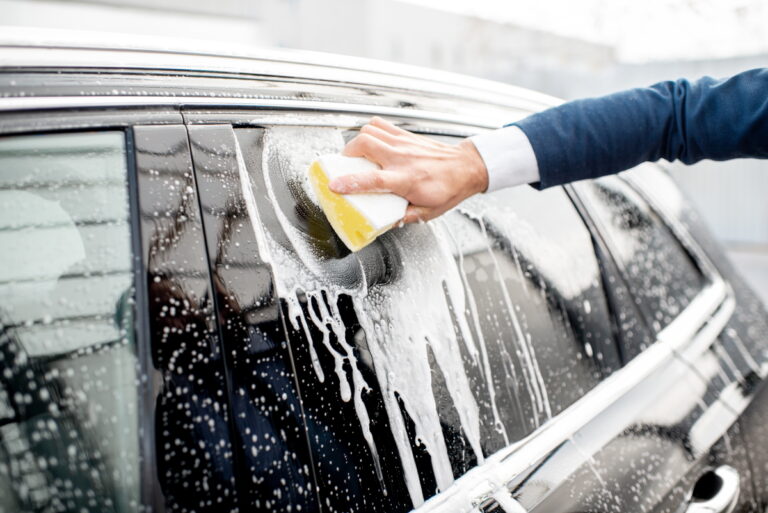
Image Source: qualityautoglasstint.com
Grasping the Waiting Period
Getting your car windows tinted is a great way to make your car look better and feel more comfortable inside. The tint film is a thin layer put on the inside of the glass. It helps block sun rays, heat, and glare. It also gives you more privacy.
When the tint is put on, the installer uses a special glue, also called an adhesive, and some water. The water helps them move the film into the right place and smooth it out. After the film is on the glass, this water is squeezed out from under the film. But some water always stays trapped between the film and the glass.
This trapped water needs time to dry out. This drying process is called curing. The glue also needs time to fully stick to the glass. Both drying and sticking must happen well for the tint to look good and last a long time. If you wash the windows or mess with the edges before the tint is cured, you can cause big problems.
You might see small water bubbles or streaks right after the tint is put on. This is normal. It means water is still under the film. These bubbles should go away as the tint dries. How fast they go away depends on how warm and sunny it is. Warm, sunny weather helps the water dry faster. Cold or cloudy weather makes it take longer.
How Long to Wait to Wash Car After Tint
Knowing how long to wait to wash car after tint is super important. Most tint installers will tell you to wait. The most common waiting time is 3 to 5 days. Some installers might say wait a full week. This waiting period lets the tint film stick correctly to the glass. It lets the leftover water dry out from under the film.
Why is this wait needed? Think of it like paint drying. If you touch wet paint, you mess it up. Tint is similar. The glue is still soft and not fully stuck during the first few days. The film is still a bit loose because of the water under it. If you wash the windows, especially the edges, you can push water back under the film. You can also make the film lift up or peel.
The exact waiting time can change based on a few things:
- Type of Tint Film: Different films have different glues. Some might cure faster or slower.
- Weather: Warm, sunny weather helps tint cure faster. Cold, damp weather slows it down. If it’s hot and sunny, 3 days might be enough. If it’s cold and wet, you might need to wait 7 days or even more.
- How Much Water Was Used: Installers try to squeeze out as much water as they can. But some might use a little more or less water depending on the job. More water means a longer drying time.
- Installer Skill: A good installer will get most of the water out. This helps the tint cure better and faster.
To be safe, many people wait a full week (7 days) before washing the tinted windows. This gives the film plenty of time to cure. It is always best to ask your tint installer how long you should wait. They know the film they used and the conditions when they put it on. They can give you the best advice.
Waiting is key. It prevents many problems down the road. Problems like:
- Bubbles that do not go away.
- The film peeling up, especially at the edges.
- The film changing color or getting cloudy.
So, to answer how long to wait to wash car after tint, plan for at least 3 to 5 days, but aiming for 7 days is safer. Always check with your installer.
Safe Time to Wash Car After Tint
Now you know you need to wait. Let’s talk about the safe time to wash car after tint. Once the waiting period is over, usually after 5 to 7 days, you can wash your car. This includes washing the windows with tint on them.
However, just because you can wash the car does not mean you can wash it any way you want. You need to be gentle, especially with the windows. The tint film is tough once it is fully cured, but it is not unbreakable. Rough cleaning can scratch it or lift the edges.
Think about washing your car in two parts: the painted body and the tinted windows.
Washing the Car Body:
You can wash the rest of your car – the paint, wheels, tires – pretty much any time after tinting. Water and soap on the body panels won’t hurt the tint on the windows, as long as you don’t spray directly at the window edges with high pressure during the first week. When rinsing the body, try not to let tons of soapy water run right onto the windows if they are still curing. Just be mindful. After the curing time is up, washing the car body is no problem.
Washing the Tinted Windows:
This is where you need to be careful. The safe time to wash tinted windows is after the full curing period recommended by your installer, typically 5 to 7 days. When you do wash the windows:
- Use soft cleaning tools.
- Use safe cleaning products for tint.
- Be gentle around the edges of the film.
We will talk more about the best way to wash tinted windows later. The main point here is that the “safe time” starts after the initial cure period is complete.
Washing Exterior After Window Tint
Okay, let’s talk about Washing exterior after window tint specifically. This means cleaning the paint, wheels, and the outside of the windows.
During the first 3 to 7 days after getting your windows tinted, be careful when Washing exterior after window tint.
- Body: You can wash the car body. Use your normal car wash soap and wash mitt. Rinse it off like usual.
- Windows (Outside): You can gently wash the outside of the windows. Use a soft cloth or sponge. Don’t use anything rough or scratchy. Plain water is fine. If you use soap, make sure it’s a mild car wash soap. Rinse gently. Avoid spraying water directly at the edges where the tint film ends on the inside glass. High pressure here, even from a garden hose, could lift the edge.
After the tint is fully cured (after the recommended waiting period, usually 5-7 days):
- You can wash the entire exterior of your car, including the outside of the tinted windows, as you normally would, with a few key points.
- Use a soft wash mitt or sponge on the painted surfaces.
- Use a separate, very clean and soft cloth or sponge just for the windows. Dirt from the paint could scratch the tint film if you use the same mitt.
- Rinse well.
- Dry the car using a clean, soft microfiber drying towel. Use a separate, clean microfiber towel to dry the windows. This avoids scratching and leaves them streak-free.
When washing the exterior, pay attention to the edges of the window glass, especially if they are frameless doors. Water can get in the edges easily here. While cured tint is tough, hitting the edges with high pressure water is still not a good idea. We will cover this more when we talk about pressure washing.
Remember, the film is on the inside of the window. So, Washing exterior after window tint is generally safer than Washing interior after window tint, but you still need to be mindful of water getting between the glass and the door panel near the edges during the curing phase.
Washing Interior After Window Tint
This is where most people worry. Washing interior after window tint is different because the tint film is on the inside of the glass. You need to be much more careful on the inside.
During the first 3 to 7 days after tinting, you should not wash the inside of your tinted windows at all. Do not touch them. Do not wipe them. Just leave them alone. Let them cure fully.
After the curing period is over (usually 5-7 days or more, check with your installer), you can wash the inside of your tinted windows. But you must do it correctly to avoid damaging the film.
Here are the steps for Washing interior after window tint safely:
- Wait for Full Cure: Make sure the tint is completely cured. No more bubbles (except perhaps tiny, tiny ones at the very edge that might take longer) and the film should look smooth and fully stuck.
- Use the Right Cleaner: Never use cleaners that have ammonia on tinted windows. Ammonia can break down the tint adhesive and even damage the film itself over time, making it bubble, peel, or turn purple. Use a window cleaner specifically made for tinted windows, or a mild, ammonia-free cleaner. Many glass cleaners are ammonia-free, but always check the label. Plain water with a tiny bit of mild, non-detergent soap (like baby shampoo, but very little) can also work, but a dedicated tint-safe cleaner is best. Safe car wash products for tint often include tint-safe glass cleaners.
- Use Soft Cloths: Use clean, very soft microfiber cloths to clean the inside of the windows. Have two cloths: one damp with cleaner, and one dry to wipe it off. Paper towels are a bad idea. They can be rough and scratch the film. They also leave lint.
- Spray the Cloth, Not the Window: Do not spray the cleaner directly onto the tinted window. Spray it onto your microfiber cloth instead. This stops the cleaner from running down into the window seals or getting behind the film at the edges.
- Wipe Gently: Gently wipe the window with the damp cloth. Do not press hard. Use light pressure.
- Wipe Dry: Immediately use your second dry microfiber cloth to gently wipe the window dry. This prevents streaks and water spots.
- Be Careful Near Edges: Use extra care near the edges of the film. Don’t scrub or pick at the edges. If the edge looks loose, do not touch it and go back to your installer.
Washing interior after window tint requires patience and the right tools and products. Doing it wrong can ruin your tint.
Pressure Washing Car After Tint
Using a pressure washer on your car after getting windows tinted is risky. Pressure washing uses a strong stream of water. This high pressure can cause big problems for window tint, especially near the edges of the film.
When you pressure wash, the water can easily get under the edges of the tint film. Even if the tint is fully cured, the force of the water can lift the film away from the glass. Once an edge lifts, dirt and water can get under the film, making it peel more and look terrible. It’s like getting under a sticker – once you start peeling, it’s hard to stop.
Here’s why Pressure washing car after tint is generally a bad idea:
- Lifting Edges: The strong spray is powerful enough to force its way under the thin edge of the tint film. This is the most common damage from pressure washing.
- Bubbling: High pressure can sometimes force water under the film in other areas, creating bubbles that weren’t there before or making existing ones worse.
- Film Damage: While less common with cured tint, extreme pressure or holding the spray too close could potentially damage the film itself.
So, while you might be able to pressure wash the body of your car, you must be extremely careful or avoid the windows completely. It is much safer to avoid pressure washing the car until well after the tint is fully cured (maybe a few weeks, just to be extra safe). Even then, you should keep the pressure setting low and the spray nozzle far away from the windows and their edges.
Many car wash experts and tint installers recommend avoiding pressure washing around tinted windows altogether, or at least being extremely cautious. A standard garden hose with a spray nozzle is much less risky than a pressure washer.
If you absolutely must use a pressure washer for the rest of the car, tape off the windows or cover them carefully. But remember, water spray can bounce and get places you don’t expect. It’s often easier and safer just to use a regular hose and bucket wash method.
Automatic Car Wash After Tint
Taking your car through an automatic car wash after getting windows tinted is also risky, especially during the curing period and even after. There are different kinds of automatic car washes.
- Brush Washes (Soft Cloth Washes): These use large brushes or cloth strips that spin and rub against your car.
- Touchless Washes: These use high-pressure water jets and strong chemicals to clean the car without brushes touching it.
Let’s look at why Automatic car wash after tint can be a problem:
- Brush Washes:
- The brushes or cloth strips slap and rub against the windows with a lot of force.
- This rubbing can scratch the tint film over time. Tint film has a protective layer, but it’s not scratch-proof against rough or dirty brushes used over and over.
- The force of the brushes can also catch on the edges of the film and start to lift or peel it, especially on frameless windows or if the edges aren uneven.
- Touchless Washes:
- These use very high-pressure water jets. As we discussed with pressure washing, high-pressure water is bad for tint edges. The jets can force water under the film, causing it to lift or bubble.
- Touchless washes also often use strong chemicals. Some of these chemicals, like certain degreasers or drying agents, might contain ingredients that could be harmful to the tint film or its adhesive over time.
During the critical curing period (the first 3-7 days), taking your car through any automatic car wash is a definite no-go. The risk of damage from water pressure or rubbing is very high when the tint is still soft and the adhesive is not fully set.
Even after the tint is fully cured, many tint professionals advise against using automatic car washes regularly. The repeated rubbing in brush washes and the high pressure in touchless washes can shorten the life of the tint, causing it to look bad sooner than it should.
The safest way to wash your car after tinting is by hand. This lets you control the tools, products, and pressure used on the windows.
Can You Wash Tinted Windows?
Yes, absolutely, you can wash tinted windows. Tinted windows are not like special museum pieces you can never touch. They get dirty just like any other window on a car. Dust, fingerprints, and smudges will appear. You will need to clean them.
The key is how and when you wash them.
- When: Wait for the initial curing period to be over (minimum 3-5 days, preferably 7 days or more).
- How: Use the right cleaning method and products.
Washing exterior after window tint is usually done the same way you wash the rest of your car’s exterior, just being mindful of the window edges and using clean, soft tools on the glass itself.
Washing interior after window tint requires more specific care because the film is on that side. This means:
- Using only ammonia-free cleaners.
- Using soft microfiber cloths.
- Wiping gently.
- Not spraying directly onto the glass.
- Being careful at the edges.
So, Can you wash tinted windows? Yes, you can and should clean them to keep them clear and looking good. Just follow the rules about waiting time and cleaning methods. Ignoring these rules is the fastest way to ruin your tint job.
Washing Car Too Soon After Tint
We’ve touched on this already, but let’s really focus on the problems that happen when Washing car too soon after tint. This typically means washing the tinted windows or exposing them to harsh cleaning methods or lots of water within the first 3 to 7 days.
What happens if you wash your tinted windows too soon?
- Adhesive Failure / Peeling: The glue is still setting during the first week. Water getting under the edges or film being disturbed by wiping can stop the glue from sticking properly. This often causes the edges to lift or the film to peel away from the glass. Once an edge lifts, it’s very hard to get it to stick back down smoothly.
- Bubbling: While small water bubbles are normal right after tinting, washing too soon can push more water under the film or prevent the trapped water from drying out correctly. This can lead to larger bubbles or bubbles that never disappear. Wiping aggressively can also push water to the edges and create pockets.
- Mottling or Cloudiness: If the curing process is stopped or messed up by water getting under the film, the tint might not cure evenly. This can cause cloudy spots, streaks, or a mottled appearance that looks bad and doesn’t go away. The film might not stick perfectly everywhere.
- Scratching: The film is softer and more easily scratched before it is fully cured. Wiping it too hard or with a not-so-clean cloth can put scratches on it that you won’t be able to remove.
Think of Washing car too soon after tint as stopping the tint from doing its job. The glue needs time to bond with the glass, and the water needs to evaporate. Any interference during this critical time can mess up the final result. The tint might not look smooth, it might not stick well, and you could end up needing to pay to have it removed and redone.
The best advice is to be patient. Let the tint cure properly. Avoid washing the tinted windows at all during the first week. Avoid heavy water exposure or rubbing on the window edges when Washing exterior after window tint during this time too. It’s a short wait for a tint job that will last and look great for years.
Best Way to Wash Car After Tint
Once the waiting period is over and your tint is fully cured, what is the Best way to wash car after tint? The best method is a careful hand wash. This gives you control over the process and is the safest for your tint.
Here is a step-by-step guide for the Best way to wash car after tint, focusing on the windows:
- Gather Supplies:
- Two buckets (one for soapy water, one for clean rinse water)
- Mild, pH-neutral car wash soap
- A clean, soft wash mitt for the car body
- A separate, very clean, soft sponge or wash mitt just for the windows
- An ammonia-free glass cleaner or tint-safe cleaner
- Several clean, soft microfiber cloths (at least 3-4: one for cleaner, one for drying windows, one or two for drying body)
- A garden hose with a standard nozzle (no high pressure)
- Wash the Car Body First:
- Rinse the car body with water from the hose to remove loose dirt.
- Wash the body panels using your car wash soap and body wash mitt, starting from the top and working down.
- Rinse the body panels thoroughly with clean water.
- Avoid spraying high pressure water directly at the window edges, even during the body wash.
- Wash the Exterior of the Windows:
- Dip your dedicated window sponge/mitt into the clean rinse water bucket.
- Apply a little car wash soap to the sponge/mitt (or use the leftover soap from the body wash bucket, making sure it’s clean).
- Gently wash the outside of the windows.
- Rinse the outside of the windows gently with the hose.
- Wash the Interior of the Windows (Tinted Side):
- This step is crucial for the Best way to wash car after tint.
- Get your tint-safe glass cleaner and microfiber cloths ready.
- Spray the glass cleaner onto one microfiber cloth until it is damp, not soaking wet.
- Starting with one window, gently wipe the inside surface with the damp cloth. Use light, even strokes. Do not scrub hard.
- Immediately use a second clean, dry microfiber cloth to wipe the window completely dry. Use gentle strokes. This prevents streaks.
- Repeat for all tinted windows.
- Use a third clean, dry microfiber cloth if needed for final buffing to remove any streaks.
- Dry the Car:
- Dry the rest of the car body using a large, clean microfiber drying towel.
- Use a separate, clean microfiber towel just for drying the windows (inside and outside) to prevent scratching.
This hand wash method gives you control and is the safest way to clean your car and its tinted windows after the curing period.
Safe Car Wash Products for Tint
Using the right products is key to keeping your tint looking good. Not all cleaning products are Safe car wash products for tint.
The main thing to avoid is ammonia. Ammonia is often found in household glass cleaners (like Windex, depending on the formula, always check the label). Ammonia can break down the adhesive that sticks the tint to the glass. Over time, this causes the tint to bubble, peel, and sometimes turn a purple color.
So, when choosing Safe car wash products for tint, especially for the inside of the windows:
- Window Cleaner: Look for glass cleaners that specifically say “ammonia-free.” Many automotive glass cleaners are formulated to be ammonia-free and are safe for tint. Some window cleaning products are even marketed as “tint-safe.” These are your best bet.
- Car Wash Soap: Most regular car wash soaps used for the car’s exterior are fine. They don’t usually contain ammonia and are rinsed off quickly. Just make sure it’s a mild, pH-neutral soap.
- Interior Cleaners: If you are cleaning window frames or door panels near the tint, be careful that the cleaner doesn’t get onto the tint film. If it does, make sure it is tint-safe or wipe it off immediately.
- Cloth Materials: Always use soft, clean microfiber cloths for cleaning and drying tinted windows. Avoid paper towels, rough rags, or anything that could scratch the film.
Here’s a quick list of what to use and what to avoid:
| Use (Safe) | Avoid (Unsafe for Tint) |
|---|---|
| Ammonia-free glass cleaner | Glass cleaner with ammonia |
| Tint-safe glass cleaner | Harsh chemicals |
| Mild, pH-neutral car wash soap | Cleaners with harsh solvents |
| Clean microfiber cloths | Paper towels |
| Soft sponges or wash mitts | Rough rags or scrub brushes |
| Plain water |
By choosing Safe car wash products for tint and using soft cleaning tools, you can keep your tinted windows clean without damaging the film.
Interpreting the Risks: Washing Too Soon
Let’s look deeper into Interpreting the Risks that come with washing your car, especially the tinted windows, too early. It’s not just about minor flaws; you can permanently ruin the tint job.
Imagine the tint film is like a large sticker you’re putting on glass. The installer applies it wet and squeezes the water out. The glue then needs to bond to the glass as the last bit of water dries. This bonding is like glue setting. If you disturb it while it’s setting, it won’t bond properly.
Specific Risks Detailed:
- Edge Lifting: This is the most common problem from washing too soon, especially from high pressure water or rubbing the edges. The edges are the weakest points while curing. Once an edge lifts, water and dirt get under it, making it lift more. This looks bad and can’t usually be fixed without replacing the whole piece of tint.
- Permanent Bubbles: Small bubbles are normal right after tinting. They usually go away as the water dries. If you wash too soon, especially with soap or cleaner that gets under the film, it can trap the water or stop it from evaporating. This leaves you with bubbles that will never go away.
- Creases or Wrinkles: If the film is still soft and loose because of water underneath, wiping it too hard or in the wrong way can cause creases or wrinkles in the film itself. These are permanent.
- Adhesive Hazing or Clouding: The glue needs to dry clear. If water or cleaning chemicals get trapped with the glue before it’s fully set, it can dry cloudy or hazy in spots, making the tint look dirty or opaque instead of clear.
- Warranty Issues: If you damage your tint by not following the installer’s curing instructions (which includes waiting to wash), your warranty might be void. You would have to pay to have the damaged tint removed and new tint installed.
Interpreting the Risks clearly shows that patience is necessary. Waiting just a few days is a small sacrifice to protect an investment that should last for many years. Don’t risk ruining a good tint job to have a perfectly clean car a few days earlier.
Fathoming Long-Term Tint Care
Washing your car properly after the initial cure time is part of long-term tint care. But there are other things you can do to make sure your tint lasts as long as possible and looks its best. Fathoming Long-Term Tint Care means being mindful of your tinted windows in different situations.
Here are some tips for Fathoming Long-Term Tint Care:
- Use the Right Cleaners (Always!): Stick to ammonia-free, tint-safe cleaners for the inside windows, every time you clean them. Don’t get lazy and use household cleaners.
- Use Soft Cloths (Always!): Only use clean microfiber cloths on the inside of the tinted windows. Wash your microfiber cloths regularly without fabric softener (fabric softener can leave a residue that streaks or harms the tint).
- Be Gentle: You don’t need to scrub tinted windows hard. A gentle wipe is usually enough to clean off dust and fingerprints.
- Avoid Sharp Objects: Be careful with seat belts, rings, or anything else that could scratch the inside of the windows. Seat belt buckles are a common cause of scratches if they hit the glass when released.
- Window Defroster Use: Using your rear window defroster is generally fine with most modern tints once the tint is fully cured. However, be careful not to pick at the edges of the tint around the defroster lines. If you need to remove something stuck to the rear window (like a sticker), be extremely careful not to damage the tint or defroster lines.
- Parking in the Sun: While tint helps block UV rays and heat, constant, intense sun exposure over many years can still eventually affect the film. Parking in a garage, carport, or shade when possible can help extend the life and color of the tint.
- Check the Edges: Every so often, quickly look at the edges of your tint, especially on roll-down windows. Make sure they are still sticking well. If you see an edge lifting, it’s best to go back to your installer as soon as possible. Sometimes they can fix a small lift if caught early.
By following these steps, you’re practicing good Fathoming Long-Term Tint Care. This will help protect your investment and keep your car looking great with clear, functional window tint for years.
Summarizing the Steps for Washing After Tint
Let’s put it all together in simple steps for washing your car after getting windows tinted.
Step 1: Wait! (The Most Important Step)
- Do not wash the tinted windows for at least 3-7 days (check with your installer).
- Be careful when Washing exterior after window tint during this time. Avoid high-pressure water near window edges.
Step 2: Prepare for the Wash (After the Waiting Period)
- Get your supplies: two buckets, mild car soap, soft wash mitt for body, soft sponge/mitt for windows, tint-safe glass cleaner, clean microfiber cloths.
- Choose a cool, shady spot to wash the car.
Step 3: Wash the Car Body
- Rinse the car body.
- Wash the body panels with soap and your body wash mitt.
- Rinse the body panels.
Step 4: Wash the Exterior of the Windows
- Gently wash the outside of the windows with a clean, soft sponge or mitt and car soap or plain water.
- Rinse gently.
Step 5: Wash the Interior of the Windows (Tinted Side)
- Spray tint-safe cleaner onto a clean microfiber cloth.
- Gently wipe the inside of each tinted window with the damp cloth.
- Immediately wipe dry with a separate, clean, dry microfiber cloth.
- Be extra gentle around the edges.
Step 6: Dry the Car
- Dry the car body with a microfiber drying towel.
- Dry the windows (inside and out) with separate, clean microfiber cloths.
What to Avoid (Always!):
- Washing tinted windows during the curing period.
- Using cleaners with ammonia on the inside of tinted windows.
- Using rough cloths or paper towels on the inside of tinted windows.
- Pressure washing car after tint, especially near the windows.
- Using an Automatic car wash after tint, especially touchless washes with high pressure or brush washes that can scratch.
- Washing car too soon after tint (within the first week).
Following these steps ensures you are using the Best way to wash car after tint and protects your new window film.
FAQ: Washing Your Car After Tinting
Here are some common questions people ask about washing their car after getting the windows tinted.
Q1: How long exactly do I need to wait before I can wash my car after tinting?
A1: You need to wait at least 3 to 7 days before washing the tinted windows themselves. Ask your specific tint installer for their recommended waiting time, as it can depend on the film and weather conditions. You can usually wash the car body earlier, but avoid spraying high pressure water directly at the window edges during the first week. This is about how long to wait to wash car after tint.
Q2: Can I wash the outside of the windows during the waiting period?
A2: You can very gently rinse or wipe the outside of the windows with plain water or mild car soap using a soft cloth. However, avoid rubbing hard and definitely avoid spraying high pressure water near the edges where the tint film ends on the inside. The main risk is getting water behind the film’s edge.
Q3: What happens if I wash my tinted windows too soon?
A3: Washing car too soon after tint can cause the film to not stick properly. This can lead to the edges lifting, bubbles forming that don’t go away, cloudiness, or wrinkles in the film. This kind of damage often requires the tint to be removed and redone.
Q4: Is it safe to go through an automatic car wash after my windows are tinted?
A4: Automatic car wash after tint is risky. During the curing period, it’s a definite no. Even after curing, brush washes can scratch the film, and touchless washes use high-pressure water that can lift the edges. Hand washing is the safest method for tinted windows.
Q5: Can I use a pressure washer on my car after getting the windows tinted?
A5: Pressure washing car after tint is not recommended, especially near the windows. The high pressure water can easily get under the edges of the film and cause it to peel or lift, even after the tint is cured. Avoid directing the pressure washer spray anywhere near the window edges.
Q6: What kind of cleaner should I use on my tinted windows?
A6: You must use Safe car wash products for tint on the inside of your windows. This means using an ammonia-free glass cleaner. Ammonia will damage the tint over time. Many automotive glass cleaners are safe, but always check the label. Tint-safe specific cleaners are also available.
Q7: Can I use paper towels to clean my tinted windows?
A7: No, do not use paper towels on tinted windows. Paper towels are made from wood fibers and can be rough enough to scratch the tint film. Always use clean, soft microfiber cloths for cleaning and drying the inside of tinted windows.
Q8: I see small bubbles under my new tint. Is this normal?
A8: Yes, small water bubbles or a slightly hazy look are normal right after tinting. This is water trapped between the film and the glass. As the tint cures and the water dries (evaporates), these bubbles and haze should disappear. This is why you need to wait before washing.
Q9: My tint has cured, and I washed it properly, but now there are streaks. What happened?
A9: Streaks are usually caused by residue from the cleaner or water that wasn’t dried completely. Make sure you are using an ammonia-free cleaner suitable for tint. Use two microfiber cloths: one slightly damp with cleaner, and a second, completely dry one to immediately wipe and buff the window dry. Use clean cloths each time.
Q10: My tint is several years old and is starting to turn purple or bubble badly. Can I fix it?
A10: Tint that is turning purple, bubbling extensively, or peeling after several years is likely failing, possibly due to age, sun exposure, or using incorrect cleaners over time. This usually can’t be fixed and means the tint needs to be removed and replaced.
Following the advice on waiting times, cleaning methods, and products is crucial for a long-lasting and good-looking tint job. Patience in the first week and careful cleaning afterward will protect your investment.