So, you’ve been in an accident, and your car is deemed a total loss. The question on your mind is likely, “Can I trade in a totaled car?” The straightforward answer is yes, you absolutely can trade in a totaled car, although it might not be as simple as trading in a car with a clean title. This guide will walk you through the process, the nuances, and how to get the most value when selling a totaled car.
When your car is declared a “total loss” by an insurance company, it means the cost to repair it exceeds a certain percentage of its pre-accident market value. This percentage varies by insurer and state. While the insurance company will typically offer you a settlement based on the car’s value before the damage, you might still have options beyond just taking the payout. This often leads people to wonder about a salvage car trade in or exploring the value of a totaled car.
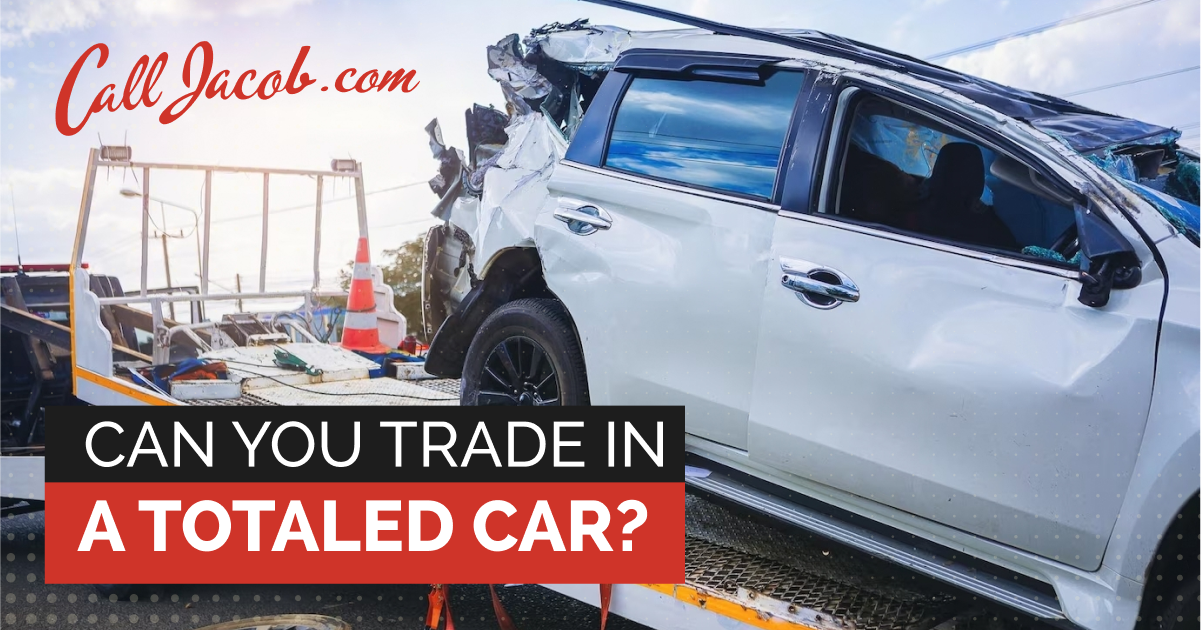
Image Source: www.calljacob.com
Deciphering “Totaled” and Your Options
Before diving into the trade-in aspect, it’s crucial to understand what “totaled” truly means. It’s not always about the car being completely destroyed; it’s an economic decision made by the insurance company.
What Happens When a Car is Totaled?
- Insurance Assessment: An adjuster inspects the vehicle to determine the extent of the damage.
- Repair Cost vs. Value: They compare the estimated repair costs to the car’s Actual Cash Value (ACV) before the damage occurred.
- Total Loss Declaration: If repairs exceed a certain threshold (often 70-80% of ACV), the car is declared a total loss.
- Settlement Offer: The insurance company offers you the ACV, minus your deductible. At this point, they typically take possession of the vehicle.
However, you have a choice. You can choose to keep the car, in which case the insurance company will deduct the car’s salvage value from your settlement. This is where the opportunity to trade in your damaged vehicle arises.
Your Choices After a Total Loss Declaration:
- Accept the Payout and Surrender the Car: The insurance company takes the car and gives you the settlement.
- Keep the Car and Take a Reduced Payout: You keep the damaged vehicle and receive the ACV minus the salvage value and your deductible. This is the key to a salvage car trade in.
Navigating a Salvage Car Trade In
When you decide to keep your totaled car, it will likely be issued a salvage title. This title signifies that the vehicle has been damaged to the extent that it’s considered uneconomical to repair. Trading in a car with a salvage title presents unique challenges and opportunities.
The Salvage Title Explained
A salvage title is a legal document indicating that a vehicle has been declared a total loss by an insurer. It means the car is currently not roadworthy or safe to operate until it’s repaired and undergoes a specific inspection process. This is a crucial piece of information when considering a total loss vehicle trade.
Getting Cash for Totaled Car: The Trade-In Path
If you decide to keep your totaled car, you essentially own a damaged asset. Your goal then becomes maximizing the return on this asset, and a trade-in is one method.
Selling a Totaled Car to a Dealership:
While many dealerships will shy away from selling a wrecked car directly from a customer, some may be willing to take it as a trade-in, especially if you’re purchasing another vehicle from them.
- Reduced Trade-In Value: Expect the damaged car trade value to be significantly lower than a comparable vehicle with a clean title. The dealership needs to account for the cost of repairs, potential title branding issues, and the effort involved in reselling it.
- Honesty is Key: Be upfront with the dealership about the car’s condition and its salvage title status. Hiding this information can lead to legal trouble and damage your reputation.
- Negotiation Power: Your leverage is limited, but you can still try to negotiate a fair price. Highlight any parts that are still in good condition or any repairs you might have already made.
Selling a Totaled Car Privately:
Selling your totaled car privately can sometimes yield a higher return than trading it in. This is because you can reach a broader audience of potential buyers who might be looking for parts or are skilled in repairs.
- Target Audience: Look for buyers who specialize in salvage vehicles, auto repair shops, or individuals who enjoy “flipping” cars.
- Advertising: Clearly state that the car has a salvage title and detail the damage. Use platforms like eBay Motors, Craigslist, or specialized salvage car websites.
- Transparency: Provide as much information as possible about the car’s history, damage, and any available repair records. This builds trust with potential buyers.
The Salvage Car Trade In Process
When you approach a dealership for a salvage car trade in, here’s what you can expect:
- Inspection: The dealership will thoroughly inspect the car, assessing the damage and identifying any missing parts or potential mechanical issues.
- Valuation: They will research the value of a totaled car in its current condition, considering the salvage value and the cost of repairs. This valuation will be significantly lower than the car’s pre-accident value.
- Offer: You’ll receive an offer based on their assessment. This offer is often a lump sum or a credit towards a new vehicle purchase.
Factors Influencing Your Totaled Car’s Value
Several elements will impact the damaged car trade value you receive, whether you’re trading it in or selling it privately.
Key Value Determinants:
- Severity of Damage: Is it cosmetic or structural? Major frame damage or engine issues will drastically reduce the value.
- Year, Make, and Model: Older cars or those with less desirable makes and models might have a lower salvage value.
- Pre-Accident Condition: Was the car well-maintained before the accident? Any existing wear and tear will further depreciate its value.
- Market Demand for Parts: Some cars are more valuable for their parts than others. High-demand parts can increase the salvage value.
- Location: The demand for salvage vehicles and parts can vary by region.
Estimating the Value of a Totaled Car
- Online Valuation Tools: Websites like Kelley Blue Book (KBB) or NADA Guides often have sections for salvage or damaged car values. While not precise, they provide a baseline.
- Salvage Yards and Auction Sites: Research what similar totaled vehicles are selling for at local salvage yards or online auction sites (like Copart or IAA). This gives you a realistic idea of the market.
- Get Multiple Quotes: For a salvage car trade in, get quotes from several dealerships. For private sales, solicit interest from multiple potential buyers.
The Insurance Payout and Your Totaled Car
When your car is totaled, the car insurance payout is designed to compensate you for the loss of your vehicle. Understanding how this payout works is crucial before you decide to keep the car for trade-in.
Calculating Your Payout:
- Actual Cash Value (ACV): This is the market value of your car right before the accident. It considers the car’s make, model, year, mileage, condition, and any optional features.
- Deductible: Your insurance policy will have a deductible that you must pay out of pocket before the insurance company covers the rest.
- Salvage Value (If You Keep the Car): If you choose to keep the totaled car, the insurance company will deduct its salvage value from your settlement. This is the amount they believe they can sell the wreck for.
Example Scenario:
Let’s say your car’s ACV is \$15,000, your deductible is \$500, and the insurance company estimates the salvage value of your totaled car at \$2,500.
- If you surrender the car: Your payout will be \$15,000 – \$500 = \$14,500. The insurance company keeps the wrecked vehicle.
- If you keep the car: Your payout will be \$15,000 – \$500 – \$2,500 = \$12,000. You keep the wrecked vehicle and are responsible for its disposal or repair.
This \$2,500 is essentially the baseline you have to work with if you’re considering getting cash for totaled car by selling it yourself or trading it in.
Alternatives to Trading In a Totaled Car
While trading in is an option, it’s not the only way to handle a totaled vehicle. Exploring these alternatives can help you get the most out of your situation.
Other Avenues for Getting Cash for Totaled Car:
- Sell to a Salvage Yard: Many salvage yards specialize in buying wrecked vehicles. They often offer cash on the spot and handle towing. This is a straightforward way to sell a wrecked car.
- Sell Parts Separately: If you have mechanical knowledge or access to someone who does, you can remove valuable parts (engine, transmission, catalytic converter, etc.) and sell them individually. This can often yield more than selling the car as a whole.
- Online Auctions for Salvage Vehicles: Platforms like Copart and Insurance Auto Auctions (IAA) specialize in selling totaled vehicles. You can list your car and let the market decide its worth. This is a good way to explore the value of a totaled car.
- Repair it Yourself (with caution): If the damage is minor and you have the skills and resources, you might consider repairing the car. However, be aware that it will still carry a branded title (salvage, rebuilt, or reconstructed), which affects its resale value.
Preparing Your Totaled Car for Trade-In
To maximize your chances and get the best possible damaged car trade value, preparation is key.
Steps to Take:
- Gather Documentation: Have all relevant paperwork ready, including your insurance settlement offer, the car’s title (even if it’s branded), and any maintenance records.
- Remove Personal Belongings: Thoroughly clean out the car, removing all personal items and anything you want to keep.
- Document Existing Damage: Take clear photos and videos of the car’s current condition, highlighting both the damage and any undamaged parts. This can be useful for negotiations.
- Clean the Vehicle (If Possible): While cosmetic repairs might not be worth it, a clean interior and exterior can create a slightly better impression.
- Assess Usable Parts: If you’re considering removing parts yourself, make a list of what might be valuable.
The Dealership’s Perspective on Totaled Cars
Dealerships are businesses, and their willingness to accept a totaled car as a trade-in depends on their ability to profit from it.
What Dealerships Consider:
- Resale Potential: Can they sell it quickly and for a profit? This often means they’ll look for cars with higher potential salvage value or that are relatively easy and inexpensive to repair.
- Parts Value: Even if the car isn’t roadworthy, its individual parts might be valuable to their service department or for resale.
- Customer Relationship: Sometimes, a dealership might make a less-than-ideal offer to keep a good customer happy and secure the sale of a new vehicle.
- Inventory Management: They have to balance the risk and reward of taking on a damaged vehicle.
Legal and Title Considerations for a Salvage Car Trade In
The most significant hurdle when trading in a totaled car is the title branding.
Title Branding Implications:
- Salvage Title: This is the most common branding for a totaled vehicle. It means the car has been declared a total loss and is not legally allowed on the road until it’s repaired and inspected.
- Rebuilt/Reconstructed Title: After repairs, a car with a salvage title can be inspected by a state agency. If it passes, it receives a rebuilt or reconstructed title, indicating it has been repaired and is roadworthy. However, it will always carry this branded title.
- Resale Value Impact: A branded title significantly reduces a car’s resale value, often by 20-50% compared to a similar vehicle with a clean title.
When you trade in a salvage title vehicle, dealerships are legally required to disclose this branding to potential buyers.
Table: Comparing Trade-In vs. Private Sale for Totaled Cars
| Feature | Trading In at a Dealership | Selling Privately |
|---|---|---|
| Ease of Process | Simpler, especially if buying a new car from them. | More effort required from you. |
| Potential Value | Generally lower. | Potentially higher, but requires more work. |
| Target Buyer | Dealership’s wholesale department or used car lot. | Individuals, mechanics, salvage yards, part seekers. |
| Negotiation | Limited, often tied to a new car purchase. | More direct negotiation with buyers. |
| Speed | Can be quick, especially as part of a new car purchase. | Can take time to find the right buyer. |
| Title Disclosure | Dealership handles disclosure. | You are responsible for full disclosure. |
| Risk | Lower personal risk, but likely lower payout. | Higher personal risk (dealing with unknown buyers), but potentially higher payout. |
Frequently Asked Questions (FAQ)
Q1: Will a dealership refuse my totaled car as a trade-in?
While some dealerships might refuse to take a totaled car, many will accept it, especially if you are purchasing another vehicle from them. Be prepared for a significantly lower trade-in value.
Q2: How much less is a totaled car worth as a trade-in?
The reduction in value can be substantial, often 20% to 50% or more compared to a similar car with a clean title. This depends heavily on the extent of the damage and the car’s overall condition.
Q3: What is the difference between a salvage title and a rebuilt title?
A salvage title is issued to a vehicle declared a total loss by an insurer. A rebuilt title is issued after a salvage vehicle has been repaired and passed a state inspection, making it roadworthy again. Both indicate the vehicle was previously a total loss.
Q4: Can I trade in a car with a salvage title?
Yes, you can trade in a car with a salvage title. However, its trade-in value will be significantly lower due to the title branding and the associated risks and repair costs.
Q5: Is it better to sell a totaled car privately or trade it in?
Generally, selling a totaled car privately can yield a higher return because you can reach buyers specifically looking for parts or repair projects. Trading it in is usually more convenient but offers a lower price.
Q6: How do I find out the value of my totaled car?
You can research comparable totaled vehicles on salvage auction sites (like Copart, IAA), check online valuation tools that include salvage values, or get quotes from local salvage yards.
Q7: What if the insurance company offered me a payout but I want to keep the car?
You can inform your insurance company that you wish to keep the totaled vehicle. They will then deduct the car’s salvage value from your settlement amount, and you will receive a reduced payout. You will also receive the title, which will be branded as “salvage.”
By thoroughly understanding your options and preparing your vehicle, you can successfully navigate the process of trading in or selling a totaled car, ensuring you get the best possible outcome.