Yes, you absolutely can sell your old car battery! It’s not only possible but also a smart way to recoup some cash and contribute to a more sustainable future. Instead of simply discarding it, which can be harmful to the environment, you can turn that used car battery into a valuable commodity. Many places will pay you for your old battery, often referred to as scrap, due to the valuable materials inside, particularly lead.
The world of car maintenance often leaves us with worn-out parts, and the car battery is a prime example. When your car’s battery finally gives up the ghost, you’re left with a heavy, often corroded brick. The immediate thought might be, “What do I do with this thing?” The good news is that you don’t have to treat it as mere refuse. Selling your old car battery is a viable option, and it’s more accessible than you might think. This guide will delve into the ins and outs of selling your used car battery, from understanding its value to finding the best places to make a sale.
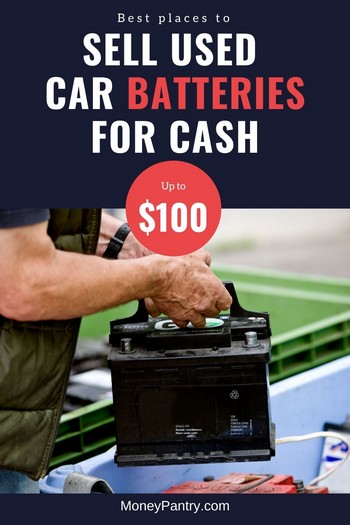
Image Source: moneypantry.com
Why Sell Your Old Car Battery? More Than Just Cash
Selling your old car battery is a decision that benefits you and the planet. Here’s a breakdown of the advantages:
Financial Incentives: Selling Car Battery for Cash
The most direct benefit is the cash you receive. Scrap yards and auto parts stores often offer a payment for old batteries. This payment is typically based on the current market price of lead, the primary metal component of lead-acid car batteries. While the amount might not make you rich, it’s a nice bonus for a part you’d otherwise dispose of. This is often referred to as the car battery scrap price.
Environmental Responsibility: Car Battery Recycling
Lead-acid batteries are considered hazardous waste if not disposed of properly. They contain sulfuric acid and lead, both of which can contaminate soil and water. Car battery recycling ensures these harmful materials are handled safely and responsibly. When you sell your old battery, you’re facilitating its recycling, preventing pollution and conserving natural resources. This is a crucial aspect of responsible car battery disposal.
Resource Conservation: Reclaiming Valuable Materials
Lead is a highly recyclable material. In fact, about 99% of the lead in old car batteries is recovered and reused. This recycled lead can then be used to manufacture new batteries, reducing the need to mine for virgin lead. This process saves energy and minimizes the environmental impact associated with mining.
Deciphering Your Old Car Battery’s Value
The scrap car battery value isn’t fixed. It fluctuates based on several factors, with the global price of lead being the most significant determinant.
The Role of Lead Prices
The market price of lead is influenced by global supply and demand, economic conditions, and industrial activity. When lead prices are high, you can expect to get more money for your old battery. Conversely, lower lead prices mean a lower payout. You can often find current lead prices by searching online commodity markets.
Battery Weight and Type
The weight of your battery is a direct indicator of how much lead it contains. Heavier batteries generally yield more cash. Most car batteries are lead-acid batteries, but there are variations in size and construction, which can slightly affect their weight and, therefore, their scrap value.
Condition of the Battery
While you’re selling it as “scrap,” a battery that is less damaged or severely corroded might fetch a slightly better price, though this is usually a minor factor. The primary concern for recyclers is the lead content.
Where to Sell Your Old Car Battery: Your Options
So, you’re ready to turn that old battery into cash. But where to sell old car battery? Here are the most common and reliable places:
Auto Parts Stores
Many major auto parts retailers, such as AutoZone, Advance Auto Parts, O’Reilly Auto Parts, and NAPA, have battery recycling programs. They often accept old batteries from customers, even if you didn’t purchase a new one from them. They are well-equipped to handle the recycling process and usually offer a small cash payment or store credit for your old battery. This is often a convenient option, especially if you’re getting a new battery. They also provide a direct way to sell used car battery for cash.
Scrap Metal Yards and Recycling Centers
Scrap metal yards are in the business of buying and selling various metals, and lead from car batteries is a significant commodity for them. Old battery recycling centers are specifically designed to process these materials. You can often get a direct quote for your battery based on its weight and the current market price of lead.
Local Garages and Auto Repair Shops
Many independent garages and auto repair shops also accept old car batteries. They frequently deal with battery replacements and might have arrangements with scrap yards. It’s worth calling your local mechanic to see if they accept old batteries and what they offer.
Battery Manufacturers and Distributors
Some battery manufacturers and distributors run their own battery recycling programs or partner with recycling facilities. These might be less accessible for individual sellers but are a key part of the larger recycling ecosystem.
Online Marketplaces and Classifieds
While less common for individual batteries due to shipping complexities and low individual value, some online platforms or local classifieds might feature individuals looking to buy scrap batteries. This option requires more diligence to ensure you’re dealing with a legitimate buyer.
The Selling Process: What to Expect
Selling your old car battery is generally a straightforward process. Here’s what you’ll typically encounter:
Preparing Your Battery for Sale
Before you head out, ensure your battery is in a manageable state.
- Handle with Care: Car batteries contain corrosive acid. Wear gloves and eye protection when handling them.
- Clean Up: While not strictly necessary for most buyers, wiping off excessive dirt and grime can make it easier to handle.
- Secure it: Batteries are heavy. Make sure you have a way to transport it safely. Avoid tipping it excessively to minimize any potential acid leakage.
The Transaction
When you arrive at the buyer’s location:
- Inspection: The buyer will likely inspect the battery to ensure it’s a standard lead-acid car battery.
- Weighing: They will weigh the battery.
- Quoting: You’ll be offered a price based on the weight and the current lead market.
- Payment: If you agree to the price, you’ll be paid, usually in cash or via a check.
Documentation
In some cases, especially at larger recycling facilities or when selling multiple batteries, you might be asked to show identification or sign a simple receipt. This is usually for tracking purposes.
Factors Affecting Your Car Battery Trade-In Value
The car battery trade-in value can vary. Here are key considerations that influence the price you’ll receive:
Lead Price Fluctuations
As mentioned, this is the biggest factor. A quick online search for “lead price per pound” will give you a general idea of the current market.
Buyer’s Markup
Different buyers will have different operational costs and profit margins. A large scrap yard that processes many batteries might offer a slightly better rate than a small auto parts store that views it more as a customer service.
Location
Geographic location can also play a role. Prices might differ slightly between urban and rural areas, or regions with higher or lower operational costs for recycling businesses.
Volume
If you have multiple old batteries, you might be able to negotiate a slightly better price per battery, though this is more common for businesses than individuals.
Example Pricing: What Can You Expect?
It’s difficult to give exact figures as lead prices change daily. However, to give you an idea, let’s look at a hypothetical scenario.
A typical car battery weighs around 30-50 pounds. Let’s assume a battery weighs 40 pounds and the current scrap lead price is $0.50 per pound.
- Gross Value: 40 pounds * $0.50/pound = $20.00
Now, the buyer will need to account for their processing costs, transportation, and profit. They might offer you a percentage of this gross value.
- Typical Payout (e.g., 70-80% of Gross Value): $14.00 – $16.00
So, for a single car battery, you might expect anywhere from $10 to $20 or more, depending heavily on the current lead market. This illustrates why it’s important to check current prices and shop around.
Frequently Asked Questions (FAQ) About Selling Old Car Batteries
Here are some common questions people have when looking to sell their old car batteries:
Q1: Can I sell my old car battery if it’s completely dead?
A1: Yes, the battery being dead is precisely why you would sell it. Its value lies in the materials it contains, primarily lead, regardless of its ability to hold a charge.
Q2: How do I find old battery recycling centers near me?
A2: You can use online search engines (like Google) with terms such as “scrap metal recycling near me,” “car battery recycling [your city],” or “where to sell old car battery.” Many auto parts store websites also list their recycling policies.
Q3: Is there a limit to how many batteries I can sell?
A3: For most auto parts stores and local recyclers, there isn’t a strict limit for individuals. However, scrap yards might have procedures for larger quantities, especially if you’re not a registered business.
Q4: Do I need to remove the battery from my car myself?
A4: Yes, typically, you will need to remove the battery from your vehicle before taking it to a buyer. Some auto repair shops might offer removal services, but this usually comes with a fee.
Q5: What information will I need to provide when selling my battery?
A5: For small quantities, you might not need to provide much beyond the battery itself. For larger quantities or at certain facilities, a simple ID or a signature might be required.
Q6: Can I sell a battery that has leaked acid?
A6: While buyers prefer batteries that aren’t excessively damaged, a small amount of leakage shouldn’t prevent you from selling it. However, handle it with extreme caution and wear appropriate protective gear. Many recyclers have specific protocols for handling leaking batteries.
Q7: What if my battery is a different type, like a lithium-ion battery from an electric car?
A7: This guide primarily focuses on traditional lead-acid car batteries. Electric vehicle batteries are much more complex and require specialized recycling processes. Selling these is not as straightforward as lead-acid batteries and often involves manufacturer take-back programs or specialized recycling facilities. The scrap value of EV batteries is also different and more complex to determine.
Q8: How do I know if the place I’m selling to is legitimate?
A8: Look for established businesses like auto parts stores or well-known scrap metal yards. Check online reviews or ask for recommendations. Legitimate buyers will typically provide you with a clear quote based on weight and market price.
Q9: Can I sell a “bad” or “dead” car battery?
A9: Absolutely. The term “bad” or “dead” is exactly why it’s ready for sale. Its value is in its materials, not its ability to power a car anymore. This is a common transaction for scrap yards and recycling centers.
Q10: What is the typical car battery scrap price?
A10: The car battery scrap price varies daily based on lead market prices. It can range anywhere from $10 to $25 or more per battery, depending on the battery’s weight and the current market value of lead.
Q11: Are there any places that offer a car battery trade-in value for new purchases?
A11: Yes, when you purchase a new car battery from many auto parts stores or dealerships, they often offer a car battery trade-in value, which is usually a credit applied to your purchase. This is separate from selling the battery for cash to a scrap yard.
Q12: What are the benefits of a battery recycling program?
A12: A battery recycling program ensures that hazardous materials like lead and acid are managed safely, preventing environmental contamination. It also promotes the recovery of valuable resources, reducing the need for new mining.
Conclusion: A Smart Move for Your Wallet and the Planet
Selling your old car battery is a straightforward process with tangible benefits. It’s a chance to earn a little extra cash while actively participating in environmental conservation through car battery recycling. Whether you’re getting a new battery and looking to offset the cost, or simply have an old one lying around, you now know the answer to “Can I sell my old car battery?” is a resounding YES!
By understanding the factors that influence its value, knowing where to sell your used car battery, and preparing it appropriately, you can make a wise decision that’s good for your wallet and the environment. So, the next time your car battery bites the dust, don’t just toss it. Look up your local options and sell used car battery for cash! It’s a small action that contributes to a larger, more sustainable cycle.