Yes, you can remove a cosigner from your car lease, but it’s not always a simple process and often requires the agreement of the leasing company.
When you bring a cosigner onto your car lease, they are essentially vouching for your ability to meet the financial obligations of the lease agreement. They agree to be responsible for the monthly payments and any other associated costs if you are unable to fulfill them. However, circumstances change, and you might find yourself wanting to sever this connection. Fortunately, there are several pathways to achieve a cosigner removal auto lease, allowing you to transition the lease solely into your name. This guide will delve into the various methods, requirements, and considerations for successfully achieving a release cosigner car lease.
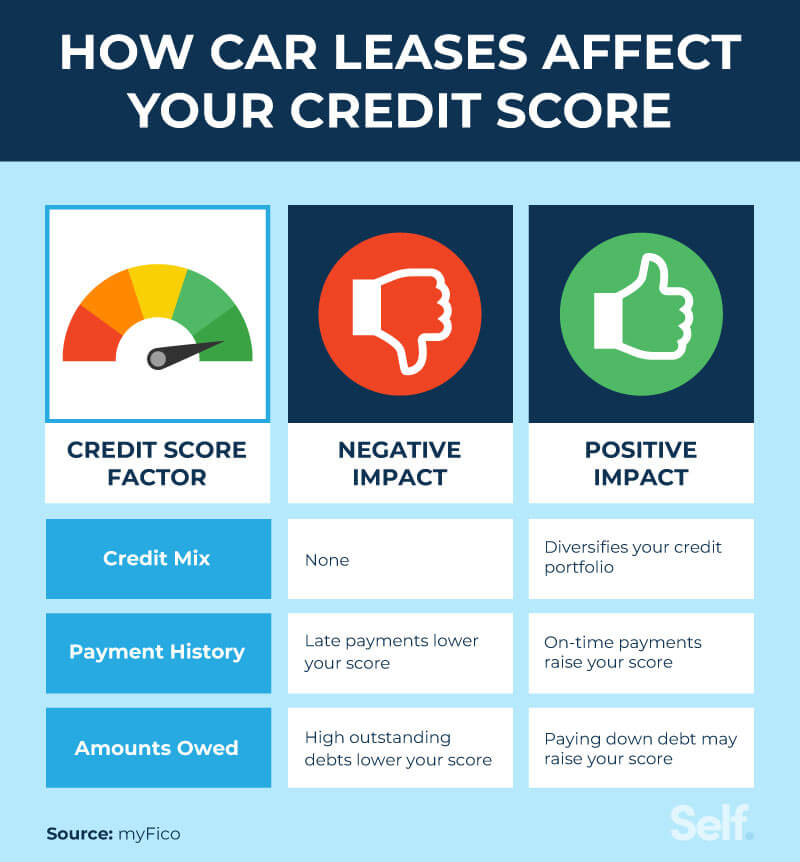
Image Source: images.ctfassets.net
Why Would You Want to Remove a Cosigner?
There are numerous reasons why a primary leaseholder might wish to remove a cosigner. These often stem from improved financial standing, evolving relationships, or a desire for complete financial independence.
Common Scenarios:
- Improved Credit Score: Over time, your credit score may improve significantly. This means you can now qualify for the lease on your own merit, making the cosigner’s involvement redundant.
- Financial Stability: You might have secured a more stable income or reduced your debt-to-income ratio, demonstrating to the leasing company that you are a reliable borrower.
- Relationship Changes: The relationship with the cosigner might have soured, or they may simply no longer wish to be financially tied to your vehicle.
- Cosigner’s Desire to be Released: Conversely, the cosigner might want to be freed from the responsibility as they plan for their own financial future, perhaps buying a home or taking on new loans.
- Simplifying Financial Ties: For many, the goal is to have a clean financial slate, free from any external obligations.
Pathways to Cosigner Removal
Successfully achieving a cosigner off lease agreement involves navigating specific procedures, each with its own set of requirements. The most common methods include applying for a lease modification, transferring the lease, or completing a car lease buyout.
1. Applying for a Lease Modification
This is the most direct approach to a release cosigner car lease. A lease modification essentially amends the original contract to remove the cosigner’s name and obligations.
The Process of Lease Modification:
- Contact the Leasing Company: The first and most crucial step is to contact your leasing company directly. Explain your situation and inquire about their specific policy for removing a cosigner. Not all leasing companies have a straightforward process for this.
- Credit and Income Review: The leasing company will likely require you to undergo a new credit check and provide updated proof of income. They need to be confident that you can now solely handle the lease payments and meet all the terms of the agreement without the cosigner.
- New Lease Application: In some cases, you might need to complete a new lease application, essentially applying for the existing lease on your own. This allows the leasing company to re-evaluate your financial standing.
- Approval and Documentation: If approved, the leasing company will issue a cosigner release form or a lease amendment document. Both you and, often, the original cosigner will need to sign this to formalize the cosigner obligation car lease removal. There may be an administrative fee associated with this process.
Key Requirements for Lease Modification:
- Strong Credit Score: A credit score that meets or exceeds the leasing company’s current requirements for a solo leaseholder.
- Stable Income: Proof of consistent and sufficient income to cover the lease payments and all other associated costs.
- Good Payment History: A history of making all your lease payments on time, demonstrating your reliability.
- Leasing Company Approval: The ultimate decision rests with the leasing company, as they are taking on the full risk.
2. Transferring the Lease to One Person
If direct modification isn’t feasible, transfer lease to one person might be an option. This typically involves one party formally taking over the entire lease responsibility from the other.
How Lease Transfer Works for Cosigner Removal:
- Internal Transfer: In some scenarios, one party (the primary leaseholder) can essentially take over the lease from the cosigner. This usually requires the leasing company’s consent, a credit check on the individual assuming the lease, and a formal transfer agreement.
- Formalizing the Transfer: This is less about “removing” and more about one person officially inheriting the lease. The person whose name is being removed would sign off on their responsibilities, and the other person would explicitly assume them. This often requires a cosigner release agreement.
- Third-Party Transfer: It’s also possible to transfer a lease to a completely new individual. However, this is a more complex process that involves advertising the lease, finding a willing buyer, and having that buyer approved by the leasing company. If your goal is simply to remove a cosigner, this is generally not the preferred route unless both parties want out and can find someone else.
Considerations for Lease Transfers:
- Leasing Company Policies: Again, the leasing company’s approval is paramount. They will vet the person taking over the lease as if they were a new applicant.
- Transfer Fees: Be prepared for potential transfer fees from the leasing company.
- Cosigner’s Role: The cosigner is effectively transferring their obligation to the primary leaseholder, but the leasing company still needs to approve this shift in responsibility.
3. Car Lease Buyout
A car lease buyout cosigner can be a solution if other methods fail or if you wish to own the vehicle outright. This involves purchasing the car at the end of the lease term (or sometimes early) at a predetermined price.
Executing a Lease Buyout:
- Buyout Option: Most lease agreements include a buyout option, specifying the residual value of the vehicle.
- Financing the Buyout: You will need to secure financing for the buyout amount. This could be through a bank, credit union, or the leasing company itself. If your credit has improved, you might qualify for a loan with favorable terms.
- Removing the Cosigner: Once you have purchased the vehicle, the lease is terminated. This automatically releases both parties from any further obligations, effectively removing the cosigner. The car will then be registered solely in your name.
- Early Buyout: Some leases allow for an early buyout. This might involve penalties or adjustments to the buyout price, but it can still be a way to achieve voluntary cosigner removal sooner rather than later.
Advantages of a Lease Buyout:
- Complete Ownership: You own the vehicle outright, with no further lease payments or contractual obligations.
- Permanent Removal: This is a definitive way to remove a cosigner, as the lease itself ceases to exist.
- Potential for Equity: If the car’s market value is higher than the buyout price, you gain equity.
The Role of the Cosigner and Their Agreement
A cosigner’s involvement in a car lease signifies their commitment to the lease’s terms. To achieve cosigner removal auto lease, their cooperation is often essential.
What Does a Cosigner Agree To?
When someone cosigns a car lease, they are legally agreeing to:
- Make Payments: If you miss a payment or stop making payments altogether, the cosigner is obligated to step in and cover those costs.
- Pay Penalties: They are also responsible for any late fees, penalties, or charges incurred due to late payments or violations of the lease terms.
- Vehicle Return: If the vehicle is returned at the end of the lease and there are excess mileage charges or damage beyond normal wear and tear, the cosigner can be held responsible for these costs.
The Importance of the Cosigner’s Consent
In most cases, particularly for a lease modification, the leasing company will require the cosigner’s explicit consent to be released from the agreement. This is often documented through a cosigner release agreement or a specific section on the cosigner release form.
- Why Consent is Needed: The leasing company entered into the agreement with two parties liable for payments. Removing one party fundamentally changes the risk profile of the lease, and they need assurance from the person being released that they are voluntarily relinquishing their obligation.
- Cooperation is Key: Without the cosigner’s willingness to sign the necessary paperwork, achieving a voluntary cosigner removal through modification or transfer becomes significantly more difficult, if not impossible.
Navigating the Paperwork and Processes
The journey to release cosigner car lease involves specific documentation and adherence to the leasing company’s protocols.
Essential Documents for Cosigner Removal:
- Cosigner Release Form: This is the primary document that formally removes the cosigner’s name and obligations from the lease. It must be signed by the leasing company, you, and the cosigner.
- Lease Amendment: If a formal release form isn’t provided, the leasing company might issue a lease amendment that revises the original contract to reflect the solo leaseholder.
- New Lease Application: As mentioned, you might need to fill out a new application if the leasing company treats the removal as a re-application for the lease.
- Proof of Income and Credit Report: You’ll need to provide current financial documentation to support your solo application.
The Role of a “Cosigner Off Lease Agreement”
The term cosigner off lease agreement refers to the collection of documents and approvals that collectively signify the cosigner’s successful removal from the lease. This could be a single release form, an amendment, or a combination of paperwork that confirms the cosigner is no longer financially tied to the lease.
What Happens If the Leasing Company Refuses?
Sometimes, despite your best efforts, the leasing company might deny your request to remove a cosigner. Several factors could lead to this refusal.
Reasons for Rejection:
- Insufficient Credit Score: Your current credit score may not meet their standards for a solo leaseholder.
- Unstable Income: Your proof of income might not be considered sufficient to cover the lease payments independently.
- Leasing Company Policy: Some leasing companies simply have a strict policy against removing cosigners from existing leases, especially if the lease is not yet close to its end.
- Cosigner Refusal: If the cosigner is unwilling to sign the necessary release documents, the process cannot proceed.
Options If Your Request is Denied:
- Improve Your Financials: Focus on improving your credit score and financial stability. Pay down other debts to lower your debt-to-income ratio.
- Wait and Reapply: Continue making timely payments. As the lease progresses, your financial history with the vehicle becomes stronger, and you can try reapplying later.
- Consider a Car Lease Buyout: If your goal is complete independence and the leasing company is inflexible, a lease buyout might be the most viable (though potentially more expensive) option.
- Ending Car Lease with Cosigner: If no other options are available and you cannot reach an agreement, you might have to wait until the lease naturally ends. In this scenario, both parties will still be obligated until the very last payment.
Frequently Asked Questions (FAQ)
Q1: Can I remove a cosigner from my car lease without their permission?
Generally, no. Most leasing companies require the cosigner’s explicit consent and signature on a cosigner release form or a similar document to release cosigner car lease.
Q2: Will my credit score be checked again if I want to remove a cosigner?
Yes, almost certainly. The leasing company needs to re-evaluate your creditworthiness to ensure you can handle the lease obligations solo.
Q3: Are there fees associated with removing a cosigner?
Yes, many leasing companies charge administrative or processing fees for lease modifications and cosigner removal auto lease procedures.
Q4: What if the cosigner wants to be removed but I don’t?
This situation requires open communication. If the cosigner is adamant about being released, and the leasing company won’t allow it without your consent, you may need to consider options like a lease buyout or even terminating the lease early (though this can incur significant penalties).
Q5: Is it easier to remove a cosigner from a new lease versus an existing one?
It’s generally easier to establish the lease without a cosigner from the outset. However, for an existing lease, the process involves modifying an established contract, which can add layers of complexity and require more stringent financial proof.
Q6: Can I transfer the lease to a friend to remove my current cosigner?
This is typically a complex process and depends heavily on the leasing company’s policies regarding lease transfers to third parties. The new individual would need to qualify financially, and the original cosigner would still likely need to be formally released.
Q7: What is a cosigner obligation car lease?
This refers to the legal responsibility a cosigner undertakes to ensure all payments and terms of the car lease are met. If the primary leaseholder defaults, the cosigner is bound to fulfill these obligations.
Q8: How does a car lease buyout cosigner scenario work?
When you buy out a leased vehicle, you are purchasing it outright. This action terminates the lease agreement, thereby releasing all parties, including the cosigner, from any further responsibilities associated with that lease.
Q9: What constitutes a cosigner release agreement?
A cosigner release agreement is a formal legal document, often part of a cosigner release form, that explicitly states the leasing company is releasing the cosigner from their obligations under the car lease contract.
Conclusion
Removing a cosigner from your car lease is achievable, but it requires a proactive approach and a strong financial standing. By understanding the various pathways—lease modification, lease transfer, or a car lease buyout cosigner—and diligently fulfilling the necessary requirements, you can successfully achieve a cosigner off lease agreement. Always begin by communicating directly with your leasing company, as their policies and procedures will dictate the specific steps you need to take to achieve voluntary cosigner removal and finalize your ending car lease with cosigner situation.