No, you generally cannot safely put engine coolant in your car while it’s hot. Doing so can lead to serious injury and significant engine damage. The cooling system in your car operates under pressure when the engine is running and hot. Opening the system, especially the radiator cap, can cause pressurized hot coolant and steam to erupt violently, leading to severe burns.
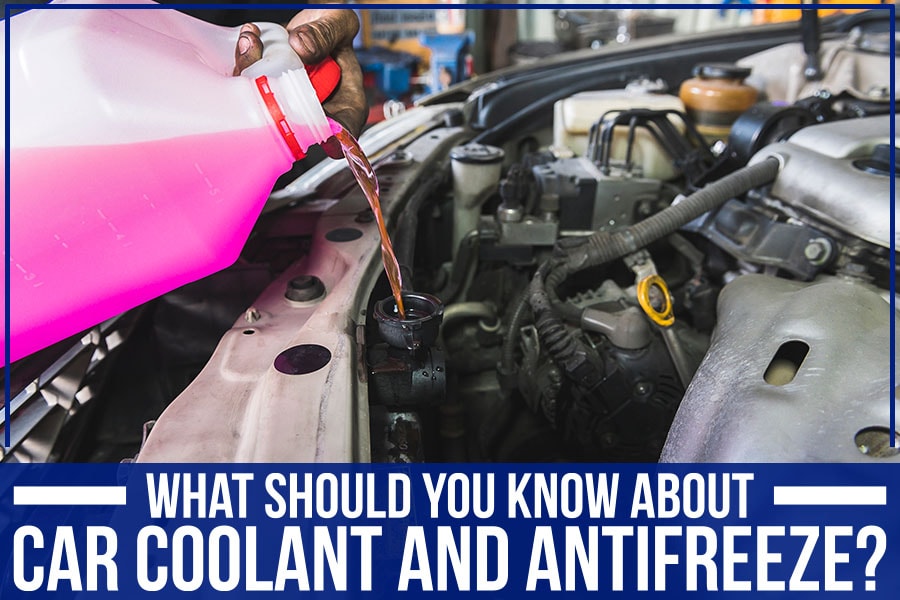
Image Source: pictures.dealer.com
The Dangers of Adding Coolant to a Hot Engine
Many car owners have faced the dilemma of a low coolant level and an overheating engine. The urge to quickly top off the radiator coolant can be overwhelming, especially when you’re stranded or on a long journey. However, acting impulsively when your engine is hot can turn a potentially manageable problem into a dangerous situation.
Why the Cooling System is Pressurized
Your car’s cooling system is designed to maintain a stable engine temperature. It does this by circulating engine coolant (a mixture of antifreeze and water) through the engine block, absorbing heat, and then through the radiator, where the heat is dissipated into the air.
When an engine is running, it generates a lot of heat. The engine coolant absorbs this heat and transfers it away. As the coolant heats up, it also expands. To prevent this expansion from creating excessive pressure that could damage hoses or the radiator, the cooling system is pressurized. This pressure raises the boiling point of the coolant, allowing it to reach higher temperatures without boiling over.
The pressure in the system is managed by the radiator cap, which acts as a pressure relief valve. It’s designed to maintain a specific pressure level. If the pressure exceeds this level, the cap releases a small amount of coolant or steam.
The Risk of Thermal Shock
When you add cold engine coolant to a very hot engine, you are introducing a rapid and drastic temperature change to metal components. This sudden cooling can cause thermal shock. Metal expands when hot and contracts when cold. Introducing cold liquid to extremely hot metal parts can cause them to contract unevenly. This can lead to:
- Cracked engine block: The engine block is a complex casting of metal. Rapid cooling can cause stress fractures.
- Warped cylinder head: Similar to the engine block, the cylinder head can also warp due to uneven cooling.
- Damaged radiator: The radiator is also made of metal and can be stressed by rapid temperature changes.
- Cracked coolant reservoir: The plastic coolant reservoir can also become brittle and crack under thermal shock.
The Danger of Steam and Hot Coolant Eruption
The most immediate and severe danger of opening a hot cooling system is the release of pressurized steam and hot coolant.
Imagine a pot of boiling water on the stove. If you try to lift the lid quickly, the steam and hot water can erupt. The car’s cooling system is similar, but far more intense due to higher temperatures and pressures.
When the engine is hot, the engine coolant is also very hot and under pressure. The radiator cap seals the system to maintain this pressure. If you unscrew the cap while the system is hot and pressurized:
- The pressure is suddenly released.
- The hot coolant can flash into steam.
- This can cause a forceful expulsion of scalding liquid and steam directly at you.
This is why you will often see steam from engine compartments of cars that have overheated and been recently turned off. This steam is a clear indicator of the extreme heat and pressure contained within the system.
When is it Safe to Check or Add Coolant?
The safest time to check your coolant level or add coolant is when the engine has cooled down significantly. This means waiting for at least 30 minutes to an hour after the engine has been turned off, and ideally longer if the engine was very hot.
How to Safely Check Your Coolant Level
- Park the car on a level surface. This ensures an accurate reading.
- Turn off the engine.
- Allow the engine to cool down. Patience is key here. You should be able to touch the hood without discomfort. If you’re unsure, wait longer.
- Locate the coolant reservoir. This is usually a translucent plastic tank connected to the radiator by a hose. It typically has “Min” and “Max” markings on the side.
- Visually inspect the coolant level. It should be between the “Min” and “Max” lines.
- If the level is low, you can add coolant.
How to Safely Add Coolant
- Ensure the engine is cool. This cannot be stressed enough.
- Prepare your coolant. Use the correct type of engine coolant as specified in your car’s owner’s manual. It’s usually a 50/50 mix of antifreeze and distilled water.
- Locate the coolant reservoir cap.
- Slowly unscrew the reservoir cap. If you hear any hissing, stop and wait for the system to cool further.
- Add the coolant mixture to the reservoir until it reaches the “Max” line. Do not overfill.
- Replace the reservoir cap securely.
- Start the engine and let it run for a few minutes. Check the coolant level again as the engine warms up, as it might drop slightly as the coolant circulates.
- If the level is still low after the engine has run and cooled again, you may need to check the radiator itself. However, this should ONLY be done when the engine is completely cold. To do this, slowly and carefully unscrew the radiator cap (again, only when completely cool) and add coolant directly to the radiator until it’s full, then replace the radiator cap and top off the reservoir.
What to Do If Your Car is Overheating
If your car’s temperature gauge is in the red zone, or you see steam from engine, pull over to a safe location as soon as possible. Turn off the engine immediately.
Do not attempt to add coolant while the engine is hot.
Instead, follow these steps:
- Turn off the engine.
- Open the hood to help dissipate heat. Be cautious of any steam.
- Wait for the engine to cool down completely. This could take an hour or more.
- Once cool, check the coolant level in the coolant reservoir.
- If the level is low, add the correct coolant mixture as described above.
- If the coolant level is adequate but the engine overheated, there might be a more serious issue, such as a faulty thermostat, a blocked radiator, a leaking hose, or a failing water pump. In this case, it’s best to have your car inspected by a qualified mechanic. Driving an overheating car can cause severe engine damage.
Understanding Your Car’s Cooling System Components
To better grasp why you shouldn’t add coolant to a hot engine, it’s helpful to know the basic components of the cooling system and their roles.
The Radiator
This is a large finned heat exchanger, typically located at the front of your car, which cools the engine coolant. Air flows through the fins as the car moves, or is pulled through by the cooling fan.
The Water Pump
This component circulates the engine coolant throughout the engine and cooling system. It’s usually driven by the engine’s belt system.
The Thermostat
This valve regulates the flow of coolant. When the engine is cold, the thermostat stays closed, preventing coolant from circulating through the radiator. This allows the engine to reach its optimal operating temperature faster. Once the engine reaches that temperature, the thermostat opens, allowing coolant to flow to the radiator.
The Cooling Fan
This fan pulls air through the radiator, especially when the car is stationary or moving slowly, ensuring adequate cooling.
The Coolant Reservoir (Expansion Tank)
This is a plastic tank that holds extra engine coolant. As the coolant heats up and expands, it flows into the reservoir. When the engine cools down, the coolant contracts, and the system can draw coolant back from the reservoir. This helps keep the system full and prevents air from entering.
Hoses and Clamps
These flexible rubber or silicone tubes connect the various components of the cooling system, allowing the coolant to flow between them.
Common Reasons for Low Coolant Levels
Several issues can lead to low engine coolant levels:
- Leaks: This is the most common reason. Leaks can occur in hoses, the radiator, the water pump, the thermostat housing, or even internal leaks within the engine (e.g., a blown head gasket).
- Evaporation: Over long periods, a very small amount of coolant can evaporate from the system, especially in older vehicles. However, significant loss due to evaporation usually indicates a problem.
- Boiling Over: If the cooling system is not functioning correctly (e.g., a faulty radiator cap or a clogged radiator), the coolant can boil and escape as steam, leading to a low level.
- Head Gasket Failure: A blown head gasket can allow coolant to leak into the combustion chamber or the oil system, or vice versa. This is a serious issue that often presents with white smoke from the exhaust or a milky appearance in the engine oil.
The Correct Coolant Mixture: Antifreeze and Water
The fluid in your cooling system is a carefully balanced mixture of antifreeze and water.
- Antifreeze (Ethylene Glycol or Propylene Glycol): This is the primary ingredient that prevents the coolant from freezing in cold weather and raises its boiling point in hot weather. It also contains corrosion inhibitors that protect the metal components of the cooling system.
- Distilled Water: Using distilled water is crucial. Tap water contains minerals that can cause scale buildup and corrosion within the cooling system, reducing its efficiency and potentially causing damage.
The most common ratio is 50/50 antifreeze to distilled water, which provides excellent freeze and boil-over protection. Always check your owner’s manual for the specific type and ratio recommended for your vehicle.
What Happens When You Mix Coolant Types?
Mixing different types of engine coolant can be problematic. Antifreeze comes in various colors and formulations (e.g., green, orange, pink, blue), indicating different additive packages. These packages are designed for specific metals and seals in different vehicles.
Mixing incompatible coolants can lead to:
- Gel formation: The additives can react, forming a gel-like substance that can clog passages in the cooling system, severely impacting its ability to dissipate heat.
- Reduced effectiveness: The freeze and boil-over protection might be compromised.
- Corrosion: The corrosion inhibitors might become less effective or even react negatively with the system components.
Always use the coolant type specified by your vehicle manufacturer. If you are unsure, it’s best to flush the entire system and refill it with the correct coolant.
Frequently Asked Questions (FAQ)
Q1: Can I put water in my car if it’s low on coolant and the engine is hot?
A: No, you should never add water (or any liquid) to a hot engine’s cooling system. The risks of severe burns from erupting steam and coolant, as well as the potential for engine damage from thermal shock, are too high. Wait for the engine to cool down completely.
Q2: What are the signs that my car might be overheating?
A: Common signs include the temperature gauge climbing into the red zone, steam from engine, a sweet smell (indicative of coolant leaking and burning), and warning lights on the dashboard.
Q3: How often should I check my coolant level?
A: It’s a good practice to check your coolant level at least once a month, and before long trips, especially in extreme weather conditions.
Q4: What is the “coolant expansion tank”?
A: The coolant expansion tank, also known as the overflow tank or coolant reservoir, is a safety feature. It holds excess coolant that expands when hot and acts as a buffer to maintain pressure and prevent air from entering the system.
Q5: My car overheated, and now the coolant level is very low. What should I do?
A: After the engine has cooled completely, check the coolant reservoir and the radiator (only when completely cool). If the level is low, add the correct coolant mixture. If you suspect a leak or the overheating persists, it’s crucial to have the vehicle inspected by a professional mechanic to prevent further engine damage.
Q6: Is it safe to open the radiator cap on a hot engine?
A: Absolutely not. Opening the radiator cap on a hot or even warm engine can cause pressurized hot coolant and steam to erupt violently, leading to severe burns. Always wait until the engine is completely cool before attempting to open the radiator cap.
Q7: What does “checking the coolant level” actually involve?
A: Checking the coolant level primarily involves looking at the markings on the coolant reservoir (overflow tank). The coolant should be between the “Min” and “Max” lines. For a more thorough check, and only when the engine is cold, you can also check the level directly in the radiator.
Q8: I heard a hissing sound when I tried to open the coolant reservoir cap, but the engine wasn’t that hot. Should I still open it?
A: If you hear hissing, it means there is still pressure in the system. Do not force the cap open. The system is still under pressure, and opening it could release hot coolant. Wait longer for the engine to cool down.
Q9: Can I use a generic coolant if I don’t know the specific type for my car?
A: It’s highly recommended to use the specific type of coolant recommended by your car’s manufacturer. Generic coolants may not have the correct additive package for your vehicle’s cooling system materials, potentially leading to corrosion or other issues. If you are unsure, consult your owner’s manual or a mechanic.
Q10: If I see steam from my engine, does it always mean the coolant is low?
A: Steam from engine usually indicates that the engine coolant is boiling and escaping the system. This can happen due to a low coolant level, a malfunctioning thermostat, a faulty radiator fan, a blocked radiator, or a coolant leak. While a low coolant level is a common cause, the overheating itself needs to be addressed.
By following these guidelines and exercising patience, you can safely maintain your car’s cooling system and prevent potentially dangerous situations and costly engine damage. Remember, when in doubt, always err on the side of caution and consult a professional.