Getting Your Car Washed After New Window Tint: When Can You Do It?
When you get new tint on your car windows, a simple question comes up: “Can I get my car washed after windows tinted?” The direct answer is no, you should not wash your car right away after having the windows tinted. There is a specific waiting period you must follow. This wait time is very important to let the window tint film set correctly and bond well with the glass. Washing too soon can damage the fresh tint.
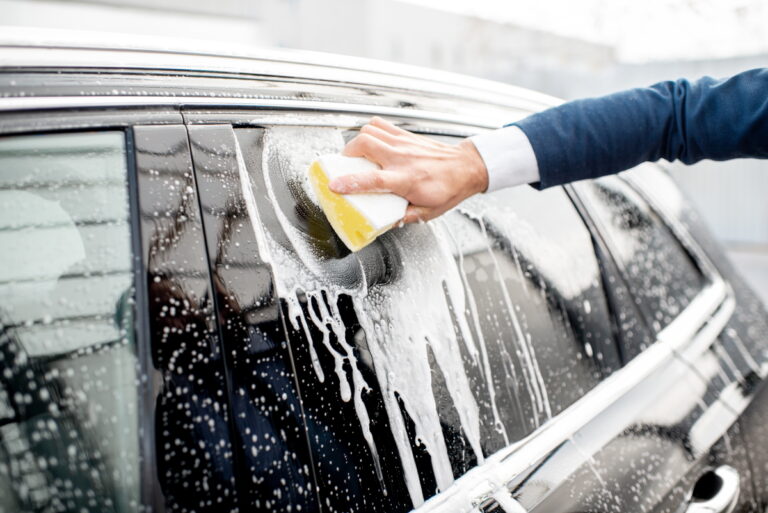
Image Source: qualityautoglasstint.com
Grasping Why You Must Wait
Window tint film is put on the inside of your car’s windows. The process uses a special liquid mix, mostly water, to help the installer move the film into the right place. Once the film is set, the installer pushes this liquid out from under the film. But some water always stays trapped between the film and the glass.
This trapped water needs time to dry. This drying time is called the “curing process.” The glue on the film needs this time to stick firmly to the glass. If you mess with the windows or expose them to too much water or force before the glue is fully stuck, the tint can move, bubble, peel, or just not look right.
Think of it like painting a wall. You wouldn’t wash a freshly painted wall, right? The paint needs to dry and harden. Window tint needs the same kind of time to become stable and strong.
The Importance of the Curing Process
The curing process is critical for how long your tint will last and how it will look.
* Sticking Power: The glue needs to bond fully to the glass. Water stops this from happening right away.
* Clear View: The water trapped under the film can make the windows look cloudy or streaky at first. This is normal. As the water dries out, the view becomes clear.
* Film Stability: Until the glue cures, the film can shift or be easily damaged by touch, pressure, or chemicals.
Washing your car too soon floods the windows with water again, especially around the edges of the film. This can stop the curing process, weaken the glue, and cause problems like lifting edges or large bubbles that won’t go away.
How Long Should You Wait to Wash Your Car?
This is the most common question: “How long wait car wash after tint?” Most tint installers will tell you to wait at least 3 to 7 days before washing your car.
- Minimum Wait: A minimum of 3 days is often suggested in warm, sunny weather.
- Recommended Wait: Most experts recommend waiting a full 7 days (one week) to be safe, especially if the weather is cool or damp.
This waiting period gives the water under the film enough time to dry out completely and the glue to bond strongly to the glass. Trying to wash your car, whether by hand or machine, before this time is up risks damaging the new tint.
Factors Influencing the Wait Time
The exact time your tint needs to cure can change based on a few things:
- Weather and Climate: This is a big one.
- Hot and Dry: In warm or hot weather with low humidity, the water under the tint will dry faster. You might be safe waiting just 3-4 days.
- Cool and Damp: In cold or humid weather, the water takes much longer to dry. You should wait closer to the 7-day mark, maybe even longer in very cold climates. Direct sunlight helps speed up curing, while cloudy or rainy days slow it down.
- Type of Tint Film: Different films and different glues can have slightly different curing times. High-quality films often cure reliably within the standard week.
- Amount of Slip Solution Used: The installer tries to push out as much water as possible. But the amount of water left can vary slightly, affecting drying time.
- Installer’s Recommendation: Always listen to your tint installer. They know the specific film they used and the local climate conditions. They will give you the best estimate for the window tint curing time car wash.
Interpreting the Curing Process
During the curing time, you might see some things on your windows that look strange. These are usually normal parts of the drying process.
- Bubbles: Small water bubbles are common. They should shrink and disappear as the water dries. If you see large, persistent bubbles or bubbles that look like air (not water), contact your installer.
- Cloudiness or Streaks: The windows might look hazy or streaky. This is the trapped water and solution. It will clear up as it dries.
- Uneven Look: Some areas might look darker or lighter than others depending on how the light hits the water pockets.
Do not try to push out bubbles or clean the windows inside during this curing time. You could easily move the still-wet film or scratch it. Let the tint do its job and dry on its own.
Types of Car Washes and Tint Safety
Once the curing period is over (usually 7 days), you can wash your car. But is every type of car wash safe for your tinted windows? Let’s look at the options: automatic car wash tinted windows vs. hand wash car after tint.
The Risk with Automatic Car Washes
Automatic car washes come in different forms:
* Brush Washes: These use large brushes or cloths that spin and rub your car.
* Touchless Washes: These use high-pressure water jets and strong chemicals to clean the car without touching it.
Both types have potential risks for new or even older tinted windows.
- High Pressure: Touchless washes use very high water pressure. This pressure can be strong enough to lift the edges of the tint film, especially if there’s a weak spot or if the tint wasn’t fully cured or installed perfectly. Once an edge lifts, water and dirt can get under the film, causing peeling and bubbles.
- Brushes and Friction: Brush washes can scratch the surface of the tint film over time. While modern tint films are durable, repeated scrubbing can still cause fine scratches or dull the finish. The force of the brushes might also stress the film’s edges.
- Harsh Chemicals: Automatic washes often use strong detergents and chemicals. Some of these chemicals, particularly those containing ammonia, can damage certain types of tint film, especially older ones or those made with different materials. Ammonia is known to break down the glue and the film itself.
For a car wash after tint installation, especially in the first few weeks after the curing time, an automatic wash is generally riskier than a hand wash. Many tint professionals advise against automatic washes entirely for the longest tint life.
Opting for a Hand Wash
A hand wash is almost always the safer option for cars with tinted windows, especially when you are washing new window tint after the curing period.
- Gentle Pressure: You control the water pressure. You can use a gentle stream from a hose rather than a high-pressure jet.
- Soft Materials: You use soft wash mitts and drying cloths (like microfiber) that are much less likely to scratch the tint surface compared to automatic brushes.
- Careful Around Edges: You can be extra careful around the edges of the windows where the tint film meets the glass or the window frame. This is the most vulnerable part.
- Mild Soap: You can choose a mild car wash soap that won’t harm the tint film or its glue.
A hand wash allows for a much gentler approach, reducing the risk of lifting edges, scratching the film, or exposing it to harsh, unknown chemicals under high pressure. This makes hand washing the safe car wash after tinting method, both immediately after the cure time and for long-term care.
Safe Car Wash After Tinting – Best Practices
After the minimum waiting period (aim for 7 days), you can wash your car. Here’s how to do it safely to protect your new tint:
- Wait the Full Time: Do not rush the curing process. Waiting the recommended 3-7 days (or longer in cold weather) is the most important step. This is the key to car wash timing post tint.
- Choose Hand Washing: For the best results and safety, hand wash your car. Avoid automatic car washes for the first few weeks, and ideally, stick to hand washes long-term if you want your tint to last as long as possible.
- Use a Mild Car Wash Soap: Standard car wash soaps are fine for the outside of the windows and the car body.
- Avoid High Pressure on Windows: If using a pressure washer for the car body, keep it away from the windows, especially the edges. A regular garden hose is best for rinsing the windows.
- Soft Wash Mitt and Drying Cloths: Use a clean, soft wash mitt to wash the windows. Use a separate, clean, soft microfiber towel to dry the windows immediately after rinsing to prevent water spots.
- Be Gentle Around Edges: When washing and drying, be careful around the perimeter of the window where the tint is cut. Don’t rub aggressively at the edges.
Washing the Tinted Windows Themselves
Washing the car involves cleaning both the outside and the inside of the windows. Cleaning the inside, where the tint film is, needs special care.
Cleaning the Outside of Tinted Windows
Cleaning the outside is just like cleaning any car window. After the curing period is over, you can wash the outside glass as part of your regular car wash routine.
* Use your car wash soap and a soft wash mitt.
* Rinse well.
* Dry with a clean microfiber towel.
* You can use exterior glass cleaner on the outside, but make sure it doesn’t drip or spray onto the inside tinted surface while wet.
Cleaning the Inside of Tinted Windows
This is where you need to be extra careful. The tint film is on the inside.
- Wait: Do not clean the inside of the windows at all during the 3-7 day curing period.
- Materials: You need a very soft, lint-free cloth, ideally a microfiber towel. Use two cloths: one to apply cleaner and one to dry.
- Cleaner: This is critical. You MUST use an ammonia-free glass cleaner. Ammonia is found in many common household glass cleaners (like Windex). Ammonia damages window tint film. It can cause the film to break down, bubble, peel, fade, or look hazy. Look for cleaners specifically marked “tint-safe” or “ammonia-free.”
- Application: Do not spray the cleaner directly onto the film. Spray the cleaner onto your cleaning cloth first. This stops the cleaner from getting into the edges of the tint or dripping down into the window seal.
- Technique: Gently wipe the window with the dampened cloth. Don’t scrub hard. Use overlapping strokes to avoid streaks.
- Edges: Be very careful around the edges of the tint film. Don’t lift or pick at the edges. Wipe gently towards the edge, but avoid rubbing aggressively along the edge itself.
- Drying: Immediately use your second clean, dry microfiber towel to dry the window completely. This prevents streaks and water spots.
Choosing Safe Cleaning Products
As mentioned, the biggest rule for cleaning tinted car windows on the inside is: NO AMMONIA.
Look for window cleaners that state:
* Ammonia-free
* Tint-safe
* Safe for tinted windows
Many automotive glass cleaners are ammonia-free. You can also often use a very mild soap and water solution (like a tiny amount of dish soap in water, but test this first) or just plain water with a microfiber cloth, though a dedicated tint-safe cleaner usually works best for cleaning power.
Avoid these:
* Household glass cleaners (like Windex, unless it specifically says ammonia-free)
* Cleaners with vinegar (can sometimes be harsh on tints)
* Scrub brushes, abrasive pads, or paper towels (paper towels are made of wood fibers and can scratch the tint over time)
Proper Cleaning Method for Tinted Glass
Let’s break down the inside cleaning steps simply:
- Get two clean microfiber cloths.
- Get your ammonia-free window cleaner.
- Spray the cleaner onto one of the microfiber cloths, not the window.
- Gently wipe the inside of the tinted window with the damp cloth. Use light pressure.
- Immediately use the second dry microfiber cloth to dry the window completely.
- Repeat for all tinted windows.
Avoiding Damage to Your New Window Tint
Knowing when and how to wash your car is key to preventing damage tinted windows car wash. Here are the main things to watch out for:
Common Mistakes to Avoid
- Washing too soon: The biggest mistake. Do not wash during the 3-7 day curing period.
- Using automatic car washes too early: High pressure and brushes are risky for fresh tint.
- Using ammonia-based cleaners: Destroys the film over time. Only use ammonia-free cleaners on the inside.
- Using abrasive materials: Paper towels, scrub pads, or stiff brushes will scratch the tint.
- Aggressive cleaning at edges: Don’t pick at or scrub the edges where the tint is most vulnerable.
- Rolling windows down too soon: Most installers also tell you not to roll the windows down for the same 3-7 day curing period. Rolling them down too early can cause the still-wet tint edge to peel off as it hits the seal.
Signs of Potential Tint Damage
If you wash too early or improperly, you might see:
- Peeling: The edges of the tint lift away from the glass. Once this starts, it usually gets worse.
- Large Bubbles: Small water bubbles during curing are normal. Large, persistent bubbles that don’t shrink after a week, or bubbles that look like air, might mean the glue didn’t bond right or the tint was damaged.
- Scratching: Fine lines appear on the surface of the film, making it look dull or hazy.
- Discoloration or Haze: The tint color changes, fades, or becomes permanently cloudy (often from ammonia damage).
If you see any of these problems, especially after the curing period, contact your tint installer. Sometimes issues are covered under warranty if they are due to a defect or installation error, but damage from improper care (like washing too soon or using wrong cleaners) is usually not covered.
Interpreting Window Tint Care Recommendations
When you get your windows tinted, your installer should give you specific care instructions. Pay close attention to these. They are tailored to the specific tint film they used and your local environment.
- Listen to the Installer: Their recommended wait time for washing is the most important advice. Stick to it strictly.
- Ask About Cleaners: Ask them what kind of cleaner they recommend for future use on the inside of the windows.
- Get Warranty Information: Understand what the warranty covers and what actions (like washing too soon) might void it.
Following their advice is key to ensuring your car wash after tint installation is safe and your tint lasts for many years, looking clear and sharp. Ignoring the curing time and proper cleaning methods is the fastest way to ruin a new tint job.
Table: Car Wash Options After Tinting (During & After Cure)
Here’s a simple view of washing based on time after tinting:
| Feature | During Curing Period (Approx. 3-7 Days) | After Curing Period (After 7+ Days) |
|---|---|---|
| Car Wash Type | None! Absolutely no car wash. | Hand Wash: Yes, recommended. |
| Automatic (Brush/Touchless): Use with caution, riskier. | ||
| Outside Glass | No washing. Avoid soaking windows. | Wash as normal (Hand wash recommended method). |
| Inside Glass | Do not touch or clean. | Clean gently using ammonia-free cleaner & microfiber. |
| Water Pressure | Avoid all water pressure on windows. | Keep high pressure away from window edges. |
| Cleaning Products | None needed. | Outside: Standard car wash soap. Inside: Ammonia-free cleaner ONLY. |
| Risk of Damage | VERY High (peeling, bubbling). | Lower with hand wash, higher with automatic or wrong cleaner/method. |
Frequently Asked Questions (FAQ)
Here are answers to some common questions about washing cars after window tinting:
Q: What happens if I accidentally wash my car too soon after getting the windows tinted?
A: If you wash your car before the tint is fully cured (usually within the first 3-7 days), you risk water getting trapped under the film again or disturbing the edges before the glue has bonded. This can lead to the tint peeling, bubbling, or shifting, which can permanently damage the tint and require replacement.
Q: Can rain hurt my new window tint during the curing period?
A: Normal rain is usually not a problem. The tint is on the inside of the glass, so the outside getting wet is fine. The concern with washing is soaking the edges and seals with lots of water and pressure, which can seep behind the tint film on the inside before it’s cured. So, driving in the rain is okay, but don’t run it through a car wash.
Q: Is it ever safe to use an automatic car wash with tinted windows?
A: After the tint is fully cured (wait at least 7 days, preferably longer), you can use some automatic car washes. However, hand washing is always the safest method for the longest tint life. If you use an automatic wash, touchless is generally less risky than brush washes because there’s no physical contact that can scratch the film. But the high pressure in touchless washes can still be a risk to the edges.
Q: Can I roll my windows down after getting them tinted?
A: No, you should not roll your windows down for the same 3-7 day curing period. Rolling the window down allows the bottom edge of the film to rub against the car’s window seal. If the tint is not fully cured, this friction and contact with the seal can cause the film to peel away from the glass. Wait until the installer says it’s safe.
Q: What kind of cleaner is safe to use on the inside of my tinted windows after they cure?
A: You must use an ammonia-free glass cleaner. Ammonia is very harmful to window tint film. Many household glass cleaners contain ammonia, so check the label carefully. Look for products specifically marked “ammonia-free” or “tint-safe.” Use a soft microfiber cloth and spray the cloth first, not the window.
Q: How will I know when my window tint is fully cured?
A: The main sign is that the cloudy or streaky look caused by the trapped water will completely disappear, and the windows will look clear and uniform. However, even if they look clear, it’s best to wait the full recommended time (at least 3-7 days) to ensure the glue is fully bonded, not just the water evaporated.
Q: Can I clean the outside of my windows during the curing period?
A: While the tint is on the inside, aggressively cleaning the outside with lots of water and soap that gets into the window seals could potentially introduce too much moisture near the still-uncured edges of the tint film on the inside. It’s safest to avoid washing the windows (inside and out) until the curing period is over.
Following these simple guidelines will help keep your new window tint looking great and performing well for many years. The short wait and proper care are well worth the effort to protect your investment.