You have just invested in window tints for your car, giving it a sleek look and added privacy. A common question that comes up soon after is, “Can I get a car wash after tints?” The direct answer is yes, you can wash your car after getting window tints, but you absolutely must wait before doing so, especially before washing the tinted windows themselves. Most tint installers recommend waiting at least 3 to 7 days after the tint installation before washing the car, particularly the windows. This crucial car wash wait time after tinting allows the tint film’s adhesive to properly cure or dry.
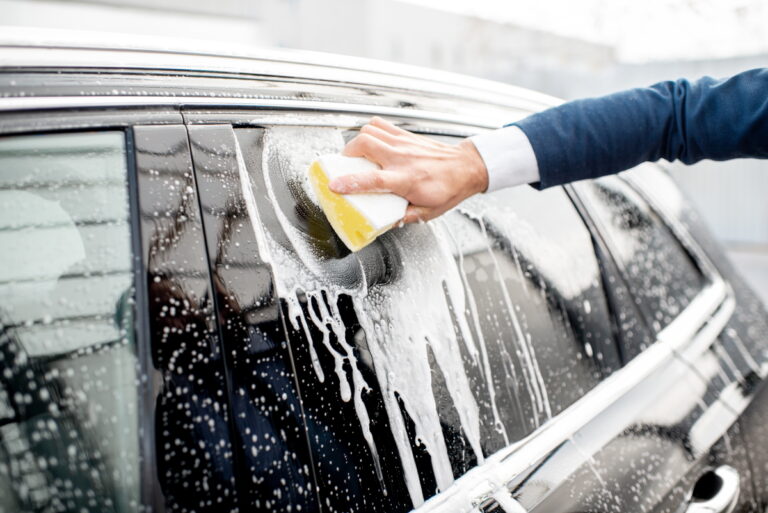
Image Source: qualityautoglasstint.com
Deciphering the Waiting Game: Why You Must Wait
Getting window tint involves applying a thin film to the inside surface of your car’s windows. This film is held in place by a special adhesive. The installation process uses a water-based solution to position the film correctly and remove air bubbles. Once the film is in place, this solution needs time to fully evaporate and allow the adhesive to bond firmly to the glass. This process is called curing.
Grasping the Curing Process
Think of the curing process like letting glue dry. When you glue two things together, the glue isn’t strong immediately. It needs time for the water or solvent in it to go away, allowing the sticky parts to harden and create a strong hold.
With window tint, the water trapped between the film and the glass needs to evaporate. This evaporation happens naturally over time, usually through the edges of the film. During this curing time, you might see some haziness, streaks, or small water bubbles under the film. This is normal and usually disappears as the film dries.
Introducing more water or moisture to the windows before the adhesive is fully cured can cause problems. The fresh water can get under the film, preventing the original installation water from evaporating properly. This weakens the bond and can lead to the tint film lifting, bubbling, or peeling.
The length of the curing time depends on several things:
- Type of tint film: Different films and adhesives might have slightly different curing properties.
- Climate: Warm, dry weather helps the film cure faster. Cold or humid weather slows down the curing process significantly.
- Amount of slip solution used: Installers use a slip solution during installation; the amount used can affect drying time.
Because of these factors, the general advice of 3 to 7 days is a guideline. Your installer is the best source for the specific car wash wait time after tinting for your situation. They know the film they used and the local conditions. Always follow their recommendation. Washing car post window tint too soon is the main reason people have problems with new tint.
What Happens If I Wash Car Too Soon After Tint?
Washing your car, especially the windows, before the tint adhesive has fully cured carries significant risks. It’s not just about getting the tint wet on the outside; water can seep in around the edges.
Here are some common issues that can arise from washing too soon:
- Bubbling: New water gets trapped under the film, creating bubbles that might not go away this time. These can look bad and affect your view.
- Peeling: The adhesive doesn’t get a chance to bond properly. Water can lift the edges or corners of the film, causing it to peel away from the glass. Once peeling starts, it’s often hard to stop without replacing the tint.
- Adhesive Failure: The glue simply fails to create a strong, permanent bond. This can lead to the film shifting, cracking, or losing its grip on the window.
- Streaking and Haze: While some initial haze is normal, washing too soon can worsen it or make it permanent if the trapped water contains minerals or soap residue.
- Dirt Contamination: If water gets under a lifting edge, it can carry dirt with it, trapping particles between the film and the glass. This creates permanent imperfections.
Simply put, washing too soon compromises the integrity of the tint installation. It can ruin the look and function of your new tints, potentially requiring costly repairs or re-installation. So, be patient and respect the curing period. It’s the best way to protect your investment.
Washing Your Car During the Waiting Period
You’ve been told to wait 3 to 7 days before washing the windows. But what about the rest of your car? Can you wash the paint, wheels, or other parts?
Yes, you can wash parts of your car that do not involve the newly tinted windows.
- Focus on the paint and wheels: You can wash the body panels, hood, trunk, and wheels as usual.
- Be careful around windows: Take extra care to keep water and cleaning solutions away from the edges of the tinted windows during this waiting period.
- Avoid high-pressure sprayers near window edges: Even if you’re aiming at the paint, a strong spray near the window trim could potentially force water under the still-curing film edges.
- Dry carefully: When drying the painted surfaces, use a soft towel and again, avoid letting it snag or lift the edges of the window tint.
The goal is to avoid any significant amount of water getting near or under the edges of the new tint film. A careful hand wash of the body panels, avoiding direct contact with the window edges, is generally fine during the waiting period. Just hold off on washing the windows themselves.
Washing Your Car Post Window Tint (After Curing)
Once the recommended waiting period is over, and the tint film has fully cured (meaning the haziness and bubbles are gone), you can wash your entire car, including the tinted windows. However, how you wash it still matters for the longevity and appearance of the tint. Washing car post window tint safely requires some specific practices.
The main consideration for cleaning tinted windows after curing is to avoid damaging the film. Window tint is durable, but it can be scratched or damaged by harsh chemicals or abrasive materials.
Automatic vs Hand Wash Tinted Windows
When it comes to washing your entire car after the tint has cured, you have two main options: an automatic car wash or a hand wash. Let’s look at automatic vs hand wash tinted windows.
Automatic Car Washes
Using an automatic car wash after your tint has cured is possible, but it comes with risks depending on the type of automatic wash.
- Brush or Cloth Washes: These washes use large brushes or cloth strips that come into direct contact with your car’s surface, including the windows. These brushes or cloths can sometimes be stiff or hold onto dirt particles from previous cars.
- Risk: The mechanical action of these brushes can potentially scratch the surface of the tint film over time. While modern films are scratch-resistant, repeated exposure to abrasive contact can cause fine scratches or dull the finish. They might also catch on a poorly cured or slightly lifted edge, causing damage.
- Recommendation: Avoid these types of automatic washes if possible.
- Touchless Automatic Washes: These washes use high-pressure water jets and strong chemicals to clean the car without physical contact.
- Risk: The high-pressure water jets, especially if focused directly at window edges, could potentially lift or damage the film over time, particularly if there are any minor imperfections in the installation or curing. Also, some harsh cleaning chemicals used in touchless washes might not be ideal for long-term tint film health, although this is less common with modern films compared to older types.
- Recommendation: Touchless washes are safer than brush washes for tinted windows, but they are still not risk-free. If you must use an automatic wash, a touchless one is the preferred option after the full curing period. However, hand washing remains the safest method.
Hand Washing Tinted Windows
Hand washing is widely considered the best way to wash car after tint installation and curing. It gives you control over the cleaning products used, the amount of pressure applied, and the materials touching the film.
Best Way to Wash Car After Tint (Hand Washing)
Here is a guide on the best way to wash car after tint film has fully cured, focusing on protecting the tinted windows.
Washing the Outside of Tinted Windows:
- Use Mild Soap: Use a car wash soap that is safe for painted surfaces. Most car wash soaps are mild and won’t harm the exterior of the tint film. Avoid harsh detergents or degreasers.
- Use Soft Washing Tools: Use a clean, soft car wash mitt or sponge. Avoid abrasive brushes or pads.
- Wash Gently: Wash the windows just like you would the rest of the car body. Apply gentle pressure.
- Rinse Thoroughly: Rinse off all soap residue with clean water.
- Dry Carefully: Use a clean, soft microfiber drying towel to dry the windows. Microfiber is gentle and highly absorbent. Wipe in straight lines or gently blot. Be mindful of the edges, but you don’t need to treat them like fragile objects after the cure period is over.
Cleaning the Inside of Tinted Windows:
This is where you need to be most careful with product choice. The tint film is applied to the inside of the glass.
- Choose the Right Cleaner: Never use ammonia-based glass cleaners (like many common household window cleaners) on tinted windows. Ammonia can damage the adhesive and the film itself, causing it to bubble, peel, fade, or break down over time.
- Look for cleaners specifically labeled “safe for tinted windows” or “ammonia-free.”
- Mild soap and water is often the safest and most recommended option.
- Rubbing alcohol diluted heavily with water (e.g., 70% alcohol diluted 1:10 with water) can sometimes be used for stubborn spots, but check with your installer or tint manufacturer first.
- Use Soft Cloths: Use only clean, soft microfiber cloths for cleaning the inside of the tinted windows. Paper towels, rough cloths, or sponges can scratch the film. Dedicate specific microfiber cloths for window cleaning to ensure they are free of dirt particles that could cause scratches.
- Spray onto the Cloth, Not the Window: To avoid overspray getting into window mechanisms or under the film edges (especially if the edge isn’t perfectly sealed), spray your chosen cleaner directly onto your microfiber cloth, not onto the window itself.
- Wipe Gently: Wipe the inside of the window gently in straight lines, working from top to bottom. Do not scrub aggressively.
- Buff Dry: Use a second clean, dry microfiber cloth to gently buff the window and remove any streaks or leftover cleaner.
Table: Safe vs. Unsafe Window Cleaners for Tinted Windows
| Feature | Safe Cleaners | Unsafe Cleaners |
|---|---|---|
| Key Ingredient | Ammonia-free, mild surfactants | Contain Ammonia |
| Examples | Tint-specific cleaners, Mild soap/water, Diluted rubbing alcohol (check manufacturer) | Standard household glass cleaners (e.g., Windex), Harsh detergents |
| Effect on Tint | Cleans without harming film or adhesive | Can damage adhesive, cause bubbling, peeling, fading |
| Material | Microfiber cloths | Paper towels, rough rags, abrasive pads |
This table provides quick car wash advice after window tint has cured regarding cleaning products.
Caring for Tinted Windows After Installation
Beyond the initial curing period and the first wash, ongoing proper care is essential to keep your window tints looking good and lasting for years. Caring for tinted windows after installation is simple once you know the basics.
Here are key tips for caring for your tinted windows long-term:
- Stick to Ammonia-Free Cleaners: This is the most important rule for cleaning the inside of your windows. Make it a habit to check cleaner labels.
- Use Soft Microfiber Cloths: Always use clean, soft microfiber for wiping and drying the inside and outside of tinted windows. Wash your microfiber cloths regularly, but avoid using fabric softeners, as they can leave a residue that streaks or damages film.
- Be Mindful of Edges (Especially on Roll-Down Windows): While cured tint is bonded, the top edge on roll-down windows is slightly more exposed. Be gentle when cleaning near this edge. Avoid picking or scratching at the edge.
- Avoid Abrasives: Do not use harsh scrub brushes, steel wool, or abrasive cleaning pads on tinted windows. These will scratch the film.
- Keep Sharp Objects Away: Be careful with sharp objects like razor blades (sometimes used for sticker removal on glass) near the tint film. These can easily cut or tear the film. If you need to remove a sticker from a tinted window, be extremely cautious or seek professional advice.
- Address Spills and Smudges Promptly: Clean off fingerprints, smudges, or spills on the inside of the window relatively quickly using your safe cleaning method. Allowing substances to sit on the film for a long time might make them harder to remove.
- Follow Installer Recommendations: Your tint installer might have specific recommendations based on the type of film they used. They may suggest specific cleaning products or have other care tips. Always listen to their advice.
By following these simple steps for cleaning tinted windows after curing and for long-term care, you can ensure your investment in window tint remains in excellent condition. The initial waiting period and careful washing practices are key to avoiding problems down the line.
Recapping the Process: How Soon Car Wash After Window Tint Install?
Let’s quickly summarize the timeline and steps for how soon car wash after window tint install:
- Immediately After Install: DO NOT wash the tinted windows. Avoid rolling the windows down. The adhesive is wet and vulnerable.
- During the Curing Period (Typically 3-7 Days):
- DO NOT wash the tinted windows.
- Avoid rolling windows down.
- DO NOT use automatic car washes.
- You MAY wash the paint, wheels, and other body parts, but be very careful to avoid getting water or cleaners near the edges of the tinted windows. Avoid high-pressure spray near windows.
- After the Curing Period (When haze/bubbles are gone and installer says it’s OK):
- You CAN wash the entire car, including the tinted windows.
- Hand washing is the best way to wash car after tint.
- If using an automatic wash, choose a touchless one only after curing, but be aware of potential risks.
- When cleaning the inside of tinted windows, use only ammonia-free cleaners and soft microfiber cloths.
- For cleaning the outside, use regular car wash soap and soft tools.
- Long-Term Care: Continue to use ammonia-free cleaners inside, soft microfiber cloths, and avoid abrasives or sharp objects on the film.
Following this car wash advice after window tint is installed will help ensure your tint lasts as intended. The short waiting period is a small price to pay for long-term durability and appearance.
Frequently Asked Questions (FAQ)
Q: How long after window tint car wash is safe?
A: It is generally safe to wash your car’s paint and body almost immediately after tinting, but you must wait at least 3 to 7 days before washing the tinted windows themselves. This allows the tint film adhesive to cure properly.
Q: What is the best way to wash car after tint has cured?
A: The best way to wash your car after the window tint has fully cured is by hand washing. This gives you control over the water pressure, cleaning products, and materials used, minimizing the risk of damaging the film.
Q: Can I go through an automatic car wash after tinting?
A: It is strongly recommended to avoid automatic car washes, especially brush or cloth types, for at least 3-7 days after tinting. Even after curing, brush washes can potentially scratch the film. Touchless washes are safer after the curing period, but hand washing is still the safest option.
Q: What happens if I get my tinted windows wet too soon?
A: Getting your tinted windows wet before the adhesive has fully cured can interfere with the drying process, leading to the film lifting, peeling, bubbling, or the adhesive failing.
Q: How do I clean the inside of my tinted windows safely?
A: Always use an ammonia-free glass cleaner or mild soap and water on the inside of tinted windows. Apply the cleaner to a clean, soft microfiber cloth first, then gently wipe the window. Never use abrasive materials like paper towels or rough cloths.
Q: Is the hazy look after tinting normal?
A: Yes, it is normal to see some haziness, streaks, or small water bubbles under the tint film immediately after installation. This is trapped moisture from the installation process. It should disappear within the 3-7 day curing period as the film dries.
Q: Does climate affect how soon I can wash my car after tinting?
A: Yes, climate plays a big role. Warm and dry weather speeds up the curing process, potentially allowing you to wash sooner (though still follow the 3-7 day rule). Cold or humid weather slows curing down, meaning you might need to wait longer, possibly even up to two weeks in some cases. Always check with your installer.
Q: Can I roll down my tinted windows right away?
A: No, you should avoid rolling down your tinted windows for the same 3 to 7 day curing period after installation. The edges of the film are vulnerable when wet and can catch on the window seal, causing the film to peel or lift.
Q: What kind of soap is safe for washing the outside of tinted windows?
A: Most standard car wash soaps designed for washing paint are safe for the outside of tinted windows. Just avoid harsh degreasers or cleaners containing abrasive particles.
Q: My tint has peeled after washing too soon. Can it be fixed?
A: Minor lifting might sometimes be repairable by a professional if caught early. However, if the film has significantly peeled, bubbled badly, or has dirt contamination trapped underneath, it often requires removing the old film and re-tinting the window. This is why waiting to wash is so important.
By understanding the curing process and following a few simple guidelines, you can safely keep your car clean while protecting your new window tints. Patience in the first week will pay off with beautiful, long-lasting tint.