Yes, a manual car can absolutely have a remote start. While it might seem like a complex proposition due to the inherent nature of a manual transmission, it is entirely possible with the right setup and precautions. The idea of warming up your stick shift car on a cold morning before you even step outside is no longer just a dream for automatic owners.
The thought of remotely starting a vehicle with a clutch pedal and gears can raise eyebrows. After all, an automatic transmission car is a relatively straightforward process for a remote starter to handle – it just needs to be in park. But a manual? That requires a bit more intelligence and a lot more safety built into the system. Let’s dive into the world of manual transmission remote start and explore how this convenient feature can be a reality for drivers of stick shift vehicles.
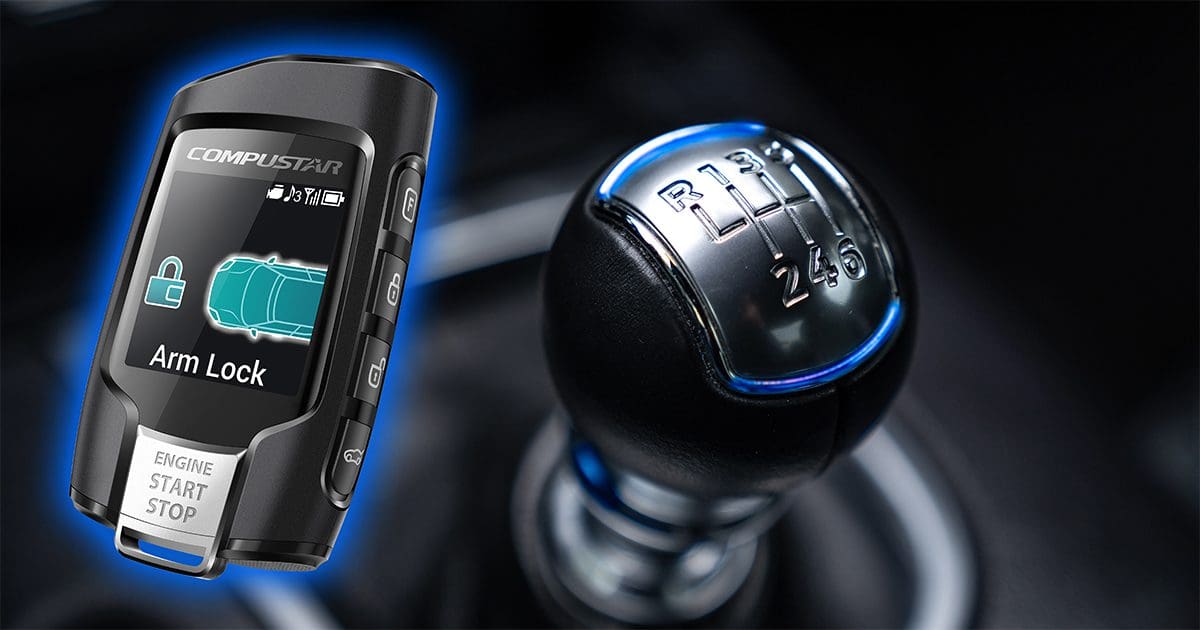
Image Source: www.bestcaraudio.com
The Core Challenge: Safety First!
The primary concern when discussing remote start for stick shift vehicles revolves around safety. Unlike an automatic, a manual transmission can be left in gear. If a car with a manual transmission were to start in gear without proper precautions, it could lurch forward or backward unpredictably, potentially causing damage or injury. This is the biggest hurdle that any aftermarket remote start manual system must overcome.
How Does a Remote Start Work on a Manual?
The magic behind a manual transmission remote start lies in a series of safety protocols and interlocks. These systems are designed to prevent the car from starting if it’s not in neutral. Here’s a breakdown of the common methods and components involved:
Ensuring Neutral Position
Before the remote start can even attempt to fire up the engine, the system needs to confirm that the car is indeed in neutral and the parking brake is engaged. This is typically achieved through several methods:
- Clutch Pedal Switch: Most remote starter kit manual installations will integrate a switch with the clutch pedal. The system will verify that the clutch pedal is fully depressed before allowing the remote start sequence to begin. This is a crucial safety feature.
- Neutral Safety Switch: Many manual cars have a factory-installed neutral safety switch that prevents the car from starting if it’s not in neutral. A remote start system can be wired to work in conjunction with this switch.
- Parking Brake Activation: The system will also require the parking brake to be firmly engaged. This adds another layer of security, ensuring the vehicle won’t roll once the engine starts.
The Pre-Start Sequence: A Step-by-Step Guide
So, how do you actually use a remote start on a manual car? It’s a slightly more involved process than with an automatic, designed to keep you and others safe. Here’s a typical sequence for adding remote start to manual transmission:
- Initiate Remote Start: Press the remote start button on your key fob.
- System Check: The remote start systems manual will outline the specific steps, but generally, the system will perform internal checks.
- Confirm Neutral & Brake: The system will check that the clutch pedal is depressed (if a switch is installed) and that the parking brake is engaged.
- Engine Cranking: If all safety checks pass, the starter motor will engage, and the engine will start.
- Idle Time: The engine will typically idle for a set period (e.g., 5-15 minutes) to warm up.
- Disabling Remote Start: When you arrive at your car, you’ll need to insert the key into the ignition and turn it to the “on” position. This “hands off” the remote start system.
- Drive Away: You can then disengage the parking brake and, importantly, depress the clutch pedal before shifting into first gear to drive away.
Important Note: You never remove the key from the ignition while the engine is running and the parking brake is engaged if you intend to drive the car normally. This is a critical safety step for manual transmission remote start systems.
Options for Remote Starting Your Manual Car
There are primarily two ways to get a remote start system installed in a manual transmission vehicle: purchasing an aftermarket remote start manual kit and installing it yourself or having it professionally installed.
DIY Remote Start Manual Installation
For the mechanically inclined, a DIY remote start manual project can be a rewarding experience. However, it’s crucial to understand that installing a remote start system, especially in a manual transmission vehicle, is a complex electrical job. It involves tapping into various vehicle wires, understanding relay logic, and ensuring all safety features are correctly implemented.
What You’ll Need for a DIY Remote Start Manual Installation:
- A Quality Remote Starter Kit: Look for kits specifically designed for or compatible with manual transmissions. These will include the necessary safety features like clutch bypass and neutral safety inputs.
- Wiring Harnesses and Connectors: Ensure you have the correct connectors for your vehicle’s make and model.
- Wire Strippers, Crimpers, and Soldering Iron: For making secure electrical connections.
- Multimeter: Essential for testing wires and ensuring correct voltage.
- Wiring Diagram for Your Vehicle: This is non-negotiable. You need to know which wires control ignition, starter, brake lights, etc.
- Patience and Precision: This isn’t a job to rush.
Key Steps in How to Install Remote Start Manual:
- Research Your Vehicle: Obtain a detailed wiring diagram for your specific car. This is paramount for successful installing remote start stick shift.
- Identify Connection Points: Locate the wires for ignition, starter, accessory, brake lights, hazard lights, and more.
- Install Safety Features: This is where how to install remote start manual gets critical. Wire in the clutch pedal safety switch and ensure the parking brake engagement is recognized by the system.
- Connect the Main Module: Wire the remote start module to the appropriate vehicle circuits.
- Program the System: Many kits require programming to recognize your specific vehicle’s electrical system.
- Test Thoroughly: Before closing everything up, test all functions of the remote start system, especially the safety interlocks.
If you’re not comfortable with automotive electrical systems, it’s highly recommended to seek professional help.
Professional Installation of Remote Start Systems Manual
This is often the preferred route for most owners. Professional installers have the experience, tools, and knowledge to correctly integrate a remote starter kit manual into your vehicle. They are familiar with the nuances of adding remote start to manual transmission and can ensure all safety features are robust.
Benefits of Professional Installation:
- Expertise: Technicians understand complex vehicle electronics.
- Warranty: Professional installation often comes with a warranty on the labor.
- Safety Assurance: You can be more confident that the safety interlocks are correctly wired and functioning.
- Time Savings: Professionals can typically complete the installation much faster than a DIYer.
When choosing an installer, look for shops that specialize in car electronics and have a good reputation for working with manual transmission vehicles. Don’t hesitate to ask about their experience with installing remote start stick shift and the specific safety features they implement.
Features to Look for in a Manual Transmission Remote Start System
Not all remote start systems are created equal, especially when it comes to supporting manual transmissions. Here are some key features to consider when selecting a system or discussing installation with a professional:
Safety and Security Features
These are non-negotiable for remote start systems manual:
- Clutch Pedal Bypass: The system must have a way to detect if the clutch pedal is pressed. This is often a microswitch installed on the pedal arm.
- Neutral Safety Lockout: The system should prevent starting if the car is in gear. This is typically achieved by monitoring the clutch switch or the vehicle’s neutral safety switch.
- Parking Brake Verification: The system should confirm the parking brake is engaged before allowing the engine to start.
- Ignition Key Confirmation: Upon arriving at the vehicle, the key must be turned to the “on” position before you can drive. This effectively “hands off” the remote start and re-engages the vehicle’s normal ignition system.
Range and Functionality
- Range: How far away can you start your car? Look for systems with good range, especially if you park far from your home or office.
- Two-Way Communication: Some fobs provide feedback, confirming that the car has started or if there was an error.
- Keyless Entry Integration: Many systems can also be programmed to lock/unlock your doors remotely.
- Alarm System Integration: Some advanced systems can integrate with or act as a basic alarm.
Ease of Use
- Simple Operation: While there’s a specific sequence for manual cars, the process should be straightforward once you know it.
- Clear Instructions: The system’s manual should clearly explain how to use it and the safety procedures.
Fathoming the Process: What Happens Under the Hood?
When you press that button on your remote, a complex chain of events begins within the remote start module and your car’s electrical system. For manual transmission remote start, this process is more intricate.
The Electronic Brains
The remote start module is essentially a small computer that communicates with your car’s factory systems. It’s programmed with specific instructions for your vehicle. When it receives the remote start signal:
- Receives Signal: The module’s antenna picks up the command from your key fob.
- Executes Programmed Sequence: Based on its programming for manual vehicles, it starts its safety checks.
- Checks Clutch and Brake: It sends signals to verify that the clutch pedal switch is activated and the parking brake is engaged.
- Initiates Start: If all conditions are met, it sends a signal to the starter solenoid, just like turning the key.
- Manages Engine Run: It keeps the engine running for the pre-programmed duration or until another command is received.
The Role of Safety Devices
- Clutch Switch: This is a simple on/off switch installed near the clutch pedal. When the pedal is fully depressed, it closes the circuit, signaling to the remote start module that the clutch is engaged. This is a critical component for remote start for stick shift.
- Parking Brake Switch: Many vehicles have a switch that activates when the parking brake is pulled. The remote start system taps into this to confirm the brake is applied.
Considerations for Specific Vehicles
While the general principles apply, adding remote start to manual transmission vehicles can have specific nuances depending on the car’s make, model, and year.
Older vs. Newer Manual Cars
- Older Cars: May have simpler electrical systems, making them easier to wire into. However, finding compatible components and reliable wiring diagrams might be more challenging.
- Newer Cars: Often have more complex computer systems (CAN bus, etc.) that require more advanced bypass modules and programming. While more complex, they might offer more sophisticated integration possibilities.
Keyless Ignition Systems
Cars with push-button start and keyless entry can present a unique challenge for aftermarket remote start manual installation. These systems require special bypass modules to mimic the insertion of a key and the push of a button.
Common Misconceptions and Worries
It’s natural to have concerns about remote start systems manual. Let’s address some common worries:
“Will it damage my clutch?”
When installed correctly with the clutch pedal safety switch, the remote start system will not engage the starter if the clutch pedal is not depressed. This prevents unnecessary wear on the clutch and the starter. The car will only start when the clutch is down, simulating normal starting procedure.
“Is it safe?”
Yes, with proper installation and adherence to the operating procedure, it is safe. The safety interlocks – clutch switch and parking brake engagement – are designed to prevent accidental movement. It’s crucial to always follow the sequence: arrive, insert key, turn to “on,” then drive.
“Is it worth the cost?”
For many drivers, especially those in colder climates or who value convenience, the cost of a professionally installed manual transmission remote start is well worth the ability to warm up or cool down their car before entering.
Maintaining Your Remote Start System
Once installed, like any automotive accessory, your remote start system will benefit from occasional checks.
Regular Testing
Periodically test the remote start functionality to ensure it’s still working correctly. Pay attention to the safety features.
Professional Check-ups
If you notice any unusual behavior or have concerns, have it checked by a professional installer.
Popular Remote Start Brands and Considerations
Several reputable brands offer high-quality remote start systems that can be adapted for manual transmissions. When looking for an aftermarket remote start manual, consider brands like:
- Compustar: Known for advanced features and reliability.
- Viper: A widely recognized brand with a broad range of products.
- Directed (Dolby): Offers various solutions, including DroneMobile for smartphone control.
- Arctic Start: Often specializing in systems suitable for extreme climates.
When purchasing, always confirm with the manufacturer or the seller that the specific remote starter kit manual you are looking at is compatible with manual transmissions and includes the necessary safety features.
The Future of Remote Start in Manual Cars
As technology advances, we might see even more integrated and seamless remote start solutions for manual transmission vehicles. This could include smarter vehicle recognition systems or factory-integrated options that become more common. For now, the existing aftermarket remote start manual solutions provide a fantastic blend of convenience and safety.
Enhancing Convenience
The appeal of remote start for stick shift is undeniable. Imagine a frosty morning where you can start your car, let it warm up, and then step into a comfortable cabin. Or on a scorching summer day, you can activate the AC remotely. This level of comfort is now within reach for manual transmission drivers.
The Appeal of DIY
For those who enjoy working on their cars, the DIY remote start manual route offers a chance to save money and gain a deeper understanding of their vehicle’s electronics. It’s a project that requires dedication but can be very rewarding.
Professional Expertise for Peace of Mind
Ultimately, whether you choose a DIY approach or professional installation, the key to a successful and safe manual transmission remote start is diligence. Researching your vehicle, selecting the right components, and meticulously following installation procedures are paramount.
Conclusion: Enjoy the Convenience!
So, to answer the burning question: Can a manual car have a remote start? Absolutely, yes! With the right aftermarket remote start manual kit and careful installation, you can enjoy the luxury of starting your car from a distance. It’s a testament to how modern automotive technology can adapt and provide convenience even for vehicles with traditional transmissions. Whether you’re a DIY enthusiast looking to tackle the challenge of how to install remote start manual or you prefer the expertise of a professional for installing remote start stick shift, the result is the same: a more comfortable and convenient driving experience. Embrace the future and enjoy warming up or cooling down your manual car before you even get behind the wheel!
Frequently Asked Questions (FAQ)
Q1: Can I really remote start my manual car safely?
A: Yes, when a remote start system for a manual transmission is installed correctly with all the necessary safety features (like clutch pedal activation and parking brake confirmation), it is safe to use.
Q2: What is the most important safety feature for a manual remote start?
A: The most crucial safety feature is the clutch pedal switch. The system must verify that the clutch pedal is depressed before it will attempt to start the engine. This prevents the car from lurching forward or backward if left in gear.
Q3: Do I need a special remote starter kit for a manual car?
A: Yes, you need a remote starter kit manual that is specifically designed for or has the capability to be programmed for manual transmission vehicles. These kits include the necessary hardware and wiring configurations for the safety interlocks.
Q4: How do I drive the car after it has been remotely started?
A: After the engine has started remotely, you must insert your key into the ignition and turn it to the “on” position to disengage the remote start system. Then, you can depress the clutch pedal, shift into first gear, and drive away as you normally would.
Q5: Can I install a remote start on my manual car myself?
A: Yes, it is possible to do a DIY remote start manual installation if you have a good understanding of automotive electrical systems, the necessary tools, and access to your vehicle’s wiring diagrams. However, it is a complex process, and many people opt for professional installation to ensure safety and proper function.
Q6: Will remote starting my manual car wear out my clutch?
A: No, a properly installed manual transmission remote start system will only crank the engine when the clutch pedal is depressed. This is the same action you take when starting the car manually, so it does not cause any additional wear on the clutch or starter.
Q7: What if I forget to put my manual car in neutral before remote starting?
A: A properly installed remote start for stick shift system will prevent the engine from starting if the clutch pedal is not depressed and/or the parking brake is not engaged. This is the primary safety mechanism. Always follow the prescribed pre-start procedure for your specific system.
Q8: Are there different types of remote start systems for manual cars?
A: While the core functionality remains similar, there are variations in range, features (like smartphone control), and complexity of installation. When looking for remote start systems manual, consider these differences based on your needs and budget.
Q9: How much does it typically cost to have a remote start installed on a manual car?
A: The cost can vary significantly depending on the brand of the remote starter kit manual, the complexity of your vehicle’s electrical system, and the installer’s labor rates. Expect to pay anywhere from $200 to $600 or more for professional installation of a quality system.
Q10: Can I add remote start to a very old manual car?
A: It is often possible, but the complexity of adding remote start to manual transmission in older vehicles can depend on the availability of reliable wiring diagrams and the simplicity of the existing electrical system. Older cars can sometimes be easier for DIY installation due to fewer complex electronic modules.