Yes, a dirty cabin filter can absolutely affect your car’s AC system. A clogged cabin air filter restricts airflow, making your AC work harder, reducing its cooling power, and potentially leading to AC system issues. This can also cause dirty AC vents, unpleasant AC smells car, and a general decrease in HVAC performance car.
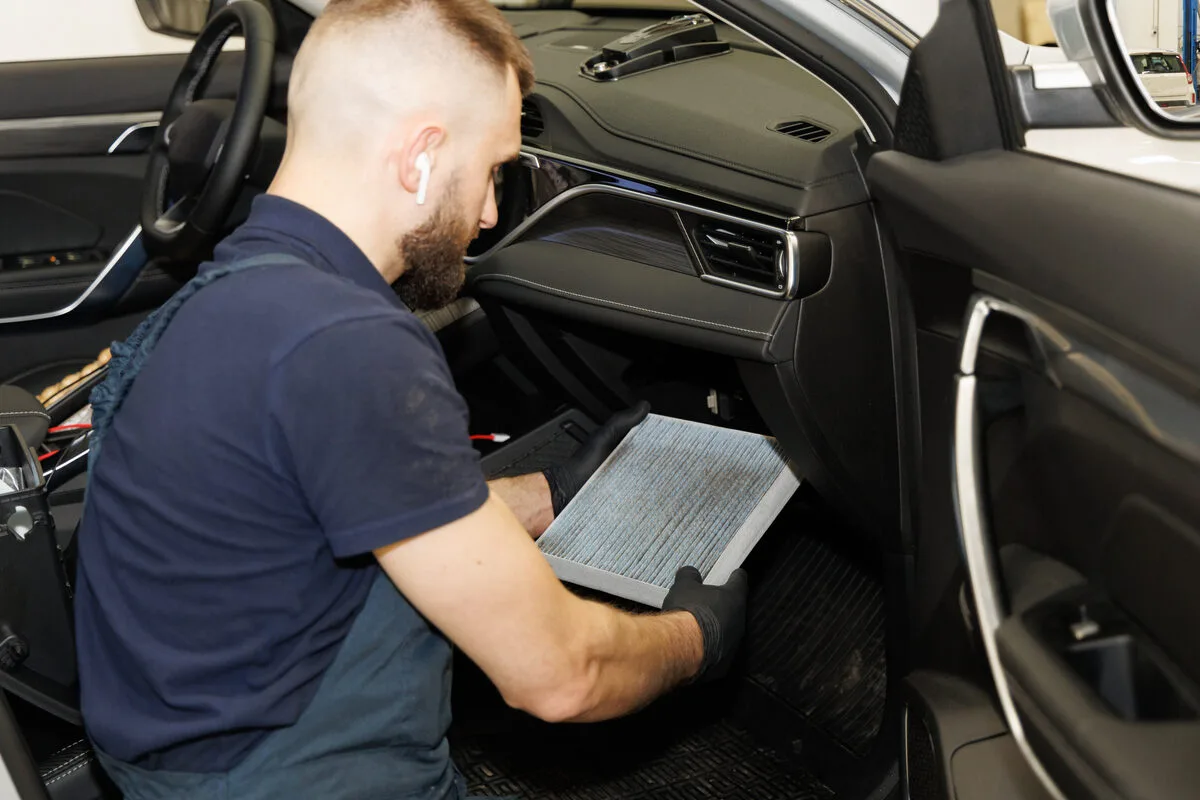
Image Source: www.discountfilters.com
The Crucial Role of Your Cabin Air Filter
Your car’s cabin air filter is a vital component that often gets overlooked. Think of it as the lungs of your car’s interior climate control system. Its primary job is to filter out pollutants, dust, pollen, and other airborne contaminants before they enter the passenger cabin through your air vents. This ensures the air you breathe inside your car is clean and fresh. However, like any filter, it has a finite lifespan and can become overwhelmed with debris.
How a Cabin Air Filter Works
When you turn on your car’s air conditioning or heating system, the fan draws air from the outside (or recirculates air from inside the cabin). This air is then forced through the cabin air filter. The filter material, typically made of pleated paper or synthetic fibers, acts as a barrier, trapping particles of various sizes. The cleaner the air that passes through, the better the performance of your AC and the healthier the air you breathe.
Signs of a Clogged Cabin Air Filter
A dirty or clogged cabin air filter doesn’t usually fail catastrophically; instead, its performance degrades over time, leading to subtle but noticeable symptoms. Recognizing these signs early can save you from more significant AC problems and discomfort.
Reduced Airflow
One of the most immediate and obvious signs of a clogged cabin air filter is a significant reduction in the amount of air coming out of your AC vents. If you notice that the airflow from your vents has become weak, even on the highest fan setting, your cabin air filter is likely the culprit. This poor airflow AC car makes it harder for your AC to cool or heat the cabin effectively.
Weak Cooling or Heating
When the cabin air filter is clogged, it restricts the amount of air that can pass through the evaporator (for cooling) or heater core (for heating). This means less conditioned air reaches your cabin, leading to reduced cooling efficiency or slower heating. Your AC system has to work much harder to try and maintain a comfortable temperature, putting a strain on its components.
Unpleasant Odors
A dirty cabin air filter can become a breeding ground for mold, mildew, and bacteria, especially if it gets damp. As air passes through this contaminated filter, it can pick up these microorganisms and release them into the cabin, resulting in unpleasant AC smells car. These odors can range from musty and damp to a more acrid, unpleasant scent.
Frequent Fogging of Windows
A compromised cabin air filter can affect the defroster’s ability to clear your windows. If your defroster seems less effective than usual, it could be due to restricted airflow from a dirty filter, preventing sufficient air from reaching the windshield.
Increased Dust in the Cabin
Paradoxically, if your cabin air filter is severely clogged or damaged, it might not be trapping dust effectively. This can lead to more dust settling on your dashboard and other interior surfaces.
The Ripple Effect: How a Dirty Cabin Filter Impacts Your AC System
The consequences of a clogged cabin air filter extend beyond mere discomfort. It can lead to serious AC system issues and damage to other components within your vehicle’s HVAC system.
Strain on the Blower Motor
The blower motor is responsible for pushing air through the cabin. When a cabin air filter is clogged, the blower motor has to work against a greater resistance to force air through. This increased workload can cause the motor to overheat and eventually fail prematurely, leading to an expensive repair.
Reduced Cooling Efficiency and Overworking the Compressor
A restricted airflow means less air passes over the dirty evaporator coil. The evaporator is where the refrigerant absorbs heat from the cabin air. If less air flows over it, the evaporator cannot efficiently absorb heat, leading to reduced cooling efficiency. To compensate, the AC compressor will have to run for longer periods and at higher pressures, increasing wear and tear and potentially leading to compressor failure.
Potential for Freeze-Ups
In some cases, severe airflow restriction can cause the evaporator coil to get too cold and freeze over. When the evaporator freezes, it blocks airflow entirely, rendering your AC system useless. This is a serious issue that requires immediate attention.
Impact on the Condenser
While the cabin air filter doesn’t directly impact the clogged condenser (which is typically located at the front of the car and deals with outside air), the overall inefficiency caused by a dirty cabin filter can indirectly affect the AC system’s ability to regulate pressure. A system that is constantly struggling due to poor airflow might operate outside its optimal pressure ranges, which could, over time, contribute to stress on other components.
Compromised HVAC Performance Car
Ultimately, a dirty cabin air filter degrades the overall HVAC performance car. Both heating and cooling become less effective, air quality suffers, and the lifespan of critical components is shortened.
Why Regular Cabin Air Filter Replacement is Essential
Preventing these issues is straightforward: regular cabin air filter replacement. It’s a simple, inexpensive maintenance task that pays significant dividends in the long run.
Recommended Replacement Intervals
Most car manufacturers recommend replacing the cabin air filter every 12,000 to 15,000 miles or once a year, whichever comes first. However, this can vary depending on your driving conditions. If you frequently drive in dusty environments, on unpaved roads, or in areas with heavy pollution, you might need to replace it more often.
The Cost-Benefit Analysis
Consider the cost of a new cabin air filter (typically $20-$50) versus the cost of repairing a damaged blower motor, AC compressor, or evaporator coil. The savings from regular replacement are substantial.
Diagnosing and Replacing Your Cabin Air Filter
Replacing a cabin air filter is often a DIY-friendly task, although its location can vary by vehicle.
Common Locations
- Behind the glove box: This is the most common location. You’ll usually need to open the glove box and then release it from its mounting to access the filter housing.
- Under the dashboard: Some vehicles have the filter located under the passenger or driver’s side dashboard.
- Under the hood: In some models, the cabin air filter is located in a housing near the windshield wipers.
Steps for Replacement (General Guide)
- Consult your owner’s manual: Always refer to your vehicle’s owner’s manual for the precise location and replacement procedure.
- Gather your tools: You might need a screwdriver or a trim removal tool, depending on your car model.
- Locate the filter housing: Follow your owner’s manual to find it.
- Remove the old filter: Open the housing and slide out the old, dirty filter. Note the airflow direction arrow on the old filter.
- Insert the new filter: Slide the new filter into the housing, ensuring the airflow direction arrow points correctly (usually towards the cabin).
- Close the housing and reassemble: Secure the filter housing and reattach any components you removed (like the glove box).
When to Seek Professional Help
If you’re uncomfortable performing the replacement yourself or can’t locate the filter, it’s best to take your car to a qualified mechanic. They can perform the cabin air filter replacement quickly and efficiently.
Other Factors Affecting AC Performance
While a dirty cabin air filter is a common culprit for AC issues, other factors can also contribute to poor HVAC performance car and AC system issues.
Dirty Evaporator Coil
The evaporator coil, located inside the dashboard, is responsible for cooling the air. If it becomes covered in dust, debris, or mold, it can significantly reduce cooling efficiency. This is often a consequence of neglecting cabin air filter replacement and can lead to AC smells car.
Clogged Condenser
The clogged condenser, situated at the front of your vehicle, dissipates heat from the refrigerant. If it’s blocked by leaves, dirt, or road debris, it can’t effectively release heat, leading to poor cooling performance and increased system pressure.
Low Refrigerant Levels
If your car’s AC system is low on refrigerant, it won’t be able to cool the cabin effectively. This can be due to a leak in the system.
Faulty Blower Motor or Resistor
As mentioned earlier, a failing blower motor can cause poor airflow AC car. The blower motor resistor controls the fan speed, and if it fails, your fan might only work on one speed setting or not at all.
Leaks in the AC System
Any leaks in the refrigerant lines, compressor, or seals can lead to a loss of refrigerant and diminished cooling.
Maintaining Optimal HVAC Performance Car
Keeping your car’s HVAC system running smoothly involves a few key maintenance practices:
Regular Cabin Air Filter Replacement
This cannot be stressed enough! Make it a part of your routine maintenance.
Inspect and Clean the Condenser
Periodically check the front of your car for debris blocking the condenser and gently clean it if necessary.
Professional AC System Checks
Consider having your AC system checked by a mechanic periodically, especially if you notice any performance issues. They can check refrigerant levels, look for leaks, and inspect other critical components.
Keep Vents Clear
Ensure that dirty AC vents are cleaned and that no obstructions are blocking airflow from the vents.
Conclusion: The Simple Solution to Big AC Problems
The impact of a dirty cabin air filter on your car’s AC system is undeniable. From poor airflow AC car and reduced cooling efficiency to unpleasant AC smells car and potential damage to vital components like the evaporator and blower motor, a neglected cabin filter can turn a comfortable drive into a frustrating and expensive ordeal. Prioritizing regular cabin air filter replacement is one of the simplest and most cost-effective ways to maintain optimal HVAC performance car and ensure your car’s AC system remains reliable and effective for years to come. Don’t let a little bit of dust and debris cause significant AC system issues – check and replace your cabin air filter regularly!
Frequently Asked Questions (FAQ)
Q1: How often should I replace my cabin air filter?
A1: Most manufacturers recommend replacing your cabin air filter every 12,000 to 15,000 miles or once a year, whichever comes first. However, if you drive in dusty conditions, you may need to replace it more frequently.
Q2: Can a dirty cabin air filter cause my AC to stop working altogether?
A2: While a severely clogged filter can significantly reduce airflow, it’s unlikely to cause the entire AC system to stop working on its own. However, it can put excessive strain on components like the blower motor, which could lead to failure.
Q3: What are the signs that my cabin air filter needs replacing?
A3: Common signs include reduced airflow from the vents, a noticeable decrease in cooling or heating performance, unusual smells coming from the vents, and potentially more dust in the cabin.
Q4: Is it difficult to replace a cabin air filter myself?
A4: For most vehicles, it’s a relatively simple DIY task. The filter is usually located behind the glove box. However, consult your owner’s manual for specific instructions for your car model.
Q5: My car AC smells bad. Could it be the cabin air filter?
A5: Yes, a dirty cabin air filter can trap moisture, mold, and bacteria, leading to unpleasant odors being circulated through your car’s vents. Replacing the filter is a good first step to resolve this issue.
Q6: Does a dirty cabin air filter affect my car’s heating system too?
A6: Yes, a dirty cabin air filter restricts airflow for both the AC and the heating system. This means both cooling and heating will be less effective, impacting overall HVAC performance car.
Q7: What if my cabin air filter is not the problem, but my AC still isn’t working well?
A7: If you’ve replaced the cabin air filter and are still experiencing issues, the problem could lie with other components of the AC system, such as low refrigerant, a clogged condenser, a dirty evaporator, or a faulty blower motor. It’s recommended to have a professional mechanic inspect the system.