Yes, a car absolutely can be fixed if the airbags deploy. While a deployed airbag signals a significant impact and necessitates thorough inspection and repair, it doesn’t automatically render a vehicle irreparable. Modern automotive repair shops are equipped to handle the complex process of restoring a vehicle’s safety systems after an accident.
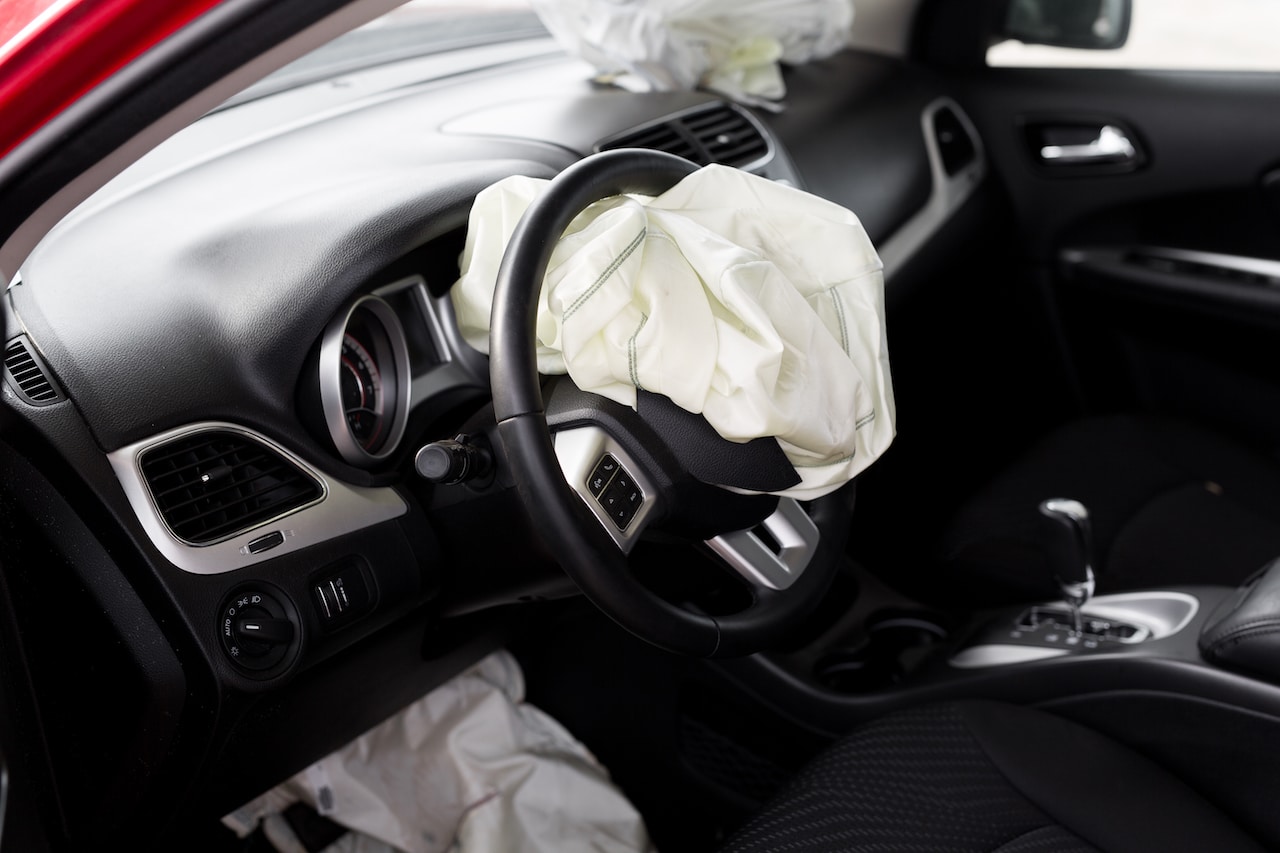
Image Source: valleycollision.com
The Aftermath of Airbag Deployment: More Than Just a Poof
When your car’s airbags deploy, it’s a sign that a serious collision has occurred, designed to protect you and your passengers. However, this event triggers a cascade of consequences beyond the visible deployment. The vehicle’s sophisticated vehicle safety system undergoes a significant change. It’s not just about replacing the fabric bags; it’s a comprehensive system that needs to be brought back to its pre-accident condition. Ignoring the aftermath can leave you vulnerable in future incidents.
What Happens When Airbags Deploy?
Airbags are part of a complex system called the Supplemental Restraint System (SRS). When sensors detect a significant impact, they send a signal to the airbag control module. This module then triggers the airbags to inflate rapidly. This process also typically:
- Deactivates the seatbelt pretensioners (which tighten seatbelts instantly in a crash).
- Can trigger other safety features like side curtain airbags, knee airbags, or even pre-crash seatbelt tightening.
- Often logs diagnostic codes within the airbag module, indicating a deployed system and potentially other fault codes related to impact sensors or seatbelt systems.
The Repair Process: Bringing Your Car Back to Safety
Fixing a car after airbag deployment involves several key steps, all handled by skilled professionals at an automotive repair shop specializing in collision repair.
1. Comprehensive Inspection: The Foundation of Repair
Before any work begins, a thorough inspection is paramount. This isn’t just about the visible damage; it’s about assessing the entire vehicle safety system.
- Structural Integrity: Technicians will check for any frame damage or compromised structural components. Even if the airbags deployed, underlying structural issues could affect future safety.
- Sensor Assessment: All impact sensors, corner sensors, and any other sensors related to the SRS need to be checked for damage or malfunction.
- Wiring and Connectors: The wiring harnesses connected to the airbags, sensors, and control module are crucial. They can be damaged or dislodged during an impact.
- Seatbelts: Seatbelt pretensioners are single-use devices. If they have deployed or are damaged, they must be replaced.
2. Airbag Replacement: The Visible Fix
This is the most obvious part of the repair. It involves replacing all deployed airbags with new ones.
What Parts Need Replacing?
- Airbag Modules: These are the fabric bags themselves, housed in various locations (steering wheel, dashboard, seats, pillars).
- Covers and Trim: The plastic covers or trim pieces that housed the airbags are typically destroyed during deployment and need replacement to restore the interior’s appearance.
- Associated Components: Sometimes, brackets or mounting hardware for the airbags might also be damaged and require replacement.
3. Airbag System Repair: Restoring the Brains and Brawn
Replacing the physical airbags is only part of the equation. The entire SRS needs to be brought back online.
The Crucial Role of the Airbag Module
The airbag control module (also known as the SRS module or ECU) is the brain of the system. In many cases, after an airbag deployment, this module records the crash data and needs to be either airbag module reset or, more commonly, replaced.
- Crash Data Retrieval and Clearing: Modern modules store significant crash data. While some modules can be reprogrammed or “reset” after a deployment, many manufacturers recommend or require replacement to ensure full functionality and proper operation in future incidents. Attempting to reuse a module that has experienced a crash without proper servicing can be risky.
- Recalibration of Sensors: Impact sensors are critical for the system’s function. After an accident, or if sensors are replaced, they often require recalibration to ensure they accurately detect impacts. This is a precise process performed by specialized equipment.
4. Seatbelt Pretensioner Replacement: The Unsung Heroes
Seatbelts are designed with pretensioners that instantly tighten them during a crash, securing occupants more effectively. When airbags deploy, these pretensioners usually also fire.
Why Pretensioners Must Be Replaced
- Single-Use Mechanism: Seatbelt pretensioners are designed for one-time use. Once fired, they cannot be reset or reused.
- Impact on Occupant Safety: Properly functioning seatbelts are as crucial as airbags. Replacing deployed pretensioners ensures that the seatbelt system will work as intended in the event of another collision.
5. SRS Light Diagnosis: Pinpointing the Problem
The SRS warning light on your dashboard illuminates when the system detects a fault. After an accident and airbag deployment, this light will almost certainly be on.
Deciphering the SRS Light
- Diagnostic Tools: Technicians use specialized diagnostic scanners to communicate with the airbag control module. These tools read fault codes that identify the specific issues within the SRS.
- Identifying Faulty Components: The SRS light diagnosis helps pinpoint which sensors, modules, or wiring may be damaged or malfunctioning, guiding the repair process.
6. Airbag Sensor Recalibration: Precision is Key
Impact sensors are finely tuned instruments that detect the forces of a collision.
The Importance of Sensor Recalibration
- Accurate Detection: If sensors are moved, replaced, or if the vehicle’s alignment is affected by the crash, recalibration is necessary to ensure they can accurately detect future impacts.
- System Balance: Proper airbag sensor recalibration ensures the entire system works in harmony, providing the right level of protection.
7. Post-Repair System Testing: The Final Check
Once all the necessary repairs are completed, the entire SRS must be tested to confirm it is functioning correctly.
- Simulated Tests: Many shops have equipment that can simulate impacts to test the system’s response without actually causing damage.
- Clearing Codes: All diagnostic trouble codes must be cleared, and the SRS warning light should remain off.
Common Misconceptions About Airbag-Deployed Cars
There are several myths surrounding cars that have had their airbags deploy, leading some owners to believe the vehicles are unsafe or unsellable.
Myth 1: The Car is Permanently Unsafe
Fact: With proper repairs, a car that has had airbags deploy can be as safe as it was before the incident. The key is to use quality parts and ensure all systems are restored to factory specifications by trained professionals.
Myth 2: The Car Will Never Be the Same
Fact: While the initial repair involves significant component replacement, modern collision repair techniques and parts are designed to return the vehicle’s structural and safety integrity. The goal is not just cosmetic but functional restoration.
Myth 3: It’s Too Expensive to Fix
Fact: The cost of airbag replacement and associated airbag system repair can be substantial. However, it’s often less expensive than purchasing a new vehicle, especially when compared to the potential risk of driving an unrepaired vehicle. Insurance companies typically cover these repairs after an accident.
Myth 4: The Car Will Always Have Electrical Gremlins
Fact: If the repair is done correctly by a reputable automotive repair shop, electrical issues are no more likely than in any other vehicle. The focus on proper wiring and module replacement mitigates these risks.
When is a Car NOT Repairable After Airbag Deployment?
While most cars can be repaired, there are rare instances where the damage is so extensive that repair is not economically or structurally viable.
Factors Indicating Unrepairable Damage:
- Severe Frame or Unibody Damage: If the vehicle’s core structure is compromised beyond repair, it may be deemed a total loss.
- Extensive Water or Fire Damage: If the car suffered significant damage from water submersion or fire, it can compromise the electronics and structural integrity, making repairs difficult and potentially unreliable.
- Economic Viability: In some cases, the cost of repairs, including airbag replacement, seatbelt pretensioner replacement, module programming, and crash data retrieval, may exceed the vehicle’s pre-accident value. This is when a car is declared a total loss by the insurance company.
Choosing the Right Repair Shop: A Critical Decision
The quality of the repair after airbag deployment significantly impacts the future safety of the vehicle.
What to Look for in an Automotive Repair Shop:
- I-CAR Certification: Look for shops that are I-CAR (Inter-Industry Conference on Auto Collision Repair) certified. This signifies that their technicians have received specialized training in collision repair and vehicle safety systems.
- Experience with SRS Systems: Ensure the shop has specific experience with airbag system repair and SRS light diagnosis. Not all general mechanics are equipped for these complex tasks.
- Use of OEM or Certified Parts: Reputable shops will use Original Equipment Manufacturer (OEM) parts or equivalent certified aftermarket parts for replacements, including airbag replacement and module resets.
- Advanced Diagnostic Equipment: The shop should have the latest diagnostic tools for accurate SRS light diagnosis and airbag sensor recalibration.
- Transparency: The shop should provide a detailed estimate of repairs and be willing to explain the process and the parts being replaced.
The Role of Insurance in Airbag Repair
After an accident where airbags deploy, your insurance company will play a significant role.
- Claim Process: The insurance adjuster will assess the damage to determine if the vehicle is a total loss or if it can be repaired.
- Approved Repairs: If the vehicle is deemed repairable, the insurance company will typically cover the cost of the necessary collision repair, including airbag replacement, airbag module reset, and all other safety system components.
- Total Loss Declaration: If the cost of repairs exceeds a certain percentage of the vehicle’s value (this threshold varies by state and insurance policy), the vehicle will be declared a total loss.
Frequently Asked Questions (FAQ)
Q1: Can I drive a car with deployed airbags?
No, it is not safe to drive a car with deployed airbags. The vehicle safety system is compromised, and the SRS warning light indicates that the airbags will not function in a subsequent collision.
Q2: How much does airbag replacement cost?
The cost of airbag replacement can vary greatly depending on the vehicle make and model, and the number of airbags that deployed. It can range from a few hundred dollars for a single airbag to several thousand dollars for a full system replacement, including the control module and sensors.
Q3: What is crash data retrieval?
Crash data retrieval (CDR) is the process of extracting information from a vehicle’s event data recorder (EDR), which is often part of the airbag control module. This data can include information about the speed, braking, steering angle, and seatbelt use just before and during a crash. While not always part of the repair itself, it’s a crucial aspect of accident reconstruction and understanding the event.
Q4: Is it legal to drive a car with the SRS light on?
While it may not be illegal in every jurisdiction, driving a vehicle with the SRS light illuminated is extremely unsafe. It signifies that the vehicle safety system is not fully operational, meaning the airbags may not deploy in a future accident.
Q5: Will my insurance pay for airbag repairs?
Yes, if the airbag deployment was due to a covered accident, your insurance policy will typically cover the cost of airbag replacement and related airbag system repair as part of your collision claim.
Conclusion: Safety First, Always
The deployment of airbags is a critical safety feature that has saved countless lives. While it necessitates significant repairs, it does not mean your car is beyond saving. With proper collision repair performed by skilled technicians at a reputable automotive repair shop, your vehicle’s vehicle safety system, including its airbags, can be restored, ensuring your continued safety on the road. Always prioritize professional assessment and repair when dealing with post-airbag deployment situations.