Do your car windows squeak when you raise or lower them? This common and often annoying car window noise can be caused by a few different things. Usually, squeaky car windows cause is due to friction between the glass and the window seals, or issues with the internal mechanisms. This guide will help you figure out why your windows are squeaking and how to fix it.
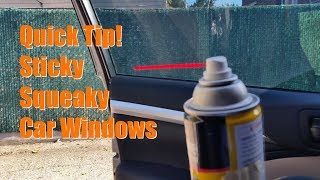
Image Source: i.ytimg.com
Fathoming the Sources of Squeaky Windows
When your car windows make a squeaking sound, it’s a clear signal that something isn’t moving as smoothly as it should. This friction can stem from several common culprits, often related to the rubber seals that surround your windows or the mechanical parts that move them. Let’s dive into the primary reasons behind this irritating car window friction.
Dried-Out or Dirty Window Seals
Over time, the rubber window weather stripping around your car doors can dry out, harden, and become less flexible. This is especially true if your car is exposed to harsh weather conditions, such as intense sun, extreme cold, or road salt. When the rubber loses its pliability, it can create a rougher surface that rubs against the glass, leading to that familiar squeak. Dirt, dust, and grime can also get trapped in these seals, adding to the friction.
Debris in the Window Channels
Your car windows slide up and down within channels. These channels are lined with felt or rubber to provide a smooth glide. However, over time, dirt, sand, grit, and other debris can accumulate in these channels. This buildup acts like sandpaper, abrading the glass and the channel lining, causing friction and that unwelcome squeak.
Worn or Damaged Window Seals
The window seal lubrication is crucial for a smooth operation. If the seals are worn out, cracked, or torn, they can no longer provide a consistent, low-friction surface for the glass. This damage can expose the metal frame or the inner workings of the door, leading to direct contact and friction, which often results in a squeaking sound.
Issues with the Window Regulator
The window regulator is the mechanical system inside your car door that actually moves the window glass up and down. This system is comprised of tracks, cables, and arms. If any of these parts become worn, bent, rusted, or are lacking in lubrication, they can create resistance. This resistance can translate into a power window squeal or a manual window squeak as the motor or your hand struggles to move the glass.
Lack of Lubrication
Both the seals and the internal components of the window mechanism require proper lubrication to function smoothly. Over time, factory lubrication can dry out or wash away, especially in older vehicles. When there’s a lack of adequate window regulator lubrication, metal-on-metal or rubber-on-glass friction increases, causing squeaking.
Sticky Car Windows
Sometimes, the issue might not be outright wear, but rather a temporary problem like sticky car windows. This can happen if the seals have been exposed to sap, residue from cleaning products, or even just a buildup of grime that hasn’t been cleaned off regularly. This stickiness can impede smooth movement, leading to squeaks.
Diagnosing the Squeak: Where to Look
Pinpointing the exact source of the squeak is the first step to fixing it. You can often get a good idea of the problem by listening carefully and performing a few simple checks.
Listen Closely
Try to determine if the squeak happens only when the window is moving, or if it also occurs when the window is stationary and you push on it. Does it happen on the way up, the way down, or both? Does it sound like it’s coming from the top edge of the window, the side, or deeper within the door panel?
Visual Inspection
Open the door and inspect the window weather stripping for any visible signs of damage, cracking, drying, or debris. Run your finger along the rubber; does it feel dry and brittle or unusually sticky? Look into the window channels as much as you can. You might be able to see accumulated dirt or grit.
Testing Manual vs. Power Windows
If you have power windows, try using the manual crank on a similar older car if possible. A manual window squeak might point more directly to the seals, while a power window squeal could indicate a problem with the motor or regulator, though seals can still be the culprit in either case.
Common Causes and Their Cures
Let’s break down the most frequent causes of squeaky car windows and explore practical solutions for each.
Dried-Out or Dirty Window Seals: Rejuvenating the Rubber
- Cause: The rubber seals dry out and lose their flexibility, or they get clogged with dirt.
- Cure:
- Cleaning: Thoroughly clean the window seals with a mild soap and water solution. Use a soft cloth or sponge. Make sure to get into all the crevices.
- Lubrication: Once clean and dry, apply a rubber-specific lubricant or protectant to the seals. Products like silicone spray or dedicated rubber treatment are excellent choices. These products rehydrate the rubber, making it more pliable and creating a smoother surface for the glass to slide against. This process is often referred to as window seal lubrication.
- Frequency: Aim to do this every few months or at least once a year, especially if you live in an area with extreme weather.
How to Apply Window Seal Lubricant
- Clean the Seals: Use a damp cloth to wipe away loose dirt and debris.
- Apply Lubricant: Spray a silicone-based lubricant or rubber protectant onto a clean cloth, not directly onto the seals. This gives you more control and prevents overspray.
- Wipe the Seals: Gently wipe the lubricant all over the rubber weather stripping on both the inside and outside of the window frame.
- Work the Window: Raise and lower the window several times to help distribute the lubricant evenly and work it into the rubber.
- Wipe Excess: Wipe away any excess lubricant with a clean, dry cloth.
Debris in the Window Channels: Clearing the Path
- Cause: Dirt, sand, and grit accumulate in the channels where the window slides.
- Cure:
- Cleaning: Carefully clean the window channels. You can use compressed air to blow out loose debris. For more stubborn dirt, you can use a vacuum cleaner with a crevice tool. A thin, flexible tool wrapped in a microfiber cloth can also be used to gently scrape out debris from the channel. This is essential for proper window channel lubrication.
- Lubrication (Channels): After cleaning, you can apply a dry lubricant like PTFE (Teflon) spray or a graphite-based lubricant into the channels. These lubricants are designed to reduce friction without attracting as much dirt as silicone-based products might in a channel environment.
Cleaning Window Channels: A Step-by-Step Guide
- Lower the Window: Fully lower the window to expose as much of the channel as possible.
- Initial Cleaning: Use compressed air to blow out any loose dust and debris.
- Vacuuming: If you have a shop vac or a vacuum with a hose and crevice tool, carefully vacuum the channels.
- Detailed Cleaning: Wrap a thin, flat object (like a plastic trim tool or a ruler) in a microfiber cloth. Gently slide this wrapped tool along the channel to dislodge and pick up any remaining dirt.
- Lubricate: Once the channels are clean and dry, apply a dry lubricant like PTFE spray or graphite spray into the channels. Work the window up and down a few times to spread it.
Worn or Damaged Window Seals: Replacement is Key
- Cause: The rubber seals are cracked, torn, or have lost their elasticity due to age and wear.
- Cure:
- Replacement: If the seals are visibly damaged, cleaning and lubrication won’t be enough. You’ll need to replace the window weather stripping. This can be a DIY job for some, or you can take it to a professional auto repair shop. New seals will restore the proper fit and reduce friction.
Window Regulator Issues: Addressing the Mechanism
- Cause: Worn or unlubricated internal components of the window regulator mechanism. This can lead to power window squeal or a manual window squeak.
- Cure:
- Lubrication: If the regulator is the culprit, it likely needs lubrication. Accessing the regulator usually involves removing the interior door panel. Once accessed, you can clean any accumulated grime from the moving parts and apply a suitable lubricant. White lithium grease or a silicone-based lubricant designed for metal-on-metal contact are good choices for window regulator lubrication.
- Adjustment or Replacement: If lubricating doesn’t solve the squeak, the regulator might be bent, misaligned, or have worn-out parts. In such cases, it might need adjustment or complete replacement. This is often a more complex repair that may require professional assistance.
Lubricating a Window Regulator (When Accessible)
- Access the Regulator: This typically involves removing the inner door panel. Refer to your car’s manual or an online guide for your specific model.
- Clean the Mechanism: Use a degreaser and a cloth to clean off any old grease, dirt, and grime from the metal tracks, arms, and cable.
- Lubricate Moving Parts: Apply a generous amount of white lithium grease or a high-temperature silicone lubricant to the metal tracks, pivot points, and any sliding components of the regulator.
- Operate the Window: Use the power window switch or manually crank the window to distribute the lubricant throughout the mechanism.
- Reassemble: Carefully reattach the door panel.
Sticky Car Windows: Temporary Fixes
- Cause: Residue or temporary stickiness affecting window movement.
- Cure:
- Gentle Cleaning: Sometimes, sticky car windows can be resolved with a good wash and a specific cleaner. Use a glass cleaner or a mild degreaser on the affected seals and glass.
- Wipe Down: After cleaning, wipe everything down with a clean, dry cloth. This simple act can sometimes eliminate the stickiness and the accompanying squeaks.
Table: Common Squeaky Window Causes and Solutions
| Cause | Symptoms | Solution |
|---|---|---|
| Dried-out/Dirty Window Seals | Squeaking when window moves; seals feel rough or stiff. | Clean seals thoroughly; apply rubber protectant/lubricant (silicone spray). |
| Debris in Window Channels | Squeaking, grinding sound; window may move unevenly. | Clean channels with compressed air/vacuum; use dry lubricant (PTFE/graphite spray). |
| Worn/Damaged Window Seals | Squeaking; seals may be cracked, torn, or brittle. | Replace the window weather stripping. |
| Window Regulator Issues | Squeaking, grinding, or straining sounds; slow window movement. | Lubricate regulator mechanism (white lithium grease); if damaged, adjust or replace the regulator. |
| Residue/Sticky Surfaces | Squeaking; window feels tacky or catches slightly. | Clean glass and seals with glass cleaner or mild degreaser. |
| Lack of Lubrication (General) | Squeaking from various points of contact. | Apply appropriate lubricants to seals, channels, and regulator as needed. |
Advanced Troubleshooting for Persistent Squeaks
If you’ve tried the common fixes and the squeak persists, you might be dealing with a more complex issue.
Bent or Misaligned Components
Sometimes, the tracks or arms within the window regulator can get bent from an impact or forceful operation. This misalignment creates binding and friction, leading to squeaks. Identifying and straightening these parts can be tricky and often requires specialized tools.
Motor Issues (Power Windows)
For power windows, a failing motor could potentially cause unusual noises, though a squeal is more often related to the mechanical parts it drives. However, a motor that’s struggling against excessive resistance could indeed produce a squealing sound.
Door Panel Alignment
While less common, an improperly fitted door panel that rubs against the window frame or the window itself could also introduce squeaking sounds.
When to Seek Professional Help
While many squeaky window issues can be fixed with basic DIY maintenance, there are times when it’s best to consult a professional auto repair technician.
- Uncertainty: If you’re unsure about the cause of the squeak or how to proceed with repairs.
- Complex Mechanical Issues: If you suspect a problem with the window regulator, motor, or other internal door components that requires specialized knowledge and tools.
- Door Panel Removal: If you’re uncomfortable removing door panels, which is often necessary to access internal components.
- Persistent Problems: If you’ve tried the basic fixes and the squeak continues, a professional can diagnose and address more intricate problems.
Maintaining Smooth Windows: Proactive Measures
Preventing squeaky windows is easier than fixing them. Regular maintenance can keep your car windows gliding smoothly.
Regular Cleaning
Make it a habit to clean your car windows and the surrounding seals regularly. This removes dirt and grime that can contribute to friction.
Periodic Lubrication
Apply a rubber protectant to your window seals at least twice a year. This keeps the rubber supple and prevents it from drying out.
Check Window Operation
Periodically check how your windows operate. If you notice any sluggishness or unusual noises, address them promptly before they escalate into a persistent squeak.
Frequently Asked Questions (FAQ)
Q1: Can I use WD-40 on my car window seals?
A1: While WD-40 is a lubricant, it’s generally not recommended for long-term use on rubber seals. WD-40 is primarily a water displacer and solvent, which can actually dry out and degrade rubber over time. It’s better to use a dedicated silicone-based spray or rubber protectant for your window seals.
Q2: How often should I lubricate my car window seals?
A2: It’s a good idea to lubricate your car window seals at least twice a year, or more often if your car is exposed to harsh weather conditions (extreme sun, cold, or dust). This helps maintain the rubber’s flexibility and prevents drying.
Q3: My power window squeals, but my manual window doesn’t. What does this mean?
A3: This often indicates that the power window squeal is related to the power window motor or the electrical components that drive it, rather than just the seals themselves. However, the motor might be working harder due to a slightly sticky seal, so it’s still worth checking the seals and channels. If the seals are in good condition, the problem likely lies within the power window regulator mechanism or the motor itself.
Q4: What is the purpose of window weather stripping?
A4: Window weather stripping (also called seals) serves multiple purposes. It creates a watertight seal to prevent rain and drafts from entering the car. It also cushions the window when it’s fully closed, prevents wind noise, and helps guide the glass smoothly as it moves up and down in the door channel.
Q5: Can driving with a squeaky window damage my car?
A5: While a squeak itself isn’t usually damaging, it’s a symptom of friction or wear. If left unaddressed, the underlying cause (like a worn regulator or damaged seals) could eventually lead to more significant problems, such as a completely inoperable window or damage to other door components. It’s best to fix the squeak to maintain the proper function of your windows.
By following these guidelines, you can effectively diagnose and resolve most squeaky car window issues, ensuring a quieter and more pleasant driving experience.