Yes, tree sap can ruin car paint, especially if left on for an extended period. The primary concern with tree sap on car surfaces is its potential to cause permanent damage through clear coat damage from sap and tree sap etching paint. This sticky substance, often containing sugars and acids, can bond to your vehicle’s paint, leading to discoloration and etching if not removed promptly.
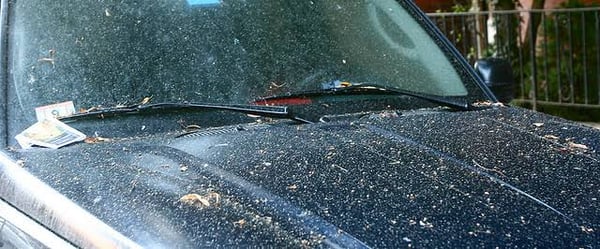
Image Source: blog.getspiffy.com
The Sticky Truth About Tree Sap and Your Car
Every car owner knows the frustration of finding a cluster of sticky, translucent blobs on their car’s paintwork after parking under a beloved, albeit sap-prone, tree. While it might seem like a minor inconvenience, tree sap on car surfaces poses a significant threat to your vehicle’s pristine finish. The question on many minds is, “Can tree sap ruin car paint?” The answer is a definitive yes, and the damage can range from temporary sticky residue on car to permanent etching into your car’s clear coat.
What Makes Tree Sap So Problematic?
Tree sap is a complex organic substance, and its composition varies depending on the tree species and environmental factors. However, most tree saps contain sugars, amino acids, and often acidic compounds. When sap lands on your car, these components begin to interact with your automotive paint.
Here’s a breakdown of what happens:
- Adhesion: Tree sap is sticky by nature. It quickly bonds to the surface of your car, making it difficult to remove without the right techniques.
- Dehydration: As sap dries, it hardens and becomes even more tenacious. It can also draw moisture from the paint, potentially weakening its structure over time.
- Acidic Attack: Many tree saps are mildly acidic. This acidic sap on car paint can begin to break down the protective layers of your car’s paint, starting with the clear coat.
- UV Degradation: Sunlight (UV rays) plays a crucial role. When sap is exposed to the sun, it heats up. This heat accelerates the chemical reactions between the sap and the paint. UV rays also degrade the paint itself, making it more susceptible to damage.
- Environmental Factors: Other elements like bird droppings, pollen, and dirt can mix with the sap, creating a more aggressive abrasive mixture that can further damage the paint during attempted removal.
The Science Behind Sap’s Damage: Clear Coat Damage from Sap
Your car’s paint system is a multi-layered defense mechanism. The outermost layer is the clear coat, a transparent, durable finish designed to protect the color coat and base layer. It’s the clear coat that usually bears the brunt of sap’s attack.
When acidic sap on car paint sits on the clear coat, it initiates a process that can be likened to a very slow burn. The acids in the sap slowly dissolve or weaken the clear coat’s polymers. This weakening process is exacerbated by heat from the sun.
The result of this chemical reaction is often a dull, discolored spot where the sap was. This is known as sap etching. In severe cases, the sap can penetrate through the clear coat and even reach the color coat, leading to permanent discoloration that is incredibly difficult, if not impossible, to repair without repainting.
Long-Term Effects of Tree Sap on Cars
Leaving tree sap on car surfaces for extended periods can lead to several long-term issues:
- Permanent Etching: As mentioned, the most common long-term effect is etching. This is a physical depression or damage to the clear coat’s surface that cannot be simply buffed out.
- Discoloration: The affected area might appear permanently lighter or darker than the surrounding paint due to the clear coat’s degradation.
- Loss of Gloss: Even if etching isn’t severe, the compromised clear coat will lose its shine and appear dull.
- Increased Vulnerability: Once the clear coat is damaged, the underlying paint layers are more exposed to environmental hazards like UV rays, moisture, and chemical contaminants, leading to faster deterioration.
- Costly Repairs: Correcting severe sap damage often requires professional detailing, wet sanding, polishing, or even repainting entire panels, which can be very expensive.
How to Remove Tree Sap from Car Surfaces Safely
The key to preventing clear coat damage from sap is prompt and proper removal. The longer sap sits, the more difficult it becomes to remove, and the higher the risk of permanent damage. The good news is that with the right approach, you can effectively tackle sap removal from car surfaces.
Step-by-Step Guide to Sap Removal
Here’s a comprehensive approach to how to remove tree sap from car:
Step 1: Act Quickly!
The sooner you address the tree sap on car, the easier it will be to remove and the less chance there is of damage.
Step 2: Gather Your Supplies
Before you begin, ensure you have the following:
- Clean Microfiber Towels: Several high-quality microfiber towels are essential. Avoid paper towels or rough cloths that can scratch the paint.
- Car Wash Soap: A pH-neutral car wash soap is ideal.
- Bucket(s): Use the two-bucket method for washing to prevent transferring dirt back onto the car.
- Water Source: A hose or a spray bottle with clean water.
- Sap Remover: Specialized automotive-grade tree sap removers are highly recommended. Alternatively, you can use isopropyl alcohol (rubbing alcohol) or dedicated detailing clay.
- Lubricant: For claying, you’ll need a clay lubricant or a quick detailer spray.
- Wax or Sealant: To reapply protection after cleaning.
Step 3: Pre-Wash the Area
Before attempting to remove the sap, thoroughly wash the affected area with car wash soap and water. This removes loose dirt and debris, preventing them from causing scratches during the sap removal process. Rinse the area well.
Step 4: Choose Your Sap Removal Method
There are several effective methods for sap removal from car:
-
Method 1: Specialized Sap Remover:
- Apply a small amount of automotive-grade tree sap remover directly to a microfiber towel.
- Gently dab or blot the sap spot. Avoid aggressive rubbing at this stage.
- Allow the remover to sit for a minute or two to break down the sap.
- Gently wipe away the dissolved sap with a clean section of the microfiber towel.
- Repeat if necessary, using a fresh towel each time.
- Rinse the area with clean water.
-
Method 2: Isopropyl Alcohol (Rubbing Alcohol):
- Caution: Isopropyl alcohol can strip wax and sealant. Use it judiciously.
- Dilute isopropyl alcohol with water (a 50/50 solution is usually safe for most modern automotive paints).
- Apply the diluted alcohol to a microfiber towel.
- Gently dab the sap.
- Wipe away the loosened sap.
- Immediately rinse the area with clean water to remove any alcohol residue.
- Be aware that this method might remove existing wax or sealant from that spot.
-
Method 3: Detailing Clay Bar:
- This method is excellent for stubborn sap that has hardened.
- Spray the affected area generously with a clay lubricant or a quick detailer spray. This is crucial for lubrication.
- Take a piece of detailing clay and knead it until it’s pliable.
- Gently glide the clay over the lubricated sap spot using straight-line motions. Do NOT scrub or apply excessive pressure.
- As the clay picks up sap and dirt, fold it over to expose a clean surface.
- Wipe away the residue with a clean microfiber towel.
- Continue until the sap is gone.
- Rinse the area with clean water.
Step 5: Post-Removal Cleaning and Protection
After successfully removing the sap:
- Wash Again: Wash the entire car again to ensure no residue is left.
- Inspect: Check the area for any signs of etching or haziness. If you notice any dullness, you may need to use a polish to restore the shine.
- Reapply Protection: Tree sap removers and even alcohol can strip away protective layers like wax or sealant. It’s essential to reapply a coat of wax or sealant to the cleaned area to restore protection against future contaminants and UV damage.
What NOT to Do When Removing Tree Sap
- Don’t use abrasive cleaners or scouring pads: These will scratch your paint.
- Don’t use harsh solvents like gasoline or nail polish remover: These can dissolve your paint.
- Don’t scrape with sharp objects: This will cause deep scratches.
- Don’t let sap sit for days or weeks: The longer it’s there, the harder it is to remove and the higher the risk of damage.
- Don’t rub vigorously with a dry cloth: This will only spread the sap and potentially scratch the paint.
Understanding Different Sap Removal Products
The automotive aftermarket offers a variety of products designed for sap removal from car surfaces. Choosing the right one can make the process easier and safer for your paint.
Common Sap Removal Agents
| Product Type | Description | Pros | Cons | Best For |
|---|---|---|---|---|
| Automotive Sap Remover | Specifically formulated chemical solutions to dissolve tree sap and bug residue. | Effective, safe for most automotive paints when used as directed, often includes mild lubricants. | Can be more expensive than household alternatives. | Most common sap situations, regular cleaning. |
| Isopropyl Alcohol (IPA) | A common solvent. Can be diluted with water for safer use on car paint. | Readily available, inexpensive, effective at breaking down sticky substances. | Can strip wax and sealant, needs to be diluted to avoid paint damage, can dry out rubber seals if used undiluted. | Light sap deposits, when other specialized products aren’t available. |
| Detailing Clay Bar | A pliable clay compound that, when used with lubricant, picks up contaminants from the paint surface. | Excellent for hardened or stubborn sap, removes embedded contaminants. | Requires a lubricant, can be time-consuming, can mar paint if not lubricated sufficiently. | Stubborn, hardened sap, when other methods fail. |
| Quick Detailer Sprays | Often used as a lubricant for claying, but some have mild cleaning properties that can help with very fresh sap. | Doubles as a detailer, adds gloss, usually safe for paint. | Not strong enough for hardened sap, may require multiple applications. | Very light, fresh sap, or as a lubricant for claying. |
| Bug and Tar Removers | Formulated to break down bug splatter and tar, often effective on tree sap as well due to similar sticky, organic nature. | Often very effective, designed for tough automotive contaminants. | Can be strong, always test in an inconspicuous area first. | Stubborn sap, and also for its intended purpose of bugs and tar. |
| WD-40 (Use with extreme caution) | While it can break down sticky residues, it’s not specifically designed for car paint and can leave an oily film that attracts dirt. | Can be effective in breaking down sap. | Can strip wax, can leave an oily residue that attracts dirt, not recommended as a primary car care product. | Emergency use only, and requires thorough cleaning afterward. |
Tips for Using Sap Removers Safely
- Always read the product label: Follow the manufacturer’s instructions carefully.
- Test in an inconspicuous area: Before applying any new product to your entire car, test it on a small, hidden spot (like the lower part of a door sill) to ensure it doesn’t damage or discolor your paint.
- Work in the shade: Never apply cleaning products to hot surfaces or in direct sunlight. This can cause them to dry too quickly and leave streaks or spots.
- Use clean microfiber towels: Always use clean, soft microfiber towels to avoid scratching the paint.
- Don’t let removers dry on the paint: Work in small sections and rinse thoroughly once the sap is removed.
Protecting Your Car’s Paint from Future Sap Attacks
Prevention is always better than cure when it comes to protecting your car’s paint. Implementing a few preventative measures can save you a lot of hassle and potential damage.
Strategies for Automotive Paint Protection
-
Strategic Parking:
- Avoid Parking Under Sap-Prone Trees: This is the most obvious and effective method. If you know a tree drips sap, try to park elsewhere, especially during peak sap-dripping seasons (spring and summer).
- Consider the Weather: If it’s a hot, sunny day, sap will likely be more fluid and prone to dripping. Try to park in shaded areas if possible, though even shade doesn’t guarantee protection from falling sap.
- Rotate Parking: If you have a designated parking spot under a tree, try to rotate your vehicle’s position regularly or park in a different spot if available.
-
Protective Coatings:
- Waxing: Regular waxing provides a sacrificial layer of protection. Wax can be damaged by sap, but it’s much easier and cheaper to reapply wax than to repair paint. A good quality carnauba wax or synthetic sealant can offer weeks to months of protection.
- Paint Sealants: These synthetic coatings offer longer-lasting protection, often lasting for 6 months to a year, depending on the product and environmental conditions.
- Ceramic Coatings: These are the most durable form of paint protection currently available. Ceramic coatings create an extremely hard, hydrophobic layer that is highly resistant to chemical etching, UV rays, and makes sap much easier to wash off. While a significant investment, they offer unparalleled protection.
-
Car Covers:
- Consider a Car Cover: A good quality, breathable car cover can be an excellent barrier against falling sap. Ensure the cover is clean before use, as dirt trapped underneath can scratch the paint.
-
Regular Washing:
- Frequent Washes: Washing your car regularly, even if you don’t see sap, helps remove environmental contaminants before they have a chance to bond with the paint. A quick rinse with water can sometimes dislodge fresh sap before it hardens.
-
Immediate Removal:
- Inspect Regularly: Make it a habit to inspect your car’s paintwork, especially after parking under trees. If you spot tree sap on car, remove it as soon as possible using one of the methods described earlier.
Frequently Asked Questions (FAQ)
Q1: How long does tree sap take to damage car paint?
A1: Tree sap can start damaging car paint within hours, especially in direct sunlight and warm temperatures. The longer it remains on the paint, the deeper the etching can become.
Q2: Can I use car wash soap to remove tree sap?
A2: Regular car wash soap alone is usually not enough to remove hardened tree sap. It’s effective for pre-cleaning the area and removing loose dirt, but you’ll likely need a specialized sap remover, isopropyl alcohol, or detailing clay for the sap itself.
Q3: What if I accidentally scratch my car while removing sap?
A3: Minor scratches can often be polished out using a fine automotive polish and a microfiber applicator. Deeper scratches might require touch-up paint or professional repair. Always work gently and use appropriate lubrication.
Q4: Will a drive-through car wash remove tree sap?
A4: Some automatic car washes may remove very fresh, soft sap, but the brushes and high-pressure water are often not enough for hardened sap. Furthermore, the friction from brushes can smear sap and potentially grind it into the paint, causing scratches. It’s best to remove sap manually.
Q5: Can sap damage the car’s interior?
A5: While sap primarily affects the exterior paint, if it drips through window seals or is tracked inside by shoes, it can create a sticky mess on interior surfaces. Most interior surfaces can be cleaned with mild interior cleaners, but it’s best to avoid getting sap inside your vehicle.
Q6: Is sap from pine trees worse than sap from oak trees?
A6: Different tree saps have varying compositions. While all sap poses a risk, the acidity and stickiness can differ by species. It’s best to assume all tree sap is potentially damaging and remove it promptly, regardless of the tree type.
By understanding the risks associated with tree sap on car and employing proper removal and protection techniques, you can keep your vehicle’s paint looking its best for years to come. Always prioritize gentle, effective methods and invest in quality products to ensure the longevity of your car’s finish.