Can you remove glue from car window tint without damaging it? Yes, you can, but it requires a careful approach and the right tools to avoid damaging the automotive tint itself. Removing stubborn adhesive residue or window film glue left behind after tint removal is a common challenge, but with the right methods, you can restore your car windows to their pristine condition. This guide will walk you through the safest and most effective ways to tackle this sticky problem.
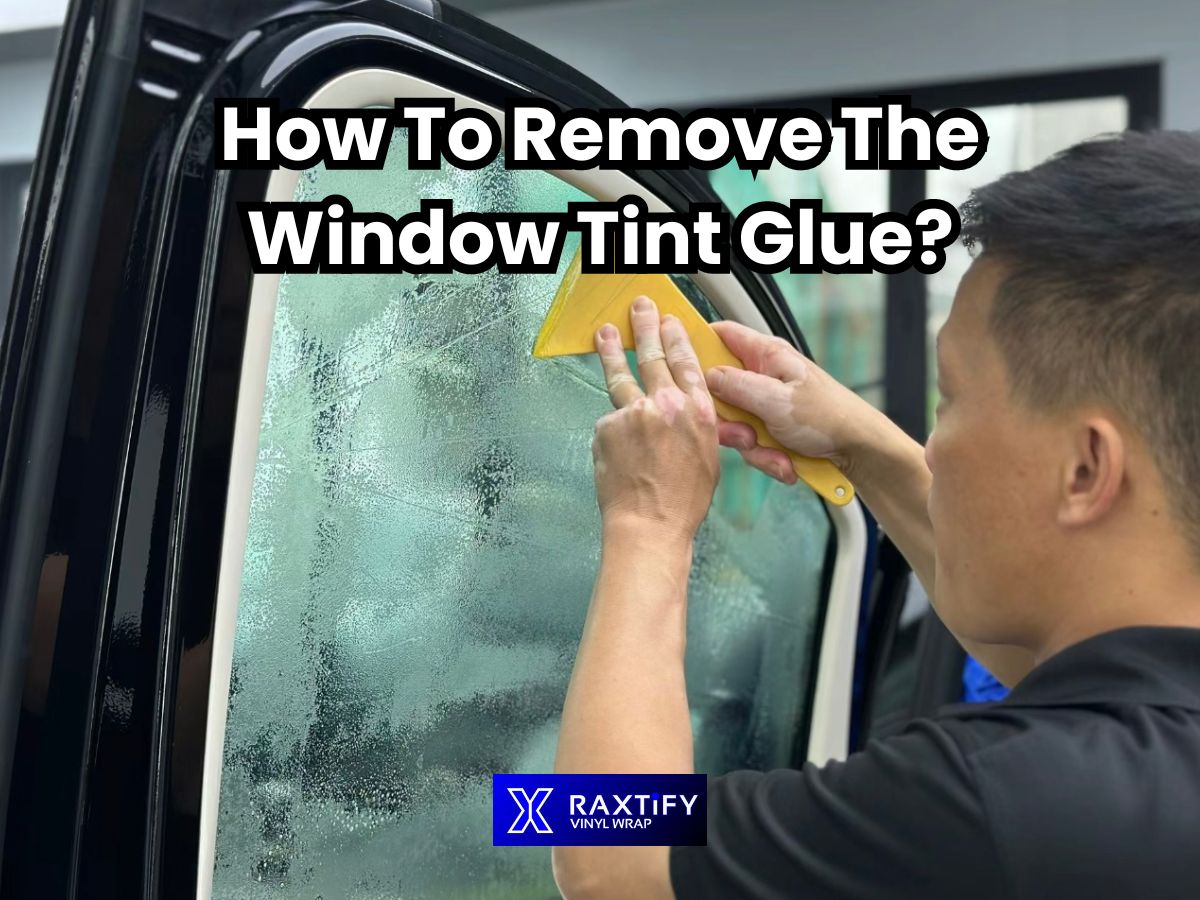
Image Source: raxtify.com
Why Glue Sticks to Tint
Window tint film is applied with an adhesive. When the tint is removed, especially if it’s old or was applied incorrectly, the adhesive can remain stuck to the glass. This sticky residue can be incredibly frustrating to deal with. It’s not just unsightly; it can also attract dirt and make it difficult to see clearly through your windows. The type of glue used in the window film glue can vary, and some are more tenacious than others.
Tools and Supplies You’ll Need
Before you start, gather the necessary items to ensure a smooth process. Having everything ready will prevent interruptions and make the task much easier.
Here’s a list of recommended supplies:
- Heat Gun or Hair Dryer: To soften the adhesive.
- Plastic Razor Blades or Scrapers: Specifically designed for automotive use to avoid scratching.
- Microfiber Cloths: For cleaning and drying.
- Glass Cleaner: A good quality, ammonia-free cleaner is best for tinted windows.
- Rubbing Alcohol (Isopropyl Alcohol): An effective residue cleaner.
- Warm Soapy Water: For initial cleaning.
- A mild debonding agent or adhesive solvent (optional, for very stubborn residue): Examples include Goo Gone Automotive, WD-40, or a specialized automotive adhesive remover. Always test in an inconspicuous area first.
- Gloves: To protect your hands.
- Bucket: For holding soapy water.
Step-by-Step Guide to Removing Glue
Follow these steps carefully to remove glue from your car window tint without causing damage.
Step 1: Prepare the Window
Start by cleaning the window thoroughly.
- Wash the Window: Use warm, soapy water and a clean microfiber cloth to wash the outside of the window. This removes any loose dirt or debris that could scratch the tint during the removal process.
- Dry the Window: Use another clean microfiber cloth to dry the window completely.
Step 2: Soften the Adhesive
Heat is your best friend when dealing with old glue. It softens the window film glue, making it easier to remove.
- Apply Heat: Use a heat gun on a low setting or a hair dryer. Hold it about 6 inches away from the window and move it constantly in a sweeping motion. Do not concentrate the heat on one spot for too long, as this can damage the tint or even the glass.
- Test for Softness: Gently touch a small area of the glue. If it feels soft and pliable, it’s ready to be scraped. If not, apply heat for a few more seconds.
Step 3: Gently Scrape Away the Glue
Once the glue is softened, it’s time to remove it. This is where a plastic scraper is crucial. Metal scrapers will almost certainly scratch or tear the tint.
- Position the Scraper: Hold the plastic razor blade at a low angle against the glass.
- Scrape: Gently push the scraper under the softened glue. Work in small sections, applying steady pressure. Avoid digging the edge of the scraper into the tint.
- Wipe Away Residue: As you scrape, use a microfiber cloth to wipe away the loosened glue.
Important Note: If you are dealing with scraping tint itself rather than just the glue, a more aggressive approach might be needed, but for glue removal only, gentleness is key.
Step 4: Use a Residue Cleaner
Even after scraping, you might be left with some adhesive residue. This is where a residue cleaner or a debonding agent comes in handy.
- Apply the Cleaner: Dampen a clean microfiber cloth with rubbing alcohol or a specialized adhesive solvent like Goo Gone Automotive. For very tough glue, a film softener might be an option, but always choose products specifically designed for automotive use and test them first.
- Rub the Residue: Gently rub the affected areas with the dampened cloth. You should see the sticky residue start to lift.
- Patience is Key: For stubborn spots, you might need to let the adhesive solvent sit for a few minutes to break down the glue, then gently rub again. Be careful not to saturate the tint with the solvent.
Step 5: Clean the Window
After removing all the glue, it’s time for a final clean to ensure the window is crystal clear.
- Wash Again: Use a good quality, ammonia-free glass cleaner. Ammonia can damage tinted windows.
- Wipe Clean: Use a clean, lint-free microfiber cloth to wipe the window until it’s streak-free.
Dealing with Different Types of Glue
The success of glue removal can depend on the type of adhesive used and how long it’s been on the window.
- Fresh Glue: If you’re removing tint shortly after application, the glue is usually softer and easier to remove. Heat and a gentle scrape with a plastic blade are often sufficient.
- Old, Baked-On Glue: This type of adhesive residue is the most challenging. It often requires repeated applications of heat and adhesive solvent. You might need to work in smaller sections and be very patient.
- Residue from Tint Removal Kits: Some aftermarket tint removal kits contain strong adhesives. If you’ve used one of these, expect to find significant adhesive residue.
What Not To Do
To ensure you don’t damage your car window tint, avoid these common mistakes:
- Never use metal razor blades or harsh metal scrapers. These will scratch and ruin the tint.
- Avoid abrasive cleaners or pads. Steel wool or scouring pads will also damage the tint.
- Do not use harsh chemicals like acetone or paint thinner. These can dissolve the tint film and damage surrounding trim. Always opt for products labeled safe for automotive glass and tint.
- Don’t apply excessive heat. Overheating can cause the tint to bubble or peel away improperly.
- Don’t rush the process. Patience is crucial when dealing with delicate automotive tint.
Using Specific Products Safely
When choosing an adhesive solvent or residue cleaner, look for products specifically formulated for automotive use.
Common Safe Products:
- Rubbing Alcohol (Isopropyl Alcohol): Readily available and effective for many types of sticky residue. It evaporates quickly and is generally safe for tint.
- Goo Gone Automotive: This is a popular choice. Its formula is designed to be safe for most automotive surfaces, including window tint.
- WD-40: While not a primary residue cleaner, WD-40 can sometimes help break down adhesives. Use sparingly and clean the area thoroughly afterward.
- Specialized Automotive Adhesive Removers: Many brands offer products specifically for removing adhesive residue from cars. Always read the product label and instructions carefully.
How to Test a Product:
Before applying any debonding agent or adhesive solvent to the entire window, test it on a small, inconspicuous area of the tint, preferably near the edge or a corner.
- Apply a small amount of the product to the test area.
- Let it sit for a few minutes.
- Gently try to remove the adhesive residue.
- Wipe the area clean and check for any discoloration, bubbling, or damage to the tint. If the tint appears unaffected, it’s likely safe to use on the rest of the window.
When to Consider Professional Help
If you’ve tried these methods and are still struggling with stubborn glue, or if you’re concerned about damaging your tint, it might be time to seek professional help. A professional auto detailer or tint shop has the experience and specialized tools to remove even the most difficult adhesive residue without harming your automotive tint. They can also advise on whether the tint is salvageable or if a full replacement is the best option.
Frequently Asked Questions (FAQ)
Q1: Can I use nail polish remover to remove glue from my car window tint?
A: No, nail polish remover (acetone) is a very strong solvent and can easily damage or dissolve car window tint. It is not recommended for this purpose.
Q2: How long does it take to remove glue from car window tint?
A: The time can vary greatly depending on the amount of glue and how stubborn it is. It could take anywhere from 30 minutes to several hours for a single window. Patience is key.
Q3: What’s the best way to remove old tint glue?
A: For old tint glue, a combination of heat (hair dryer or heat gun on low), a plastic razor blade for gentle scraping, and a good residue cleaner like rubbing alcohol or Goo Gone Automotive is usually the most effective approach. Multiple applications might be necessary.
Q4: Will scraping tint damage the window?
A: Scraping tint with a metal scraper can definitely damage the window glass, especially if it leaves deep scratches. However, when used correctly with a plastic blade and for removing the glue residue, it should not damage the glass itself, only the adhesive.
Q5: Is it okay to use a lot of adhesive solvent on the tint?
A: While some adhesive solvents are safe, it’s best to use them sparingly and follow product instructions. Saturating the tint film could potentially cause it to peel or degrade, especially if the solvent is strong. Always test first.
Conclusion
Removing adhesive residue from car window tint can be a meticulous task, but with the right techniques and caution, you can achieve a clean, damage-free finish. Remember to always use gentle methods, appropriate tools like plastic scrapers, and safe residue cleaners or debonding agents. By following these steps, you can effectively tackle that stubborn window film glue and restore the clarity and appearance of your car’s windows.