No, you generally cannot pass a car inspection with a cracked windshield, especially if the crack obstructs your vision or compromises the structural integrity of the glass. The specifics can vary by state and even by the inspector, but most automotive safety standards mandate clear visibility and a sound windshield.
A cracked windshield might seem like a minor cosmetic issue, but it poses a significant safety risk. During a car safety inspection, examiners are looking for anything that could impair a driver’s ability to see the road or that could fail under stress. A damaged windshield can fail in both these regards. This blog post will delve into the complexities of cracked windshields and their impact on passing vehicle inspection.
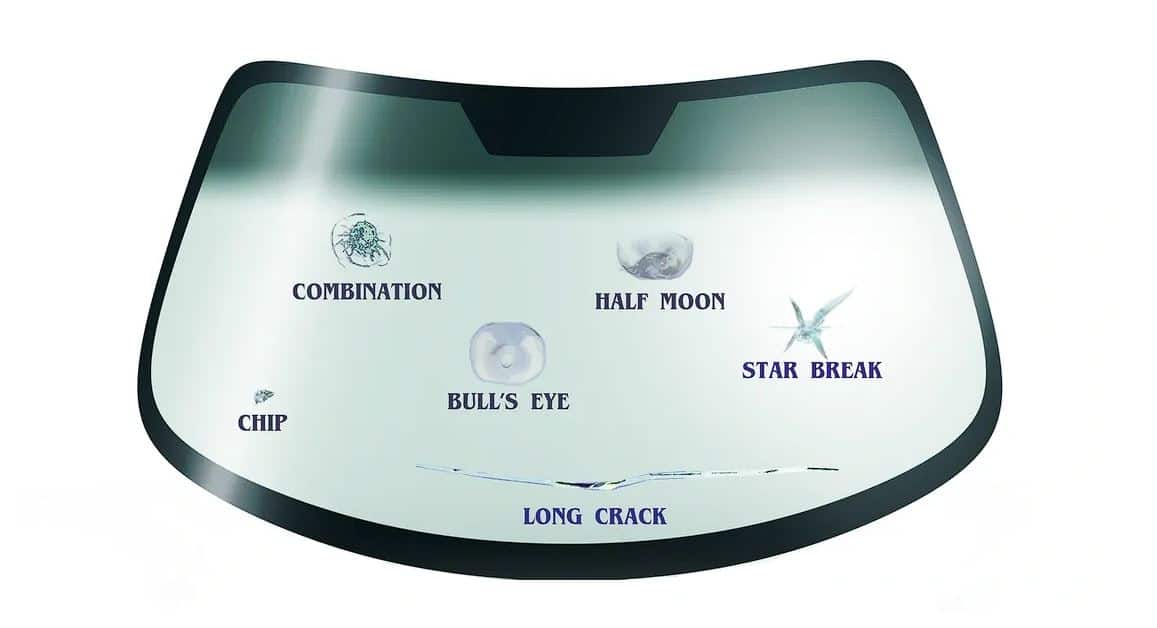
Image Source: cdn-fciao.nitrocdn.com
Why Windshield Condition Matters for Inspections
Your windshield isn’t just a piece of glass; it’s a crucial component of your car’s safety system. It protects you from road debris, weather, and even helps deploy airbags correctly in a collision. When it’s compromised by cracks or chips, its ability to perform these functions is diminished.
The Role of the Windshield in Automotive Safety Standards
Automotive safety standards are designed to ensure that vehicles on the road are as safe as possible for both occupants and others. This includes ensuring drivers have an unobstructed view of their surroundings.
- Visibility: The primary function of a windshield is to provide a clear view of the road. Cracks, chips, and other damage can distort vision, create glare from sunlight or headlights, and make it difficult to see hazards.
- Structural Integrity: Modern windshields are made of laminated safety glass. This means two layers of glass are bonded together with a layer of plastic in between. This construction allows the glass to shatter into small, relatively harmless pieces rather than sharp shards if broken. The windshield also contributes to the structural integrity of the vehicle’s roof. In a rollover accident, the windshield can prevent the roof from collapsing. A crack can weaken this structure.
- Airbag Deployment: In many vehicles, the passenger-side airbag deploys by pushing off the windshield. A damaged windshield can interfere with this critical safety function.
Cracked Windshield Regulations: What the Law Says
The legality of driving with a cracked windshield is often dictated by state laws and specific regulations governing vehicle inspections. While a small chip might be overlooked in some areas, larger cracks or those in the driver’s line of sight are almost universally prohibited.
Windshield Cracks Legality: State-by-State Variations
It’s important to remember that laws vary. What might be acceptable in one state could lead to a failed inspection in another.
- Driver’s Line of Sight: Most regulations focus on damage within the driver’s direct field of vision. A crack that extends across the area swept by the windshield wipers, or directly in front of the driver, is highly likely to cause a failed inspection.
- Size and Type of Damage: Regulations often specify the maximum size and depth of chips that are permissible. Larger cracks, especially those that have spread from a chip, are generally not allowed. Stars, bulls-eyes, and spiderweb cracks can also be problematic.
- Structural Compromise: Inspectors look for damage that could compromise the windshield’s structural integrity. If a crack is so severe that it looks like it could lead to further damage or failure, it will likely result in a failed inspection.
How to Pass Inspection with a Crack: Is it Possible?
The honest answer is usually no, not if the crack is significant or in a critical area. However, there are steps you can take to improve your chances or address the issue proactively.
- Immediate Repair: The best approach is to address the damage as soon as it occurs. Windshield chip repair is often effective for small chips and can prevent them from spreading into larger cracks.
- Professional Assessment: Consult with a reputable auto glass repair shop. They can assess the damage and advise whether it can be repaired or if auto glass replacement is necessary.
- Check Local Regulations: Familiarize yourself with your state’s specific cracked windshield regulations for vehicle inspections.
The Inspection Process: What Inspectors Look For
During a car safety inspection, examiners follow a checklist of items to ensure the vehicle meets minimum safety standards. The windshield is a key part of this assessment.
What Inspectors Check on Your Windshield
Inspectors are trained to identify various types of windshield damage that could pose a risk.
- Chips: Small chips, especially those not directly in the driver’s line of sight, might be permissible. However, larger or deeper chips are often flagged.
- Cracks: Any crack that impairs visibility or compromises the glass’s integrity is a likely cause for failure. This includes:
- Long Cracks: Cracks that extend significantly across the windshield.
- Spiderweb Cracks: Cracks that spread out from a point of impact.
- Cracks in the Driver’s Direct Line of Sight: This is usually the most critical factor.
- Obstructions: Stickers, unauthorized tinting, or other items that obstruct the driver’s view can also lead to a failed inspection.
Options for Addressing a Cracked Windshield
If you discover your windshield is cracked, you have a few options. The best choice depends on the size, location, and type of damage.
Windshield Repair vs. Auto Glass Replacement
The decision between repair and replacement is crucial.
- Windshield Repair:
- When it’s an option: Best for small chips and cracks (typically under 6 inches long) that haven’t spread extensively and are not in the driver’s direct line of sight. The damaged area is usually filled with a special resin that hardens, restoring clarity and structural integrity.
- Benefits: Less expensive than replacement, quicker, and environmentally friendly (less waste).
- Limitations: Not suitable for all types of damage.
- Auto Glass Replacement:
- When it’s necessary: For larger cracks, deep chips, damage that has spread significantly, or when the crack is in the driver’s critical field of vision.
- Benefits: Restores the windshield to its original condition, ensuring full visibility and structural integrity.
- Considerations: More expensive than repair, takes longer, and requires proper installation to ensure safety systems (like airbags) function correctly.
The Process of Windshield Chip Repair
Windshield chip repair is a precise process designed to restore both the appearance and the structural strength of the damaged glass.
- Cleaning: The damaged area is thoroughly cleaned to remove dirt, debris, and moisture.
- Resin Injection: A special optical-grade resin is injected into the chip or crack under pressure. This fills the void and bonds the glass layers.
- Curing: The resin is then cured using a UV light, hardening it and making it as clear as possible.
- Polishing: Any excess resin is scraped off, and the area is polished to a smooth finish.
The Procedure for Auto Glass Replacement
Auto glass replacement is a more involved process that requires expertise to ensure the new windshield is installed correctly and safely.
- Removal of Old Windshield: The old windshield is carefully cut out of the vehicle’s frame.
- Preparation of Frame: The pinch weld (the metal rim where the windshield sits) is cleaned and prepared, and a new adhesive primer is applied.
- New Windshield Preparation: The new windshield is cleaned, and the bonding agent is applied around its edges.
- Installation: The new windshield is carefully placed into the frame and held securely while the adhesive cures.
- Curing and Finishing: The adhesive needs time to cure properly. Once cured, any remaining moldings are replaced, and the vehicle is ready.
Insurance and Windshield Damage
Many auto insurance windshield policies offer specific coverage for glass damage, often with a low or zero deductible. This can make addressing a cracked windshield more affordable.
Does Auto Insurance Cover Windshield Repair or Replacement?
Most comprehensive auto insurance policies include coverage for glass damage.
- Comprehensive Coverage: This is typically what covers windshield damage.
- Deductibles: Many insurance providers waive the deductible specifically for windshield claims, meaning you pay nothing out-of-pocket for repairs or replacement.
- Why it’s Important: Using your insurance for windshield repair can be a smart move, as it prevents small chips from becoming major, costly problems.
When to File an Insurance Claim
- For small chips: It’s often worth getting them repaired even if you have a deductible, as the repair cost is usually much lower than a replacement.
- For larger cracks: If the damage requires replacement, filing a claim is usually the most cost-effective option.
Tips for Passing Your Car Inspection
If you’re concerned about your windshield affecting your car inspection, here are some proactive steps you can take.
Pre-Inspection Checks for Your Windshield
Before heading to the inspection station, give your windshield a thorough once-over.
- Inspect the Driver’s Line of Sight: Pay close attention to any damage directly in front of you.
- Check for Spreading Cracks: If you have a chip, see if it has developed into a crack.
- Assess the Size of Damage: Estimate the length of any cracks and the diameter of any chips.
What to Do if Your Windshield is Damaged
- Prioritize Repair: Get any chips or small cracks repaired as soon as possible. This can often be done affordably and can prevent further damage.
- Consider Replacement: If the damage is too severe for repair, schedule an auto glass replacement promptly.
- Consult Your Inspector (If Possible): In some jurisdictions, you might be able to ask an inspector for their opinion on a minor imperfection before the official inspection. However, this is not always permitted.
Maintaining Your Windshield for Longevity
Preventative care can save you money and ensure your car remains roadworthy.
Protecting Your Windshield from Damage
- Safe Driving Habits: Maintain a safe following distance to avoid picking up rocks and debris.
- Parking: Avoid parking under trees that might drop branches or sap.
- Washing: Clean your windshield regularly to remove corrosive materials.
- Tire Maintenance: Properly inflated tires are less likely to kick up debris.
The Impact of Weather on Windshield Cracks
Extreme temperature changes can exacerbate existing damage.
- Heat: Can cause chips to expand.
- Cold: Rapid temperature changes (like using defrosters on a very cold windshield) can cause cracks to spread quickly.
Frequently Asked Questions (FAQ)
Q1: Can I pass car inspection with a small chip on my windshield?
A1: It depends on the state and the inspector. Many states allow small chips that do not obstruct the driver’s view. However, if the chip is large, deep, or in the driver’s direct line of sight, it will likely cause a failed inspection.
Q2: How long can a windshield crack be and still pass inspection?
A2: There isn’t a universal length. Regulations often focus on whether the crack impairs vision or compromises the windshield’s structural integrity. Cracks extending over 6 inches or those in the driver’s primary field of vision are typically grounds for failure.
Q3: My windshield has a spiderweb crack. Will I pass inspection?
A3: It’s highly unlikely. Spiderweb cracks indicate significant damage and can severely distort vision, often leading to a failed inspection. It’s best to get this repaired or replaced.
Q4: What if my crack is in the passenger’s side of the windshield?
A4: While the driver’s direct line of sight is the most critical area, damage on the passenger side can still cause a failed inspection if it’s large enough to affect overall visibility or structural integrity. Some regulations specifically address damage outside the driver’s immediate view but still within the swept area of the wipers.
Q5: How much does windshield repair cost?
A5: The cost of windshield chip repair varies but is generally much less than auto glass replacement. Expect to pay anywhere from $25 to $150, depending on the size and complexity of the damage.
Q6: Does my auto insurance cover windshield replacement?
A6: Most comprehensive auto insurance policies cover auto glass replacement and often waive the deductible for windshield claims. It’s best to check your specific policy details or contact your insurance provider.
Q7: How long does windshield repair take?
A7: Windshield chip repair is typically a quick process, often taking less than an hour. Auto glass replacement usually takes a few hours, plus curing time for the adhesive.
Q8: Can I do a DIY windshield repair?
A8: While DIY kits are available, they are generally recommended only for very small chips. Professional windshield repair uses specialized equipment and resins to ensure a strong and clear repair. For anything beyond a tiny chip, professional service is advised.
Q9: What are the consequences of driving with a cracked windshield that fails inspection?
A9: You could face fines, points on your driving record, and potentially be required to have the windshield repaired or replaced immediately. In some cases, law enforcement may issue a citation.
Q10: What is the difference between a chip and a crack in a windshield?
A10: A chip is a small, localized area of damage, often resembling a star, bullseye, or ding. A crack is a fracture that extends from a point of impact or stress. Cracks are generally longer and more problematic for inspections than chips.
By staying informed about your vehicle’s condition and local regulations, you can navigate the car inspection process with confidence and ensure your car remains safe on the road.