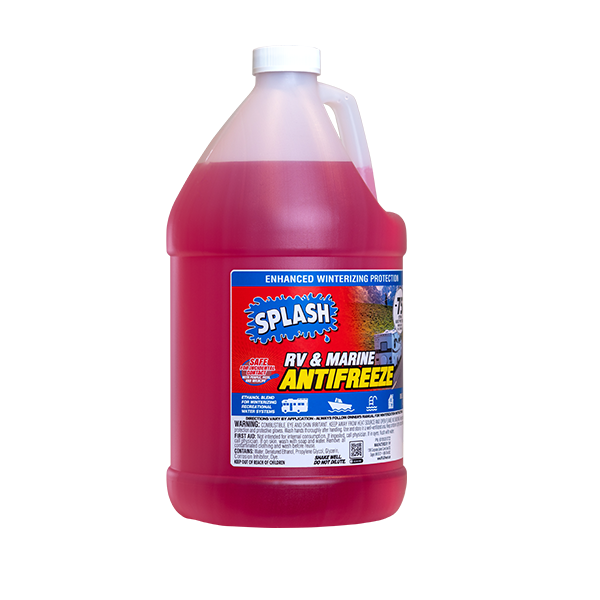
Image Source: www.splashwash.com
Can You Use RV Marine Antifreeze in a Car? Find Out Now!
No, you generally cannot use RV marine antifreeze in a car. While both products serve the purpose of preventing freezing and overheating, they are formulated for different systems and materials, and using the wrong type can lead to serious engine damage.
The cooling systems in cars and RVs/boats have distinct requirements. This is a crucial distinction to grasp when considering the use of RV antifreeze in a car. Often, people wonder if they can interchange coolants, especially when faced with an empty jug of one type and a need for the other. Let’s dive deep into antifreeze compatibility and explore why this common question arises and what the correct answers are.
The Crucial Differences: RV Antifreeze vs. Automotive Antifreeze
When we talk about antifreeze types, the world splits into a few major categories. The most common ones you’ll encounter are automotive antifreeze and RV/marine antifreeze. They might look similar in color, but their internal workings and the materials they protect are worlds apart.
What is RV Marine Antifreeze For?
RV and marine antifreeze is specifically designed for the plumbing and freshwater systems within recreational vehicles and boats. Its primary function is to protect these systems from freezing during storage in cold weather. Think of it as a winterizing agent for pipes, tanks, and pumps.
Key characteristics of RV/marine antifreeze:
- Non-Toxic Formulation: Most RV/marine antifreeze is propylene glycol-based. This is critical because these systems are connected to sinks, showers, and sometimes even water dispensers where human consumption of water is possible. Propylene glycol is considered food-grade and safe if accidentally ingested in small amounts.
- Lubrication: It provides some lubrication for pumps and seals within the RV/boat plumbing.
- Corrosion Inhibition: It typically contains inhibitors to prevent corrosion of metal components within the plumbing system.
- Freezing Point: It’s formulated to provide a very low freezing point, often down to -50°F (-45°C) or even lower.
What is Automotive Antifreeze For?
Automotive antifreeze, on the other hand, is formulated for the complex and high-stress environment of an internal combustion engine’s cooling system. This system circulates coolant through the engine block, radiator, and heater core.
Key characteristics of automotive antifreeze:
- Ethylene Glycol or Propylene Glycol: While some modern automotive coolants are moving towards propylene glycol for environmental reasons, the vast majority still use ethylene glycol. Ethylene glycol is highly toxic and should never be ingested.
- High Boiling Point: Automotive antifreeze raises the boiling point of the coolant, preventing the engine from overheating during operation, especially under load or in hot weather.
- Corrosion Protection: It contains advanced corrosion inhibitors designed to protect the various metals found in an engine’s cooling system – including aluminum, cast iron, copper, brass, and solder. These inhibitors are tailored to the specific chemical environment of an engine.
- Scale Prevention: It helps prevent the buildup of scale and sediment within the cooling system, which can impede heat transfer and lead to overheating.
- Lubrication: It also offers some lubrication for the water pump seals.
Why Using RV Antifreeze in a Car is a Bad Idea
Now that we’ve established the fundamental differences, let’s directly address the question: can you use RV antifreeze in a car? The short and emphatic answer is no. The potential consequences of using marine antifreeze for car applications are significant and costly.
1. Inadequate Corrosion Protection for Engine Components
Engine cooling systems are a complex mix of metals. You have aluminum in the radiator and cylinder heads, cast iron in the engine block, copper and brass in some older heater cores, and solder in various places. Automotive antifreeze contains a sophisticated blend of corrosion inhibitors specifically designed to protect all these different metals from electrochemical reactions that can occur when they are exposed to a liquid.
RV antifreeze, while it does contain corrosion inhibitors, is formulated for simpler plumbing systems made primarily of plastics, rubber, and copper. Its inhibitors are not designed to handle the high temperatures, pressures, and diverse metal types found in an automotive engine.
- Using RV antifreeze in an engine could lead to:
- Corrosion of aluminum components: This is a major concern as aluminum is prevalent in modern engines.
- Erosion of water pump seals: The wrong formulation can degrade the seals, leading to leaks.
- Damage to gaskets and hoses: Certain chemical compositions can cause rubber and plastic components to swell or degrade.
- Scale buildup: The inhibitors might not prevent the formation of deposits that can block coolant passages.
2. Insufficient Heat Transfer Properties
Automotive antifreeze also plays a vital role in heat transfer. It’s designed to efficiently absorb heat from the engine and dissipate it through the radiator. The specific heat capacity and thermal conductivity of automotive antifreeze are optimized for this task.
While RV antifreeze will carry heat, it may not do so as effectively as automotive antifreeze. This could lead to the engine running hotter than it should, potentially causing:
- Overheating: Even if it doesn’t freeze, the engine could suffer from insufficient cooling.
- Reduced engine efficiency: Overheating can negatively impact fuel economy and performance.
- Damage to engine components: Prolonged exposure to excessive heat can warp cylinder heads, damage pistons, and cause other severe issues.
3. Different Boiling Point and Freeze Protection Needs
Winterizing RV vs car highlights the different operational environments. RVs are typically static during winter storage, so the primary concern is preventing expansion from freezing water. Cars, however, are operational in a wide range of temperatures.
Automotive antifreeze raises the boiling point of the coolant significantly. This is crucial for preventing boil-overs during hot weather or when the engine is under a heavy load, like going uphill or towing. RV antifreeze does not have the same high boiling point characteristics.
While the freeze protection of RV antifreeze is generally very good, its ability to prevent boiling is often less robust than a properly formulated automotive coolant.
4. Toxicity is Not the Only Factor
The primary reason RV antifreeze is non-toxic is that it’s intended for potable water systems. However, this non-toxic nature does not translate to suitability for an engine. The toxicity of ethylene glycol in automotive antifreeze is a safety concern, but it’s a deliberate choice due to its excellent performance characteristics in engines.
Conversely, while propylene glycol is safer, its performance in the specific chemical and thermal environment of an engine cooling system is not guaranteed to be equivalent to that of ethylene glycol-based automotive coolants.
Can Marine Coolant Be Used in Cars? The Same Answer Applies.
The question of can marine coolant be used in cars is essentially the same as asking about RV antifreeze. Marine engines (like inboard and sterndrive engines found in boats) also have cooling systems that are distinct from automotive systems. While marine cooling systems might share some similarities with automotive ones in terms of materials and the need for corrosion protection, the specific formulations of marine coolants are often different and may not be compatible with automotive systems. They often use different types of inhibitors to cope with saltwater environments or raw water cooling, which automotive systems never encounter. Always stick to the coolant recommended for your specific application.
What About Using RV Antifreeze in an Engine?
Let’s reiterate: using RV antifreeze in engine cooling systems is a significant risk. The formulations are simply not designed for the demanding conditions of an automotive engine. The potential for long-term damage, including corrosion and reduced cooling efficiency, far outweighs any perceived convenience.
The “Universal” Myth and Antifreeze Compatibility
You might have seen products marketed as “universal” antifreeze. It’s crucial to scrutinize these claims. True universal antifreeze is rare and, even then, it’s vital to ensure it meets the specific OEM (Original Equipment Manufacturer) requirements for your vehicle.
The general rule of thumb is: use what the manufacturer recommends. Automotive cooling systems are complex and highly engineered. They rely on specific chemical properties in their coolant for optimal performance and longevity.
What Happens If You Accidentally Use RV Antifreeze in Your Car?
If you’ve made the mistake of putting RV antifreeze in your car, it’s important to address it as soon as possible.
- Drain the System: Safely drain the entire cooling system. This will involve opening drain plugs on the radiator and engine block, and possibly siphoning from the overflow reservoir.
- Flush the System: Flush the cooling system thoroughly with clean water. You might consider using a dedicated cooling system flush product designed for automotive use to remove any residual RV antifreeze and potential contaminants. Follow the flush product’s instructions carefully.
- Refill with Correct Antifreeze: Refill the system with the correct type and mixture of automotive antifreeze as specified in your car’s owner’s manual. This typically involves a 50/50 mix of antifreeze and distilled water.
- Bleed the System: Ensure you properly bleed any air pockets from the cooling system after refilling. Air pockets can cause localized overheating.
Important Note: If you suspect any damage has already occurred, it’s best to have a qualified mechanic inspect the cooling system before driving the car extensively.
Types of Automotive Antifreeze: A Deeper Dive
The automotive world uses several generations of antifreeze technology, primarily distinguished by their inhibitor packages.
- Green (IAT – Inorganic Additive Technology): This is the traditional coolant, typically based on ethylene glycol and containing inorganic inhibitors like silicates and phosphates. It’s effective but has a shorter service life and can sometimes lead to silicate dropout, which can clog radiators.
- Orange/Yellow (P-HOAT – Phosphate Hybrid Organic Acid Technology): These are often referred to as “universal” or “extended life” coolants. They combine inorganic phosphates with organic acids. They offer better protection for aluminum and a longer service life than IAT. Many newer vehicles use coolants in this color range.
- Pink/Red (OAT – Organic Acid Technology): These coolants rely solely on organic acids for corrosion protection. They have a very long service life (up to 5 years or 150,000 miles) but can be more aggressive towards certain gasket materials if not the correct formulation.
- Blue/Purple (G-05, G-12, G-13, etc.): These designations refer to specific OEM formulations (often European, like Volkswagen). They often use a hybrid technology combining inorganic and organic acids, tailored for specific engine designs and materials.
Crucially, mixing different types of automotive antifreeze can lead to a breakdown of the inhibitor package, rendering the coolant ineffective and potentially causing damage. Always use the type specified by your vehicle manufacturer.
Why Isn’t RV Antifreeze “Good Enough” for a Car?
The performance gap is significant. Think of it like this: both a hammer and a specialized torque wrench can drive a nail, but only one is designed for the precise application where consistent force and control are paramount.
- RV antifreeze for plumbing: Prioritizes safety (non-toxicity), basic freeze protection, and lubrication for low-pressure, low-temperature, simpler systems.
- Automotive antifreeze for engines: Prioritizes robust corrosion protection across a wide range of metals, high-temperature stability (boiling point), efficient heat transfer, and long service life in a high-pressure, high-temperature, chemically complex environment.
The Role of Water in Antifreeze Mixtures
It’s important to note that antifreeze is never used straight. It’s always mixed with distilled water. The mixture is what provides both freeze and boil protection. A 50/50 mix is the most common and provides a good balance of protection for most climates. Using pure antifreeze or an incorrect water ratio can actually reduce the cooling system’s effectiveness and the antifreeze’s ability to protect against corrosion.
Common Misconceptions and Why They Arise
The confusion often stems from a few common points:
- Similar Appearance: Both RV and automotive antifreeze can be colored pink, blue, or green, leading to a visual assumption of interchangeability.
- “It’s just coolant”: This oversimplification ignores the critical differences in chemical composition and intended function.
- Desperation or Convenience: In a pinch, someone might consider using what they have on hand. However, the cost of potential engine damage far exceeds the cost of buying the correct coolant.
- Misinformation: Online forums or anecdotal advice can sometimes spread incorrect information.
What About Other Non-Automotive Antifreezes?
Similarly, you cannot use antifreeze designed for home heating systems (hydronic systems) or other industrial applications in your car. These often contain different chemical packages entirely, some of which can be corrosive to automotive components or degrade rubber seals.
Final Thoughts: Prioritize Your Car’s Health
When it comes to your car’s cooling system, using the correct antifreeze for boats and cars (when referring to automotive use) is paramount. The specialized formulations are there for a reason – to protect your engine’s complex components from damage caused by temperature extremes, corrosion, and internal wear.
Always consult your vehicle’s owner’s manual for the recommended type and specifications of antifreeze. If you’re unsure, a visit to a reputable auto parts store or mechanic can ensure you get the right product. Don’t gamble with your engine’s health; stick to the coolant designed for its specific needs. The minor inconvenience of buying the correct coolant is infinitely preferable to the major expense and hassle of repairing engine damage caused by using the wrong type.
Frequently Asked Questions (FAQ)
Q1: Can I mix RV antifreeze and automotive antifreeze in my car?
A1: Absolutely not. Mixing RV antifreeze with automotive antifreeze is highly discouraged. The chemical compositions are different, and mixing them can lead to a breakdown of the inhibitor packages, resulting in corrosion and potential engine damage.
Q2: What happens if I only put a small amount of RV antifreeze in my car?
A2: Even a small amount can be problematic. The RV antifreeze’s inhibitors are not designed for engine conditions, and it could start to corrode components or affect the performance of the existing automotive coolant. It’s best to drain and flush the system if any RV antifreeze has been added.
Q3: Is all RV antifreeze pink?
A3: No, RV antifreeze can come in various colors, most commonly pink. However, color is not a reliable indicator of compatibility. Always check the product label to confirm it is specifically designed for RV and marine plumbing systems and is not intended for automotive use.
Q4: My car is old, can I use traditional green antifreeze?
A4: If your car’s owner’s manual specifies the use of traditional green IAT (Inorganic Additive Technology) antifreeze, then yes, you can use it. However, many modern vehicles require P-HOAT or OAT coolants. Always follow your manufacturer’s recommendations. Using the wrong type of automotive antifreeze, even if it’s green, can still cause damage.
Q5: Can I use the same antifreeze for my car and my boat?
A5: Generally, no. Unless both your car and boat specifically call for the exact same type of antifreeze (which is rare), you should use the coolant recommended for each respective vehicle. Boat cooling systems, especially those exposed to saltwater, have unique protection needs.