A car making clicking noise while driving can be unsettling. This vehicle clicking sound can originate from various parts of your car, ranging from simple issues to more complex mechanical problems. If you’re hearing an engine clicking noise while driving, it’s crucial to address it promptly to prevent further damage and ensure your safety. This guide will delve into the common reasons behind this sound, help you pinpoint the source, and offer practical solutions.
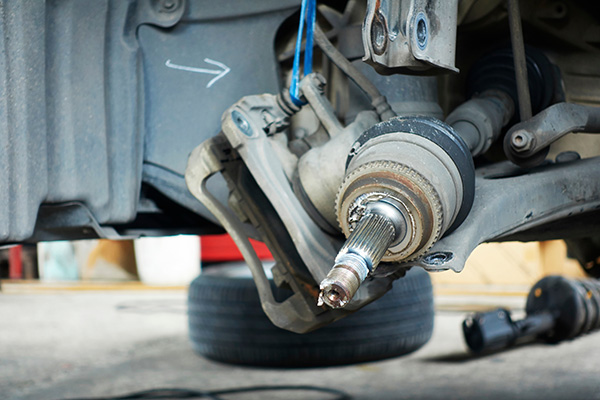
Image Source: neighborhoodtirepros.com
Deciphering the Click: Common Culprits Behind a Clicking Car
When your car starts making a clicking sound, it’s your vehicle’s way of telling you something isn’t quite right. This sound isn’t just annoying; it’s a signal that needs attention. We’ll explore the most frequent causes of this common car complaint.
Front-End Clicking: A Puzzling Phenomenon
A front-end clicking noise often points towards issues in the steering or drivetrain components located at the front of your vehicle. These sounds can be more pronounced during turns or when accelerating.
CV Joints: The Usual Suspects
Constant Velocity (CV) joints are U-shaped connectors that allow your car’s wheels to turn and receive power from the engine simultaneously. When the protective rubber boot around a CV joint tears, dirt and debris can get in, and the lubricating grease can escape. This leads to wear and tear, often resulting in a clicking or popping sound, especially when turning. This is a very common cause of a car making clicking noise when turning.
- Symptoms: A rhythmic clicking or popping sound that gets faster with vehicle speed, particularly noticeable during turns.
- Cause: Worn or damaged CV joint due to a torn protective boot.
- Solution: Replacing the damaged CV joint or the entire CV axle assembly. This is typically a job best left to a professional mechanic due to the precision required.
Ball Joints and Tie Rod Ends
These steering components are critical for smooth maneuvering. Wear and tear in ball joints or tie rod ends can cause a clicking or clunking sound, especially when going over bumps or turning the steering wheel.
- Symptoms: Clicking or clunking noises, loose steering, uneven tire wear.
- Cause: Worn ball joints or tie rod ends due to age, wear, or impact.
- Solution: Replacement of the worn components. This is a safety-critical repair.
Wheel Bearings: A Silent Killer of Smoothness
While often associated with a grinding or humming noise, a failing wheel bearing clicking can also manifest as a clicking sound, especially when the wheel is turned. This occurs when the bearing’s internal components are damaged.
- Symptoms: Clicking or grinding sound that changes with speed and turning. The sound might disappear when you steer in one direction and reappear when you steer in the other.
- Cause: Worn or damaged wheel bearing.
- Solution: Replacement of the wheel bearing or hub assembly.
Suspension Clicking: Navigating Rough Roads
Your car’s suspension system absorbs shocks and keeps your tires in contact with the road. Problems here can lead to a variety of noises, including clicking.
Struts and Shocks
While typically associated with bouncing or squeaking, worn struts or shocks can sometimes produce clicking sounds, especially if internal components are loose or damaged.
- Symptoms: Bouncing ride, clunking or clicking over bumps, leaning to one side.
- Cause: Worn internal components, damaged mounts.
- Solution: Replacement of the struts or shocks, and potentially their mounting hardware.
Sway Bar Links and Bushings
These components help reduce body roll during turns. Worn sway bar links or bushings can cause a clicking or rattling noise, especially when going over uneven surfaces or turning.
- Symptoms: Clicking or rattling noise over bumps, increased body roll.
- Cause: Worn bushings or loose sway bar links.
- Solution: Replacement of worn bushings or sway bar links.
Drivetrain Clicking: Powering Your Journey
Issues within the drivetrain, which transmits power from the engine to the wheels, can also produce clicking sounds.
Differential Issues
The differential allows your wheels to rotate at different speeds, which is essential for turning. Problems within the differential, such as worn gears or low lubrication, can cause clicking or clunking.
- Symptoms: Clicking or grinding sounds, especially during turns.
- Cause: Worn gears, low differential fluid, or damage to internal components.
- Solution: Inspecting and topping up differential fluid, or repairing/replacing the differential unit.
Drive Axle Issues
Beyond the CV joints, the drive axles themselves can develop issues. A bent or damaged drive axle can cause an intermittent clicking sound.
- Symptoms: Clicking or vibration, particularly during acceleration.
- Cause: Bent or damaged drive axle.
- Solution: Replacement of the drive axle.
Engine-Related Clicking: The Heart of the Matter
An engine clicking noise while driving can be more concerning, as it often relates to the internal workings of the engine.
Lifter Tick
Hydraulic lifters are part of your engine’s valve train. If they are dirty, worn, or not receiving enough oil, they can become noisy, creating a ticking sound that often increases with engine RPM.
- Symptoms: A rhythmic ticking sound that usually becomes louder and faster as the engine revs. It might be more pronounced when the engine is cold.
- Cause: Low oil level, dirty oil, worn lifters, or blocked oil passages.
- Solution: Check and top up engine oil. If the problem persists, an oil change with a high-quality filter and oil might help. In severe cases, lifter replacement might be necessary.
Exhaust Manifold Leaks
A small leak in the exhaust manifold gasket or a cracked manifold can allow exhaust gases to escape with a ticking sound, especially when the engine is cold. As the engine heats up and metal expands, the leak might seal itself, making the sound disappear.
- Symptoms: A ticking or puffing sound, often more noticeable when the engine is cold and may disappear as it warms up. You might also notice a slight loss of power.
- Cause: Cracked exhaust manifold, blown exhaust manifold gasket.
- Solution: Replacing the exhaust manifold gasket or the manifold itself if cracked.
Piston Slap
This occurs when there’s excessive clearance between a piston and the cylinder wall. As the piston moves, it can “slap” against the cylinder, creating a knocking or ticking sound. This is often more noticeable when the engine is cold.
- Symptoms: A knocking or ticking sound that is usually more prominent when the engine is cold and can lessen as it warms up.
- Cause: Wear in the cylinder or piston, often due to high mileage or poor maintenance.
- Solution: This is a serious engine issue. Repair typically involves rebuilding or replacing the engine.
Loose or Damaged Spark Plug Wires
While less common, a loose spark plug wire or a damaged insulator can sometimes cause a clicking or arcing sound.
- Symptoms: A faint clicking or popping sound near the engine.
- Cause: Loose or damaged spark plug wires or boots.
- Solution: Inspect and properly secure spark plug wires. Replace any damaged components.
Other Potential Clicking Sources
Beyond the major systems, a few other areas can contribute to a clicking sound.
Loose Underbody Panels or Splash Guards
Sometimes, simple things like a loose plastic panel or splash guard can flap or vibrate against another component, creating a clicking noise. This is often more noticeable at certain speeds or when going over bumps.
- Symptoms: A clicking or rattling sound that might change with speed or road surface.
- Cause: Loose fasteners, damaged plastic panels.
- Solution: Tighten or replace loose fasteners, or secure or replace damaged panels.
Brake Components
While less common for a consistent clicking sound while driving, issues with brake components like a loose brake caliper or a worn brake pad retaining clip can sometimes cause minor clicking sounds, particularly when braking or turning. However, this is usually distinct from a clicking sound heard throughout the driving process.
- Symptoms: Clicking or rattling from the wheel area, especially during braking or slight turns.
- Cause: Loose brake caliper, worn brake hardware.
- Solution: Inspection and tightening or replacement of brake hardware.
Diagnosing the Click: A Step-by-Step Approach
When you first notice a clicking sound, it’s important to gather information to help diagnose the problem.
Gather Clues: What to Listen For
Pay close attention to the specifics of the clicking sound:
- When does it occur? Does it happen all the time, only when turning, only when accelerating, or when going over bumps?
- What is the frequency? Does the clicking speed up with your vehicle’s speed?
- What is the location? Does it seem to come from the front, rear, left, or right side of the car?
- Does it change with acceleration? A loud clicking noise when accelerating often points to drivetrain issues.
Initial Checks You Can Perform
Before rushing to a mechanic, a few basic checks might provide clues:
Visual Inspection
- Tires: Check for anything stuck in the tire tread (like a nail or stone) that might be hitting the wheel well as it rotates.
- Underbody: Look for any loose plastic covers or debris hanging underneath your car.
- Wheels: Ensure all lug nuts are tight.
Driving Tests
- Steering Test: Drive slowly in a circle, both left and right, in an empty parking lot. Does the clicking get worse or louder when turning in a specific direction? This often indicates a CV joint issue on that side.
- Acceleration Test: Accelerate moderately. Does the clicking sound increase in frequency or volume?
- Braking Test: Lightly apply the brakes. Does the clicking change or stop?
When to Seek Professional Help
While some clicking sounds can be minor, others can indicate serious safety issues. It’s always best to have a qualified mechanic inspect your vehicle if you can’t pinpoint the cause or if the sound is persistent or concerning.
Signs You Need a Mechanic Immediately
- Safety Concerns: If the clicking is accompanied by any changes in steering, braking, or acceleration, pull over safely and call for roadside assistance.
- Persistent or Worsening Noise: If the sound doesn’t go away or gets louder over time, it needs professional attention.
- Uncertainty: If you’re unsure about the cause or how to fix it, it’s always better to err on the side of caution.
Solutions and Repair Costs
The cost of repairing a clicking sound varies greatly depending on the cause.
Common Repairs and Estimated Costs
| Problem Category | Common Cause | Estimated Repair Cost (Labor & Parts) | Notes |
|---|---|---|---|
| Drivetrain | CV Joint Replacement | $200 – $700 per axle | More expensive if the entire axle needs replacement. |
| Wheel Bearing Replacement | $150 – $400 per wheel | Varies by vehicle; some bearings are integrated with the hub. | |
| Differential Repair/Service | $300 – $1000+ | Depends on the severity of internal damage. | |
| Suspension | Ball Joint Replacement | $150 – $400 per joint | Safety critical; requires alignment afterward. |
| Tie Rod End Replacement | $100 – $300 per end | Requires alignment. | |
| Sway Bar Link/Bushings Replacement | $100 – $300 | Relatively minor repair. | |
| Engine | Lifter Tick (Additives/Flush) | $50 – $200 | Temporary fix; may require more extensive work. |
| Lifter Replacement | $400 – $1000+ | Labor-intensive. | |
| Exhaust Manifold Gasket/Repair | $100 – $500 | Depends on whether the manifold needs replacement. | |
| Other | Loose Panels/Fasteners | $50 – $150 | Often a simple tightening job. |
Note: These are estimates and can vary significantly based on your vehicle’s make and model, your location, and the specific mechanic’s rates.
Preventive Maintenance: Avoiding Future Clicks
Regular maintenance is key to preventing many common car problems, including those that cause clicking sounds.
Key Maintenance Practices
- Regular Oil Changes: Ensure your engine oil is changed at recommended intervals with the correct type and viscosity.
- Inspect CV Boots: Periodically check the rubber boots on your CV joints for any tears or damage. Early detection can prevent costly repairs.
- Tire Rotation and Alignment: Proper tire care helps prevent uneven wear on suspension and steering components.
- Listen to Your Car: Be attentive to any new or unusual sounds your car makes and address them promptly.
Frequently Asked Questions (FAQ)
What is a CV joint and why does it click?
A CV joint (Constant Velocity joint) is a part of your car’s drivetrain that allows the wheel to turn while still receiving power. When its protective rubber boot tears, dirt and debris can enter, and the lubricating grease escapes, causing wear and a clicking sound, especially during turns.
Can a clicking sound be dangerous?
Yes, some clicking sounds can indicate serious problems with your steering or suspension, which can affect your ability to control the vehicle. It’s important to get it checked by a professional.
How often should I check my CV boots?
It’s a good idea to have your CV boots inspected during your regular oil changes or tire rotations. Early detection of tears is crucial to prevent further damage.
My car only clicks when it’s cold. What does that mean?
This often points to issues like lifter tick or exhaust manifold leaks, which can be more pronounced when the engine is cold. As the engine warms up, metal expands, sometimes temporarily sealing the issue.
Is it safe to drive with a clicking sound?
It depends on the cause. If the clicking is related to the steering or suspension, it’s generally not safe to drive long distances. If it’s a minor issue like a stone in the tire, it’s usually fine, but it’s always best to have it diagnosed.
My clicking noise is an intermittent clicking sound. What could cause this?
An intermittent clicking sound can be tricky to diagnose. It might be caused by something loose that only shifts under certain conditions, like a loose underbody panel, or a component that is starting to fail and only makes noise intermittently.
I hear a loud clicking noise when accelerating. What should I do?
A loud clicking noise when accelerating is often a strong indicator of a problem with the CV joints or drive axles. It’s best to have your vehicle inspected by a mechanic as soon as possible.
By staying informed and proactive with your car’s maintenance, you can keep those annoying clicking sounds at bay and ensure a safer, more enjoyable driving experience.