Can you prevent sun damage on your car? Yes, you absolutely can! Protecting your car from the sun’s harmful rays is crucial for maintaining its appearance and value. This article will guide you through the best methods for sun damage prevention for cars, covering everything from simple daily habits to advanced car paint protection solutions. We’ll delve into the science behind UV damage, explore effective car exterior care strategies, and provide practical car detailing tips to keep your vehicle looking its best.
The sun, while life-giving, is a silent aggressor to your car’s finish. Over time, prolonged exposure to ultraviolet (UV) radiation can wreak havoc, causing fading, oxidation, and even peeling of paint. Beyond the exterior, the sun’s heat can degrade interior materials, leading to cracked dashboards and faded upholstery. Fortunately, with the right approach and consistent effort, you can effectively shield your car from these damaging effects.
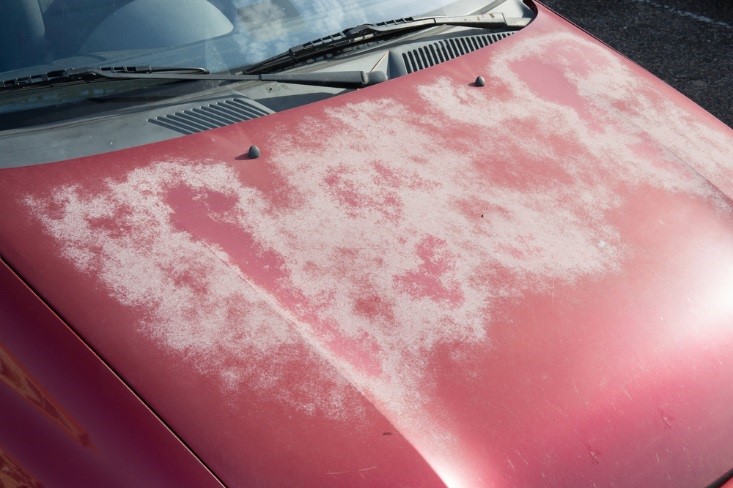
Image Source: media.assets.sincrod.com
The Sun’s Toll on Your Vehicle
The sun emits a spectrum of radiation, and it’s the ultraviolet (UV) rays that are the primary culprits behind sun damage prevention for cars. These invisible rays penetrate the clear coat and paint layers, breaking down the chemical bonds that give your car its vibrant color and protective finish.
Fading and Oxidation
UV radiation causes the pigments in your car’s paint to fade. This leads to a dull, washed-out appearance, especially on darker colors. Oxidation is another common consequence. It’s a chemical reaction where the sun’s energy causes the paint’s clear coat to break down, turning it chalky and dull. You might notice this as a white or hazy film on your car’s surface.
Clear Coat Degradation
The clear coat is the outermost protective layer of your car’s paint. UV rays attack this layer first, making it brittle and prone to cracking and peeling. Once the clear coat is compromised, the underlying paint is exposed to the elements, accelerating the damage.
Interior Damage
It’s not just the exterior that suffers. The sun’s heat intensifies inside a car, acting like a greenhouse. This heat can:
- Fade and crack dashboards and door panels: Plastics and vinyl become brittle and prone to splitting.
- Damage upholstery: Leather can dry out, crack, and fade. Fabric can become worn and discolored.
- Degrade electronic components: Excessive heat can shorten the lifespan of sensitive electronics like infotainment systems.
Proactive Strategies for Sun Damage Prevention
The key to sun damage prevention for cars lies in proactive measures. Think of it as preventative medicine for your vehicle. The more you do to protect it, the longer it will maintain its showroom shine.
The Power of Shade
The most fundamental and often overlooked method is to park your car in the shade whenever possible.
- Garages and Carports: These are the ultimate shields. If you have access to a garage, use it. Carports offer excellent protection from direct overhead sun.
- Natural Shade: Look for large trees or buildings that cast shade during peak sun hours (typically 10 AM to 4 PM). Be mindful of trees that might drop sap or bird droppings, which can also damage paint.
Understanding UV Car Coating and Sealants
Modern advancements offer incredible protection for your car’s paint. Investing in a quality UV car coating or automotive paint sealant is a wise decision.
Ceramic Coating for Cars
Ceramic coating for cars is a liquid polymer applied to the exterior of a vehicle that chemically bonds with the factory paint, creating a durable, hydrophobic layer.
- Benefits of Ceramic Coating:
- Superior UV Protection: Forms a hard, clear barrier that reflects UV rays.
- Scratch Resistance: Offers a degree of protection against minor scratches and swirl marks.
- Hydrophobic Properties: Repels water, dirt, and contaminants, making cleaning easier.
- Long-Lasting: Properly applied ceramic coatings can last for years, significantly outperforming traditional waxes.
Automotive Paint Sealant
Paint sealants are synthetic chemical compounds that create a protective layer on top of your car’s paint. They are generally easier to apply than ceramic coatings and offer good protection.
- Sealant vs. Wax: While traditional car wax protection is beneficial, sealants typically offer longer-lasting durability and better resistance to environmental contaminants. Wax is a natural product derived from carnauba palms and offers a warm, deep shine but needs more frequent reapplication. Sealants provide a harder, more durable shield.
The Role of Car Wax Protection
Even with advanced coatings, car wax protection remains a valuable step in car exterior care.
- Regular Waxing: Applying a quality car wax every 2-3 months can add a sacrificial layer of protection. This layer absorbs the initial brunt of UV rays and environmental fallout, preserving the underlying clear coat.
- Choosing the Right Wax: Look for waxes that contain UV inhibitors. These are specifically formulated to combat the sun’s damaging effects.
Paint Protection Film (PPF)
For the ultimate in physical protection, consider Paint Protection Film (PPF). This is a clear, urethane-based film applied to the painted surfaces of your car.
- PPF Benefits:
- Excellent UV Blocking: The film itself contains UV inhibitors.
- Physical Barrier: Protects against rock chips, scratches, and minor impacts, in addition to sun damage.
- Self-Healing Properties: Many modern PPFs can self-heal minor scratches when exposed to heat.
Shielding Your Car’s Interior from the Sun
Protecting your car’s interior from sun damage is just as important as safeguarding the exterior. The same UV rays and heat that damage paint can severely degrade your dashboard, seats, and other interior components.
Utilizing Car Sunshades
Car sunshade benefits are numerous and significant. They are one of the most cost-effective ways to protect your interior.
-
Types of Sunshades:
- Windshield Sunshades: These are the most common. They reflect sunlight away from the dashboard and seats, dramatically reducing interior temperatures. They come in various forms, including reflective foil, cloth, and custom-fit options.
- Side Window Shades: Mesh or tinted shades can be placed on side windows to block UV rays and heat.
- Rear Window Shades: Similar to side window shades, these protect the rear passenger area.
-
How Sunshades Work: Sunshades act as a physical barrier, reflecting a significant portion of the sun’s radiant energy before it can enter and heat up the cabin. This not only protects materials but also makes the car much cooler and more comfortable to enter after being parked.
Interior Protection Products
Beyond sunshades, specific products can help protect your interior materials.
- Dashboard Protectants: Use high-quality protectants that contain UV blockers for vinyl and plastic surfaces. These products nourish the material and prevent it from drying out and cracking. Avoid products that leave a greasy or highly reflective finish, as these can attract more dust and sometimes cause glare.
- Leather Conditioners: If your car has leather seats, regular conditioning is vital. Leather conditioners not only keep the leather soft and supple but also often contain UV inhibitors to prevent fading and cracking.
- Fabric Protectants: For fabric seats and carpets, fabric protectants can add a layer of resistance against UV rays and stains, making them easier to clean and less prone to fading.
Window Tinting
Professional window tinting offers a more permanent solution for interior sun protection.
- UV Blocking Tints: High-quality window films block a significant percentage of harmful UV rays (often 99%) and infrared heat.
- Benefits of Tinting:
- Reduced Heat: Keeps the car cooler, reducing reliance on AC and extending the life of interior components.
- UV Protection: Prevents fading and cracking of dashboards, seats, and other interior surfaces.
- Glare Reduction: Improves visibility and driving comfort.
- Privacy and Security: Adds an element of privacy and can help hold shattered glass together in case of an accident.
Important Note: Be aware of local laws and regulations regarding window tint levels, as there are often restrictions on how dark tints can be.
Best Practices in Car Detailing Tips for Sun Protection
Regular car detailing tips are essential for maintaining your car’s condition and implementing effective sun damage prevention for cars.
Washing and Drying
- Frequent Washing: Wash your car regularly to remove dirt, dust, and contaminants that can bake into the paint under the sun.
- Proper Washing Technique: Use a pH-neutral car wash soap and the two-bucket method (one bucket for soapy water, one for rinsing the wash mitt) to avoid scratching the paint.
- Drying: Dry your car immediately after washing with a clean, soft microfiber drying towel. Leaving water to air dry can leave water spots, which can etch into the paint and become more visible under sunlight.
Decontamination
- Clay Bar Treatment: Periodically use a clay bar to remove embedded contaminants that washing alone cannot eliminate. This prepares the paint surface for waxing or sealing, allowing these protective layers to bond more effectively.
- Iron Removers: Use iron remover sprays to dissolve stubborn industrial fallout and brake dust that can bond to your paint and accelerate corrosion.
Polishing
- Paint Correction: If you notice swirl marks or minor imperfections, a machine polish can remove these defects and restore the paint’s clarity. This is a crucial step before applying sealants or coatings, as it ensures the protective layer is applied to a flawless surface. Polishing also removes the oxidized top layer of the clear coat, revealing a fresher, more vibrant layer beneath.
Applying Protection
- Layering Protection: A common strategy is to layer protection. For instance, you might apply an automotive paint sealant as a durable base layer, followed by a high-quality car wax protection for added gloss and a sacrificial layer. For those seeking the ultimate, a ceramic coating for cars provides the longest-lasting and most robust protection, often followed by regular waxing or sealant application for added depth and ease of maintenance.
Maintenance and Reapplication
Even the best protection needs maintenance.
Reapplying Wax and Sealants
- Wax: Reapply wax every 2-3 months, or whenever water stops beading effectively.
- Sealants: Reapply sealants every 6-12 months, depending on the product and environmental exposure.
- Ceramic Coatings: While very durable, ceramic coatings can benefit from a spray sealant or detailer every few months to boost their hydrophobic properties and add an extra layer of UV protection.
Maintaining Interior Protection
- Regular Cleaning: Wipe down interior surfaces regularly with a damp microfiber cloth.
- Reapply Protectants: Reapply dashboard protectants and leather conditioners as recommended by the product manufacturer, typically every 3-6 months.
Protecting Your Investment: A Long-Term View
Investing time and resources into sun damage prevention for cars is an investment in your vehicle’s longevity and resale value. A car that has been meticulously cared for will not only look better for longer but will also command a higher price when it’s time to sell or trade it in.
Consider the long-term costs versus the short-term benefits. A few hours spent waxing or applying a sealant periodically can save you thousands in potential paint repair or interior restoration down the line.
DIY vs. Professional Services
- DIY: Many tasks like washing, waxing, applying sealants, and using interior protectants can be done yourself. This is a cost-effective way to maintain your car.
- Professional: For applications like ceramic coating for cars or PPF, professional installation is highly recommended to ensure proper adhesion and maximum longevity. Professional detailers also have specialized tools and knowledge for more advanced paint correction.
Table: Protection Methods and Durability
| Protection Method | Primary Benefit | Typical Durability (Months) | DIY Friendly | Cost (Low/Med/High) |
|---|---|---|---|---|
| Garage Parking | Complete Shielding | N/A | Yes | N/A (if owned) |
| Shade Parking | Partial Shielding | N/A | Yes | N/A |
| Car Wax Protection | Gloss, Water Repellency | 2-4 | Yes | Low |
| Automotive Paint Sealant | Durability, Shine | 6-12 | Yes | Medium |
| Ceramic Coating for Cars | Extreme Durability, Hydro | 24-72+ | No (Expert) | High |
| Paint Protection Film (PPF) | Physical Barrier, UV | 60-120+ | No (Expert) | Very High |
| UV Car Coating (Spray) | Quick Protection | 1-3 | Yes | Low-Medium |
| Interior Protectants | Material Preservation | 3-6 | Yes | Low |
| Window Tinting (UV Blocking) | Heat & UV Rejection | 60-120+ | No (Expert) | Medium-High |
| Car Sunshade Benefits | Interior Heat Reduction | Daily Use | Yes | Low |
Frequently Asked Questions (FAQ)
Q1: How often should I apply car wax protection?
A1: For optimal car wax protection, aim to reapply every 2-3 months, or when you notice water no longer beads effectively on the surface.
Q2: What is the best UV car coating?
A2: The “best” UV car coating depends on your needs and budget. Ceramic coating for cars offers the longest-lasting and most robust protection against UV damage and other environmental factors. High-quality synthetic paint sealants also provide excellent UV resistance and are more budget-friendly.
Q3: Can I wash my car in direct sunlight?
A3: It’s generally not recommended to wash your car in direct sunlight. The sun can cause soap and water to dry too quickly on the surface, leading to water spots and streaks that can be difficult to remove and may even etch the paint. It’s best to wash in the shade or during cooler parts of the day.
Q4: Does regular car washing prevent sun damage?
A4: Regular washing helps remove contaminants that can exacerbate sun damage, but it doesn’t directly prevent UV radiation from affecting the paint. It’s a crucial part of car exterior care but should be combined with protective coatings or waxes for true sun damage prevention for cars.
Q5: How does a car sunshade benefit my car’s interior?
A5: Car sunshade benefits include significantly reducing interior temperatures by reflecting sunlight, preventing dashboard and upholstery fading and cracking, and protecting sensitive electronic components from heat damage.
Q6: Is ceramic coating for cars worth the investment?
A6: For many car owners, ceramic coating for cars is absolutely worth the investment. It provides superior, long-lasting protection against UV rays, chemical stains, and minor scratches, significantly reducing the need for frequent waxing and maintaining a high-gloss finish.
Q7: What’s the difference between a paint sealant and a ceramic coating?
A7: An automotive paint sealant is a synthetic chemical layer applied to paint that bonds to the surface, offering protection for several months. Ceramic coating for cars, on the other hand, is a liquid polymer that chemically bonds with the factory paint, creating a much harder, more durable, and longer-lasting protective layer that can last for years.
Q8: Can I protect my car’s interior without tinting the windows?
A8: Yes, you can effectively protect your car’s interior without tinting the windows by using high-quality car sunshade benefits like windshield shades, applying UV-protectant products to the dashboard and upholstery, and regularly conditioning leather.
By implementing these strategies and embracing consistent car detailing tips, you can effectively combat the detrimental effects of the sun and keep your vehicle looking pristine for years to come.