Yes, you can put car wash soap in your pressure washer, but it’s crucial to use the right type of soap designed for pressure washers and to follow proper usage guidelines to avoid damaging your vehicle or the equipment.
Pressure washing your car can seem like a quick and effective way to get a sparkling clean. You might be tempted to grab your regular bottle of car wash soap and mix it with the water in your pressure washer. However, this is a common mistake that can lead to problems. Not all soaps are created equal, especially when it comes to the high-pressure output of a pressure washer. This guide will dive deep into the world of pressure washer car wash solutions, helping you decipher what’s safe, what’s effective, and what to avoid. We’ll explore the different types of pressure washer detergent available, how to use them correctly, and what to look for in the best soap for pressure washer applications.
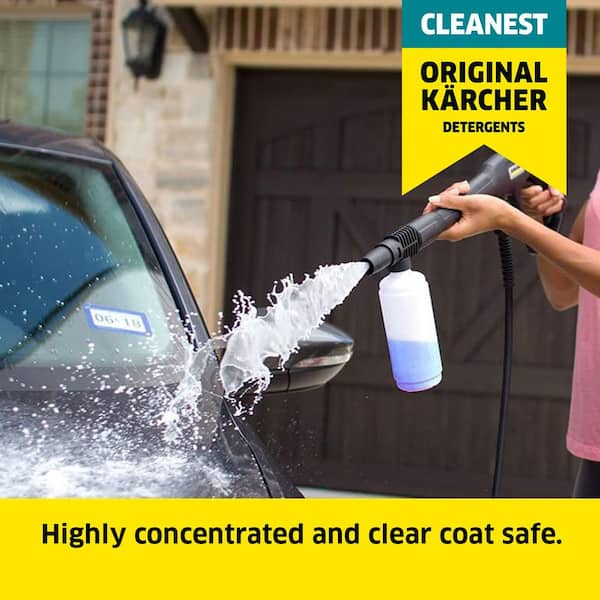
Image Source: images.thdstatic.com
Why Specific Soaps Are Essential for Pressure Washers
Your car wash soap from a bucket and sponge setup isn’t designed for the intense environment inside a pressure washer. These machines operate at significantly higher pressures and flow rates than a garden hose. Regular car wash soap often has a different chemical composition. It might be too thick, creating blockages in the pressure washer’s internal components, including the soap nozzle. It can also create excessive foam that doesn’t rinse away easily, leaving residue and potentially dulling your car’s finish.
The key difference lies in the formulation. Pressure washer soap (also known as pressure washer detergent) is specifically engineered to:
- Dissolve easily: It needs to be liquid enough to be drawn through the pressure washer’s soap system without clogging.
- Rinse effectively: It should break down dirt and grime and then rinse away cleanly, without leaving streaks or residue.
- Be low-foaming: While some suds are good for lifting dirt, excessive foam can be problematic. It can hinder the proper rinsing process and make it difficult to see what you’re doing.
- Be safe for surfaces: The best car soap pressure washer formulas are pH-balanced to be safe for automotive paint, clear coats, tires, and trim.
Using the wrong pressure washer detergent can lead to a variety of issues, from poor cleaning performance to permanent damage to your pressure washer and your vehicle.
Common Pitfalls of Using Non-Pressure Washer Soaps
- Clogging the System: Thicker soaps can block the intake filters or the internal lines of the pressure washer, preventing soap from being dispensed or even stopping the machine altogether.
- Damage to Seals and Gaskets: Harsh chemicals in regular soaps can degrade rubber and plastic components within the pressure washer, leading to leaks and costly repairs.
- Residue and Streaking: Soaps not designed for high-pressure rinsing can leave behind a sticky film or unsightly streaks on your car’s paint.
- Paint Damage: Some regular car soaps contain abrasive agents or harsh degreasers that can strip wax, dull the finish, or even scratch the paint when applied under pressure.
- Foam Blockages: Overly foamy products can overwhelm the soap dispensing system and clog the pressure washer soap nozzle, preventing proper application.
Types of Pressure Washer Soaps for Automotive Use
When you’re looking for a pressure washer car wash solution, you’ll find a few main categories. Each is designed for a specific cleaning task and method of application.
1. General-Purpose Pressure Washer Detergents
These are the most common type of pressure washer soap and are suitable for a wide range of cleaning tasks, including washing cars. They are typically formulated to be safe for most automotive surfaces and are designed to work effectively with the pressure washer’s built-in soap dispenser or an external foam cannon. They are designed to lift dirt, grime, and road film.
2. Concentrated Automotive Soaps
These are highly effective pressure washer automotive soap products. They often come in concentrated forms, meaning you dilute them with water before adding them to your pressure washer’s tank or foam cannon. These can be more economical in the long run. Look for products specifically labeled as “pressure washer safe” or “foam cannon soap.”
3. Specialized Cleaners
Beyond general car washing, there are specialized pressure washer detergents for specific automotive cleaning needs:
- Bug and Tar Removers: These are more potent degreasers designed to break down stubborn insect remains and road tar. They should be used with caution and rinsed thoroughly.
- Wheel Cleaners: Some pressure washer detergents are formulated to tackle brake dust and grime on alloy wheels. Always check compatibility with your wheel type (painted, chrome, polished aluminum).
- Engine Degreasers: These are heavy-duty cleaners for removing oil and grease from engine components. They are generally too harsh for bodywork and should be used only on bare metal parts, with extreme care.
How Pressure Washers Dispense Soap
Most modern pressure washers have a system for dispensing soap. The way this happens dictates the type of soap you should use.
Onboard Detergent Tanks
Some electric and lower-powered gas pressure washers come with a built-in detergent tank. Water from the pump is drawn through this tank, mixing with the soap, and then expelled at a lower pressure (usually via a black or low-pressure nozzle).
- What to use: Thin, liquid car soap pressure washer formulas. Avoid thick or granular soaps.
- Important: Always rinse the tank thoroughly after use to prevent the soap from drying and clogging the system.
Detergent Siphoning Tubes
Higher-powered gas pressure washers often use a siphoning tube that draws soap directly from a separate container. This is a very common method for pressure washer car wash operations.
- What to use: Again, thin, liquid pressure washer soap that can be easily siphoned.
- How it works: The water pumped by the machine creates a vacuum that pulls the soap solution up the tube and mixes it with the water stream.
Foam Cannons and Foam Guns
These are external accessories that connect to the high-pressure outlet of your pressure washer. They are highly popular for pressure washer foam cannon soap applications because they create a thick, clinging foam that encapsulates dirt, allowing it to loosen before you even touch the car.
- What to use: Pressure washer foam cannon soap is specifically formulated to produce thick, stable foam. These are usually concentrated and require dilution according to the manufacturer’s instructions.
- Advantages: Excellent for pre-rinsing and lifting dirt, reducing the risk of scratching during the wash.
The Importance of the Pressure Washer Soap Nozzle
The pressure washer soap nozzle plays a critical role in how soap is dispensed.
- Low-Pressure Nozzles: These are typically the black nozzles that come with your pressure washer. They have a larger orifice, allowing water to flow at a lower pressure and create a vacuum to draw soap through the siphon tube or into the onboard tank.
- High-Pressure Nozzles: These are usually colored (red, yellow, green, white) and have smaller orifices, creating a focused, high-pressure spray. You never use these for applying soap.
Using the Right Nozzle for Soap Application
- Always use the black, low-pressure nozzle when applying soap directly from the pressure washer’s siphoning system or onboard tank.
- Foam cannons and foam guns have their own internal nozzles that regulate the foam consistency and spray pattern.
How to Safely Apply Car Wash Soap with a Pressure Washer
Safety and proper technique are paramount to ensuring a successful pressure washer car wash without damaging your vehicle or equipment.
Step-by-Step Guide
- Choose the Right Soap: Select a safe pressure washer soap specifically designed for automotive use and compatible with your pressure washer’s soap delivery system.
- Prepare Your Pressure Washer:
- Ensure the machine is properly set up and connected to a water source.
- Select the black, low-pressure soap nozzle or attach your foam cannon/gun.
- Load the Soap:
- Onboard Tank/Siphoning Tube: Dilute the soap according to the manufacturer’s instructions (if required) and fill the tank or place the siphon tube in the soap container.
- Foam Cannon/Gun: Mix the pressure washer foam cannon soap with water in the reservoir according to the product’s dilution ratio.
- Pre-Rinse the Vehicle: Before applying any soap, use plain water to rinse off loose dirt and debris. This prevents the dirt from being ground into the paintwork by the soap and brush.
- Apply the Soap:
- Hold the pressure washer wand at a safe distance from the vehicle (typically 1-2 feet).
- Start from the bottom of the vehicle and work your way up. This allows the soap to dwell and break down grime from the lowest points, preventing dirty water from running down onto already soaped areas.
- Ensure an even coat of soap over the entire vehicle.
- Allow the Soap to Dwell (But Not Dry): Let the car soap pressure washer sit on the surface for a short period (usually 1-3 minutes) to break down the dirt. Crucially, do not let the soap dry on the surface. If it starts to dry, rinse it off immediately.
- Rinse Thoroughly:
- Switch to a higher-pressure nozzle (e.g., green or white) for rinsing.
- Start from the top of the vehicle and work your way down.
- Rinse from different angles to ensure all soap residue is removed.
- Wash with Mitt and Bucket (Optional but Recommended): For a truly clean and scratch-free finish, after applying the pressure washer soap and rinsing, it’s often best to follow up with a traditional two-bucket wash method using a quality car wash mitt. The pressure washer is excellent for rinsing and applying the soap, but a mitt can safely agitate the remaining dirt for a deeper clean.
- Final Rinse and Dry: Perform a final rinse with plain water and dry the vehicle with clean microfiber drying towels to prevent water spots.
What Makes a Pressure Washer Soap “Safe”?
Safe pressure washer soap is characterized by its chemical formulation and its specific intended use.
Key Safety Features to Look For:
- pH Neutrality: The best pressure washer automotive soap will be pH neutral. This means it won’t be too acidic or too alkaline, which are the properties that can strip wax, damage clear coats, or etch certain materials.
- Biodegradability: Many high-quality pressure washer detergents are formulated to be biodegradable, which is better for the environment, especially if you’re washing your car outdoors.
- Non-Corrosive: The soap should not corrode metal parts of your pressure washer or the vehicle.
- Rinse Aid Properties: Some advanced formulas contain rinse aids that help water sheet off the surface, aiding in faster drying and reducing water spotting.
- Low VOCs (Volatile Organic Compounds): This is an indicator of a more environmentally friendly and less harsh chemical formulation.
“Can I Use Dish Soap?” – A Common Misconception
Many people wonder if dish soap can be used. While dish soap is a good degreaser for dishes, it is not a safe pressure washer soap.
- Why it’s bad: Dish soaps are often too harsh. They can strip wax, damage the clear coat on your car’s paint, and leave a dull finish. They can also be too foamy and may even contain salt or other additives that could damage your pressure washer’s internal components over time. Always stick to products specifically labeled for automotive pressure washing.
The Best Soap for Pressure Washer Applications
Choosing the best soap for pressure washer use depends on your needs, the type of pressure washer you have, and what you’re cleaning. However, some brands and types consistently receive high marks from automotive detailing enthusiasts.
Factors to Consider When Buying:
- Type of Pressure Washer: Electric vs. Gas (determines power and sometimes soap delivery)
- Soap Delivery System: Onboard tank, siphon tube, foam cannon, or foam gun.
- Cleaning Needs: General washing, bug removal, wheel cleaning.
- Surface Compatibility: Paint, vinyl, rubber, chrome.
- Foam Production: Do you prefer thick, clinging foam or a lighter lather?
- Environmental Impact: Biodegradability and chemical harshness.
- Price and Concentration: How much product you get for your money and how much you need to dilute it.
Popular and Recommended Types of Pressure Washer Car Wash Soaps:
- Dedicated Pressure Washer Soaps: Many reputable pressure washer brands also produce their own line of detergents. These are usually a safe bet for pressure washer soap compatibility.
- Professional Detailing Soaps: Brands known for automotive detailing often have excellent pressure washer automotive soap options that are formulated to be safe and effective. These often create excellent foam when used with a foam cannon.
- Foam Cannon Specific Soaps: If you frequently use a foam cannon, look for products explicitly marketed as “foam cannon soap.” They are designed to produce that satisfyingly thick foam.
Table: Comparing Pressure Washer Soap Delivery Methods
| Method | Soap Type Recommendation | Ease of Use | Foam Quality | Potential Issues |
|---|---|---|---|---|
| Onboard Tank | Thin, liquid, low-foaming | Easy | Moderate | Clogging if not cleaned; limited control of dilution |
| Siphoning Tube | Thin, liquid, low-foaming | Moderate | Moderate | Can siphon air if soap level is low; dilution control |
| Foam Cannon/Gun | Specifically formulated pressure washer foam cannon soap | Easy | High | Requires extra accessory; dilution critical for foam |
Maintaining Your Pressure Washer When Using Soap
Proper maintenance is key to ensuring your pressure washer continues to function effectively, especially after using soap.
Post-Wash Procedures:
- Flush the System: After you’re done washing and rinsing your car, always flush the soap system with clean water.
- If you used an onboard tank, empty any remaining soap and fill the tank with clean water. Run the pressure washer with the soap nozzle (black) until only clear water comes out.
- If you used a siphon tube, rinse the tube thoroughly in a bucket of clean water and then run the pressure washer for a minute to clear any residual soap from the internal lines.
- For foam cannons/guns, rinse them thoroughly with clean water after use.
- Clean the Filter: Regularly check and clean the water inlet filter and the soap filter (if your pressure washer has one). Soap residue can contribute to clogging these.
- Store Properly: Store your pressure washer in a clean, dry place. If you live in an area that experiences freezing temperatures, make sure to winterize your pressure washer to prevent internal damage.
Frequently Asked Questions (FAQ)
Q1: Can I use laundry detergent in my pressure washer?
No, you should never use laundry detergent in your pressure washer. Laundry detergents are designed for washing clothes and contain harsh chemicals, brighteners, and fragrances that can damage your car’s paint and gum up your pressure washer’s internal components.
Q2: What is the difference between pressure washer soap and regular car wash soap?
Pressure washer soap is formulated to be thinner, low-foaming, and safe for high-pressure application and rinsing. Regular car wash soap is often thicker, designed to create more suds in a bucket, and may contain ingredients that are too harsh or prone to leaving residue when used with a pressure washer.
Q3: How do I know if a soap is safe for my pressure washer?
Look for labels that explicitly state “pressure washer safe,” “for pressure washer use,” or “use with foam cannon/gun.” If a product doesn’t mention pressure washers, it’s best to avoid using it. Check the pressure washer soap compatibility information provided by both the soap manufacturer and your pressure washer’s manual.
Q4: Can I use any car soap in a foam cannon?
While some car soaps can be used in a foam cannon, it’s best to use pressure washer foam cannon soap specifically designed for this purpose. These are formulated to create the thick, clinging foam that foam cannons are known for. Using a non-foam cannon soap might result in a thinner lather or poor foaming performance.
Q5: Will pressure washing damage my car’s paint if I use the right soap?
When using the correct pressure washer car wash soap and maintaining the proper distance and angle with the pressure washer wand, it’s generally safe for your car’s paint. However, always pre-rinse to remove loose debris and avoid spraying directly at weak points like chipped paint, emblems, or seals. Using a safe pressure washer soap minimizes the risk of chemical damage.
Q6: Do I need a special nozzle for car wash soap in my pressure washer?
If your pressure washer has an onboard tank or a siphon tube for soap, you will typically use the black, low-pressure soap nozzle for application. If you are using a foam cannon or foam gun, these accessories come with their own specialized nozzles. You never use the high-pressure colored nozzles (red, yellow, green, etc.) for applying soap.
Q7: What is the best soap for pressure washer applications on a very dirty car?
For a very dirty car, you might consider a concentrated pressure washer detergent that also has good degreasing properties. Many dedicated pressure washer automotive soap products are formulated to handle heavy grime. Some detailers like to pre-treat heavily soiled areas with a specific degreaser before applying the main wash soap. Always ensure the degreaser is automotive-safe.
By following these guidelines and choosing the right products, you can effectively and safely use your pressure washer for a brilliant car wash. Remember, the right car soap pressure washer combination is key to achieving a great result without damaging your vehicle or your equipment.