So, how much does it cost to epoxy a 2 car garage? The average cost of epoxy garage floor installation for a standard 2-car garage typically ranges from $1,200 to $3,500. This figure can vary based on the type of epoxy, the condition of your existing concrete, any necessary prep work, and whether you choose a DIY approach or hire a professional. The 2 car garage floor coating price is a significant consideration for many homeowners looking to enhance their garage’s aesthetics and durability.
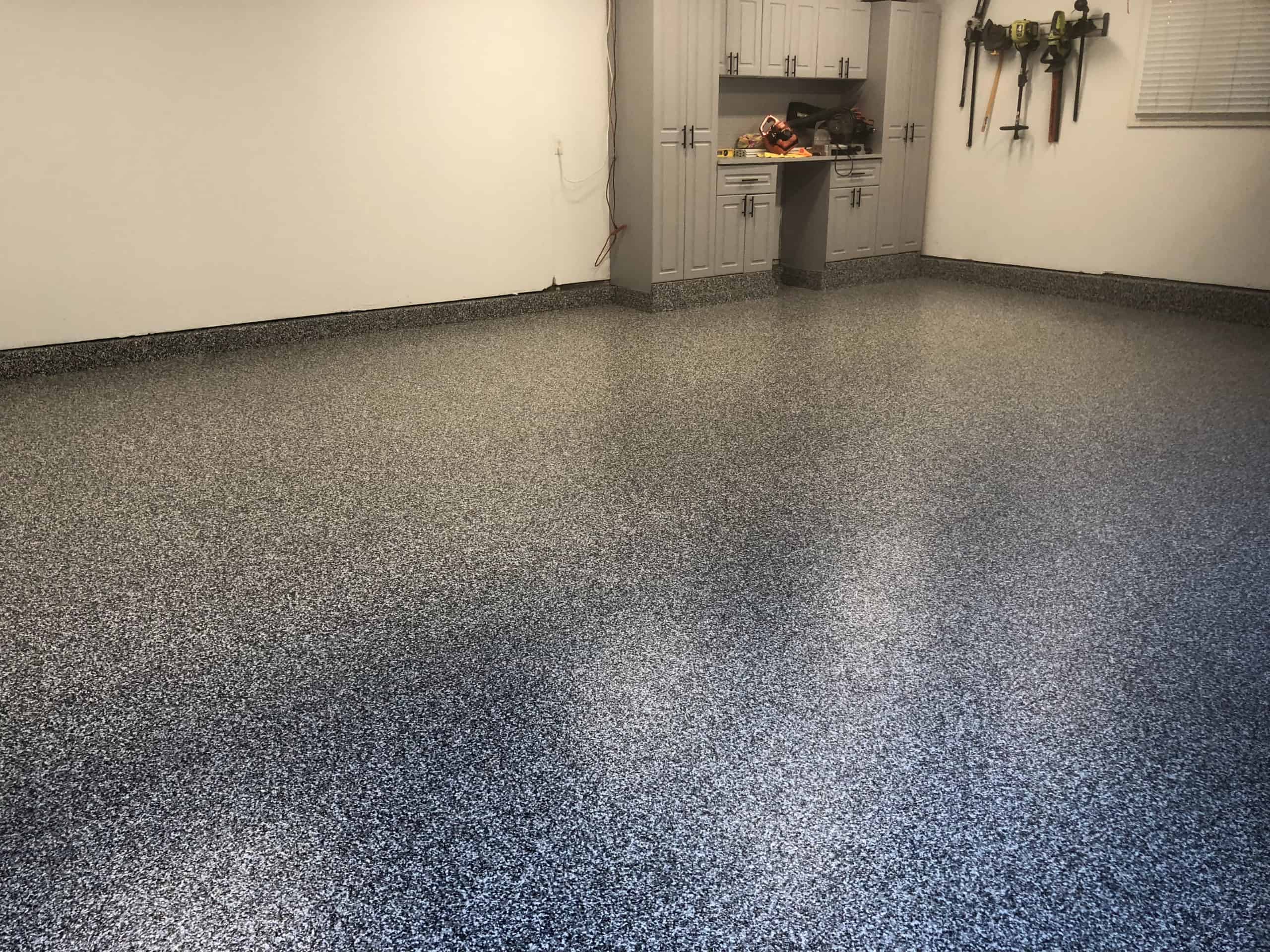
Image Source: amazinggaragefloors.net
Deciphering the Epoxy Garage Floor Cost for a 2-Car Space
Transforming your garage floor with an epoxy coating is a popular upgrade. It not only makes your garage look cleaner and more professional but also provides a durable, protective layer against stains, chemicals, and wear and tear. But what exactly goes into the epoxy garage floor cost? It’s more than just the paint; it’s a package of materials, labor, and the quality of the finish you desire.
Factors Influencing Your Epoxy Garage Floor Cost
Several key elements contribute to the final price tag when you’re looking at the cost to epoxy a garage. Let’s break them down:
Concrete Condition: The Foundation of the Price
The most crucial factor affecting your epoxy garage floor cost is the current state of your concrete. Is it old and cracked? Does it have oil stains or paint splatters?
- New Concrete: If your garage floor is new and in pristine condition, preparation will be minimal. This means lower labor costs and fewer materials for repairs, bringing down the overall 2 car garage floor coating price.
- Old Concrete with Stains and Damage: If your concrete has seen better days, expect higher costs. Stains, especially oil or grease, require special cleaning agents and degreasers. Cracks and pitting need to be repaired with a concrete filler or patching compound, which adds to both material and labor expenses. Significant damage might even necessitate concrete resurfacing before the epoxy can be applied, further increasing the garage floor resurfacing cost.
- Moisture Issues: If your garage floor has a moisture problem, this needs to be addressed before epoxy application. High moisture levels can cause the epoxy to delaminate. Specialized moisture vapor barriers might be needed, adding to the epoxy coating for 2 car garage pricing.
Type of Epoxy System: More Than Just Color
Not all epoxy coatings are created equal. The type of epoxy system you choose significantly impacts the epoxy garage floor cost.
- 100% Solids Epoxy: This is the highest quality and most durable type of epoxy. It contains a high solids content, meaning less water or volatile organic compounds (VOCs). It creates a thicker, more robust coating resistant to chemicals, abrasions, and heavy traffic. While more expensive upfront, its longevity often makes it a cost-effective choice in the long run. This system is typically what professionals recommend for a premium finish.
- Water-Based Epoxy: These are generally less expensive but also less durable than 100% solids epoxy. They are easier to apply and have lower VOCs, making them a popular choice for DIYers. However, they are thinner and more prone to chipping and staining over time. They might be a good option if you’re looking for a basic color change rather than maximum protection.
- Polyurethane and Polyaspartic Coatings: While not technically epoxy, these are often applied over an epoxy primer or as a standalone coating. They offer superior UV resistance, scratch resistance, and flexibility compared to most epoxies. Polyaspartic coatings, in particular, cure very quickly, allowing for faster project completion but often come with a higher price tag. When budgeting for garage floor epoxy installation cost, it’s important to know if these advanced coatings are included.
Decorative Elements: Adding Flair and Cost
Want your garage floor to look more than just a solid color? Decorative elements can add to the epoxy garage floor cost.
- Color Flakes (or Chips): These are small vinyl or acrylic flakes broadcast into the wet epoxy layer. They add texture, hide imperfections, and improve slip resistance. The cost of flakes varies depending on the color, size, and density of application. A full broadcast of flakes will cost more than a light scatter.
- Metallic Pigments: These create a unique, high-gloss, marbled effect that can look quite luxurious. Metallic epoxy systems are generally more expensive due to the cost of the pigments and the skill required for application to achieve the desired aesthetic.
- Stenciling or Logos: Custom designs, stenciling, or adding your favorite sports team’s logo will increase the cost to epoxy a garage due to the extra labor and design work involved.
Labor and Professional Installation vs. DIY
This is a major differentiator in the epoxy garage floor cost.
- Professional Installation: Hiring a professional service generally includes thorough surface preparation (grinding or acid etching), crack and damage repair, application of the epoxy, and any decorative elements. Professionals have the right equipment, experience, and often offer warranties, which can justify the higher garage floor epoxy installation cost. You’re paying for expertise, time savings, and a professional finish.
- DIY Epoxy Garage Floor Cost vs. Professional: The DIY epoxy garage floor cost vs. professional comparison often shows significant savings if you have the time and inclination. An epoxy garage floor kit cost can be considerably less than professional installation. However, DIY projects come with risks. Improper surface preparation is the most common mistake, leading to premature failure of the coating. You also need to factor in the cost of renting or purchasing specialized equipment like grinders, squeegees, and rollers. If you’re not experienced, the cost to epoxy a garage yourself might end up being higher if you have to fix mistakes or redo the job.
Square Footage and Garage Size
While we’re focusing on a 2-car garage, the exact dimensions matter. A larger 2-car garage will naturally cost more than a smaller one. The 2 car garage floor coating price is directly proportional to the area being covered. Standard 2-car garages are typically between 400 and 600 square feet.
Getting a Detailed Quote: What to Expect
When you get quotes for your epoxy garage floor cost, ensure they are itemized. A comprehensive quote should include:
- Surface Preparation: Detailing the method (grinding, shot blasting, acid etching) and any associated costs for cleaning and repairs.
- Material Costs: Breakdown of epoxy, primer, topcoat, flakes, or metallic pigments.
- Labor Costs: Hours estimated for preparation, application, and finishing.
- Disposal Fees: For any waste materials removed.
- Warranty Information: What is covered and for how long.
This detailed breakdown helps you compare different installers and avoid hidden fees in your garage floor epoxy installation cost.
The DIY Route: Calculating Your Epoxy Garage Floor Kit Cost
For those who prefer a hands-on approach, the DIY epoxy garage floor cost is primarily the cost of the materials. An epoxy garage floor kit cost can range from $150 to $500 or more, depending on the brand, type of epoxy, and the size of the kit.
What’s Typically Included in a DIY Epoxy Garage Floor Kit?
- Epoxy Resin and Hardener: The core components of the coating.
- Primer: Sometimes included, sometimes sold separately. A good primer is crucial for adhesion.
- Decorative Flakes: Often provided in a sample pack for you to broadcast.
- Clear Topcoat: To protect the decorative layer and add shine.
- Spatula/Mixing Stick: Basic tools for mixing.
What’s NOT Typically Included in a DIY Epoxy Garage Floor Kit?
This is where the DIY epoxy garage floor cost vs. professional disparity can shrink if you’re not prepared.
- Surface Grinding Equipment: Renting a concrete grinder with diamond bits can cost $50-$150 per day.
- Concrete Cleaner/Degreaser: Essential for cleaning the floor thoroughly.
- Crack and Pitting Filler: You’ll need a good quality concrete patching compound.
- High-Quality Rollers and Brushes: Cheap rollers can leave lint or streaks.
- Squeegees: For spreading the epoxy evenly.
- Spiked Shoes: To walk on the wet epoxy without leaving footprints.
- Safety Gear: Respirator masks, gloves, safety glasses.
- Disposal Costs: For old paint, sealants, or debris.
Therefore, when budgeting for a DIY project, remember to factor in these additional costs. The initial appeal of a low epoxy garage floor kit cost can quickly increase when you account for all the necessary tools and preparation materials.
Professional Installation: The True Cost to Epoxy a Garage
Professional installation for a 2-car garage will generally be the more expensive option, but it often provides superior results and peace of mind.
Breakdown of Professional Service Costs:
- Surface Preparation (Grinding/Etching): This is crucial and often the most labor-intensive part. Professionals use heavy-duty equipment to create a CSP (Concrete Surface Profile) that ensures the epoxy bonds correctly. This can add $1 to $3 per square foot to the overall cost to epoxy a garage.
- Crack and Joint Repair: Sealing and filling cracks and expansion joints is standard.
- Epoxy Application: This includes the primer, base coat, decorative flakes (if chosen), and a protective topcoat. The thickness of the application and the quality of the materials used will affect the price.
- Labor: Skilled technicians charge for their time, expertise, and the efficiency of their process.
- Cleanup and Disposal: Professionals handle the removal of all waste materials.
The typical professional cost for epoxy coating a 2-car garage can range from $3 to $10+ per square foot. For a 500 sq ft garage, this equates to $1,500 to $5,000+. This range accounts for the varying levels of service and material quality.
Understanding the Garage Floor Resurfacing Cost Component
Sometimes, the concrete isn’t just dirty or cracked; it’s uneven, has spalled areas, or significant damage. In these cases, a simple epoxy coating might not suffice, and garage floor resurfacing cost becomes a factor.
When is Garage Floor Resurfacing Necessary?
- Severe Spalling: When the top layer of concrete has chipped away.
- Deep Cracks: Cracks that are too deep for standard patching compounds.
- Uneven Surfaces: Where the concrete has settled or been poorly poured.
- Previous Coatings: If there’s an old, failing coating that needs complete removal.
How Resurfacing Affects Epoxy Costs
Garage floor resurfacing typically involves applying a self-leveling concrete overlay or a repair mortar. This process adds significant cost:
- Material Costs: Overlays and repair mortars are more expensive than standard epoxy.
- Labor Costs: Resurfacing is labor-intensive, requiring careful mixing, application, and often a second coat or smoothing.
- Drying Time: Resurfacing materials need time to cure before epoxy can be applied, potentially extending the project timeline and adding to overall epoxy garage floor cost.
If resurfacing is required, expect the cost to epoxy a garage to increase by $2 to $5+ per square foot, bringing the total for a 2-car garage closer to the higher end of the spectrum or even exceeding it.
How Much to Paint a Garage Floor vs. Epoxy
It’s important to distinguish between painting a garage floor and applying an epoxy coating. Many people ask how much to paint a garage floor, which is a simpler and less expensive process.
Garage Floor Paint:
- Cost: Garage floor paint can cost anywhere from $20-$60 per gallon. You might need 2-3 gallons for a 2-car garage, making the material cost around $60-$180.
- Durability: Paint is a thin film coating. It’s prone to hot tire pickup (where tires lift the paint off the concrete), chipping, and staining. It offers minimal protection against chemicals.
- Preparation: Still requires cleaning and degreasing, but grinding is usually not necessary unless the concrete is smooth.
- Longevity: Typically lasts 1-3 years before needing recoating.
Epoxy Coating:
- Cost: As discussed, significantly higher than paint, both for DIY kits and professional installation.
- Durability: Much more robust. It forms a hard, chemical-resistant shell that can withstand heavy use, hot tires, and spills.
- Preparation: Requires thorough cleaning and often mechanical grinding for optimal adhesion.
- Longevity: Can last 5-10 years or even longer with proper care, especially high-solids or polyaspartic systems.
In essence, painting is a temporary aesthetic upgrade, while epoxy is a long-term protective and decorative investment. The cost to epoxy a garage is justified by its superior performance and lifespan compared to simply painting the floor.
Average Cost of Epoxy Garage Floor: A Summary
Let’s consolidate the numbers for a typical 2-car garage (approx. 400-600 sq ft):
| Service Level | Material Cost (DIY) | Professional Installation Cost | Total Estimated Cost (2-Car Garage) |
|---|---|---|---|
| Basic DIY Kit | $150 – $400 | N/A | $150 – $400 (plus tool rental) |
| Premium DIY Kit | $300 – $700 | N/A | $300 – $700 (plus tool rental) |
| Professional (Basic) | N/A | $1,200 – $2,000 | $1,200 – $2,000 |
| Professional (Mid-Range) | N/A | $1,800 – $2,800 | $1,800 – $2,800 |
| Professional (High-End/Flakes) | N/A | $2,500 – $3,500+ | $2,500 – $3,500+ |
| Professional (with Resurfacing) | N/A | $3,000 – $5,000+ | $3,000 – $5,000+ |
These figures represent the average cost of epoxy garage floor projects. Always get multiple quotes to understand the specific 2 car garage floor coating price in your area and for the services you require.
Tips for Maximizing Your Epoxy Garage Floor Investment
To get the most out of your epoxy coating for 2 car garage pricing, consider these tips:
- Prioritize Preparation: This is the single most important step for a lasting finish. Don’t cut corners on cleaning and profiling the concrete.
- Choose Quality Materials: Invest in a good quality epoxy system, especially if you plan on heavy use or exposure to chemicals.
- Consider the Topcoat: A UV-resistant polyaspartic or urethane topcoat will protect the epoxy from yellowing and degradation, especially if your garage gets direct sunlight.
- Read Reviews: For professionals, check online reviews and ask for references. For DIY kits, read product reviews carefully.
- Ventilate Properly: Ensure good ventilation during application and curing, especially with solvent-based epoxies.
- Follow Manufacturer Instructions: Whether DIY or professional, adherence to the product’s guidelines is critical for success.
By carefully considering these factors, you can make an informed decision about the epoxy garage floor cost and ensure you achieve a durable, attractive finish for your garage.
Frequently Asked Questions about Epoxy Garage Floors
Q1: How long does epoxy garage floor coating last?
A1: A properly installed epoxy garage floor can last anywhere from 5 to 10 years, or even longer, depending on the quality of the epoxy system, surface preparation, and the amount of traffic and exposure to chemicals or UV light.
Q2: Is epoxy garage floor coating slippery when wet?
A2: Standard epoxy can be slippery when wet. However, adding decorative color flakes or using a non-slip additive in the topcoat significantly improves slip resistance. Many professionals offer these options as standard or at a minimal extra cost.
Q3: Can I apply epoxy over an existing painted garage floor?
A3: It depends on the condition of the existing paint. If the paint is peeling, chipping, or in poor condition, it must be removed entirely. If the paint is well-adhered and you plan to mechanically profile the surface (grind it), you might be able to apply epoxy over it, but a test patch is highly recommended. It’s generally best to remove old paint for optimal adhesion.
Q4: How much time does it take to epoxy a garage?
A4: The entire process, from preparation to final curing, usually takes 2 to 3 days. Surface preparation can take several hours. Applying the epoxy coats typically takes a full day. You’ll then need to wait for the epoxy to cure sufficiently before you can walk on it (usually 24 hours) and drive on it (typically 3-7 days).
Q5: Is the cost to epoxy a garage worth it compared to other options?
A5: For most people, yes. While the initial epoxy garage floor cost is higher than painting, its superior durability, resistance to stains and chemicals, and aesthetic appeal generally make it a better long-term investment. It protects your concrete and adds value to your home.