Image Source: www.hotshotsecret.com
Hard Downshift: Why Does My Car Downshift Hard?
What is a hard downshift? A hard downshift is when your car’s transmission forcefully shifts to a lower gear, causing a noticeable jolt or clunk. Can I fix a hard downshift myself? Sometimes, minor issues like low transmission fluid can be addressed by a DIYer, but most hard downshifts require professional diagnosis and repair.
Experiencing a jarring jolt when your car shifts gears, especially when slowing down or accelerating, can be unsettling. This abrupt change, often described as a hard downshift, is a clear indication that something isn’t quite right with your vehicle’s transmission system. While a slight hesitation or smoothness is expected during gear changes, a hard downshift points to a transmission downshift problem that warrants attention. It’s not just about comfort; such symptoms can be early warnings of more significant and costly automatic transmission rough shifting issues.
This phenomenon is a common concern for drivers, leading to questions about its causes, implications, and potential solutions. Many drivers have faced jerky gear changes, making it a relatable issue across the automotive landscape. Whether it’s an older vehicle or a newer model with advanced technology, a hard downshift can manifest for various reasons, affecting the overall driving experience and the longevity of your transmission.
Deciphering the Causes of Jerky Gear Changes
A hard downshift isn’t a singular event with a single cause. It’s a symptom that can arise from a complex interplay of mechanical and electrical factors within the transmission. Fathoming these causes is crucial for effective diagnosis and repair.
Low or Degraded Transmission Fluid
One of the most frequent culprits behind automatic transmission rough shifting is the state of the transmission fluid. This fluid is the lifeblood of your transmission, lubricating moving parts, cooling the system, and acting as a hydraulic medium to engage gears.
- Low Fluid Level: When the transmission fluid level is low, the hydraulic system cannot operate efficiently. This can lead to delayed engagement, slip, and ultimately, harsh shifts as the system struggles to build adequate pressure.
- Degraded Fluid: Over time, transmission fluid degrades. It can lose its lubricating properties, become contaminated with debris, or break down due to heat. Degraded fluid cannot perform its essential functions effectively, leading to increased friction and wear, which in turn causes jerky gear changes.
Transmission fluid contamination symptoms can include a burnt smell, a cloudy or dark appearance, and the presence of metallic particles. These are clear indicators that the fluid needs to be replaced.
Worn or Damaged Transmission Components
Like any mechanical system, the transmission has numerous parts that can wear out or become damaged over time.
- Clutch Packs: Automatic transmissions use clutch packs to engage different gears. If these clutch packs are worn or damaged, they may not engage smoothly, leading to a hard downshift.
- Bands: Transmission bands are used to control the rotation of drums within the transmission. Worn or improperly adjusted bands can cause abrupt shifts.
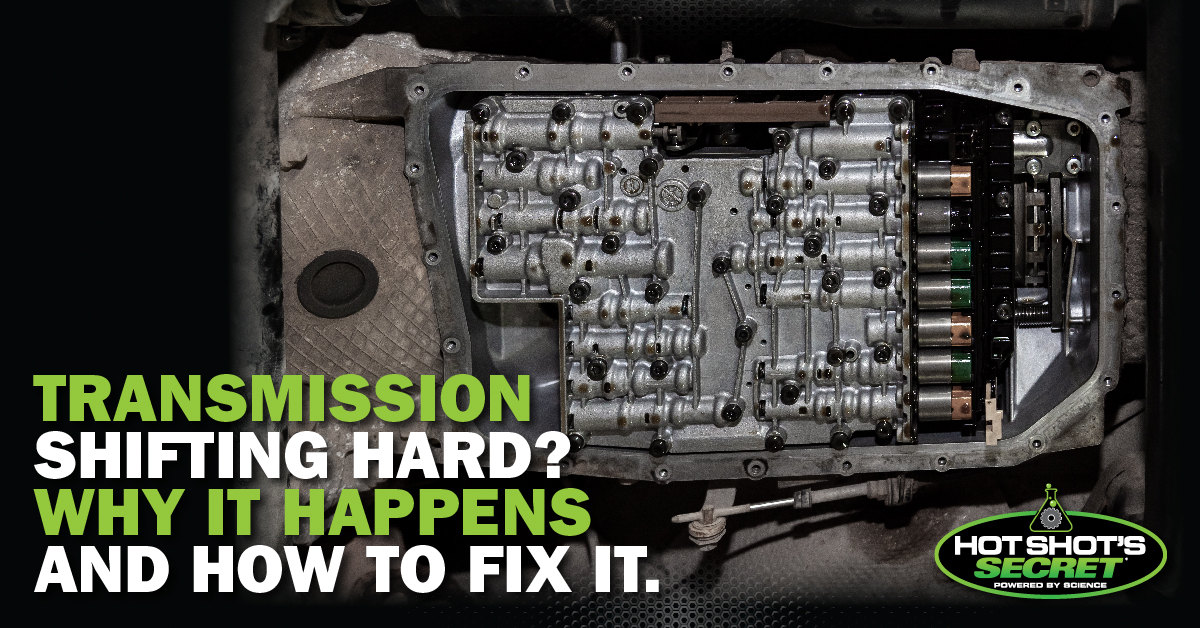
- Valve Body: The valve body is a complex maze of channels and valves that direct transmission fluid to engage the appropriate gear. If a valve sticks or a passage is blocked, it can disrupt the hydraulic control, resulting in harsh downshifting causes.
Torque Converter Issues
The torque converter is a fluid coupling that connects the engine to the transmission. It allows the engine to keep running when the car is stopped and multiplies torque during acceleration.
- Torque Converter Clutch (TCC): Modern torque converters often have a lock-up clutch that engages at cruising speeds to improve fuel efficiency. If this clutch fails to engage or disengage smoothly, it can cause a torque converter hard engagement or a shudder during downshifts.
- Internal Damage: Internal components of the torque converter, such as the stator or turbine, can wear or get damaged, affecting its ability to transfer power smoothly and contributing to hard downshifts.
Transmission Control Module (TCM) and Sensor Problems
Modern transmissions are managed by sophisticated computer systems, including the Transmission Control Module issues. This module receives data from various sensors and controls the hydraulic solenoids that shift gears.
- Faulty Sensors: Sensors that monitor vehicle speed, engine load, throttle position, and transmission fluid temperature provide critical data to the TCM. If a sensor malfunctions, it can send incorrect information to the TCM, leading to improper shift commands and a hard downshift.
- TCM Malfunction: While less common, the TCM itself can develop software glitches or hardware failures, causing erratic transmission behavior, including jerky gear changes.
Solenoid Malfunctions
Solenoids are electro-hydraulic valves controlled by the TCM. They direct transmission fluid to engage different gear sets.
- Sticking Solenoids: If a solenoid sticks open or closed, or if its response is too slow, it can cause delayed or harsh gear engagement. This is a common cause of automatic gearbox harsh engagement.
- Electrical Issues: Wiring problems or faulty solenoids can also disrupt the signal from the TCM, leading to improper hydraulic control.
Fathoming the Symptoms of a Failing Transmission
Beyond the hard downshift itself, several other symptoms can accompany this issue, painting a clearer picture of a potential transmission downshift problem. Recognizing these accompanying signs is crucial for early detection and prevention of further damage.
Slipping Gears
A symptom that often goes hand-in-hand with hard downshifts is transmission slipping and rough shifts. This occurs when the transmission momentarily loses its grip on a gear, causing a slip or a delay before re-engaging. It can feel like the engine is revving without a corresponding increase in speed.
Clunking or Knocking Sounds
While a manual transmission downshift clunk can sometimes be a normal characteristic of older manual gearboxes, in an automatic transmission, a distinct clunk or knock during downshifting is a sign of excessive play or impact within the transmission components.
Hesitation or Delayed Engagement
The transmission might hesitate before engaging a gear when shifting from park to drive or reverse. This delay is another symptom of insufficient hydraulic pressure or a problem with the valve body.
Overheating Transmission Fluid
As mentioned earlier, transmission fluid plays a vital cooling role. If the fluid is low, degraded, or if there’s internal friction due to worn parts, the transmission can overheat. Overheated fluid can lead to increased viscosity and reduced lubricating properties, exacerbating shifting issues.
Diagnosing a Hard Downshift: A Systematic Approach
Pinpointing the exact cause of a hard downshift requires a systematic diagnostic process, often best performed by a qualified mechanic.
Initial Checks
- Check Transmission Fluid Level and Condition: This is the first and often easiest step. A mechanic will check the fluid level using the dipstick (if applicable) and inspect its color and smell for signs of contamination or burning.
- Scan for Diagnostic Trouble Codes (DTCs): Modern vehicles store error codes in various modules, including the TCM. A scan tool can retrieve these codes, which can point directly to faulty sensors or solenoids.
Deeper Mechanical Inspections
- Valve Body Inspection: If fluid levels and codes don’t reveal the issue, the mechanic may need to inspect the valve body for stuck valves, debris, or wear.
- Torque Converter Testing: Specialized equipment can be used to test the torque converter’s operation, checking for proper lock-up and fluid circulation.
- Internal Transmission Inspection: In severe cases, the transmission may need to be partially or fully disassembled to inspect clutch packs, bands, seals, and other internal components for wear or damage.
Common Causes and Their Solutions
Let’s break down some of the most common harsh downshifting causes and their typical solutions.
| Cause | Likely Solution |
|---|---|
| Low or Degraded Transmission Fluid | Top up fluid to the correct level. Flush and replace transmission fluid and filter. |
| Worn Clutch Packs | Rebuild or replace the transmission. |
| Faulty Transmission Solenoids | Replace the faulty solenoid(s). |
| Torque Converter Hard Engagement | Replace the torque converter. |
| Transmission Control Module Issues | Reprogram the TCM. If the TCM is faulty, replace it. |
| Sensor Malfunctions | Replace the faulty sensor(s) (e.g., speed sensor, throttle position sensor). |
| Valve Body Issues | Clean and service the valve body. If severely damaged, replacement might be necessary. |
| Worn Transmission Mounts | Replace worn transmission mounts. (While not a direct transmission cause, worn mounts can amplify perceived harshness). |
| Automatic Gearbox Harsh Engagement | Depends on the underlying cause, but often involves fluid, solenoids, or valve body adjustments/replacements. |
| Transmission Slipping and Rough Shifts | Often indicates worn internal components (clutches, bands) requiring a transmission rebuild or replacement. |
| Manual Transmission Downshift Clunk | Check clutch operation, transmission mounts, and universal joints. For internal issues, a transmission overhaul might be needed. |
Why Early Intervention is Key
Ignoring a hard downshift can lead to a cascade of problems, potentially turning a repairable issue into a complete transmission failure.
- Increased Wear: Continued driving with a hard downshift symptom means components are experiencing abnormal stress and friction. This accelerates wear and can lead to premature failure of other parts.
- Cost Escalation: A minor issue like a faulty solenoid is far less expensive to fix than a transmission rebuild that might be necessitated by driving with worn clutch packs for an extended period.
- Safety Concerns: A malfunctioning transmission can affect your car’s ability to shift smoothly and predictably, potentially posing a safety risk, especially during critical maneuvers.
Maintenance and Prevention
While not all transmission problems can be prevented, regular maintenance significantly reduces the risk of issues like hard downshifts.
- Regular Fluid Checks and Changes: Adhere to your vehicle manufacturer’s recommended service intervals for transmission fluid and filter changes. Use only the specified type of transmission fluid.
- Address Warning Signs Promptly: Don’t delay in having your car inspected if you notice any unusual shifting behavior, including hard downshifts, slipping, or strange noises.
- Proper Driving Habits: Avoid aggressive acceleration and braking. Allow your transmission to warm up properly before engaging in strenuous driving.
Frequently Asked Questions (FAQ)
Q1: Can I drive my car if it’s downshifting hard?
A1: It’s generally not advisable to drive your car extensively if it’s experiencing hard downshifts. Continued driving can exacerbate the underlying problem and lead to more severe, costly damage. It’s best to have it inspected by a professional as soon as possible.
Q2: Is a hard downshift a sign of a transmission going bad?
A2: A hard downshift is a symptom that can indicate various issues, ranging from simple fluid problems to more serious internal wear. While it doesn’t automatically mean the transmission is “going bad,” it is a strong warning sign that requires professional attention to prevent future catastrophic failure.
Q3: How much does it cost to fix a hard downshift?
A3: The cost can vary significantly depending on the cause. A simple transmission fluid change might cost a few hundred dollars. Replacing a solenoid or sensor could be a few hundred to over a thousand dollars. More extensive repairs like valve body replacement, torque converter replacement, or a full transmission rebuild can range from several thousand dollars upwards.
Q4: What’s the difference between a hard downshift and a rough shift?
A4: A hard downshift specifically refers to the abruptness when the transmission shifts to a lower gear. “Rough shifting” is a broader term that can encompass harshness during both upshifts and downshifts, or even slipping and delayed engagement. A hard downshift is a specific type of rough shifting.
Q5: My car only downshifts hard when it’s cold. Is that normal?
A5: While some transmissions might be slightly less smooth when cold, significant jolting or clunking is not considered normal. This could indicate that the transmission fluid is not circulating properly when cold, or that a component is sticking due to temperature changes. It’s still worth getting checked.
In conclusion, a hard downshift is more than just an annoyance; it’s a signal from your vehicle’s transmission that demands attention. By understanding the potential harsh downshifting causes, recognizing accompanying symptoms, and opting for timely diagnosis and repair, you can protect your vehicle from further damage and ensure a smoother, safer driving experience. Regular maintenance and prompt attention to unusual behavior are your best allies in keeping your car’s transmission in optimal condition.