So, you’ve found yourself asking, “Can I drive a totaled car?” The short answer is generally no, not in its current, “totaled” state. A car is declared “totaled” when its repair costs exceed a certain percentage of its market value, typically 70-90%, as determined by an insurance company. This means it’s often unsafe and illegal to drive. However, this doesn’t always mean the vehicle is destined for the scrap heap. Understanding the nuances of a totaled vehicle is crucial if you’re considering buying one or have recently acquired one.
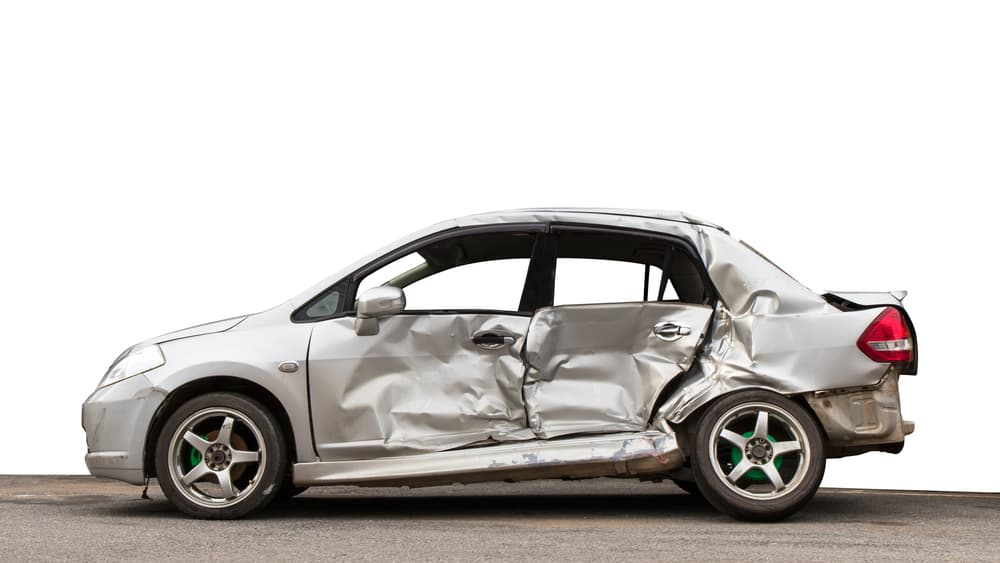
Image Source: 23b2c574.rocketcdn.me
What Does “Totaled” Really Mean?
When an insurance adjuster declares a vehicle “totaled,” it means they’ve assessed the damage and concluded that the cost to repair it back to a safe, roadworthy condition is more than the car is worth. This is a financial decision, not always a statement about the car’s ultimate potential. The car isn’t necessarily in pieces; it might have significant damage to its frame, engine, or safety systems that would be prohibitively expensive to fix.
The Insurance Company’s Perspective
Insurance companies are in the business of managing risk and financial exposure. If the repair bill approaches or exceeds the car’s pre-accident value, they will “total” the vehicle. They will then pay the owner the actual cash value (ACV) of the car, minus any deductible, and take possession of the damaged vehicle. This payout is based on the market value of a similar car in similar condition before the accident.
Beyond the Damage: Why “Totaled” Isn’t Always “Unfixable”
It’s vital to grasp that “totaled” is an insurance term. A car can be declared totaled for various reasons:
- Major Collision Damage: Significant structural damage to the frame or unibody can be very costly to repair and can compromise the vehicle’s integrity.
- Flood Damage: Water damage, especially to electrical systems and the interior, can lead to corrosion and long-term problems, making repairs uneconomical.
- Fire Damage: Extensive fire damage can weaken metal components and destroy interior and electrical systems.
- Theft Recovery: If a car is stolen and recovered with extensive damage or missing parts, it might be deemed totaled.
In many cases, a “totaled” car can be repaired and put back on the road, but it requires a different process and a different title.
Navigating the Path to Driving a Totaled Car: The Rebuilt Title
The primary way you can legally drive a car that was once declared totaled is by having it repaired and then obtaining a rebuilt title. This process is complex and highly regulated.
What is a Salvage Title Vehicle?
Before it can become a rebuilt title vehicle, a totaled car typically first receives a salvage title. This title is issued by the state to indicate that the vehicle has sustained significant damage and has been declared a total loss by an insurance company. The owner can then choose to keep the car, and the insurance company pays out the ACV less the salvage value. In this scenario, the vehicle’s title is branded as “salvage.”
The Road from Salvage to Rebuilt
A rebuilt title car is a vehicle that was previously issued a salvage title, has undergone substantial repairs, and has passed a rigorous state inspection to ensure it is roadworthy and safe. This process transforms a damaged vehicle back into a legal, drivable asset.
Here’s a general outline of the steps involved in obtaining a rebuilt title:
- Acquire the Salvaged Vehicle: You might buy a salvage vehicle from an insurance auction, a salvage yard, or directly from an owner who kept it after it was totaled.
- Repair the Vehicle: This is the most critical and often the most expensive step. Repairs must be extensive enough to address all the damage that led to it being declared a total loss. You’ll need receipts for all parts and labor.
- Obtain a Salvage Inspection (or Equivalent): Some states require a pre-salvage inspection to document the damage before repairs begin.
- Pass a Rebuilt Vehicle Inspection: This is a stringent safety inspection conducted by a state-authorized facility. They check the structural integrity, safety systems (brakes, lights, steering), and that the vehicle identification number (VIN) is intact and matches the paperwork.
- Apply for a Rebuilt Title: Once the vehicle passes the inspection, you can apply for a new title branded as “rebuilt.”
Requirements for Driving a Salvaged Car (with a Rebuilt Title)
To legally drive a salvaged car that has been repaired and has a rebuilt title, you must meet several requirements for driving a salvaged car:
- Proper Registration: The vehicle must be registered with your state’s Department of Motor Vehicles (DMV) or equivalent agency.
- Valid Insurance: You’ll need to secure auto insurance. Insuring a rebuilt title car can be more challenging, and some companies may refuse coverage or offer limited policies.
- Passing State Inspections: Many states require rebuilt title vehicles to pass periodic safety and emissions inspections.
Inspecting a Totaled Car: What to Look For
If you’re contemplating buying a totaled car or considering repairing one, thorough inspecting a totaled car is non-negotiable. This isn’t like a routine pre-purchase inspection; it requires a keen eye for hidden problems.
Key Areas to Scrutinize
When examining a car that has been declared a total loss, pay close attention to:
- Frame and Structural Integrity: Look for any signs of welding, straightening, or repaired damage. A bent or compromised frame can make the car unsafe, even after repairs. Check for uneven panel gaps, misaligned doors, or chassis distortion.
- Suspension and Alignment: Damage to the suspension can lead to poor handling, uneven tire wear, and an unsafe ride. Ensure the suspension components look sound and that the vehicle tracks straight when driven.
- Electrical Systems: Flood damage, in particular, can wreak havoc on a car’s complex electrical systems. Look for water stains on upholstery, corrosion on wiring harnesses, or unusual electrical malfunctions.
- Engine and Drivetrain: Assess the engine for any signs of damage from the accident or previous water submersion. Check fluid levels and look for leaks.
- Safety Features: Airbags, seatbelts, and anti-lock braking systems (ABS) are critical. Ensure they are functional and haven’t been compromised by the damage or improper repairs.
Professional Assessment is Crucial
Given the complexities of repairing a totaled vehicle, it’s highly recommended to have a qualified, independent mechanic with experience in collision repair and structural work thoroughly inspect the vehicle. They can identify issues that the average person might miss.
The Safety of Driving a Totaled Car: Is It Worth the Risk?
The safety of driving a totaled car is a paramount concern. When a car is totaled, it’s because the damage has potentially compromised its structural integrity and its ability to protect occupants in a future collision.
Potential Safety Concerns
- Compromised Frame: Even if repairs are made, a frame that has been straightened or welded might not perform as designed in a subsequent accident, potentially leading to a less predictable crumple zone.
- Faulty Repairs: If the repairs were not performed by certified professionals using OEM (Original Equipment Manufacturer) parts and adhering to strict standards, safety systems may not function correctly.
- Hidden Damage: Water damage can lead to electrical shorts, corrosion that weakens metal, and mold growth, all of which can pose safety hazards over time.
- Airbag Malfunctions: Improperly replaced or repaired airbag systems can fail to deploy or deploy erratically.
The Rebuilt Title Assurance (with Caveats)
A rebuilt title signifies that the vehicle has passed a state inspection. However, these inspections vary in their thoroughness from state to state. Some inspections focus more on cosmetic issues and basic functionality rather than the deep structural integrity that could be compromised by severe past damage.
Insurance on a Totaled Car: What You Need to Know
Securing insurance on a totaled car that has been repaired and now has a rebuilt title can be a hurdle.
Challenges with Insurance Coverage
- Limited Availability: Not all insurance companies offer full coverage for rebuilt title vehicles. Some may only offer liability coverage.
- Higher Premiums: If you do find coverage, expect your premiums to be higher than for a car with a clean title. Insurers see these vehicles as higher risk.
- Valuation Issues: Insurance companies may value a rebuilt title car lower than a comparable vehicle with a clean title, impacting any potential payout in the event of a future total loss.
What to Ask Your Insurance Provider
When discussing insurance for a rebuilt title car, be upfront about its history and ask specific questions:
- “Do you offer comprehensive and collision coverage for vehicles with a rebuilt title?”
- “What is the process for valuing this vehicle for insurance purposes?”
- “Are there any limitations on the coverage I can obtain?”
Registering a Totaled Car: The Final Hurdle
Registering a totaled car that has been repaired and is now seeking a rebuilt title involves specific procedures.
The Registration Process
Once you have successfully repaired the vehicle and obtained the rebuilt title from your state’s DMV, the registration process is generally similar to registering any other vehicle. You will need:
- The rebuilt title.
- Proof of ownership (bill of sale).
- Proof of insurance.
- Completed registration application.
- Payment of registration fees and any applicable taxes.
- Current proof of passing any required state safety or emissions inspections.
State-Specific Variations
It’s crucial to remember that registering a totaled car varies significantly by state. Some states have much stricter inspection requirements than others. Always consult your local DMV for the precise requirements and documentation needed in your jurisdiction.
Buying a Totaled Car: A Buyer Beware Scenario
Buying a totaled car, especially one with a salvage title, requires extreme caution and thorough due diligence.
Pros and Cons of Buying a Totaled Car
| Pros | Cons |
|---|---|
| Significantly lower purchase price. | Potential for hidden damage and structural issues. |
| Opportunity to rebuild or customize. | Difficult and costly repair process. |
| Can become a roadworthy vehicle. | Reduced resale value. |
| Can be a good project car. | Insurance can be harder to obtain and more expensive. |
| May not pass all state inspections, preventing registration. | |
| Can have diminished safety in future accidents. | |
| Legal complexities in titling and registration. |
Due Diligence Checklist
If you are considering buying a totaled vehicle:
- Get a Vehicle History Report: Services like CarFax or AutoCheck can reveal if a vehicle has been declared a total loss, flood-damaged, or has a salvage title history.
- Independent Mechanical Inspection: Have a trusted mechanic inspect the vehicle before you buy it, especially focusing on structural integrity.
- Understand the Title Status: Know whether you are buying a car with a salvage title or a rebuilt title. A salvage title means it cannot be legally driven until repaired and re-titled.
- Factor in Repair Costs: Get realistic quotes for all necessary repairs.
- Check State Laws: Research your state’s laws regarding salvage and rebuilt titles.
Frequently Asked Questions (FAQ)
Q1: Can I legally drive a car with a salvage title?
No, generally you cannot legally drive a car with a salvage title vehicle on public roads. A salvage title indicates the vehicle has been declared a total loss and is not roadworthy. It must be repaired and inspected to obtain a rebuilt title before it can be registered and driven.
Q2: What’s the difference between a salvage title and a rebuilt title?
A salvage title vehicle has been declared a total loss by an insurance company due to damage. A rebuilt title car is a vehicle that previously held a salvage title, has been repaired, and has passed a state inspection to be declared roadworthy again.
Q3: Is driving a rebuilt title car safe?
The safety of driving a totaled car that has been rebuilt depends heavily on the quality of the repairs and the severity of the original damage. While a rebuilt title means it passed an inspection, it doesn’t guarantee it’s as safe as a car with a clean title. It’s crucial to have it thoroughly inspected by a trusted mechanic.
Q4: How do I get a rebuilt title?
You typically get a rebuilt title car by first acquiring a salvage vehicle, repairing all the damage that led to it being totaled, and then taking it to a state-authorized inspection station. If it passes, you can then apply for a rebuilt title at your local DMV. This covers the requirements for driving a salvaged car.
Q5: Can I get full coverage insurance on a rebuilt title car?
It can be challenging. Some insurance companies offer it, but expect higher premiums. Many will only offer liability coverage. You’ll need to shop around for insurance on a totaled car that has been rebuilt.
Q6: What if I buy a car and it turns out to be totaled but has a clean title?
This can happen if the damage occurred after the title was issued, or if the previous owner didn’t report the damage to their insurance company. If you suspect a car has been totaled without a proper salvage or rebuilt title brand, consult your state’s DMV and potentially seek legal advice. This relates to the legalities of driving totaled car situations.
Q7: Are rebuilt title cars cheaper to buy?
Yes, vehicles with a rebuilt title car are generally cheaper to buy than comparable vehicles with a clean title, reflecting their history of significant damage and the associated risks. This is often the primary motivation for buying a totaled car.
Q8: What should I look for when inspecting a totaled car for purchase?
When inspecting a totaled car, focus on the frame, suspension, electrical systems, and safety features. Look for signs of past repairs, water damage, or structural compromise. Hiring an experienced mechanic is highly recommended.