So, you’re facing the requirement of an ignition interlock device, and you’re wondering, “Can someone else drive my car with an ignition interlock?” The short answer is generally no, not without following specific procedures and understanding the strict rules. Allowing another person to drive your vehicle with an ignition interlock device installed is a complex issue governed by ignition interlock device laws and specific court orders. This blog post will delve deep into these regulations, explain the implications, and guide you through the process if it becomes necessary.
The primary purpose of an ignition interlock device is to prevent a person who has been convicted of a DUI or DWI from operating a vehicle while impaired. These devices are a tool for ensuring public safety and are mandated by courts or licensing agencies. Deviating from the prescribed use can have serious consequences, impacting your driving privileges, potential fines, and even leading to further legal trouble.
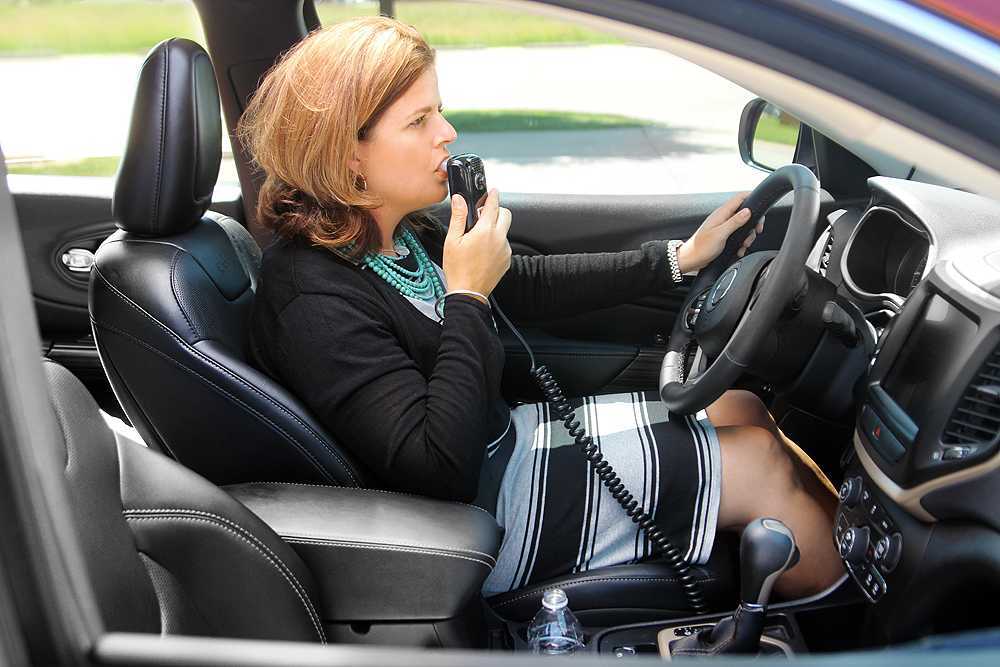
Image Source: www.smartstartinc.com
Deciphering Ignition Interlock Device Laws
Ignition interlock device laws vary significantly from state to state, and even county to county. However, a common thread runs through most jurisdictions: the device is calibrated and assigned to the specific individual mandated to use it. This means that any attempt by another person to use the device without proper authorization is a violation of these laws.
These laws are designed to hold individuals accountable for their actions and to ensure that they are the only ones operating a vehicle equipped with an interlock device. The technology is meant to be a personal safeguard, not a general vehicle safety feature.
Key Principles of Ignition Interlock Laws
- Personal Mandate: The ignition interlock device requirement is typically tied to an individual’s driver’s license and is a personal mandate.
- Calibration: Devices are often calibrated to recognize the breath alcohol content (BAC) of the mandated user.
- Data Logging: Devices record every attempt to use the vehicle, including successful and failed tests, and any tampering. This data is often reported to the court or licensing authority.
- Strict Enforcement: Violations of ignition interlock device compliance are taken very seriously.
Can a Friend Drive My Car With Interlock? The General Prohibition
In most cases, the answer to “Can a friend drive my car with interlock?” is a firm no, unless specific steps are taken to legally authorize them. The device is installed on your vehicle for your use, as determined by a court or the Department of Motor Vehicles (DMV).
Think of it like a personal prescription. You wouldn’t lend your prescription medication to someone else, even if they had similar symptoms, because it’s prescribed for you. The ignition interlock device operates on a similar principle of personal responsibility.
Why Direct Use by Others is Prohibited
- Tampering: If someone else attempts to blow into the device and fails the test, it can trigger a violation against your record.
- False Data: Any successful breath sample from someone else could be misinterpreted by the monitoring agency as you consuming alcohol.
- Legal Ramifications: Unauthorized use by another individual can lead to penalties for both the driver of the vehicle and for you, the owner of the vehicle.
Navigating the Maze: Legal Interlock Use by Another Driver
While direct, unauthorized use is forbidden, there are specific circumstances and procedures through which someone else might be able to legally drive a car with an ignition interlock device. This usually involves a court order or specific permission from your licensing authority.
Scenarios Where Another Driver Might Be Permitted:
- Family Member with a Verified Need: In some jurisdictions, if a family member (spouse, partner, or primary caregiver) requires the vehicle for essential tasks like transporting children, elderly relatives, or for work, and you are unable to drive, you might be able to obtain permission. This is not automatic and requires a formal application process.
- Business Use (Rare): In very limited cases, if the vehicle is essential for your business operations and you are unable to drive, a court might grant permission for a designated employee to use the vehicle after the device has been properly authorized for their use. This is extremely rare and subject to rigorous scrutiny.
The Process for Authorizing Another Driver:
The process for authorizing another driver is generally as follows:
- Consult Your Ignition Interlock Provider: Your first step should always be to contact the company that installed your ignition interlock device. They can inform you about the specific regulations in your state and the procedures involved.
- Obtain Court or Licensing Authority Permission: You will almost certainly need a formal court order or written permission from your state’s DMV or equivalent agency. This is not something your ignition interlock provider can grant.
- Application and Documentation: You will likely need to submit an application detailing the necessity for another person to drive the vehicle. This may require supporting documentation such as proof of relationship (for family members), employment verification, or medical necessity statements.
- Device Recalibration or Reconfiguration: The ignition interlock device may need to be recalibrated or reconfigured to recognize the authorized driver’s breath alcohol content. This usually involves the authorized driver providing a breath sample to the ignition interlock vendor. There will be associated fees for this service.
- Specific Permitting: The authorized driver may be issued an interlock device permit or similar documentation that they must carry with them while operating the vehicle.
Crucially, the authorized driver must adhere to all the same rules as the primary user, including passing breath tests.
Vehicle Ignition Interlock Restrictions: What You Need to Know
The presence of an ignition interlock device imposes several vehicle ignition interlock restrictions on the vehicle itself and its operation. These restrictions extend beyond who can drive it.
Common Restrictions:
- No Tampering: Any attempt to remove, bypass, or tamper with the device is a serious violation.
- Regular Calibration Appointments: You are required to bring the vehicle in for regular calibration and servicing of the device, usually every 30 to 90 days.
- Reporting of Violations: The device logs data, and any violations (e.g., failed breath tests, missed calibrations, attempts to start the car after a violation) are reported to the authorities.
- Limited Driving: You can only drive the vehicle during periods when your driving privileges are restored and when the device is functioning correctly.
Interlock Device Passenger Rules
While there aren’t typically explicit “interlock device passenger rules” in the same way there are rules for drivers, passengers must not interfere with the operation of the device. This means:
- No Attempting to Blow into the Device: Passengers should never attempt to provide a breath sample for the driver.
- No Obstruction: Passengers should not block access to the device or attempt to tamper with it.
If a passenger causes the device to malfunction or triggers a violation, the primary user of the device can still be held responsible.
Exploring the Ignition Interlock Device Transfer Concept
The idea of ignition interlock device transfer is generally not permitted in the way one might transfer a vehicle title. The device is tied to a specific person and a specific vehicle for a specific period. You cannot simply transfer your ignition interlock device requirement or the device itself to another person or another vehicle without going through the proper legal channels.
What “Transfer” Might Actually Mean:
When people inquire about ignition interlock device transfer, they might be thinking about a few different scenarios:
- Transferring the Device to a Different Vehicle: If you sell your car and purchase a new one, you will need to have the ignition interlock device professionally removed from the old vehicle and installed on the new one. This process involves the ignition interlock provider and likely requires notification to the court or licensing authority.
- Transferring Responsibility (Not Allowed): As discussed, you cannot transfer the legal responsibility for the ignition interlock device to someone else.
It is crucial to understand that the device is a condition of your driving privileges, not a feature of the car itself.
The Implications of Allowing Others to Drive With Interlock
Allowing others to drive with interlock without proper authorization is a high-risk endeavor with significant potential consequences. It can undermine the very purpose of the ignition interlock program and lead to severe repercussions.
Potential Consequences of Unauthorized Use:
- Violation of Court Order: This is the most common and direct consequence. It can result in your ignition interlock requirement being extended, fines, or even jail time.
- License Suspension or Revocation: Your driver’s license can be suspended or revoked, meaning you lose your ability to drive altogether.
- Financial Penalties: Fines can be substantial.
- Ignition Interlock Device Violations: The device itself may log the unauthorized use as a violation, triggering further action from the authorities.
- Insurance Issues: Your insurance policy may be voided if you are found to be in violation of ignition interlock laws.
- Criminal Charges: In some cases, unauthorized use could lead to more serious criminal charges.
Comprehending the Interlock Device Permit
An interlock device permit is a document that might be issued by the court or DMV to an authorized individual who is allowed to drive a vehicle equipped with an ignition interlock device. This permit serves as official documentation that the individual has been cleared to operate the specific vehicle under the specific conditions set by the legal mandate.
Key Aspects of an Interlock Device Permit:
- Proof of Authorization: It’s evidence that the driver has been vetted and approved.
- Driver Identification: It typically includes the authorized driver’s name, driver’s license number, and the vehicle’s information.
- Conditions: It may outline specific conditions or limitations on the authorized driver’s use.
- Requirement to Carry: The authorized driver must usually carry this permit at all times while operating the vehicle.
Without such a permit or explicit written authorization, allowing someone else to drive is a violation.
Ensuring Ignition Interlock Device Compliance
Ignition interlock device compliance is paramount. This means strictly adhering to all the rules and regulations set forth by the court, the licensing authority, and the ignition interlock service provider. For anyone dealing with an ignition interlock requirement, understanding and following these rules is not optional; it’s a legal necessity.
Tips for Maintaining Compliance:
- Read Your Court Order Carefully: Understand every detail of the order regarding the ignition interlock device and any stipulations for additional drivers.
- Communicate with Your Provider: Maintain open communication with your ignition interlock service provider. They are a valuable resource for information and guidance.
- Never Let Anyone Else Drive Without Authorization: This is the golden rule. The risk is simply too high.
- Keep Up with Maintenance: Ensure the device is calibrated and serviced on time. Missing appointments is a common way people fall out of compliance.
- Be Honest and Transparent: If you need to explore options for another driver, be upfront and follow the correct procedures.
Frequently Asked Questions (FAQ)
Q1: Can my spouse drive my car with an ignition interlock device?
Generally, no, not without explicit permission from the court or your licensing authority. While spouses are often the first consideration for family member authorization, the process still requires formal application and approval, potentially including device recalibration.
Q2: What happens if a friend blows into my ignition interlock device and passes the test?
Even if your friend passes the breath test, it is still considered unauthorized use and a violation of ignition interlock device laws. The device logs every attempt, and the data is reported. This could lead to penalties for you.
Q3: Can I remove the ignition interlock device temporarily so someone else can drive?
Absolutely not. Removing or attempting to bypass the device is a serious offense that will likely result in severe penalties, including extended ignition interlock requirements, license suspension, and potentially criminal charges.
Q4: How do I get permission for someone else to drive my car with the ignition interlock?
You must contact the court or licensing authority that mandated the ignition interlock. They will provide you with the necessary forms and outline the process, which often involves demonstrating a compelling need and potentially having the device recalibrated for the new driver.
Q5: What if the ignition interlock device malfunctions while someone else is driving?
If the device malfunctions and someone else is driving, it could lead to a violation. If you are with the person and aware of the malfunction, try to contact your ignition interlock provider immediately. If you are not present, the driver should contact the provider. It’s crucial to report any malfunction as soon as possible to avoid penalties.
Q6: Does the ignition interlock device transfer to a new car if I sell my old one?
You cannot directly “transfer” the device yourself. You must have the device professionally removed from the old vehicle by your ignition interlock provider and then installed on the new vehicle. This process requires coordination with your provider and potentially notification to the authorities.
In conclusion, while the prospect of letting someone else drive your vehicle with an ignition interlock can seem convenient, it’s fraught with legal complexities. Prioritizing ignition interlock device compliance and always seeking proper authorization is the only safe and legal path forward.