Yes, you can technically drive a car with bad shocks, but it is strongly advised against due to significant risks to your vehicle’s safety, performance, and your own well-being.
Driving with worn-out shocks might seem like a minor inconvenience, a little extra bounce here and there. However, the reality is far more serious. Those seemingly insignificant symptoms are warning signs of a compromised suspension system, a critical component for vehicle safety and how your car responds to the road. Ignoring them can lead to a cascade of problems, impacting everything from your car handling to the lifespan of other parts. This article will delve into what happens when shocks go bad, the dangers you face, and why shock absorber replacement is not a task to postpone.
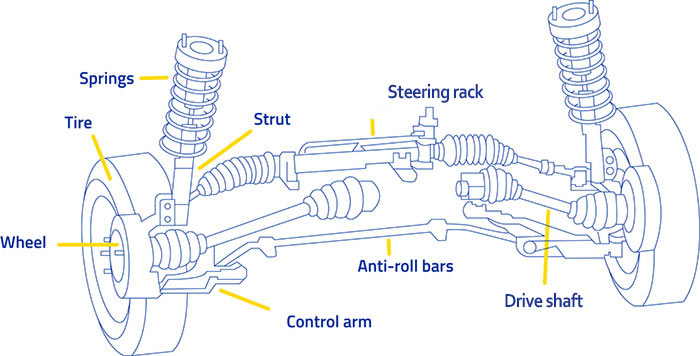
Image Source: www.moogparts.com
The Role of Shocks in Your Car’s Suspension
Shocks, or more accurately, shock absorbers, are the unsung heroes of your car’s ride. They work in tandem with your car’s springs to control the movement of the suspension. When your car hits a bump, the springs absorb the initial impact, but they tend to keep bouncing. This is where shocks step in. They dampen these oscillations, preventing your car from bouncing uncontrollably.
Think of it this way: springs are like a trampoline, absorbing the jolt. Shocks are like a skilled gymnast, controlling the rebound. Without effective shocks, that trampoline would keep bouncing long after the initial jump.
The suspension system is a complex network of components, including springs, struts, control arms, and, of course, shock absorbers. Its primary functions are:
- Supporting the vehicle’s weight: Springs bear the load.
- Absorbing road shocks: Springs and shocks work together to smooth out bumps and vibrations.
- Maintaining tire contact with the road: This is crucial for grip, steering, and braking.
- Providing a stable and comfortable ride: Shocks contribute significantly to ride comfort.
Signs That Your Shocks Are Worn Out
Spotting bad shocks isn’t always obvious, especially in the early stages. However, several common symptoms can alert you to a problem:
Observable Symptoms
- Excessive Bouncing: After hitting a bump or dip, your car continues to bounce for more than one or two oscillations. This is the most classic sign. If you press down on each corner of your car and it bounces back more than twice, your shocks are likely failing.
- Nose-Diving During Braking: When you apply the brakes, the front of your car dips significantly more than it should. This indicates the shocks are no longer effectively controlling the weight transfer.
- Squatting During Acceleration: Conversely, when you accelerate, the rear of the car sags down noticeably. This is another sign of poor weight management by the shocks.
- Leaning During Turns: Sharp turns cause your car to lean or “roll” excessively. This compromises your car handling and makes the vehicle feel unstable.
- A Bumpy Ride: You’ll notice a marked decrease in ride comfort. Every little imperfection in the road feels amplified, making even short trips unpleasant. The term bumpy ride becomes a daily reality.
- Visible Leaks: Shocks contain hydraulic fluid. If you see oily patches on or around the shock absorbers, they are likely leaking and have lost their effectiveness.
Less Obvious, But Still Important, Signs
- Uneven Tire Wear: Worn shocks can cause your tires to bounce erratically on the road surface. This leads to cupping or scalloping patterns on the tire tread, significantly reducing tire life and affecting tire wear.
- Vibrations: You might feel vibrations through the steering wheel or the car’s body, especially at higher speeds or over rough patches.
- Increased Braking Distance: This is a critical safety concern. Worn shocks reduce tire contact with the road, meaning your brakes can’t grip as effectively. This results in an increased braking distance.
The Risks of Driving with Bad Shocks
The consequences of driving with compromised shock absorbers extend far beyond a less comfortable journey. The risks are serious and can affect your safety, the integrity of your vehicle, and your wallet.
Compromised Vehicle Safety
This is the paramount concern. Worn shocks directly impair several key safety features:
- Reduced Steering Control: Your ability to steer precisely is compromised. When a tire loses contact with the road surface due to excessive bouncing, you lose steering input. This is especially dangerous in emergency situations or on winding roads. Poor steering control can lead to overcorrection and loss of stability.
- Increased Braking Distance: As mentioned, bad shocks mean less consistent tire contact. This translates directly to longer stopping times. In a critical situation, an extra few feet can mean the difference between a near miss and a collision.
- Instability at High Speeds: At highway speeds, even small imperfections can cause the car to become unstable if the shocks can’t keep the tires firmly planted. This can lead to a loss of control.
- Hydroplaning Risk: Tires need to maintain constant contact with the road to channel water away effectively. Worn shocks can cause tires to bounce, reducing their ability to displace water, increasing the risk of hydroplaning.
Impact on Other Vehicle Components
Shocks are part of a larger system. When they fail, they put extra stress on other parts of your suspension system and drivetrain.
- Accelerated Tire Wear: The uneven bouncing leads to premature and irregular wear on your tires, as highlighted earlier. This means you’ll be buying new tires sooner than you should.
- Damage to Other Suspension Components: Springs, ball joints, bushings, and tie rod ends are all subjected to increased stress and impact when the shocks aren’t doing their job. This can lead to premature failure of these expensive components.
- Strain on Steering Components: The erratic movement caused by bad shocks can put extra strain on your steering rack and other steering linkages.
- Potential for Frame Damage: In extreme cases, severe and prolonged bouncing can even lead to stress fractures or damage to your vehicle’s frame.
Decreased Ride Comfort and Driver Fatigue
While safety is paramount, the impact on ride comfort should not be overlooked.
- Constant Bouncing: Driving becomes a jarring, unpleasant experience. The constant bumpy ride can be exhausting.
- Increased Driver Fatigue: A rough ride can contribute to driver fatigue, which itself is a significant safety risk, impairing reaction times and decision-making.
Financial Implications
While delaying shock absorber replacement might seem like saving money initially, it almost always leads to greater expenses down the line.
- Costlier Repairs: The damage to tires and other suspension components will ultimately cost more to repair than replacing the shocks promptly.
- Reduced Resale Value: A car with a worn-out suspension system and associated damage will fetch a lower price on the used car market.
What Happens When Shocks Fail Completely?
When shocks fail completely, the symptoms become much more pronounced and dangerous:
- Severe Bouncing: The car will feel like it’s constantly floating or bouncing, even on relatively smooth roads.
- Loss of Control: Steering becomes extremely difficult. The car may feel “floaty” and unresponsive to steering inputs.
- Significant Braking Issues: Braking will be sluggish and unpredictable, with the car likely pulling to one side.
- Unbearable Bumpy Ride: The bumpy ride becomes constant and extremely uncomfortable.
- Potential for Tires to Leave the Road: In severe cases, the bouncing can be so extreme that tires momentarily leave the road surface, resulting in a complete loss of traction and control.
Can You Drive a Car with One Bad Shock?
Driving with only one bad shock is still a bad idea. While the symptoms might not be as immediately obvious as having all four fail, it still creates significant problems:
- Uneven Weight Distribution: The car will handle very poorly, with one side of the vehicle behaving differently from the other. This can lead to unpredictable behavior, especially when braking or turning.
- Compromised Steering: Your steering control will be negatively affected. The car may pull to one side, and you’ll need to constantly correct the steering wheel.
- Uneven Tire Wear: The tires on the side with the bad shock will experience much more abnormal wear.
- Increased Strain on the Opposite Shock: The remaining good shock will be under increased stress trying to compensate for the failing one, potentially leading to its premature wear.
Diagnosing Bad Shocks
While a mechanic can perform a thorough inspection, here are some ways you can check your shocks:
The Bounce Test
As mentioned earlier, this is a simple at-home test.
- Park your car on a level surface.
- Go to one corner of the car and push down firmly on the fender or bodywork.
- Release the pressure.
- The car should bounce back up once and then settle. If it bounces more than once or twice, the shocks on that corner are likely worn out.
- Repeat this test for all four corners.
Visual Inspection
- Look for oil leaks around the shock absorber body.
- Check the rubber bushings for cracks or signs of wear.
- Examine the shock absorber body for dents or damage.
Professional Inspection
A qualified mechanic can perform a more in-depth assessment, including:
- Checking for play in the suspension components.
- Evaluating the damping effect of the shocks on a lift.
- Assessing the condition of springs and other related parts.
Shock Absorber Replacement: When and Why
If your shocks are showing signs of wear, shock absorber replacement is the recommended course of action.
When to Replace
- As soon as you notice any of the symptoms described above.
- Typically, shocks should be inspected every 50,000 miles and replaced as needed. However, this can vary greatly depending on driving conditions and the quality of the original shocks.
Why Replace
- Safety: Restores proper steering control, reduces braking distance, and improves overall stability.
- Ride Comfort: Eliminates the bumpy ride and restores a smooth driving experience.
- Tire Longevity: Prevents accelerated and uneven tire wear.
- Protection of Other Components: Prevents premature wear and tear on other parts of the suspension system.
- Fuel Efficiency: While not a primary factor, a properly functioning suspension can contribute slightly to better fuel economy by ensuring optimal tire contact and reducing aerodynamic drag from bouncing.
The Cost of Shock Absorber Replacement
The cost of shock absorber replacement can vary depending on the make and model of your car, the type of shocks you choose (standard, performance, adjustable), and your geographic location.
Typical Cost Breakdown:
| Component | Estimated Cost (Parts & Labor) |
|---|---|
| Shocks (per pair) | $150 – $500+ |
| Shocks (all four) | $300 – $1000+ |
| Labor (per hour) | $75 – $150+ |
| Total Replacement | $400 – $1200+ |
Factors Influencing Cost:
- Vehicle Type: Luxury cars or performance vehicles often have more complex and expensive suspension components.
- Brand of Shocks: Premium brands or specialized shocks will cost more than standard replacements.
- Labor Rates: Mechanic labor rates vary significantly by region.
- Additional Parts: If other suspension components (like mounts, boots, or springs) need replacing, the cost will increase.
Maintaining Your Suspension System
Proper automotive maintenance is key to prolonging the life of your shocks and the entire suspension system.
- Regular Inspections: Have your suspension checked during routine oil changes or tire rotations.
- Avoid Potholes and Harsh Driving: While unavoidable at times, try to steer clear of deep potholes and rough roads whenever possible.
- Address Symptoms Promptly: Don’t ignore warning signs like bouncing or unusual noises. Early detection and repair can prevent more significant damage.
- Choose Quality Replacement Parts: When it’s time for shock absorber replacement, invest in quality parts to ensure longevity and optimal performance.
Frequently Asked Questions (FAQ)
Q1: How long do car shocks typically last?
A1: Car shocks typically last between 50,000 and 100,000 miles. However, this can be significantly shorter if you drive on rough roads frequently or carry heavy loads.
Q2: Can bad shocks cause my car to pull to one side?
A2: Yes, if one shock is significantly more worn than the others, it can cause your car to pull to that side, especially when braking or turning.
Q3: Will replacing my shocks improve my car’s fuel economy?
A3: While not a direct or major improvement, a properly functioning suspension ensures your tires have optimal contact with the road, which can contribute slightly to better fuel efficiency by reducing rolling resistance and preventing unnecessary energy loss from bouncing.
Q4: Is it safe to drive with worn-out shocks?
A4: No, it is not safe. Worn shocks compromise your car’s handling, braking, and overall stability, increasing the risk of accidents.
Q5: How do I know if my car needs new shocks or struts?
A5: Both shocks and struts are part of the suspension system and perform similar functions. Symptoms of wear are often similar: excessive bouncing, nose-diving during braking, leaning in turns, and a bumpy ride. If you have struts, they often incorporate the shock absorber into their assembly. A mechanic can diagnose whether shocks or struts (or both) need replacement.
Driving with worn-out shocks is a gamble with your safety and the integrity of your vehicle. Paying attention to the subtle (and not-so-subtle) signs of wear and addressing them promptly through shock absorber replacement is crucial for maintaining a safe, reliable, and comfortable driving experience. Don’t let a bumpy ride lead to a more serious and costly problem. Regular automotive maintenance is an investment in your peace of mind and your car’s longevity.