Yes, electric cars (EVs) can safely go through car washes. Modern electric vehicles are designed with robust sealing and waterproofing to protect their sensitive electrical components from water ingress, making EV carwash compatibility a non-issue for most automated and self-service facilities.
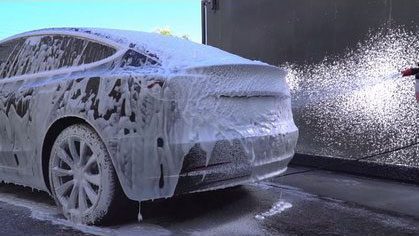
Image Source: blog.kleen-ritecorp.com
Fathoming EV Wash Safety
The question of whether an electric car can safely navigate a car wash is a common one, sparking curiosity and sometimes concern. The good news is that manufacturers meticulously design EVs with rigorous waterproofing and sealing for their high-voltage systems, battery packs, and all associated electronics. This means that everyday exposure to water, such as that encountered in a car wash, is well within their design parameters.
The Engineering Behind EV Wash Readiness
Electric vehicles are built to withstand more than just a gentle rain shower. Their battery packs, electric motors, and intricate electronic control units are enclosed in specially designed, sealed casings. These casings are engineered to prevent water from entering and causing damage. Think of it like the waterproofing you find on high-end smartphones or smartwatches – but on a much grander scale.
- Sealed Battery Enclosures: The heart of an EV, its battery pack, is housed in a robust, watertight enclosure. This is crucial not only for car wash safety but also for protection against road spray, puddles, and even submersion in certain scenarios.
- Waterproofed Motors and Electronics: The electric motors, power inverters, and other critical electronic components are also sealed to prevent moisture damage.
- High-Quality Gaskets and Seals: Throughout the vehicle, from door seals to charging port covers, manufacturers use high-quality gaskets and seals to create barriers against water intrusion.
Automatic Car Wash for Electric Cars: What to Expect
Taking your EV through an automatic car wash for electric cars is generally as safe as taking a conventional gasoline-powered car. These car washes employ a variety of methods to clean your vehicle, and none of these are inherently harmful to the electrical systems of an EV.
- Water Jets and Sprays: The high-pressure water jets used in most car washes are designed to be powerful enough to remove dirt and grime but not so powerful as to breach the robust seals of an EV.
- Brushes and Soaps: The soft brushes and cleaning solutions used are standard automotive cleaning agents and are safe for all vehicle types.
- Drying Systems: High-volume air dryers are used to remove excess water, again posing no threat to the EV’s electrical components.
Self-Service Car Wash Electric Vehicles: Your Control
If you prefer a hands-on approach, a self-service car wash electric vehicles are also perfectly suitable. Here, you have even more control over the cleaning process.
- Targeted Cleaning: You can direct the spray nozzles precisely where you want them, avoiding prolonged or direct high-pressure spray on sensitive areas if you choose, though it’s generally unnecessary.
- Manual Control: This method allows you to be as thorough or as gentle as you feel is needed, ensuring electric vehicle car wash safety according to your own comfort level.
High-Pressure Wash Electric Cars: The Limits
While EVs are well-sealed, it’s always prudent to be mindful of extremely high-pressure washers used improperly. Most commercial car washes operate within safe pressure limits. However, if you are using a very powerful, industrial-grade pressure washer at home, it’s wise to maintain a reasonable distance from seals and openings. The key is to avoid directing a concentrated, extremely high-pressure stream directly at these points for an extended period.
- Recommended Distance: For very high-pressure washing, maintain a distance of at least 12-18 inches from the vehicle’s surface.
- Avoid Direct Spray on Seals: While seals are robust, continuous, direct high-pressure spraying isn’t ideal for any car’s seals, regardless of powertrain.
Charging Port Protection Car Wash
One area of frequent concern for EV owners is the charging port. Is it safe to expose the charging port to water in a car wash? The answer is yes.
The Design of Charging Ports
EV charging ports are engineered with charging port protection car wash considerations firmly in mind. They are designed to be weatherproof and water-resistant.
- Sealed Flaps and Connectors: Most EVs have a flap or cover that seals the charging port when not in use. The connector itself also features seals to prevent water from entering the internal circuitry.
- Safety Interlocks: Charging systems have safety interlocks that prevent charging if the connection is wet or if moisture is detected, further safeguarding the vehicle and the user. Even if water does enter the port area (which is unlikely due to the seals), the vehicle’s systems are designed to prevent any electrical flow until it’s dry.
What Happens if Water Gets In?
In the highly unlikely event that water does penetrate the charging port area, the EV’s sophisticated internal systems are designed to handle it.
- Moisture Sensors: Many EVs are equipped with moisture sensors within the charging port. If moisture is detected, the charging system will not engage, preventing any electrical hazard.
- Self-Drying Mechanisms: Some advanced systems may even have minor self-drying capabilities or will simply indicate that the port needs to dry before charging can commence.
Electric Car Undercarriage Wash
Many car washes offer an electric car undercarriage wash. This is particularly useful in areas where roads are treated with salt during winter, as salt can cause corrosion over time.
Benefits of Undercarriage Washing for EVs
Washing the undercarriage of your EV is beneficial for the same reasons it is for a conventional car. It helps remove:
- Salt and De-icing Chemicals: Crucial for preventing corrosion, especially in colder climates.
- Road Grime and Debris: Keeps the underside clean and can help identify any potential issues early on.
- Mud and Dirt: Essential for maintaining the vehicle’s appearance and preventing build-up that could trap moisture.
Are There Special Considerations for EV Undercarriages?
The undercarriage of an EV contains various components, including the battery pack, motor, and various electrical connections. However, these are all designed with significant protection against the elements.
- Battery Pack Protection: The battery pack, often located in the floor of the car, is encased in a very strong, sealed unit that is impervious to water and impact.
- Motor and Drivetrain: The electric motors and their associated wiring are also sealed and protected.
- Exposed Components: While some components may appear more exposed, they are engineered to withstand the harsh conditions of the road, including water spray. The undercarriage wash is a routine cleaning process that these components are built to endure.
Electric Vehicle Maintenance Carwash
Incorporating regular car washes into your electric vehicle maintenance carwash routine is just as important as it is for any other vehicle. Cleanliness contributes to the longevity and appearance of your EV.
How Car Washes Aid EV Maintenance
A clean car is a happy car. Regular cleaning offers several benefits that can be considered part of electric vehicle maintenance carwash:
- Preventing Corrosion: Washing away dirt, salt, and grime helps prevent corrosion on the body, undercarriage, and even around electrical connectors.
- Inspecting for Damage: While washing, you or the car wash staff might notice minor dings, scratches, or issues with seals that can be addressed before they become bigger problems.
- Maintaining Resale Value: A well-maintained and clean exterior contributes significantly to the resale value of your EV.
- Cooling System Efficiency (Indirect): While not a direct effect, keeping the front grille and cooling vents clear of debris can indirectly help the vehicle’s thermal management systems operate more efficiently, though this is more about external debris than water.
Things to Keep in Mind for Optimal EV Care During Washing
While car washes are safe, a few extra considerations can enhance your EV’s care:
- Charging Port Closure: Always ensure your charging port cover is securely closed before entering any car wash.
- Avoid Tampering: Do not attempt to open any battery compartment covers or electrical housings during the wash. These are sealed for a reason.
- Post-Wash Checks (Optional but Recommended): After a wash, especially if it’s been a while, take a quick look around the charging port area and door seals to ensure they are properly seated and no obvious debris is trapped.
Addressing Common Concerns
The novelty of EVs can sometimes lead to persistent myths or anxieties. Let’s address some common concerns about their interaction with car washes.
Myth: Water Can Short-Circuit the Battery
Fact: EV batteries and their power systems are highly insulated and sealed. They are designed to operate safely in wet conditions. The high-voltage components are encased in robust, watertight enclosures.
Myth: High-Pressure Water Can Force Its Way Into Electrical Components
Fact: While high-pressure water can be powerful, the seals and enclosures used in EVs are designed to withstand significant water ingress. Reputable car washes use pressure levels that are safe for all vehicles. If you’re using a particularly strong pressure washer yourself, maintaining a safe distance is always good practice for any vehicle.
Myth: Car Wash Soap is Harmful to EVs
Fact: The cleaning solutions used in car washes are specifically formulated for automotive use and are pH-balanced to be safe for vehicle paint and finishes, regardless of the powertrain. They do not negatively affect the electrical components of an EV.
The Future of EV Washing
As EVs become more prevalent, car washes are adapting and ensuring their facilities are fully compatible. Many are even highlighting their EV carwash compatibility to reassure customers. The technology and design of both EVs and car washes are advancing hand-in-hand, making the process seamless and safe.
Frequently Asked Questions (FAQ)
Here are some common questions about taking electric cars through car washes:
Q1: Can my Tesla go through a car wash?
A1: Yes, Teslas, like all EVs, are designed to be safely washed in automatic and self-service car washes. Their electrical systems are thoroughly sealed and waterproofed.
Q2: What if my EV is charging and I need to go through a car wash?
A2: It is strongly advised not to go through a car wash while your EV is plugged in and charging. The charging process requires a secure and dry connection. Always unplug your EV before taking it to a car wash.
Q3: Are there any specific types of car washes to avoid for EVs?
A3: Generally, no. Any standard, reputable automatic or self-service car wash should be perfectly safe. Avoid any car washes that explicitly state they do not service EVs, although such facilities are rare.
Q4: Can I pressure wash my EV myself?
A4: Yes, but with caution. While the components are sealed, it’s best to maintain a safe distance (at least 12-18 inches) and avoid directing a concentrated high-pressure stream directly at seals, charging ports, or panel gaps for extended periods.
Q5: Does the undercarriage wash on an EV pose any risk to the battery?
A5: No. The battery pack is heavily protected by a robust, sealed casing that is designed to withstand road debris, water, and impacts. An undercarriage wash is safe.
Q6: Will going through a car wash affect my EV’s battery range?
A6: No, a car wash has no direct impact on your EV’s battery range. The vehicle’s systems are sealed against the water used in the washing process.
Q7: What about the charging port specifically? Is it safe?
A7: Yes, the charging port is designed with seals and often moisture sensors to ensure safety. It is safe to expose the charging port area to water in a car wash, provided the port cover is securely closed.
By following these guidelines and understanding the robust engineering behind electric vehicles, EV owners can confidently use car washes to keep their cars clean and well-maintained.