A car AC compressor typically lasts anywhere from 80,000 to 150,000 miles, or roughly 8 to 15 years. However, this is just an average, and the actual AC compressor lifespan can vary significantly. Many factors contribute to the car AC system durability, influencing how long this vital component will serve you. Understanding these elements can help you maintain your AC system and potentially extend the average life of car AC compressor.
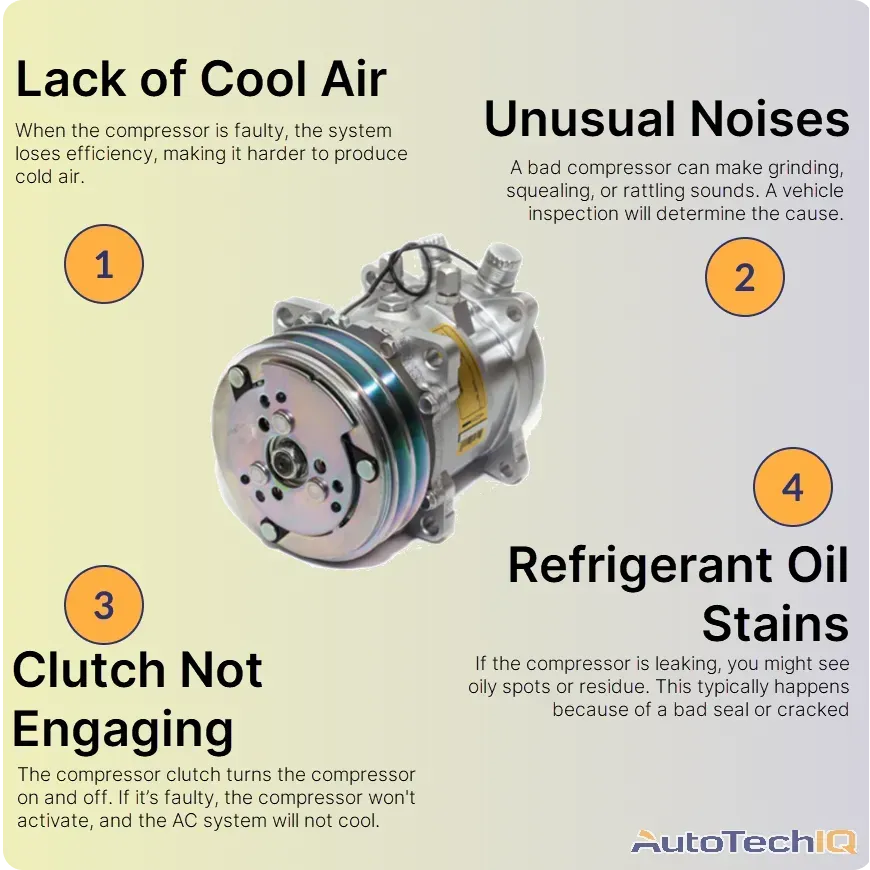
Image Source: www.autotechiq.com
Deciphering the AC Compressor’s Role in Your Vehicle
The AC compressor is the heart of your car’s air conditioning system. It’s responsible for circulating refrigerant throughout the system, compressing it into a high-pressure liquid. This process is crucial for cooling the air that enters your car’s cabin. Without a functioning compressor, your AC will blow warm air, making hot days unbearable. Therefore, its AC compressor service life is directly tied to your overall driving comfort.
Average Life of Car AC Compressor: Setting Expectations
As mentioned, the average life of car AC compressor hovers between 80,000 and 150,000 miles. This range is a general guideline. Some compressors might fail sooner, while others can last well over 200,000 miles with proper care. The AC compressor replacement frequency can therefore be quite varied across different vehicles and ownership experiences.
Factors influencing this average include:
- Vehicle Make and Model: Some manufacturers have a better track record for AC component longevity than others.
- Climate: Cars used in extremely hot or humid climates may put more strain on the AC system.
- Maintenance Habits: Regular checks and proper AC servicing play a huge role.
- Driving Conditions: Frequent short trips or stop-and-go traffic can impact component wear.
Factors Affecting AC Compressor Life: What Makes Them Last (or Fail)?
Several key elements contribute to the longevity or premature failure of your car’s AC compressor. Fathoming these can help you protect this expensive part.
1. Proper Refrigerant Levels and System Integrity
- The Right Amount: Too little or too much refrigerant can strain the compressor. Low refrigerant can cause the compressor to work harder and overheat, while overcharging can lead to excessive pressure.
- Sealed System: The AC system is a closed loop. Leaks, even small ones, allow moisture and air to enter, which can contaminate the refrigerant and oil, leading to corrosion and internal damage within the compressor. This directly impacts car AC system durability.
2. Regular AC System Maintenance and Checks
- Scheduled Servicing: Following your vehicle’s recommended maintenance schedule is crucial. This often includes checking refrigerant levels, inspecting hoses and seals for leaks, and ensuring the system is clean.
- Draining and Refilling: Over time, refrigerant can degrade. Draining, vacuuming, and recharging the system with the correct type and amount of refrigerant can prolong its life. This is a key aspect of maintaining AC compressor lifespan.
3. The Role of Compressor Oil
- Lubrication: AC compressors rely on specialized oil, mixed with the refrigerant, to lubricate their internal moving parts.
- Oil Contamination: If the refrigerant system becomes contaminated with debris or moisture, it can degrade the oil, reducing its lubricating properties. This leads to increased friction and wear on the compressor’s internal components.
4. Drive Belt Condition
- Power Transmission: The AC compressor is typically driven by the engine’s serpentine belt or a dedicated V-belt.
- Belt Wear: A worn, cracked, or slipping belt can prevent the compressor from engaging properly or reduce its efficiency. While not a direct cause of compressor failure, a poorly functioning belt can lead to suboptimal operation and potential strain.
5. Ambient Temperature and Usage Patterns
- Extreme Heat: Consistently using the AC in extremely hot weather can put significant stress on the compressor.
- Frequent Cycling: Frequent switching on and off of the AC system, especially in milder weather, can also contribute to wear. However, modern systems are designed to handle this.
- Continuous Use: Conversely, very long, continuous periods of high-demand AC use, especially in traffic, can lead to heat buildup.
6. Driving Conditions and Road Debris
- Road Hazards: Driving on rough roads or in areas prone to debris can lead to impacts that damage external AC components, including the compressor clutch or housing.
- Corrosion: Exposure to road salt in winter climates can cause corrosion on AC components over time, potentially leading to leaks or other issues.
7. Quality of Replacement Parts
- Aftermarket vs. OEM: When a compressor needs replacement, the quality of the new unit matters. Original Equipment Manufacturer (OEM) parts are often designed to meet specific vehicle requirements, while some aftermarket options may not offer the same level of durability. Choosing reputable brands for AC compressor replacement frequency decisions is important.
8. Electrical System Health
- Clutch Engagement: The AC compressor has an electromagnetic clutch that engages and disengages the compressor pulley. Issues with the vehicle’s electrical system, such as a weak battery, faulty wiring, or a failing clutch coil, can prevent proper engagement or cause erratic operation, indirectly affecting the compressor.
How Many Miles Do AC Compressors Last? Navigating the Mileage Milestone
The question of how many miles do AC compressors last is a common one. As established, the 80,000 to 150,000-mile range is a solid benchmark. However, think of this as a guideline rather than a strict limit.
- Lower Mileage Failure: A compressor might fail before 80,000 miles if the AC system has suffered a significant leak, has been improperly serviced, or if there was a manufacturing defect.
- Higher Mileage Durability: Compressors in well-maintained vehicles, especially those driven in moderate climates, can easily surpass 150,000 miles. The key here is proactive maintenance and addressing minor issues before they escalate.
Signs of AC Compressor Failure: What to Look Out For
Recognizing the signs of a failing AC compressor is crucial to prevent further damage and costly repairs. Catching issues early can also inform decisions about AC compressor replacement frequency.
1. Diminished Cooling Performance
- Weak Airflow: The most obvious sign is the AC not blowing as cold as it used to, or only blowing cool air instead of cold.
- Intermittent Cooling: The system might cool initially but then stop blowing cold air after a period of use, especially on hot days.
2. Unusual Noises
- Grinding or Scraping: These sounds often indicate internal bearing failure or metal-on-metal contact within the compressor.
- Clicking or Ticking: A loud, rapid clicking noise when the AC is engaged could mean the compressor clutch is engaging and disengaging rapidly due to low refrigerant or a faulty clutch.
- Rattling: This might suggest internal components are loose or have broken apart.
3. Clutch Issues
- Compressor Not Engaging: You might hear a “clunk” when you turn on the AC, but the compressor pulley doesn’t spin. This could be a faulty clutch, low refrigerant, or an electrical problem.
- Clutch Slipping: A squealing noise accompanied by poor cooling might indicate the clutch is slipping, unable to properly transmit power to the compressor.
4. Visible Leaks or Smells
- Oily Residue: Refrigerant oil often leaks out with the refrigerant. If you see oily residue around AC components, it’s a sign of a leak, which can lead to compressor damage.
- Musty or Mildew Smell: While often associated with mold in the cabin filter or evaporator, a burning smell might indicate the compressor is overheating due to internal friction or electrical issues.
5. Compressor Cycling On and Off Frequently
- Short Cycling: If the compressor turns on for a few seconds and then shuts off, only to turn back on again shortly after, it’s often a sign of a pressure issue within the system, potentially related to the compressor itself or other components. This is not good for the AC compressor lifespan.
How Often to Replace Car AC Compressor: When is it Time?
You don’t replace a car AC compressor on a fixed schedule like an oil change. Instead, replacement is driven by failure or significant performance degradation. The question of how often to replace car AC compressor is really about the lifespan of the unit.
- Failure: The most common reason for replacement is when the compressor completely fails, as indicated by the signs above.
- Associated Repairs: Sometimes, a compressor might need replacement as part of a larger AC system repair. For example, if the system has been severely contaminated by debris due to a failed component (like a hose or seal), it’s often recommended to replace the compressor along with other parts to ensure the new system is clean and functional. This is a costly decision, impacting the overall car AC unit longevity.
- Preventive Replacement: In rare cases, some mechanics might suggest replacing a compressor nearing its expected lifespan if other major AC work is being done, especially if the vehicle has high mileage. However, this is usually not a standard recommendation.
Extending Your AC Compressor’s Life: Proactive Care
While you can’t guarantee your AC compressor will last forever, you can certainly take steps to maximize its AC compressor service life and overall car AC unit longevity.
1. Regular AC System Checks
- Annual Inspection: Have your AC system checked at least once a year, preferably before the summer season. A mechanic can check refrigerant levels, look for leaks, and inspect belts and hoses.
- Listen for Noises: Pay attention to any new sounds coming from your AC system.
2. Maintain Proper Refrigerant Levels
- Avoid DIY Top-Ups (Unless You Know What You’re Doing): While refrigerant recharge kits are available, overcharging can be as detrimental as undercharging. If you suspect low refrigerant, it’s best to have a professional check for leaks and recharge the system correctly.
3. Keep the System Clean
- Evaporator and Condenser: Ensure the evaporator (inside the dashboard) and condenser (in front of the radiator) are free of debris. Dirt and leaves can block airflow, causing the system to work harder and overheat.
- Cabin Air Filter: A clogged cabin air filter restricts airflow into the cabin, but it doesn’t directly affect the compressor’s operation. However, a clean filter ensures your system isn’t working harder to push air through a restricted passage.
4. Use the AC Regularly
- Circulate Lubricant: Running the AC for a few minutes every couple of weeks, even in winter (using the defrost setting often engages the AC), helps circulate the refrigerant oil and keeps seals from drying out. This is a simple yet effective way to maintain AC compressor lifespan.
5. Address Leaks Promptly
- Seal Imperfections: If you notice any dampness or oily residue around AC components, get it checked immediately. Fixing a small leak before it leads to significant refrigerant loss can prevent compressor damage.
6. Consider System Flushing During Replacement
- Remove Contaminants: If your compressor fails, it’s crucial to flush the entire AC system to remove any metal shavings or debris that may have been generated by the failing compressor. This prevents the new compressor from being damaged by these contaminants. This is a vital step when considering AC compressor replacement frequency.
The Cost of AC Compressor Replacement
Replacing an AC compressor is a significant investment. The AC compressor replacement frequency is often dictated by the expense involved. Costs can range from $600 to $1,500 or more, depending on the vehicle, the brand of compressor, and labor rates. This often includes:
- The compressor itself.
- Refrigerant.
- AC oil.
- Labor for removal, installation, system evacuation, and recharging.
- Often, replacement of the receiver-drier or accumulator, and possibly the expansion valve or orifice tube, as these components can become contaminated by a failing compressor.
Given this cost, understanding the factors that affect AC compressor lifespan and taking preventative measures becomes even more important.
Conclusion: Maximizing Your AC Compressor’s Service Life
The lifespan of your car AC compressor is a complex interplay of design, usage, and maintenance. While an average life of car AC compressor provides a general expectation, proactive care is your best strategy. By performing regular checks, addressing leaks promptly, and following sound maintenance practices, you can significantly extend the AC compressor lifespan and ensure your car’s air conditioning system provides reliable comfort for years to come.
Frequently Asked Questions (FAQ)
Q1: Can I drive my car if the AC compressor is making noise?
A: It’s not recommended to drive extensively with a noisy AC compressor. The noise often indicates internal damage or impending failure. Continuing to drive could worsen the damage, potentially leading to a more catastrophic failure of the compressor and contaminating the entire AC system with debris. This could increase the cost and complexity of a future repair, impacting your decisions on how often to replace car AC compressor.
Q2: Does using the AC in winter hurt the compressor?
A: No, in fact, it’s beneficial. Most modern car AC systems use the AC compressor when the defrost setting is engaged. This circulates refrigerant and oil through the system, which helps keep seals lubricated and prevents them from drying out. This practice contributes to overall car AC system durability.
Q3: My AC isn’t blowing cold air. Is it always the compressor?
A: Not necessarily. While a faulty compressor is a common culprit, other issues can cause an AC system to blow warm air. These include low refrigerant levels (often due to a leak), a faulty condenser, a clogged expansion valve or orifice tube, or an issue with the AC clutch or electrical system. A professional diagnosis is needed to pinpoint the exact cause.
Q4: How often should I have my AC system serviced?
A: It’s generally recommended to have your AC system inspected annually, especially before the peak summer season. This allows a technician to check refrigerant levels, look for leaks, and inspect other components for wear. This proactive approach helps maintain AC compressor lifespan.
Q5: What is the most common cause of AC compressor failure?
A: The most common causes of AC compressor failure are related to leaks in the system, leading to low refrigerant and oil levels, and subsequent overheating and internal wear. Contamination of the refrigerant (from moisture or debris) is also a significant factor that degrades the compressor oil and leads to internal damage. These issues directly affect the average life of car AC compressor.