So, how long does car paint take to fully cure? While a freshly painted car might feel dry to the touch within 24-48 hours, full cure car paint can take anywhere from 30 days to several months, depending on the type of paint, environmental conditions, and application method. Understanding the paint curing time is crucial for maintaining your vehicle’s finish.
The car paint drying process is much more than just evaporation. It’s a complex car paint chemical reaction where solvents leave the paint, and polymers harden. This hardening isn’t instant. Think of it like baking a cake; it needs time to set completely, even after it feels firm. Many factors influence this duration, from the heat of your garage to the humidity outside. This guide will delve deep into the science behind automotive paint hardening, the different paint hardening stages, and what you need to know to protect your freshly painted investment.
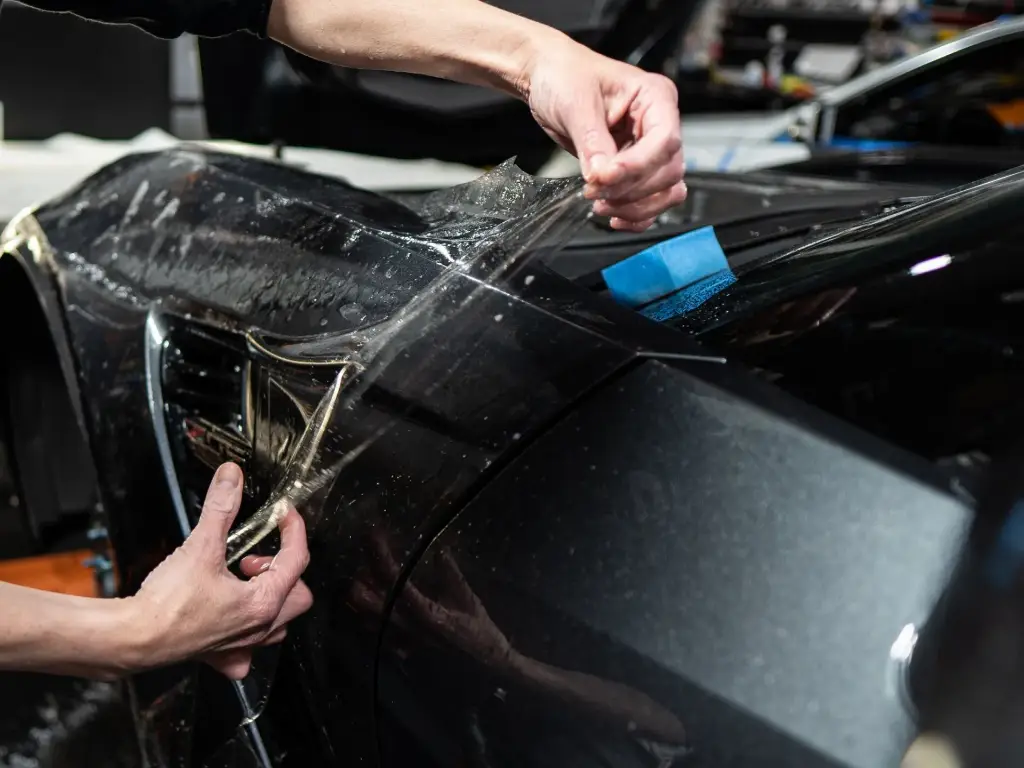
Image Source: www.clearpro.com
Deciphering the Automotive Paint Cure
When you see a car with a fresh, gleaming coat of paint, it’s tempting to think it’s ready for anything. However, this new finish is still fragile. The real magic, the automotive finish cure, is a process that happens over time, invisible to the naked eye. This isn’t just about the paint looking dry; it’s about the molecular structure becoming robust and durable.
The Science Behind the Shine: Car Paint Chemical Reactions
Automotive paints are complex mixtures. They contain pigments for color, binders that hold everything together, solvents that allow the paint to be applied, and additives for durability and appearance. The curing process begins when the paint is applied and involves several stages:
- Evaporation: Solvents begin to evaporate as soon as the paint is exposed to air. This is what makes the paint feel dry to the touch.
- Cross-linking: This is the critical stage for hardening. In most modern automotive paints (like urethanes and acrylic lacquers), the binders undergo a chemical reaction called cross-linking. Tiny molecules within the paint connect to form a strong, three-dimensional network. This network gives the paint its hardness, durability, and resistance to chemicals and abrasions.
- Polymerization: For some paint types, particularly those with thermosetting properties, heat or a catalyst triggers polymerization. This is where monomers (small molecules) link together to form long polymer chains. These chains create a tough, resilient film.
The speed of these reactions is heavily influenced by temperature and humidity. Warmer temperatures generally speed up the chemical processes, while high humidity can slow them down.
Paint Hardening Stages: From Wet to Rock Solid
The car paint drying process isn’t a single event but a series of transformations. Here’s a breakdown of the typical paint hardening stages:
Stage 1: Flash-Off Period
- What it is: Immediately after application, the paint’s surface begins to dry. Solvents rapidly evaporate from the surface, creating a tack-free finish.
- How long it takes: This can range from a few minutes to an hour, depending on the paint type and environmental conditions.
- Key characteristics: The paint feels dry to the touch but is still very soft and easily marred.
Stage 2: Set-Up or Touch Dry
- What it is: More solvent evaporates, and the initial polymer chains start to form. The paint feels firm when lightly touched.
- How long it takes: Typically 24-48 hours.
- Key characteristics: The paint can withstand gentle handling, but it’s still vulnerable to scratches, dents, and chemical damage.
Stage 3: Through Cure (or Hard Dry)
- What it is: The majority of solvent evaporation is complete, and significant cross-linking or polymerization has occurred. The paint film has achieved most of its hardness.
- How long it takes: This can take several days to a week.
- Key characteristics: The paint is much harder and more resistant. However, it has not reached its ultimate strength.
Stage 4: Full Cure (or Chemical Cure)
- What it is: This is the final stage where the car paint chemical reaction is mostly complete. The polymer network is fully formed and has reached its maximum hardness and durability.
- How long it takes: This is where the significant paint cure duration comes into play, often taking 30 days or more.
- Key characteristics: The paint is now at its most robust state, offering maximum resistance to environmental factors and physical damage.
Factors Affecting Paint Cure Time
The paint cure time auto industry refers to is highly variable. Several critical factors influence how long it takes for your car’s paint to reach its full cure:
-
Paint Type: Different formulations have different curing mechanisms.
- Single-Stage Enamels: Older technology, slower drying and curing.
- Acrylic Lacquers: Evaporative drying, relatively fast initial drying but slower to fully harden.
- Urethane and Acrylic Urethane: Most common today. They cure through cross-linking, which is temperature-dependent.
- Waterborne Paints: Environmentally friendly, often require specific baking or infrared drying to speed up the curing process.
- Ceramic Coatings: Applied over cured paint for added protection, they also have a curing period.
-
Temperature: This is perhaps the most significant factor.
- Ideal Range: Most automotive paints cure best in temperatures between 70°F (21°C) and 85°F (29°C).
- Low Temperatures: Significantly slow down the chemical reactions. Painting in cold weather can lead to improper curing, poor gloss, and adhesion issues.
- High Temperatures: Can speed up solvent evaporation, potentially causing blushing (a milky appearance) or poor film formation if too rapid.
-
Humidity:
- High Humidity: Can slow down solvent evaporation and interfere with the cross-linking process, especially in waterborne paints.
- Low Humidity: Can accelerate surface drying, potentially leading to poor adhesion or cracking if the underlying layers aren’t ready.
-
Paint Thickness: Thicker coats of paint take longer to cure because solvents have a harder time escaping the entire film.
-
Ventilation: Good airflow helps carry away solvents, promoting more efficient drying and curing. Poor ventilation can trap solvents, prolonging the process.
-
Application Method: Spraying application typically allows for thinner, more even coats, aiding in faster curing compared to brushing or rolling.
-
Use of Accelerators/Reducers: Paint manufacturers sometimes recommend specific additives (reducers) to control drying and curing. Accelerators can speed up the process, but improper use can lead to defects.
-
Baking/Infrared Curing: Professional paint shops often use ovens or infrared lamps to accelerate the curing process. This forces the chemical reactions to happen much faster, allowing cars to be ready sooner.
Comparing Paint Types and Their Cure Times
Here’s a general overview of how different paint types compare in terms of paint curing time:
| Paint Type | Initial Dry (Touch Dry) | Through Cure (Hard Dry) | Full Cure (Chemical Cure) | Notes |
|---|---|---|---|---|
| Acrylic Lacquer | 1-3 hours | 1-2 days | 15-30 days | Evaporative, doesn’t cross-link significantly. Less durable. |
| Enamel (Synthetic) | 6-12 hours | 3-5 days | 30-60 days | Slower curing, good durability but less chemical resistance. |
| Polyurethane (2K) | 4-8 hours | 1-3 days | 30-60 days | Most common. Cross-links, strong and durable. |
| Acrylic Urethane (1K/2K) | 2-6 hours | 1-2 days | 20-45 days | Versatile, offers good balance of durability and ease of application. |
| Waterborne Basecoat/Clearcoat | 30-60 minutes | 1-2 days | 30-60 days | Needs specific conditions for drying and curing. Often baked. |
Important Note: These are estimates. Always refer to the specific paint manufacturer’s Technical Data Sheet (TDS) for the most accurate paint cure time auto professionals rely on.
What Does “Fully Cured” Mean for Your Car?
When your car’s paint is “fully cured,” it means the car paint chemical reaction has reached its final state. The polymer matrix is as strong as it will get. This has several implications for how you treat your freshly painted vehicle:
Protecting Your Investment: What to Avoid
During the paint cure duration, your car’s finish is susceptible to damage. Here’s what you should avoid:
- Washing and Waxing: Resist the urge to wash your car aggressively or apply wax for at least 30 days. While a gentle rinse might be okay after a few days, soaps and waxes can interfere with the final curing stages and potentially cause streaking or bonding issues.
- Polishing: Polishing removes a thin layer of paint. Doing this before the paint is fully cured can remove too much material, compromising the finish.
- Parking Under Trees or Polluted Areas: Bird droppings, tree sap, and industrial fallout can etch into uncured paint much more easily than cured paint.
- Exposure to Extreme Temperatures: While moderate temperatures are good for curing, sudden drastic changes can stress the paint. Avoid parking in direct, intense sunlight for prolonged periods or in extremely cold conditions.
- Contact with Harsh Chemicals: Gasoline, brake fluid, certain solvents, and even some strong cleaning products can damage uncured paint. Be careful when refueling.
- Rubbing or Scratching: The paint is still prone to scratching. Avoid leaning on the car, placing items on it, or anything that might cause friction.
- Covering with a Car Cover: Unless it’s a breathable, soft fabric designed for freshly painted surfaces, avoid using a car cover. Trapped moisture or abrasive materials can damage the paint.
When Can You Wax and Polish?
Generally, it’s recommended to wait at least 30 days, but up to 60-90 days for some specific formulations, before applying wax or polish. Your painter might have specific recommendations. Once the full cure car paint is achieved, waxing and polishing are not only safe but also recommended to protect the finish.
The Role of a Professional Painter
Professional painters understand the intricacies of the car paint drying process. They often use controlled environments, such as spray booths with temperature and humidity control, and may employ baking or infrared curing to significantly reduce the time it takes for the paint to reach a usable hardness. This allows for:
- Faster Turnaround: Cars can be returned to owners much sooner.
- Improved Finish Quality: Controlled conditions minimize the risk of dust contamination and ensure even curing, leading to a superior gloss and durability.
- Optimal Durability: Professional techniques ensure the paint cures correctly for maximum longevity.
Frequently Asked Questions About Car Paint Curing
Here are some common questions people have about how long to cure car paint:
Q1: My car feels dry after 2 days. Is it fully cured?
A1: No. Feeling dry to the touch is only the first stage. The paint is still soft and vulnerable internally. The actual paint hardening stages continue for weeks or months.
Q2: Can I park my car outside after a week?
A2: It’s best to avoid prolonged exposure to harsh elements like direct sun, rain, or dust for at least 30 days. Gentle use is usually okay, but be mindful of the paint’s fragility.
Q3: What happens if I wax my car too soon?
A3: Waxing uncured paint can trap solvents, create a poor bond, or lead to an uneven finish. It can also fill the microscopic pores that need to remain open for the car paint chemical reaction to complete.
Q4: Is it okay to wash my car after a few days?
A4: A very gentle rinse with plain water might be acceptable after 24-48 hours, but avoid soaps, pressure washers, or any rubbing for at least 30 days. Always consult your painter’s advice.
Q5: Can I use a car cover on my freshly painted car?
A5: Only if it’s a breathable, soft fabric specifically recommended for new paint jobs. A standard car cover can trap moisture and scratch the delicate finish.
Q6: My painter used an oven. How does that change the cure time?
A6: Baking the paint significantly accelerates the automotive finish cure. It forces the chemical reactions to happen much faster, often reducing the full cure time to a matter of days rather than weeks.
Q7: How do I know if my car paint is fully cured?
A7: It’s difficult to tell visually. The best indicators are following the manufacturer’s recommended paint cure duration and the advice of your professional painter. They can often tell by the feel and sound of the paint when tapped.
Q8: Does clear coat have a different cure time than the base coat?
A8: Yes, both the base coat (color) and the clear coat have their own curing processes. The clear coat, being the final protective layer, also needs its time to reach full cure car paint hardness. Often, the clear coat’s cure time dictates the overall waiting period for protective applications like waxing.
Q9: Can I drive my car normally during the curing period?
A9: Yes, normal driving is generally fine. The primary concerns are avoiding harsh cleaning, waxing, polishing, and protecting the paint from environmental contaminants like sap and bird droppings.
Q10: What is the recommended paint cure time auto detailers follow?
A10: Reputable detailers understand the importance of paint curing time. They will typically wait the manufacturer-recommended period (often 30-90 days) before performing any paint correction, waxing, or applying sealants or ceramic coatings. Some may have specific tools or knowledge to assess the paint’s hardness, but adhering to the recommended timeframe is the safest bet.
Conclusion: Patience is Key to a Lasting Finish
The car paint drying process is a journey, not a destination. While your car may look fantastic right after leaving the paint booth, the ultimate durability and resilience of that finish depend on allowing the car paint chemical reaction to complete its course. Respecting the paint curing time – typically 30 days or more for a full cure – is an investment in the longevity and beauty of your vehicle’s paintwork. By understanding the paint hardening stages and avoiding potential damage during this critical period, you’ll ensure your freshly painted car stays stunning for years to come. Always consult with your professional painter for specific guidance related to the materials they used.