Yes, you can wax your car too much, and doing so can lead to several issues, including potential paint damage. While waxing is a crucial part of car care, applying it too frequently or incorrectly can create problems. Let’s dive into the details of over-waxing car and what it means for your vehicle’s finish.
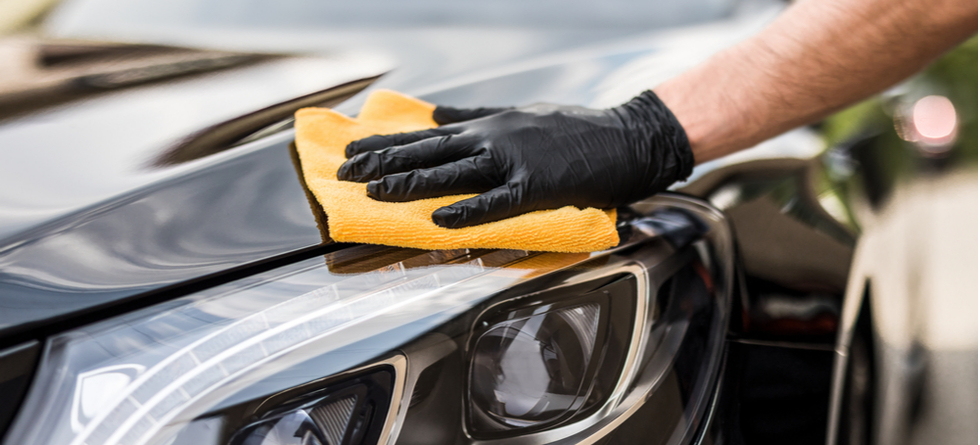
Image Source: luxuryslane.com
The Art and Science of Car Waxing
Waxing your car is more than just making it shiny; it’s about protection. A good wax creates a barrier against the elements: UV rays, acid rain, bird droppings, and road grime. This barrier helps prevent fading, etching, and other forms of car wax damage. But like anything, too much of a good thing can be bad.
How Often Should You Really Wax Your Car?
The question of how often to wax car surfaces is a common one. The general consensus among detailing professionals is that most vehicles benefit from waxing every 3 to 6 months. However, this is a guideline, not a strict rule. Several factors influence the ideal waxing schedule:
- Type of Wax Used:
- Carnauba Waxes: These offer a deep, warm shine but typically last 1 to 3 months.
- Synthetic Sealants: These are more durable and can last 6 months or longer.
- Ceramic Coatings: While not traditional waxes, these offer the longest-lasting protection, often for years, and require different maintenance.
- Environmental Conditions: Cars kept in harsh climates (heavy sun, snow, salt) will need waxing more often.
- Vehicle Storage: Garaged cars tend to hold their wax protection longer than cars parked outdoors.
- Driving Habits: If you drive frequently on dusty or muddy roads, your wax will degrade faster.
- Washing Routine: Harsh car washes with strong chemicals can strip wax quicker than gentle hand washing.
Signs Your Car Needs Waxing
Before you even think about waxing again, check for these signs:
- Water Behavior: When your car is clean, spray some water on it. If the water no longer beads up and instead sheets off, the protective wax layer has likely worn away.
- Dullness: Even after washing, the paint may look dull or lack its usual depth and shine.
- Surface Imperfections: You might notice swirling or minor scratches that the wax used to hide.
The Downsides of Over-Waxing Your Car
Applying wax too often, or using too much product, can lead to a few unwelcome consequences:
Wax Buildup: The Ghostly Residue
One of the most common issues from over-waxing car is wax buildup. This happens when layers of wax are applied without removing the old layer completely.
- Appearance: Wax buildup can manifest as a cloudy or hazy film on the paint, especially on dark-colored cars. It can also settle into panel gaps, trim, and emblems, looking chalky and unappealing.
- Grip: The surface might feel slightly grabby or sticky rather than smooth and slick.
- Buffing Difficulty: Removing excessive wax buildup can be more challenging than applying a fresh coat.
Paint Damage from Waxing: It Can Happen
While rare with modern waxes and proper application, paint damage from waxing is possible, particularly with aggressive buffing or the use of abrasive waxes.
- Scuffing and Swirling: If you buff too aggressively, or if your applicator pad has picked up dirt, you can introduce light scratches or swirl marks into the clear coat. This is more about technique than frequency, but excessive buffing during frequent waxing increases the risk.
- Clear Coat Abrasion: Some older or very abrasive waxes, combined with excessive rubbing, could theoretically thin the clear coat over very long periods. Modern detailing products are designed to be non-abrasive when used correctly.
- Hot Surfaces: Applying wax to a hot surface can cause it to dry too quickly, making it difficult to buff off without leaving streaks or residue. This isn’t direct damage from waxing itself, but poor application leading to a poor finish.
The Myth of “Too Many Protective Wax Layers”
Some people worry about accumulating too many protective wax layers, thinking they might trap moisture or prevent the paint from “breathing.” This is largely a misconception. Modern automotive paint and clear coats are sealed systems. They don’t breathe in the way organic materials do. The purpose of wax or sealant is to provide an external barrier.
The real issue isn’t the number of protective layers but the wax buildup from improper application or removal. If each waxing session involves proper cleaning and removal of the previous layer (or at least most of it), you’re essentially refreshing the protection.
How to Remove Old Wax and Prepare for a Fresh Coat
If you suspect you have wax buildup or you’re simply due for a fresh application, proper wax removal is key.
Cleaning is Crucial
Before you even think about applying new wax, the car must be thoroughly cleaned.
- Wash Thoroughly: Use a pH-neutral car wash soap and a quality wash mitt. Ensure you rinse the mitt frequently to avoid transferring grit back onto the paint.
- Decontamination: This is a critical step often skipped by casual detailers.
- Clay Bar/Mitt: Use a clay bar or clay mitt with a lubricant (like a quick detailer spray) to gently lift bonded contaminants from the paint surface. This removes embedded grime that washing alone won’t touch, ensuring a truly smooth surface for the new wax.
- Iron Remover: For vehicles exposed to brake dust or industrial fallout, an iron remover spray can chemically break down these particles.
Stripping Old Wax
Sometimes, especially if you have significant wax buildup, you might need to “strip” the old wax completely.
- Wax Stripping Soaps: Some car wash soaps are designed to be more aggressive and strip away old wax and sealants. Use these sparingly, as they can also remove protective ceramic coatings if you have one.
- Isopropyl Alcohol (IPA) Solution: A diluted solution of Isopropyl Alcohol (around 10-15% IPA in distilled water) is excellent for removing residual wax, oils, and silicones, leaving a perfectly clean surface. Spray it on and wipe off with a clean microfiber towel.
The Role of Paint Correction Frequency
While waxing is about protection, paint correction frequency is about repairing imperfections. Paint correction involves polishing the paint to remove scratches, swirl marks, and other defects.
- Compounding: Uses more abrasive polishes to remove deeper defects.
- Polishing: Uses finer abrasives to remove lighter scratches and enhance gloss.
You don’t need to correct your paint every time you wax. Paint correction is a more intensive process and should only be done when necessary. Frequent paint correction frequency could indeed damage your clear coat over time by removing material. Typically, a full paint correction might be done every few years, or when the paint shows significant wear. Regular washing, drying, and waxing (or applying a sealant/coating) are maintenance steps between paint corrections.
When to Reconsider Your Detailing Frequency
The frequency of your car detailing, including waxing, should be adapted to your car’s needs and your environment.
- Normal Detailing Frequency: For most people, a full wash, wax, and interior clean every 3-6 months is a good balance.
- Aggressive Detailing Frequency: If you live in a harsh environment or want to maintain a show car finish, you might detail more often, perhaps monthly or bi-monthly. This would likely involve washing, possibly a spray wax or sealant application, and interior cleaning.
- When is it “Too Much”?
- If you find yourself stripping wax every month.
- If you are constantly buffing and polishing aggressively.
- If you are noticing a hazy film from wax buildup despite cleaning.
- If you are washing your car multiple times a week with abrasive methods.
Car Polishing Frequency vs. Waxing Frequency
It’s important to distinguish between car polishing frequency and waxing frequency.
- Waxing: Adds a layer of protection and shine. Done every 3-6 months typically.
- Polishing: Removes minor imperfections (swirls, light scratches) and enhances gloss by abrading the clear coat. Done much less frequently, as needed, perhaps annually or every few years.
Constantly polishing your car is far more likely to cause long-term damage than waxing it too often. Polishing removes clear coat material; waxing adds a sacrificial layer of protection.
Applying Wax Correctly: The Key to Avoiding Problems
Proper technique is paramount to avoid issues associated with over-waxing car.
What You’ll Need:
- Good quality car wash soap and bucket with grit guards.
- Wash mitts (microfiber or lambswool).
- Drying towels (large, plush microfiber).
- Applicator pads (foam or microfiber).
- Microfiber buffing towels (high GSM, plush).
- Your chosen wax or sealant.
- Optional: Clay bar and lubricant, IPA solution.
Step-by-Step Application:
- Wash and Dry: Thoroughly wash and dry the car.
- Decontaminate (Optional but Recommended): Use a clay bar or mitt if the surface feels rough.
- Prepare the Surface: If you suspect heavy buildup, use an IPA solution to wipe down the paint.
- Apply Wax Sparingly:
- Put a small amount of wax on your applicator pad. A little goes a long way.
- Work on one panel at a time.
- Apply in thin, even coats using a back-and-forth or circular motion, depending on the wax manufacturer’s instructions. Avoid applying too much pressure.
- Allow to Haze: Let the wax dry to a haze. Check the product label for the recommended drying time, which can range from a few minutes to over ten minutes.
- Buff Off: Using a clean, plush microfiber towel, gently buff off the haze. Use a light touch and flip the towel frequently to a clean side. For stubborn areas, you might need a second towel.
- Inspect: Look at the panel in good light. If there are any streaks or missed spots, buff them out with a clean section of your towel or a fresh towel.
Key Tips for Waxing:
- Never Wax in Direct Sunlight or on Hot Surfaces: This causes the wax to dry too quickly, making it hard to remove and potentially causing streaks or etching.
- Use Thin Layers: Thick layers of wax are harder to buff off and don’t provide significantly more protection.
- Don’t Apply Wax to Trim or Rubber: Many waxes can stain black plastic trim and rubber seals. Use painter’s tape to mask these areas if you’re concerned.
- Choose Quality Products: Invest in good quality wax and microfiber towels. They make a huge difference in application and results.
What About Different Types of Protection?
It’s worth noting that not all paint protection products are traditional waxes. Understanding the differences helps clarify what “too much” might mean for various products.
| Protection Type | Typical Lifespan | Application Frequency | Potential Issues if Overdone |
|---|---|---|---|
| Carnauba Wax | 1-3 months | Every 1-3 months | Wax buildup, hazing, difficulty buffing if applied too thickly. |
| Synthetic Sealant | 6-12 months | Every 6-12 months | Similar to carnauba, but more durable, so fewer applications needed. |
| Ceramic Coating | 1-5+ years | N/A (requires upkeep) | Over-application can be hard to remove, potential for high spots. |
| Ceramic Spray Wax | 1-3 months | Every 1-3 months | Similar to carnauba wax, easier application. |
Ceramic coatings are a different beast. They chemically bond to your paint and form a very durable layer. You don’t “wax” a ceramic coating. Maintenance involves washing and often using a dedicated ceramic spray detailer to boost the hydrophobics. Applying traditional waxes or sealants over a ceramic coating is generally not recommended as it can obscure the coating’s performance.
Frequently Asked Questions (FAQ)
Q1: Can I wax my car every month?
A: While it won’t likely cause direct paint damage from waxing, waxing every month is usually unnecessary for most vehicles and can lead to wax buildup if not done carefully. Every 3-6 months is generally sufficient.
Q2: Will waxing too much remove my clear coat?
A: Wax itself does not remove clear coat. However, aggressive buffing during frequent waxing, or using abrasive polishing compounds instead of wax, can thin or damage the clear coat over time.
Q3: How do I know if I have too much wax on my car?
A: Signs include a cloudy or hazy appearance on the paint, a chalky residue in crevices, and a surface that feels less slick and more grabby than usual.
Q4: Is it bad to wax a car in the sun?
A: Yes, it is strongly advised against. Wax applied to a hot surface will dry too quickly, making it difficult to buff off without streaks and potentially causing a hazy finish or even minor etching.
Q5: What’s the difference between waxing and polishing?
A: Waxing adds a protective layer and shine. Polishing is a more abrasive process that removes minor paint defects like swirl marks and scratches, and it should be done far less frequently than waxing.
Q6: If I use a spray wax, can I do that more often?
A: Yes, spray waxes are typically less durable than traditional paste or liquid waxes, so applying them more frequently, perhaps every few weeks after washing, is common and generally safe. They add a light layer of protection and gloss.
Q7: What should I do if I suspect I have serious wax buildup?
A: Thoroughly wash the car, then use a clay bar or mitt to remove surface contaminants. For stubborn buildup, consider using a wax-stripping car wash soap or a diluted Isopropyl Alcohol solution to prepare for a proper re-application.
Conclusion: Balance is Key
In conclusion, while over-waxing car surfaces isn’t as inherently damaging as, say, aggressive polishing, it’s still not ideal. The main risks are cosmetic issues like wax buildup and potential for introducing minor abrasions through poor buffing technique during frequent applications. Prioritize proper cleaning and decontamination, apply wax sparingly and evenly, and buff gently. Adhering to a sensible detailing frequency – typically every 3 to 6 months for waxing – will keep your car protected and looking its best without risking paint damage from waxing. Remember, maintenance is about quality over quantity, ensuring each step enhances, rather than degrades, your vehicle’s finish.