Yes, you can jump a motorcycle battery with a car battery, but it requires careful execution to avoid damaging either vehicle’s electrical systems. This process, often referred to as a motorcycle jump start, is a common solution when you face a dead motorcycle battery. While a car’s battery is significantly larger, understanding the correct procedure is crucial for a successful car to motorcycle jump.
Dealing with a dead motorcycle battery can be frustrating, especially when you’re ready to ride. Fortunately, if you have a car and some jump cables motorcycle specific or compatible, you can often get your bike back to life. This guide will walk you through the process of performing a motorcycle jump start using your car, detailing the necessary steps, precautions, and what to do afterward.
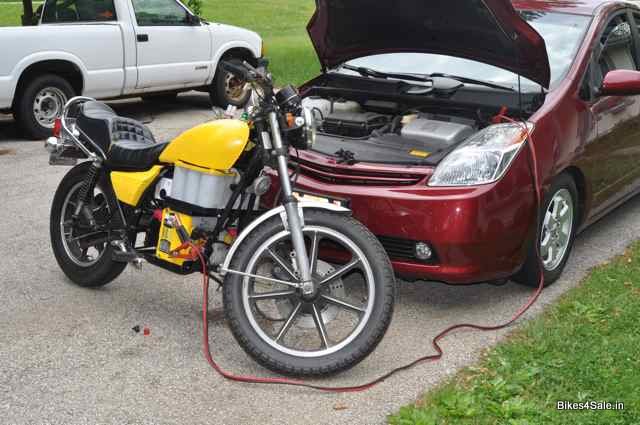
Image Source: ricksmotorsportelectrics.com
Why Does a Motorcycle Battery Die?
Before we dive into how to jump-start your motorcycle, it’s helpful to know why its battery might fail. Several common issues can lead to motorcycle battery issues:
- Age: Motorcycle batteries, like all batteries, have a finite lifespan. Typically, they last between 3-5 years.
- Inactivity: If a motorcycle sits for extended periods without being ridden, the battery can self-discharge and lose its charge. Modern bikes also have small parasitic drains from onboard computers and alarms that can deplete the battery over time.
- Cold Weather: Extreme cold can reduce a battery’s efficiency and ability to hold a charge.
- Overcharging/Undercharging: A faulty charging system in the motorcycle can either overcharge the battery, damaging it, or undercharge it, leaving it depleted.
- Short Circuits or Leaks: Internal damage to the battery can cause it to fail.
- Accessory Drain: Leaving lights, radios, or other accessories on after the engine is off will drain the battery.
Comprehending the Risks: Car to Motorcycle Jump Dangers
While a car battery jump motorcycle is feasible, it’s not without risks if not performed correctly. The primary concern is the difference in battery capacity and voltage regulation between cars and motorcycles.
- Voltage Overload: Most cars operate on a 12-volt electrical system, the same as most motorcycles. However, a car’s alternator and charging system are designed to handle a much larger load than a motorcycle’s. Connecting a running car directly can send too much voltage or current to the motorcycle’s sensitive electronics, potentially frying the ECU (Engine Control Unit) or other delicate components.
- Sparks and Explosions: Incorrectly connecting the jump cables can create sparks. If battery gases have accumulated (especially around a damaged battery), these sparks could ignite the gases, causing an explosion and battery damage.
- Damage to Cables: Using inadequate or damaged jump cables can lead to overheating, melting, or inadequate current transfer.
- Damage to Vehicle Electronics: Both the car and the motorcycle can suffer damage if the connections are made incorrectly.
Essential Tools for a Motorcycle Jump Start
To safely perform a motorcycle jump start, you’ll need a few key items:
- Good Quality Jump Cables: It’s best to use jump cables specifically designed for motorcycles or smaller engines. If using car jump cables, ensure they are a suitable gauge (thicker is better, but too thick can be unwieldy for a motorcycle battery). Look for cables with robust clamps that provide a secure connection.
- Gloves and Eye Protection: To protect yourself from sparks and battery acid.
- A Charged Car Battery: The source of your helping power.
- The Motorcycle: Of course, the vehicle needing the jump.
The Safest Way to Connect a Car to a Motorcycle: A Step-by-Step Guide
Performing a car to motorcycle jump correctly minimizes the risks. Follow these steps precisely:
Step 1: Prepare Both Vehicles
- Park the Car Close: Position the car close enough to the motorcycle so the jump cables can reach both batteries comfortably without stretching. Ensure the vehicles are not touching each other.
- Turn Off Both Vehicles: Make sure both the car and the motorcycle are completely turned off. Engage the parking brake on both.
- Locate Batteries: Open the hoods or access panels to locate the batteries in both the car and the motorcycle. You might need your owner’s manual for the motorcycle.
Step 2: Connect the Jump Cables
This is the most critical part. Always connect in the following order:
- Positive (+) to Positive (+):
- Take the red clamp from one end of the jumper cable and connect it firmly to the positive (+) terminal of the dead motorcycle battery.
- Take the other red clamp and connect it firmly to the positive (+) terminal of the car battery.
- Negative (-) to Ground:
- Take the black clamp from the other end of the jumper cable and connect it firmly to the negative (-) terminal of the car battery.
- Crucially, connect the final black clamp to an unpainted, metal surface on the motorcycle’s frame or engine block, away from the battery. This is a vital safety measure to prevent sparks from igniting any flammable gases that might be near the motorcycle battery. Do NOT connect this directly to the negative terminal of the motorcycle battery unless absolutely necessary and you understand the risks.
Visual Aid for Connection Order:
| Cable End Color | Connects to Vehicle 1 (Car) | Connects to Vehicle 2 (Motorcycle) |
|---|---|---|
| Red Clamp | Positive (+) Battery | Positive (+) Battery |
| Black Clamp | Negative (-) Battery | Unpainted Metal Frame/Engine |
Step 3: Start the Car
- Start the Car Engine: Start the car and let it run for a few minutes (3-5 minutes) at idle or slightly above idle. This allows the car’s alternator to charge the motorcycle’s battery slightly.
- Observe: Keep an eye on both vehicles for any signs of distress, such as excessive heat from the cables or unusual noises.
Step 4: Start the Motorcycle
- Attempt to Start the Motorcycle: After the car has been running for a few minutes, try to start the motorcycle.
- If It Starts: If the motorcycle starts, great! Let it run for a while to allow its own charging system to replenish the battery.
- If It Doesn’t Start: If the motorcycle doesn’t start immediately, let the car run for another 5-10 minutes, then try again. Don’t crank the motorcycle for too long consecutively, as this can overheat the starter motor. If it still won’t start after a couple of attempts, there might be another issue beyond a simple dead battery.
Step 5: Disconnect the Jump Cables
Once the motorcycle is running smoothly, it’s time to disconnect the cables. Always disconnect in the reverse order of connection to minimize sparking:
- Remove Black Clamp from Motorcycle Frame: First, remove the black clamp from the unpainted metal surface on the motorcycle.
- Remove Black Clamp from Car Battery: Next, remove the black clamp from the negative (-) terminal of the car battery.
- Remove Red Clamp from Motorcycle Battery: Then, remove the red clamp from the positive (+) terminal of the motorcycle battery.
- Remove Red Clamp from Car Battery: Finally, remove the red clamp from the positive (+) terminal of the car battery.
Important: Ensure the clamps do not touch each other or any metal parts of either vehicle during the disconnection process.
After the Jump: What to Do Next
Just because you managed to jump-start your motorcycle doesn’t mean the problem is solved. You need to address the underlying motorcycle battery issues.
- Let the Motorcycle Run: Allow the motorcycle to run for at least 20-30 minutes. Riding it is the best way to ensure the alternator charges the battery properly. If you can’t ride it, letting it idle for a good duration will also help.
- Check the Battery: If the battery died due to age, it’s time for a replacement. If it died due to inactivity, a good charge might be sufficient, but it’s wise to test the battery’s health.
- Test the Charging System: A faulty alternator or voltage regulator can cause a battery to drain. Take your motorcycle to a mechanic to have the charging system tested.
- Consider a Motorcycle Battery Charger: For long-term maintenance, especially if you don’t ride often, investing in a dedicated motorcycle battery charging system (trickle charger or smart charger) is highly recommended. These maintain the battery’s charge without overcharging it.
When Not to Jump-Start Your Motorcycle
There are situations where attempting a jump-start is ill-advised or even dangerous:
- Visibly Damaged Battery: If the motorcycle battery is cracked, leaking acid, or appears swollen, do not attempt to jump-start it. It could be unstable and pose a serious risk of explosion.
- Frozen Battery: Attempting to jump a frozen battery can cause it to explode. Let it thaw naturally in a warm environment first.
- Unknown Battery Type: While most motorcycles use 12V batteries, some older or specialized bikes might use different systems.
- No Experience: If you’re not confident in your ability to follow the steps correctly, it’s better to seek professional help or get a tow to a mechanic.
- Using Incorrect Cables: Using extremely thin or poor-quality jumper cables can be dangerous due to overheating.
Can You Jump-Start a Motorcycle with a Car That’s Off?
While not ideal, you can attempt to jump a motorcycle with a car that is turned off, but it’s generally less effective. The car’s battery will have to provide all the power without the car’s alternator assisting. This increases the risk of draining the car battery if the motorcycle’s battery is severely depleted or has a fault. If you must do this, ensure the car battery is fully charged and has been recently used. The connection process remains the same, but you’ll need to let the car battery sit connected for a longer period to try and transfer some charge before attempting to start the motorcycle.
Motorcycle Battery Charging vs. Jump Starting
It’s important to differentiate between motorcycle battery charging and jump-starting.
- Jump Starting: Is a temporary fix to get a dead battery enough power to start the engine. It uses another vehicle’s battery to provide a surge of power.
- Battery Charging: Involves using a charger to slowly replenish the battery’s charge over several hours. This is a better method for reviving a battery that has been deeply discharged but isn’t entirely dead, or for regular maintenance. A dedicated motorcycle battery charging system is the safest way to maintain your battery’s health.
Alternative Solutions for a Dead Motorcycle Battery
If you don’t have a car handy or prefer not to use one, here are other options for a dead motorcycle battery solution:
- Push Starting (for manual transmission bikes): If your motorcycle has a manual transmission, you can often push-start it. This involves getting the bike rolling and popping the clutch. It requires a bit of coordination and a willingness to run alongside your bike.
- Portable Jump Starter: These are compact, battery-powered devices specifically designed to jump-start vehicles. They are a safe and convenient alternative to using a car.
- Calling for Assistance: Contact roadside assistance or a friend with a vehicle suitable for a jump-start.
- Battery Replacement: If your battery is old or faulty, the best solution is often to simply replace it.
Frequently Asked Questions (FAQ)
Q1: Is it bad to jump-start a motorcycle with a car?
A1: It’s not inherently bad if done correctly. The main risk is damaging the motorcycle’s electronics due to voltage differences or improper connections. Following the steps carefully, especially connecting the last clamp to a ground point, significantly reduces this risk.
Q2: What size jump cables should I use for a motorcycle?
A2: For motorcycles, smaller gauge jump cables (e.g., 10-gauge or 12-gauge) are ideal. If you must use car jumper cables, ensure they are in good condition and of a decent thickness (8-gauge or 6-gauge). However, be extra cautious with thicker cables as they can be more prone to causing accidental shorts.
Q3: How long should I let the car run before starting the motorcycle?
A3: Let the car run for at least 3-5 minutes at idle or slightly above. This allows the car’s alternator to begin charging the motorcycle’s depleted battery, making the jump start more successful.
Q4: Can I jump-start a motorcycle with a dead car battery?
A4: No. You need a functioning car battery to provide the jump. If the car’s battery is also dead, you won’t be able to jump anything.
Q5: My motorcycle battery is completely dead. Can I still jump it?
A5: If the battery is truly “dead” (meaning it cannot hold any charge at all or is severely sulfated), a jump start might not work. In such cases, it’s likely time for a new battery. However, if it’s just deeply discharged, a jump start could still be effective.
Q6: What if my motorcycle has multiple batteries?
A6: Most standard motorcycles have a single battery. If your motorcycle is a larger touring model or has custom electrical systems, it might have more than one. Always identify the primary starting battery and follow the same jump-start procedure for that battery. Consult your owner’s manual if you’re unsure.
Q7: I connected the cables correctly, but the motorcycle still won’t start. What could be wrong?
A7: If the jump start doesn’t work, the problem might not be the battery. It could be a faulty starter motor, a bad ignition switch, a fuel delivery issue, or a problem with the motorcycle’s wiring or fuses. In this case, it’s best to consult a qualified mechanic.
Q8: Can I use a motorcycle battery charger on a car battery?
A8: No. Motorcycle battery chargers are designed for lower amperage and voltage outputs. Using one on a car battery would take an excessively long time to charge, if it charges at all, and could potentially damage the charger or the car battery.
Q9: What’s the difference between a jump start and using a tender/trickle charger?
A9: A jump start provides a quick burst of power to start an engine from a dead battery. A tender or trickle charger is a motorcycle battery charging device used for maintenance, slowly topping up the battery over time to prevent it from discharging when the vehicle is not in use. It’s a preventative measure, not an emergency solution.
By carefully following these guidelines, you can effectively and safely jump-start your motorcycle with a car, providing a quick dead motorcycle battery solution and getting you back on the road. Remember, regular maintenance and understanding your motorcycle battery issues are key to preventing these situations in the first place.