Yes, you can get a car wash in 30-degree weather, but it requires careful consideration and precautions to ensure safety for both your vehicle and yourself. While not ideal, a winter car wash is possible if you take the right steps.
Image Source: s7d1.scene7.com
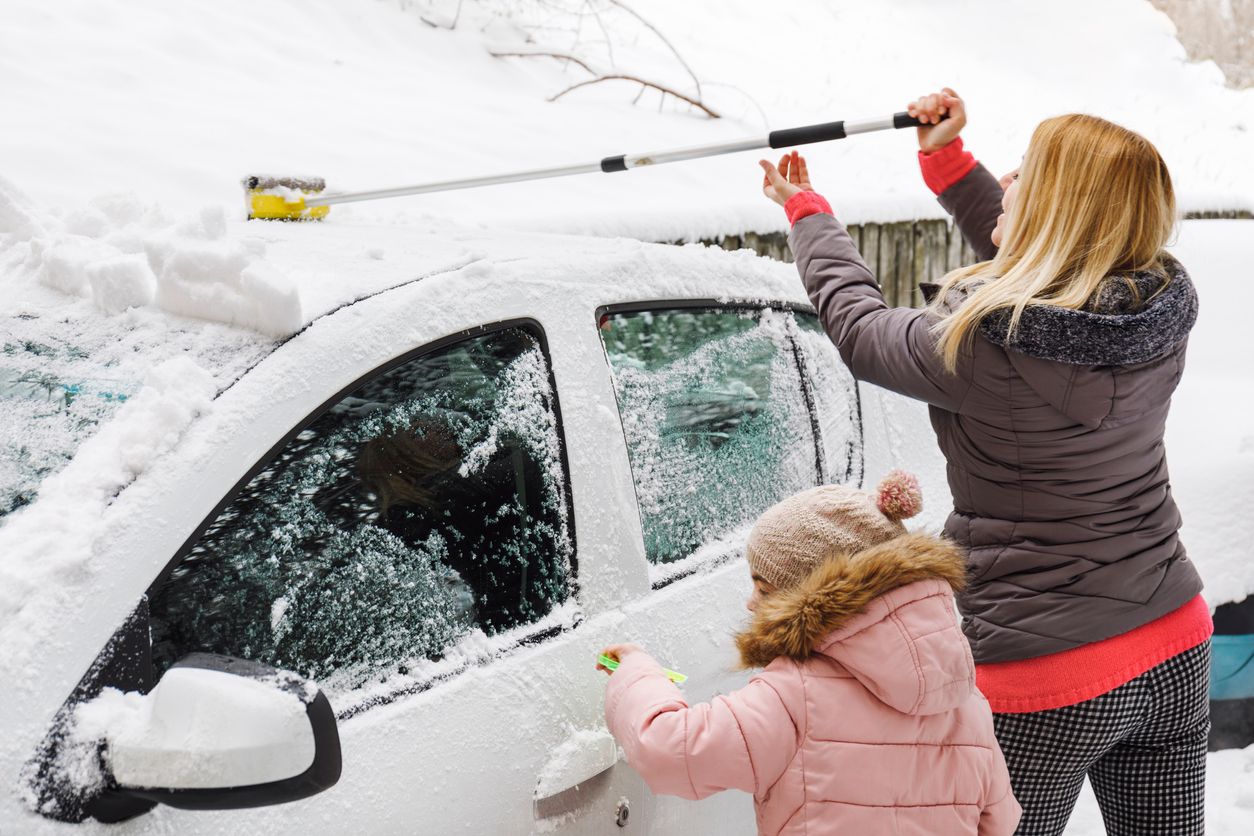
The Chill Factor: Washing Your Car in Cold Temperatures
When the thermometer dips to 30 degrees Fahrenheit (or 0 degrees Celsius), washing your car can feel like a risky endeavor. The primary concern is, of course, water turning to ice. This can lead to a frozen car wash scenario, creating slippery surfaces and potentially damaging your vehicle. However, with the right knowledge and approach, you can still keep your car clean and protected even in chilly weather.
Why Wash Your Car in Winter?
Many people believe that washing their car in winter is unnecessary, or even detrimental. However, there are several good reasons to continue regular washes:
- Salt and Road Grime: In many regions, roads are treated with salt and other de-icing chemicals during winter. These substances are highly corrosive and can cause significant damage to your car’s paint, undercarriage, and metal components over time. Regular washing helps remove these harmful materials.
- Road Film: Winter driving often means encountering a mixture of dirt, mud, oil, and exhaust residue that coats your vehicle. This “road film” can dull your car’s finish and, if left unchecked, can degrade the paint.
- Visibility: Dirty headlights, taillights, and windshields can significantly impair your visibility, which is crucial for safe driving in all conditions, especially during short winter days and potentially foggy or snowy weather.
- Preventing Frozen Components: While it might seem counterintuitive, washing away accumulated grime can sometimes prevent certain components from freezing up later.
The Risks of a Low Temperature Car Wash
Washing your car in 30-degree weather comes with inherent risks that need to be managed. Understanding these risks is the first step towards a safe car wash in cold.
- Freezing of Water: This is the most obvious risk. Water left on your car, in door jambs, locks, or windows, can freeze, causing damage or making it difficult to open your car.
- Slippery Surfaces: Water splashed on the ground, especially at an outdoor car wash winter setting, can quickly freeze, creating hazardous slippery conditions for you and other vehicles.
- Damage to Paint and Seals: Rapid temperature changes can stress your car’s paint. If water freezes in microscopic cracks, it can expand and cause further damage. Door seals and window gaskets can also become brittle in the cold and may be more prone to cracking or tearing if frozen water is forced.
- Interior Moisture: If you’re washing your car yourself, excessive moisture inside can lead to mold and mildew problems, especially if the interior doesn’t dry thoroughly.
Navigating the Cold: Your Options for a Winter Car Wash
When the temperature is around 30 degrees, your choices for getting your car cleaned are somewhat limited, but viable. The key is to choose the method that best mitigates the risks associated with the car wash temperature.
Option 1: Automated Touchless Car Washes
Automated touchless car washes are often a good bet in colder weather.
- How They Work: These washes use high-pressure water jets and cleaning chemicals to remove dirt without physical contact with brushes or cloths.
- Pros in Cold Weather:
- Minimal Risk of Frozen Components: Because there’s no direct physical contact, there’s less chance of water getting trapped in moving parts or delicate seals.
- Fast: The process is usually very quick, minimizing the time your car is exposed to the cold.
- Often Heated: Many automated car wash facilities have heated bays or use heated water, which helps prevent freezing.
- Cons in Cold Weather:
- May Not Remove Stubborn Grime: Touchless washes are excellent for general dirt, but they may not be as effective on heavily caked-on mud or salt.
- Potential for Residual Moisture: While they use blowers, some residual water can remain, especially in crevices.
- Cost: Can be more expensive than a self-service wash.
Option 2: Automated Car Washes with Brushes (Friction Washes)
These are the most common type of automated wash.
- How They Work: They use spinning brushes, cloths, or foam materials along with water and soap to scrub your car clean.
- Pros in Cold Weather:
- Effective Cleaning: Generally more effective at removing stubborn dirt and grime than touchless washes.
- Fast: Like touchless washes, they are quick.
- Cons in Cold Weather:
- Risk of Frozen Components: The brushes and cloths can push water into door seams, mirror housings, and other areas where it can freeze.
- Potential for Scratches: While modern brushes are designed to be gentle, there’s always a small risk of micro-scratches, especially if dirt is trapped in the brushes.
- May Still Have Residual Moisture: Similar to touchless washes, some water can remain.
Option 3: Self-Service Bay Washes
These are coin-operated bays where you use provided spray wands and brushes.
- How They Work: You control the process, choosing different wash cycles (soap, rinse, wax, etc.).
- Pros in Cold Weather:
- Control: You have direct control over where the water goes and how thoroughly you rinse.
- Cost-Effective: Generally the cheapest option.
- Can Focus on Specific Areas: You can target areas like wheel wells and the undercarriage more effectively.
- Cons in Cold Weather:
- Extreme Risk of Freezing: This is where car wash safety cold is most critical. Water can easily freeze on the ground, on your car, and in locks and door seals.
- Time Consuming: It takes longer than an automated wash, increasing exposure to cold.
- Requires Proper Drying: You must dry your car thoroughly afterwards.
- Can Be Messy: You’re more likely to get wet and cold yourself.
Option 4: Heated Car Wash Facilities
Some facilities specialize in providing a heated car wash cold weather experience.
- How They Work: These might be enclosed bays with heating systems, or they might use high-pressure steam.
- Pros in Cold Weather:
- Ideal Conditions: The heated environment significantly reduces the risk of freezing.
- Effective Cleaning: Often uses specialized equipment for efficient cleaning.
- Cons in Cold Weather:
- Availability: Not as common as other options.
- Cost: Likely to be the most expensive option.
Crucial Car Wash Precautions Freezing: Doing it Yourself Safely
If you opt for a self-service wash or decide to brave washing your car at home in 30-degree weather, these car wash precautions freezing are non-negotiable:
Preparation is Key
- Choose the Right Time:
- Warmest Part of the Day: Aim for midday when temperatures are likely to be at their peak. Avoid early morning or late evening.
- Check the Forecast: Ensure no sudden temperature drops or freezing rain are expected immediately after your wash.
- Gather Supplies:
- Warm Water: If washing at home, use warm water.
- Good Quality Car Soap: One designed for cold weather or with anti-freeze properties if available (though this is rare for consumer products).
- Microfiber Drying Towels: Plenty of them. These are essential for thorough drying.
- Door Seal Lubricant/Protectant: Silicone spray or a similar product can prevent seals from freezing.
- Lock De-icer: Keep a small can in your pocket just in case.
- Interior Protectant: To wipe down any interior surfaces you might have touched.
- Pre-Treat Stubborn Grime:
- Before the main wash, use a bug and tar remover or a strong degreaser on heavily soiled areas. This reduces the need for prolonged scrubbing with cold water.
The Washing Process
- Work Quickly and Efficiently: The less time your car spends wet in the cold, the better.
- Focus on the Rinse: Ensure all soap residue is thoroughly rinsed off. Any remaining soap can freeze.
- Avoid High-Pressure Water on Seals: When using a spray wand, don’t blast high-pressure water directly into door jambs, window seals, or mirror housings, as this can force water into crevices.
- Rinse from Top to Bottom: This helps water run off more effectively.
The Absolutely Critical Drying Stage
This is arguably the most important step when dealing with a low temperature car wash.
- Thorough Drying is Mandatory: Use clean, dry microfiber towels to dry every inch of your car.
- Exterior Panels: Wipe down the hood, roof, trunk, doors, fenders, and bumpers.
- Door Jambs: Meticulously dry the areas around the doors, including the sills and the edges where the doors meet the frame.
- Window Seals and Gaskets: Pay special attention to these areas. Use a separate, dry towel.
- Mirrors and Lights: Dry around the housing of mirrors and all lights.
- Wheels and Tires: Don’t forget these areas.
- Use Compressed Air (If Possible): If you have access to compressed air, it’s an excellent way to blow water out of door handles, mirror seams, panel gaps, and other tight spots.
- Open Doors and Trunk: Briefly open each door, the hood, and the trunk to wipe down any hidden areas and allow moisture to escape. Then, close them to trap residual heat inside.
Post-Wash Protection
- Lubricate Door Seals: Apply a silicone-based spray or a specialized lubricant to your door seals, window gaskets, and trunk seals. This prevents them from sticking or freezing shut.
- Check and De-Ice Locks: If you have keyholes, apply a lock de-icer or graphite lubricant. Be aware that many modern cars use keyless entry, which avoids this issue.
- Drive Carefully: If there’s any residual moisture, drive for a few minutes to help evaporate it. Gentle braking can also help dry the brake rotors if they’ve become wet.
Fathoming the Freezing Point Car Wash: Expert Advice
The freezing point car wash is a delicate balance. Here’s expert advice to help you navigate it:
- Professional Detailers: Professionals have the tools and knowledge to wash cars safely in colder temperatures. They often use heated water, specialized drying techniques, and protective coatings. If you’re unsure, investing in a professional detail is a good idea.
- Avoid Ice Build-up: The primary goal is to prevent water from pooling and freezing. Any water left behind can expand when it freezes, potentially damaging paint and rubber components.
- Consider a Ceramic Coating or Wax: Having a good layer of wax or a ceramic coating on your car provides a protective barrier. This can help water bead off more easily and makes it harder for ice to bond to the paint. A winter car wash is a good time to reapply or top up protective layers.
- Undercarriage Washing: While crucial for removing salt, be extra diligent about drying the undercarriage if you wash it yourself. Many automated washes have undercarriage sprayers that are designed to minimize pooling.
Can You Get a Frozen Car Wash? Yes, and Here’s How to Avoid It
A frozen car wash occurs when water freezes on your car or on the ground during or after the washing process.
How to Avoid a Frozen Car Wash:
- Thorough Drying: As emphasized, this is the most critical step.
- Avoid Standing Water: Ensure no puddles are left on the car’s surface, in crevices, or on the ground where you are washing.
- Use a Heated Facility: Opt for enclosed, heated washes when available.
- Warm the Car First: If washing at home, letting the car run for a few minutes to warm up the metal can help.
- Avoid Washing in Extreme Cold: If temperatures are significantly below freezing (e.g., 20°F/-6°C and below), it’s generally best to postpone washing until conditions improve, unless you have access to professional heated facilities.
Table: Car Wash Methods and Cold Weather Suitability
| Car Wash Method | Temperature Suitability (30°F / 0°C) | Pros in Cold | Cons in Cold | Key Precautions |
|---|---|---|---|---|
| Automated Touchless | Good | Fast, minimal physical contact, often uses heated water/bays. | May not remove heavy grime, potential for residual moisture. | Ensure all doors/windows are fully closed; check for drying blowers. |
| Automated Friction | Fair | Effective cleaning, fast. | Risk of water trapped in seals/crevices, potential for minor scratches. | Ensure thorough drying after; avoid if car has delicate seals or is prone to freezing. |
| Self-Service Bay | Challenging | Control over process, cost-effective. | High risk of freezing on car and ground, time-consuming, requires meticulous drying. | Meticulous drying is mandatory. Dry all seals, jambs, and crevices. Apply seal protectant. Use caution on ground. |
| Professional Detailer | Excellent | Heated facilities, expert techniques, specialized tools, focus on protection. | Most expensive option. | Choose a reputable detailer experienced in winter services. |
| Home Washing (DIY) | Very Challenging | Complete control. | Highest risk of freezing, requires significant effort and proper supplies for drying and protection. | Extreme caution and meticulous drying are essential. Only attempt if prepared with all necessary supplies. |
Deciphering Car Wash Safety Cold: Key Takeaways
When the temperature hovers around 30 degrees, car wash safety cold boils down to a few critical points:
- Minimize Water Exposure: The less time water sits on your car, the lower the risk of freezing.
- Dry, Dry, Dry: This cannot be stressed enough. Thorough drying of all surfaces, especially seals, jambs, and crevices, is paramount.
- Protect Seals and Locks: Use appropriate lubricants and de-icers to prevent freezing.
- Choose Wisely: Automated washes, particularly touchless ones, or professional detailing services are generally safer bets than DIY washing in these conditions.
- Know When to Wait: If conditions are truly extreme (well below freezing) or you lack the necessary supplies and time for proper drying, it’s often best to wait for warmer weather.
Interpreting the Car Wash Temperature Data
The car wash temperature is a critical factor. At 30 degrees Fahrenheit, water is at its freezing point. This means that any water remaining on your vehicle after a wash is at high risk of turning to ice. This ice can expand, potentially damaging paint and rubber. Furthermore, ice on the ground around a car wash is a significant safety hazard.
Frequently Asked Questions (FAQ)
Q1: Can I wash my car at home if it’s 30 degrees Fahrenheit?
A1: Yes, but it requires extreme caution. You must ensure thorough drying of all surfaces, especially door jambs, seals, and crevices, and use protective lubricants on seals. It’s a high-risk activity best avoided unless absolutely necessary and you are fully prepared.
Q2: Are automatic car washes safe in 30-degree weather?
A2: Automated touchless car washes are generally safe. Automated washes with brushes are usually safe, but there’s a slightly higher risk of water getting trapped. Always ensure the facility has good drying blowers.
Q3: What is the biggest danger of washing a car in the cold?
A3: The biggest danger is water freezing on your car, which can damage paint, seals, and locks, or create slippery ice on the ground around the wash area.
Q4: How can I prevent my car doors from freezing shut after a car wash in cold weather?
A4: Thoroughly dry all door jambs and seals. After drying, apply a silicone-based spray or lubricant to the rubber seals. This creates a barrier that prevents water from freezing and sticking the door shut.
Q5: Is it better to wash my car at an indoor or outdoor car wash in winter?
A5: An indoor or heated car wash facility is always preferable in cold weather. It significantly reduces the risk of freezing and provides a more comfortable experience. If an outdoor car wash is your only option, be extra vigilant about drying.
Q6: What’s the ideal minimum temperature for washing a car yourself?
A6: While you can wash a car at 30 degrees, it’s much safer and more effective when temperatures are consistently above freezing, ideally in the 40s or 50s Fahrenheit (above 5°C).
Q7: Does car wash soap have antifreeze properties?
A7: Most standard car wash soaps do not contain antifreeze. While some specialized automotive products might exist for extreme cold, typical car wash soaps are designed for cleaning, not for preventing freezing.
Q8: What if I get to my car and the doors are frozen shut after a wash?
A8: Never force the doors. Use a car-specific lock de-icer spray directly into the lock cylinder. If the door itself is stuck due to frozen seals, try gently applying warmth with a hairdryer (if you have access) or a warm cloth. Avoid using hot water, as this can cause thermal shock to the paint or glass.
Q9: Should I wash the undercarriage of my car in 30-degree weather?
A9: Yes, especially if you’ve driven on salted roads. Many automated car washes offer undercarriage washes. If doing it yourself, ensure you dry the area as much as possible afterwards, though it’s much harder to dry this area thoroughly.
Q10: Can washing my car in the cold damage the paint?
A10: The act of washing itself generally won’t damage the paint at 30 degrees, provided you don’t use excessively hot water on a cold surface (risk of thermal shock) or allow water to freeze in microscopic paint imperfections. The primary risks are from ice expansion and residue from de-icing salts if not properly removed.