Can you remove bug stains from your car? Yes, you absolutely can! Getting rid of bug stains from your car’s paint is achievable with the right approach. These unsightly marks are not just a cosmetic issue; they can actually damage your car’s clear coat and paint if left untreated. This guide will walk you through safe and effective methods to tackle car bug splatter cleaning, insect residue removal, and remove dead bugs from car paint. We’ll cover everything from gentle washing techniques to specialized products, ensuring your vehicle looks its best without causing harm.
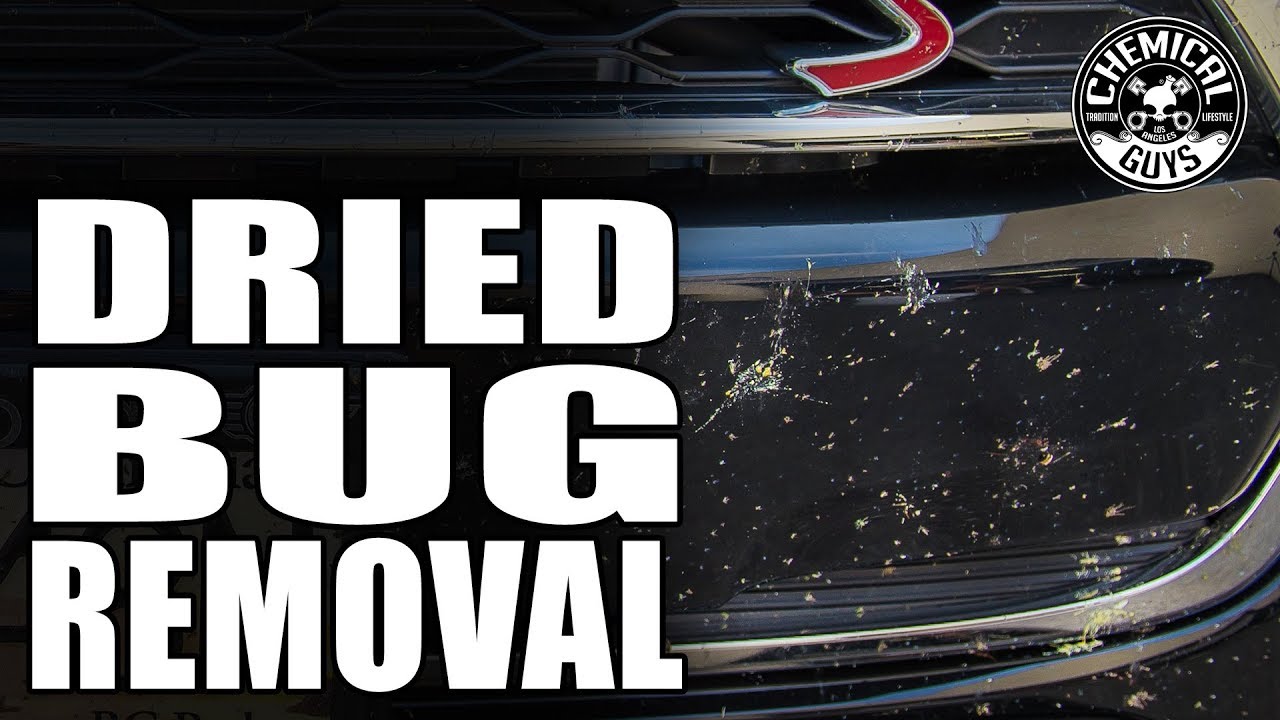
Image Source: i.ytimg.com
Why Bug Stains Are a Problem for Your Car
Bug splatter, often referred to as car bug splatter cleaning challenges, isn’t just gross to look at; it’s a genuine threat to your car’s finish. The carcasses of insects, especially on long road trips, contain acidic substances. When these are left to bake in the sun on your car’s paint, they begin to etch into the clear coat. This etching can lead to permanent damage, discoloration, and dullness if not addressed promptly. Think of it like a tiny acid attack happening right on your car’s surface!
The Chemistry of Bug Damage
- Acidity: Insect bodies are surprisingly acidic. This acidity comes from their digestive fluids and other internal components.
- Adhesion: Bug guts are sticky. This stickiness allows them to cling to your car’s surface, making them harder to remove than simple dirt.
- Sun’s Role: Sunlight acts as a catalyst. It bakes the acidic bug residue into the paint, intensifying the etching process. The heat essentially pushes the acidic compounds deeper into the clear coat.
Long-Term Effects of Neglect
Ignoring bug stains can lead to:
- Etching: Tiny pits and depressions in the clear coat.
- Discoloration: Yellowing or staining of the paint.
- Dullness: Loss of shine and depth in the paint finish.
- Corrosion: In severe cases, the damage can reach the base coat and even the metal itself, leading to rust.
Safest Ways to Tackle Bug Splatter
The key to successful insect residue removal is to act quickly and use the right products and techniques. The goal is to lift the bug splatter without scratching or damaging the delicate paintwork. Here’s how to approach it:
The Gentle Wash Approach
A thorough wash is your first line of defense and often the most effective method. This is the foundation of any good automotive bug wash.
What You’ll Need:
- Two buckets (one for soapy water, one for rinsing)
- High-quality car wash soap
- Microfiber wash mitt
- Clean microfiber drying towels
Step-by-Step Washing:
- Pre-Rinse: Thoroughly rinse your car with water. This removes loose dirt and debris that could cause scratches during the wash.
- Wash Top to Bottom: Start washing from the roof of your car and work your way down. This prevents dirty water from running over already cleaned areas.
- Gentle Agitation: Use a clean microfiber wash mitt and your car wash soap. Gently agitate the bug-splattered areas. Avoid aggressive scrubbing.
- Rinse Frequently: Rinse your wash mitt frequently in the clean water bucket to avoid transferring grit back onto the paint.
- Thorough Rinse: After washing, rinse the entire car thoroughly to remove all soap residue.
- Dry Immediately: Use clean, plush microfiber drying towels. Pat the car dry rather than rubbing aggressively. This minimizes the risk of scratching.
The Pre-Soak Strategy
For stubborn bug stains, a pre-soak can make a huge difference. This involves allowing a cleaning solution to dwell on the bug splatter, softening it and making it easier to remove.
Pre-Soak Options:
- Car Wash Soap Solution: Mix a higher concentration of car wash soap in a spray bottle with water. Spray liberally onto the bug-affected areas and let it sit for 5-10 minutes.
- Warm Water: Warm water can also help to soften bug residue. Spray warm water onto the affected areas and allow it to sit.
Important: Never let the pre-soak solution dry on the paint. If it starts to dry, rinse and reapply.
Specialized Bug Removers: Your Secret Weapon
While a good wash can handle light bug splatter, tougher stains often require specialized products designed for car bug splatter cleaning. These products are formulated to break down bug residue effectively and safely.
Understanding Bug and Tar Removers
Products labeled as bug and tar remover for cars are specifically designed to tackle these common automotive contaminants. They contain solvents and cleaning agents that break down the organic matter and sticky residues left by insects.
How They Work:
These removers typically use a combination of:
- Solvents: To dissolve the sticky proteins and acids in bug residue.
- Lubricants: To provide a slick surface, allowing contaminants to be wiped away without scratching.
- Detergents: To lift and suspend the loosened residue.
Using a Dedicated Car Bug Remover
When choosing a car wash bug remover, look for products specifically designed for automotive use. Always follow the manufacturer’s instructions carefully.
Best Way to Remove Bug Stains with Dedicated Removers:
- Work in the Shade: Always apply bug removers in a shaded area and on a cool surface. Direct sunlight can cause the product to dry too quickly, leading to streaking or damage.
- Test in an Inconspicuous Area: Before applying to the entire affected area, test the product on a small, hidden spot (like the lower edge of a door panel) to ensure it doesn’t harm your car’s paint.
- Apply Directly: Spray the bug remover directly onto the bug stains.
- Allow Dwell Time: Let the product sit for the time recommended by the manufacturer. This allows it to break down the bug residue.
- Gentle Wiping: Use a clean, damp microfiber towel to gently wipe away the loosened bug splatter. Work in one direction.
- Rinse Thoroughly: After removing the bug stains, rinse the area with water to remove any product residue.
- Follow Up with a Wash: It’s always a good idea to wash the entire car after using a specialized remover to ensure all chemical residue is gone and to restore the protective layer of wax or sealant.
Other Effective Products
Beyond dedicated bug removers, other products can assist in detailing bug stains off car:
- All-Purpose Cleaners (APCs) for Automotive Use: Diluted APCs can sometimes work on lighter bug stains, but be cautious with concentration and always test first.
- Clay Bar: A clay bar is excellent for removing embedded contaminants from the paint surface. After washing and using a bug remover, a clay bar can pick up any remaining microscopic bug residue that’s bonded to the paint. Use with a clay lubricant.
How to Clean Bugs Off Car Without Scratching: Essential Tips
The biggest fear when dealing with bug stains is accidentally scratching your car’s paint. Here’s how to avoid that:
Microfiber is Your Friend
- High-Quality Microfiber Towels: Invest in plush, high-GSM (grams per square meter) microfiber towels. These have soft, dense fibers that trap dirt and grit away from the paint surface.
- Separate Towels: Use different towels for washing, drying, and applying products. Never use a drying towel for washing, as it will likely have picked up dirt.
The Two-Bucket Method: A Must-Do
The two-bucket method is crucial for preventing scratches during washing.
- Bucket 1: Soapy Water: Fill with car wash soap and water.
- Bucket 2: Rinse Water: Fill with clean water.
Process: Dip your wash mitt into the soapy water, wash a section of your car. Then, rinse the dirty mitt in the clean water bucket before dipping it back into the soapy water. This traps dirt in the rinse bucket, preventing it from being transferred back to your paint.
Lubrication is Key
Think of lubrication as a protective barrier between your cleaning tool and your car’s paint.
- Plenty of Soap: Ensure your wash solution is sufficiently soapy.
- Clay Lubricant: When using a clay bar, a dedicated clay lubricant is essential. This creates a slick surface for the clay to glide on.
- Bug Remover Sprays: Most good bug removers have built-in lubrication.
Gentle, Not Forceful, Action
- Light Pressure: Apply only light pressure when wiping or scrubbing bug stains. Let the cleaning product do the work.
- One Direction: When wiping away residue with a towel or mitt, use a single, sweeping motion in one direction rather than scrubbing back and forth. This minimizes the chance of grinding dirt into the paint.
Advanced Techniques for Stubborn Stains
Sometimes, bug splatter can be particularly tenacious. For these situations, you might need to employ more advanced detailing bug stains off car techniques.
Clay Bar Treatment: The Deep Clean
A clay bar is one of the most effective ways to remove bonded contaminants that washing alone can’t touch.
When to Use a Clay Bar:
- After washing and drying your car.
- When you can feel rough patches on your paint, even after washing.
How to Clay Bar:
- Ensure the Surface is Clean: Wash and dry your car thoroughly.
- Use Lubrication: Spray a clay lubricant generously onto a small section of the car.
- Work the Clay: Take a piece of clay (about the size of a credit card) and gently glide it over the lubricated surface. You’ll feel it grab initially, then become smooth as it picks up contaminants.
- Fold and Knead: As the clay picks up dirt, fold and knead it to expose a fresh surface. If you drop the clay, discard it immediately, as it will be contaminated.
- Wipe and Inspect: Wipe away the lubricant with a clean microfiber towel and inspect the surface. It should feel incredibly smooth.
- Repeat: Work in small sections until the entire car is decontaminated.
A clay bar is exceptionally good at insect residue removal that has become embedded.
Bug and Tar Remover for Specific Areas
If you have a few isolated, very tough bug spots, you don’t need to do a full wash. You can target these areas with a bug and tar remover for cars.
Targeted Removal:
- Apply a small amount of bug and tar remover directly to the bug stain using a cotton swab or a microfiber applicator pad.
- Let it dwell for the recommended time.
- Gently wipe with a clean microfiber towel.
- Wipe the area with a damp cloth to remove any residue.
- You might want to apply a quick detailer or wax to the spot afterwards to protect it.
Power Washing Precautions
While a power washer can be tempting for quick cleaning, it can also cause damage if used incorrectly.
Safe Power Washing Tips:
- Use a Wide Fan Nozzle: Avoid a concentrated jet spray.
- Maintain Distance: Keep the nozzle at least 1-2 feet away from the car’s surface.
- Avoid Direct Spray on Seals: Don’t blast water directly at door seals, window seals, or emblems.
- Work Top to Bottom: Similar to hand washing, start from the top.
A power washer can be effective for the initial rinse to remove loose bugs before you start hand washing, acting as a good initial step in your car exterior bug cleaning tips.
Protecting Your Car from Future Bug Stains
Prevention is always better than cure. Here are some ways to protect your car’s paint from bugs:
Wax and Sealants: Your First Layer of Defense
Applying a quality wax or paint sealant creates a protective barrier on your car’s paint. This barrier makes it harder for bug residue to bond to the paint and easier to remove when it does.
Benefits of Protection:
- Easier Cleaning: Bugs are less likely to stick.
- UV Protection: Protects paint from sun damage.
- Enhanced Shine: Keeps your car looking glossy.
Apply a wax or sealant every few months, following the product’s instructions.
Ceramic Coatings: The Ultimate Protection
For the best long-term protection, consider a ceramic coating. These provide a much harder and more durable layer than traditional waxes or sealants.
Ceramic Coating Advantages:
- Extreme Durability: Can last for years.
- Hydrophobic Properties: Water and contaminants bead up and roll off easily.
- Chemical Resistance: Offers superior protection against acidic contaminants like bug guts.
Bug Deflectors and Bras
While not for everyone, bug deflectors (mounted on the hood) and car bras (covering the front bumper and hood) can physically prevent bugs from hitting the most vulnerable parts of your car.
Regular Car Washes
The most basic yet effective preventative measure is to wash your car regularly. The more frequently you remove accumulated bug splatter, the less chance it has to etch into the paint. This ties into your car exterior bug cleaning tips and makes the entire process easier.
Frequently Asked Questions About Bug Stains
Here are some common questions about dealing with bug stains on your car.
What is the best way to remove bug stains?
The best way to remove bug stains is to address them quickly with a quality car wash soap and a microfiber wash mitt. For tougher stains, a dedicated bug and tar remover for cars or a clay bar treatment is highly effective. Always use lubrication and gentle techniques to avoid scratching.
Can I use household cleaners to remove bug stains?
It’s generally not recommended to use household cleaners like dish soap or general-purpose cleaners unless they are specifically rated as safe for automotive paint. Many household cleaners can strip wax and sealant, and some can even be too harsh and damage your car’s clear coat. Always stick to automotive-specific products.
How long can bug stains stay on my car before they cause damage?
Bug stains can start to etch into your car’s clear coat within hours, especially in hot, sunny conditions. The longer they remain on the paint, the deeper the damage can become. Prompt removal is always best.
What if bugs have already etched into my paint?
If bug splatter has etched into the paint, you might need more aggressive detailing bug stains off car methods. After a thorough wash, a clay bar treatment can often remove surface etching. If the etching is deep, it might require paint correction via polishing to remove the damaged clear coat layer. In very severe cases, repainting might be necessary.
Is it safe to use a pressure washer to remove bugs?
A pressure washer can be used, but with extreme caution. Always use a wide fan nozzle, keep a safe distance from the paint, and avoid spraying directly at seams, seals, or emblems. A gentle rinse with a pressure washer can help loosen bugs before a hand wash.
What’s the difference between a bug remover and a tar remover?
While often combined in products labeled “bug and tar remover,” they are formulated to tackle slightly different contaminants. Tar removers are specifically designed to break down asphalt and road tar, which are petroleum-based. Bug removers focus on the organic acids and sticky residues from insects. Most combined products are effective for both.
Conclusion: Keep Your Car Shining
Dealing with bug stains is a common challenge for car owners. By following these car exterior bug cleaning tips and employing the right methods and products, you can effectively and safely remove dead bugs from car paint and keep your vehicle looking pristine. Remember, prompt action, the right tools, and a gentle touch are your best allies in maintaining your car’s beautiful finish. Regular washing, waxing, and timely attention to bug splatter will ensure your car stays protected and looking its best for years to come.