Yes, you can tune a hybrid car, but it’s a complex process with different considerations than tuning a traditional gasoline-powered vehicle. While the concept of hybrid car tuning might seem unusual, advancements in automotive technology have opened doors to performance enhancements and efficiency improvements for hybrid vehicles. This post will delve into the specifics of hybrid engine modification, exploring what’s possible, what the risks are, and what you need to know if you’re considering a hybrid power upgrade.
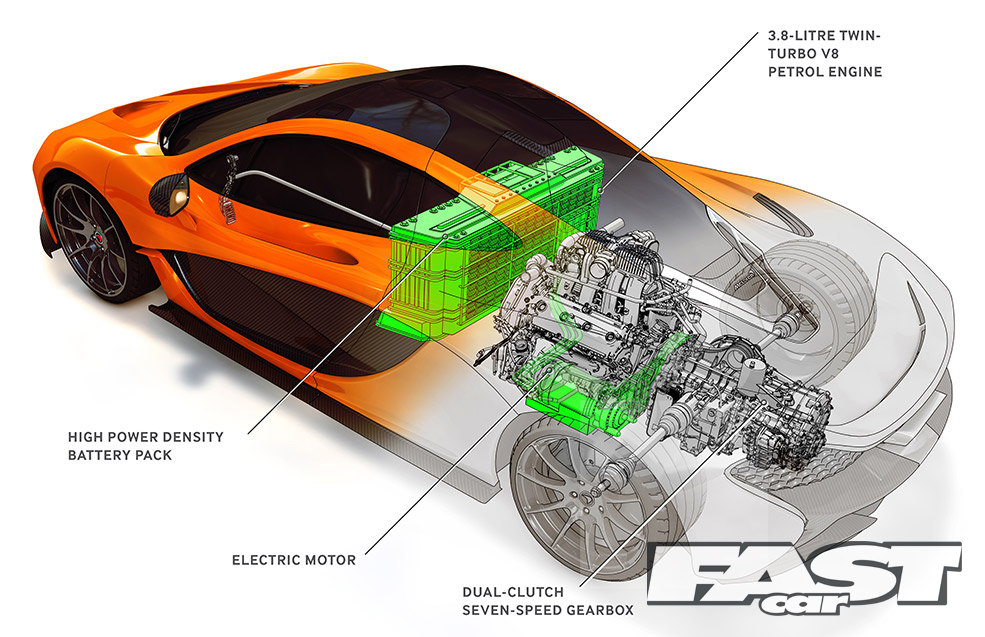
Image Source: transport.kelsey.host
The Basics of Hybrid Powertrains
To grasp how hybrid cars can be tuned, we first need a basic grasp of how they work. Hybrid vehicles combine a conventional internal combustion engine (ICE) with an electric motor and a battery pack. The synergy between these components is managed by sophisticated computer systems.
- Internal Combustion Engine (ICE): This is the gasoline engine, similar to what you find in a non-hybrid car.
- Electric Motor: This assists the ICE, providing extra power or propelling the car solely on electricity.
- Battery Pack: This stores electrical energy, powering the electric motor.
- Hybrid Control Unit (HCU): This is the brain of the hybrid system. It decides when to use the ICE, the electric motor, or both, optimizing for performance or fuel economy.
What Does “Tuning” Mean for Hybrids?
When we talk about tuning a traditional car, it often refers to ECU tuning hybrid (also known as remapping) or installing hybrid performance parts to increase horsepower and torque. For hybrids, tuning can encompass a broader range of modifications:
Performance Hybrid Tuning
This area focuses on improving the overall performance of the vehicle. It can involve optimizing the power delivery from both the electric and gasoline powertrains. The goal is to achieve a more spirited driving experience.
Hybrid Fuel Economy Tuning
Conversely, some owners might be interested in improving fuel efficiency. This can involve fine-tuning the HCU to prioritize electric-only driving or optimizing engine operation for better mileage.
Can You Tune a Hybrid Car’s Engine?
Yes, the gasoline engine in a hybrid vehicle can be modified, similar to a non-hybrid. However, it’s crucial to remember that this engine works in tandem with the electric system.
Hybrid Engine Modification: What’s Possible?
- ECU Reprogramming: The most common form of tuning involves ECU tuning hybrid or remapping hybrid ECU. This involves altering the engine’s software parameters to change fuel delivery, ignition timing, and boost pressure (if turbocharged). For hybrids, this can also extend to recalibrating how the electric motor interacts with the engine.
- Intake and Exhaust Systems: Upgrading the air intake and exhaust can improve airflow to and from the engine, potentially leading to modest power gains. Think of a hybrid exhaust tuning to improve flow.
- Turbocharging Hybrid Systems: Some performance-oriented hybrid vehicles might already be turbocharged. In such cases, increasing boost pressure through ECU tuning can provide significant power increases. However, adding a turbocharger to a naturally aspirated hybrid engine is a very complex and expensive undertaking.
- Internal Engine Components: For more extreme modifications, internal components like pistons, camshafts, and connecting rods can be upgraded. However, these are typically reserved for highly specialized builds and can significantly impact the reliability of the hybrid system.
The Role of the Electric Motor
The electric motor and battery pack are integral to a hybrid’s performance. Tuning efforts often involve optimizing how these components work together.
- Power Delivery: Adjusting the HCU’s software can change how aggressively the electric motor assists the ICE, offering a quicker response off the line or during acceleration.
- Energy Management: Some tuning can focus on how the battery is charged and discharged, potentially allowing for more sustained electric-only driving or quicker depletion for bursts of power.
Tuning the Hybrid Control Unit (HCU)
This is where hybrid tuning truly differentiates itself. The HCU is the central management system, and modifying its software is key to unlocking different characteristics.
ECU Tuning Hybrid: The Nuances
- Engine Parameters: Just like a regular car, the HCU can be tuned to adjust parameters for the ICE, such as fuel injection maps and spark timing.
- Electric Motor Control: Crucially, the HCU dictates the electric motor’s operation. Tuning can influence:
- Electric-only range: Encouraging more electric driving.
- Power assist levels: How much the electric motor helps the ICE.
- Regenerative braking intensity: How much energy is recaptured during braking.
- Interplay Between Systems: The most sophisticated tuning will focus on the seamless integration of the ICE and electric motor. This might involve adjusting the handoff between the two power sources for smoother acceleration or improved responsiveness.
Common Hybrid Tuning Goals
Drivers opt for hybrid tuning for various reasons:
Hybrid Power Upgrade
Many enthusiasts seek a hybrid power upgrade to enhance acceleration and overall performance. This can make a hybrid feel more engaging to drive.
Hybrid Fuel Economy Tuning
On the flip side, optimizing for fuel economy is a primary goal for many hybrid owners. Tuning can lead to:
- Increased MPG: By making the electric system work harder or more efficiently.
- Reduced Emissions: Through more optimized engine operation.
Balancing Performance and Efficiency
A key challenge in hybrid tuning is finding the right balance. Pushing for more power can sometimes come at the expense of fuel economy, and vice-versa. Advanced tuning aims to optimize both, though compromises are often necessary.
Risks and Considerations of Hybrid Tuning
While tuning a hybrid car is possible, it’s not without its risks and requires careful consideration.
Warranty Concerns
Crucially, most manufacturers will void your warranty if they detect unauthorized modifications to the powertrain, including ECU tuning. This is a significant risk, as hybrid systems are complex and repairs can be very expensive.
Reliability and Longevity
- Increased Strain: Pushing the ICE and electric components harder than they were designed for can reduce their lifespan.
- Component Stress: Over-boosting a turbocharged hybrid or overworking the electric motor can lead to premature failure.
- Battery Health: Aggressive acceleration can sometimes put additional strain on the battery pack.
Compatibility Issues
- Proprietary Software: Hybrid control units often use proprietary software that is difficult to access and modify. Specialized tuning companies are needed.
- System Integration: The complex interplay between the ICE, electric motor, and battery means that a change in one area can have unforeseen consequences elsewhere.
Cost of Modifications
Hybrid performance parts and specialized tuning services for hybrids can be more expensive than for traditional cars due to the specialized knowledge and components required.
What Can Be Tuned? A Closer Look
Let’s break down some specific areas of hybrid tuning.
H3: ECU Tuning Hybrid: The Primary Method
As mentioned, ECU tuning hybrid or remapping hybrid ECU is the most common approach. This involves accessing the vehicle’s Engine Control Unit (ECU) or Hybrid Control Unit (HCU) and altering its programming.
What parameters can be adjusted?
- Fuel Maps: Adjusting how much fuel is injected at different engine speeds and loads.
- Ignition Timing: Modifying when the spark plug fires to optimize combustion.
- Boost Pressure (if applicable): For turbocharged hybrids, increasing boost can significantly enhance power.
- Electric Motor Assist: Changing the thresholds and intensity at which the electric motor assists the ICE.
- Regenerative Braking: Potentially adjusting the strength of regenerative braking for better energy capture or a more direct brake feel.
- Transmission Shift Points: For hybrids with traditional automatic transmissions, shift points can be optimized for performance.
Who can do this?
It’s vital to seek out reputable tuning specialists who have specific experience with hybrid vehicles. They will have the necessary tools and knowledge to modify the complex software without causing damage.
H3: Hybrid Engine Modification: Beyond the ECU
While the ECU is central, other hybrid engine modification options exist:
H4: Intake and Exhaust Upgrades
- Cold Air Intakes: These can improve the flow of cooler, denser air into the engine, potentially leading to a slight increase in power and throttle response.
- Performance Exhaust Systems: A less restrictive exhaust system can help the engine “breathe” better. Exhaust tuning hybrid systems can improve flow and sound, though significant power gains from exhaust alone on a hybrid are uncommon.
H4: Turbocharging Hybrid Systems
For hybrids already equipped with a turbocharger, tuning can involve increasing boost pressure. This is a powerful way to achieve a hybrid power upgrade. However, it’s essential to ensure the rest of the engine and drivetrain can handle the increased stress.
H4: Upgrading Hybrid Performance Parts
This can include a range of components:
- Spark Plugs: High-performance spark plugs might offer a marginal improvement.
- Fuel Injectors: If significant power increases are targeted, higher-flow fuel injectors may be necessary.
- Intercoolers: For turbocharged hybrids, an upgraded intercooler can help keep intake air cooler, leading to denser charges and more efficient combustion.
H3: Electric Powertrain Modifications
Tuning the electric side of a hybrid is more challenging and less common for aftermarket modifications.
H4: Battery Upgrades
Replacing the stock battery pack with a higher-capacity or higher-discharge-rate unit is technically possible but extremely complex and costly. It would require significant integration with the HCU and potentially other systems.
H4: Motor Controllers
Modifying the electric motor controller is also highly specialized and typically beyond the scope of most aftermarket tuners.
Hybrid Tuning vs. Traditional Tuning
| Feature | Traditional ICE Tuning | Hybrid Car Tuning |
|---|---|---|
| Primary Focus | Engine power and torque, sound, fuel delivery. | Balancing ICE and electric motor performance, fuel economy, and overall system efficiency. |
| Key Component | Engine Control Unit (ECU) | Hybrid Control Unit (HCU) and ECU |
| Complexity | Relatively straightforward for experienced tuners. | High due to the integration of multiple power sources and complex software. |
| Risks | Engine damage, voided warranty, reduced longevity. | System failures, voided warranty, reduced longevity of both ICE and electric components, battery issues. |
| Typical Goals | More horsepower, better acceleration, improved sound. | Increased power, improved fuel economy, better response, enhanced drivability. |
| Modifications | Intake, exhaust, turbo upgrades, ECU remapping. | ECU remapping, intake/exhaust (for ICE), potential for specialized HCU tuning. Electric component upgrades are rare and complex. |
Real-World Examples and Case Studies
While specific case studies are not widely publicized due to the niche nature of hybrid tuning and warranty concerns, several tuning companies do offer services for specific hybrid models. These often focus on enhancing the responsiveness of the electric motor or subtly adjusting engine parameters for better overall performance without drastically compromising efficiency.
For instance, some tuners might focus on improving the “sport” mode in a hybrid, allowing the electric motor to provide more immediate torque and keep the gasoline engine engaged for longer during spirited driving. Conversely, other tuning efforts might target maximizing electric-only mileage by recalibrating the system’s regenerative braking and power assist strategies.
The Future of Hybrid Performance Tuning
As hybrid technology evolves, so too will the possibilities for tuning. With the rise of plug-in hybrids (PHEVs) and the increasing sophistication of electric powertrain management, we can expect to see more advanced tuning options emerge.
- Software-Based Tuning: The trend will likely continue towards software-based modifications, allowing for more precise control over both the ICE and electric components.
- Data-Driven Optimization: Access to more vehicle data will enable tuners to optimize performance and efficiency with greater accuracy.
- Specialized Hardware: While less likely for DIY enthusiasts, specialized hardware might emerge to support more significant hybrid power upgrades for track-focused or performance-oriented hybrid vehicles.
What to Ask a Hybrid Tuner
If you decide to explore hybrid tuning, here are some questions to ask a potential specialist:
- What specific hybrid models do you have experience tuning?
- What are the potential gains in horsepower and torque for my vehicle?
- How will the tuning affect fuel economy?
- What are the risks to the powertrain and battery?
- Does your tuning procedure affect the factory warranty? (Be prepared for the answer to be yes).
- Can you revert the car to its stock settings if needed?
- What kind of warranty, if any, do you offer on your tuning services?
Frequently Asked Questions (FAQ)
Q1: Can I tune my Toyota Prius?
While tuning options for vehicles like the Toyota Prius exist, they are often focused on optimizing fuel economy rather than significant power increases. Because the Prius is designed for maximum efficiency, aggressive performance tuning can compromise its core strengths and reliability.
Q2: Will tuning void my hybrid warranty?
Yes, in almost all cases, unauthorized modifications to the powertrain, including ECU tuning, will void your manufacturer’s warranty. This is a significant consideration, as hybrid components are expensive to repair.
Q3: Is it safe to tune a hybrid car?
“Safe” is relative. While reputable tuners aim to operate within safe parameters, pushing any powertrain beyond its original design limits carries inherent risks. For hybrids, this risk extends to both the internal combustion engine and the electric components, including the battery and motor controller.
Q4: What are the benefits of hybrid fuel economy tuning?
Benefits include increased miles per gallon (MPG), reduced fuel costs, and lower emissions. This can be achieved by optimizing how the electric motor is used, improving regenerative braking efficiency, and fine-tuning the ICE for better fuel consumption.
Q5: Can I add a turbocharger to a non-turbo hybrid?
While theoretically possible, adding a turbocharger to a naturally aspirated hybrid engine is an extremely complex, expensive, and risky modification. It would require significant custom fabrication, engine management recalibration, and likely reinforcement of internal engine components. The integration with the hybrid’s electric system would add another layer of complexity.
Q6: What are common hybrid performance parts?
Common hybrid performance parts for the ICE side are similar to traditional cars: improved intake systems, performance exhaust systems, and potentially upgraded spark plugs. For the electric side, aftermarket modifications are very limited and specialized.
Q7: How does ECU tuning hybrid differ from traditional ECU tuning?
ECU tuning hybrid not only involves optimizing the internal combustion engine’s parameters but also the complex interaction between the gasoline engine, electric motor, and battery. It requires a deeper understanding of hybrid system architecture and software.
Q8: Is hybrid car tuning a popular modification?
Compared to tuning traditional gasoline cars, hybrid car tuning is a more niche market. While growing, it’s not as widespread due to the complexity and warranty concerns. The focus is often more on efficiency than outright power for many hybrid owners.
Q9: Can tuning improve the driving feel of a hybrid?
Yes, tuning can significantly improve the driving feel. This might involve making the electric motor’s response more immediate, smoothing out power delivery transitions between electric and gasoline power, or increasing overall acceleration by optimizing both power sources.
Q10: What is the impact of turbocharging hybrid systems?
When applied to hybrids already equipped with turbochargers, tuning can increase boost pressure, leading to a substantial hybrid power upgrade. This can result in quicker acceleration and a more potent driving experience. However, it’s crucial to ensure the engine and drivetrain can safely handle the increased power output.