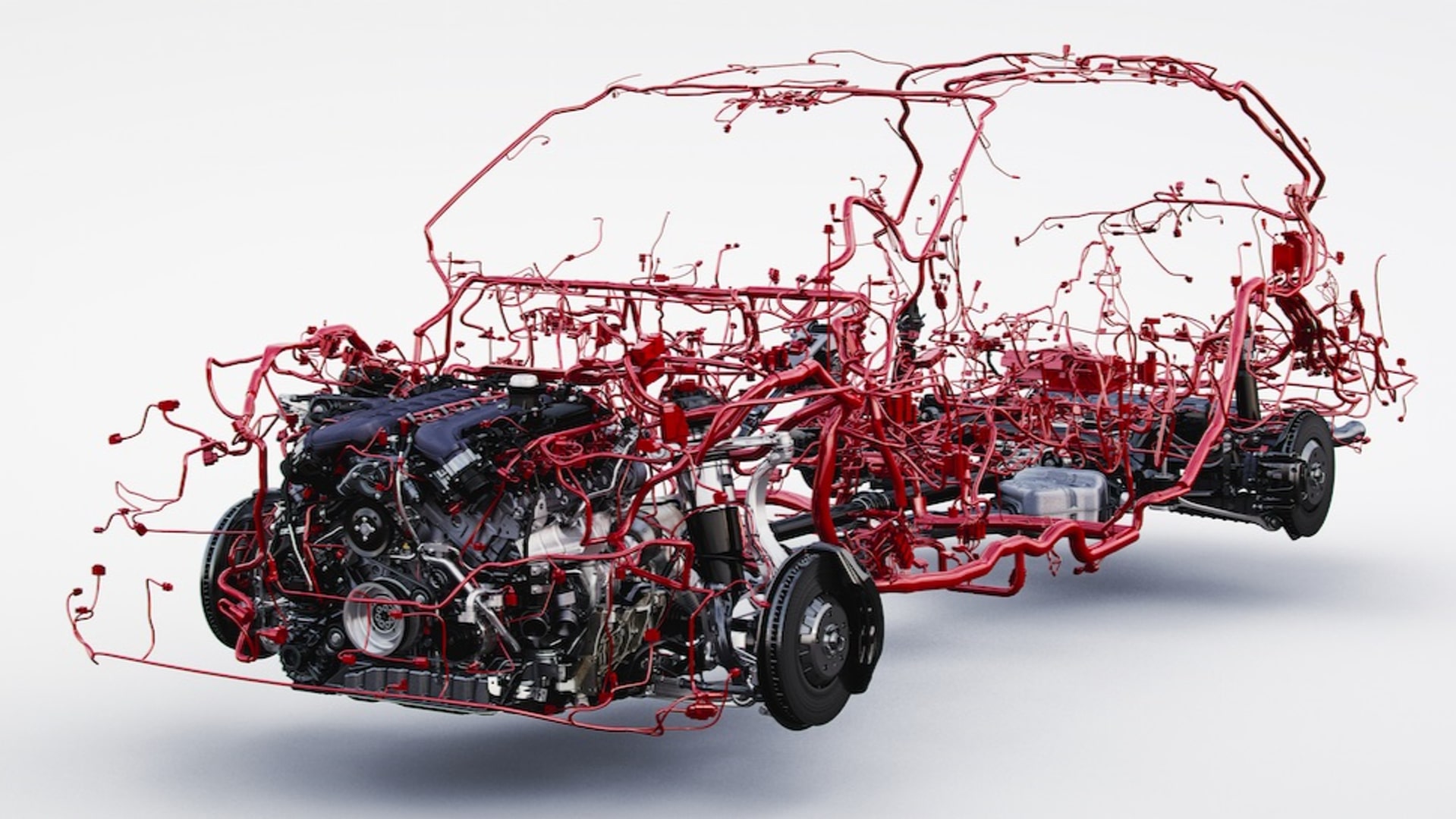
Image Source: carpart.com.au
How Much To Rewire A Car: Costs Revealed
How much does it cost to rewire a car? Rewiring a car can cost anywhere from $500 for a simple patch job to $10,000 or more for a complete overhaul of a classic car’s electrical system. Several factors influence this price, including the make and model of your vehicle, the extent of the rewiring needed, and the labor rates of the mechanic.
The electrical system in your car is like its nervous system. It powers everything from your headlights and radio to the engine’s ignition and the anti-lock brakes. Over time, this complex network of wires can degrade, corrode, or get damaged, leading to a cascade of problems. Addressing these issues promptly is crucial, but a common question arises: what’s the financial commitment involved in getting your car’s electrical system back in top shape? This comprehensive guide delves into the various aspects of car wiring replacement, helping you to accurately estimate the car electrical repair cost and make informed decisions.
Deciphering the Need for Rewiring
Before you start budgeting, it’s essential to understand why your car might need rewiring. Common indicators of electrical system trouble include:
- Intermittent electrical failures: Lights flickering, power windows acting up, or the radio cutting out without explanation.
- Burning smells: A distinct electrical burning odor can signify melting insulation or short circuits.
- Dimming headlights or dashboard lights: This often points to an issue with the alternator or wiring.
- Battery drain: If your battery frequently dies, it could be a faulty wire or component drawing power.
- Warning lights on the dashboard: Beyond the usual check engine light, specific electrical system warnings can appear.
- Corrosion on battery terminals or wires: Visible green or white powdery buildup indicates corrosion, which impedes electrical flow.
- Damage from rodents or accidents: Chewed wires or damage from impacts can compromise the entire system.
Factors Influencing the Cost of Automotive Wiring Replacement
The total automotive wiring replacement prices are not a one-size-fits-all figure. Many variables come into play, significantly impacting the final bill.
Vehicle Make and Model
- Complexity: Luxury vehicles and performance cars often have more intricate electrical systems with more sensors, modules, and advanced features. This complexity translates to more wiring and a higher auto electrical service cost.
- Brand Reputation: Some manufacturers are known for more robust electrical designs than others. Older European cars, for example, can sometimes have more temperamental wiring harnesses.
- Availability of Parts: The cost of specific wiring harnesses can vary based on availability. For common vehicles, parts are generally more affordable than for rarer models.
Extent of Rewiring
This is perhaps the most significant cost driver. Are you dealing with a single faulty wire, a localized section of the harness, or a complete system overhaul?
- Spot Repairs: If only a small section of wiring is damaged or corroded, a mechanic might be able to splice in new wire or repair the existing harness. This is the most budget-friendly option.
- Partial Harness Replacement: Some sections of the wiring harness, like the engine bay harness or the dashboard harness, might need to be replaced. This is more involved and costly than spot repairs.
- Complete Rewiring: This is the most extensive and expensive option. It involves replacing the entire wiring harness for the vehicle. This is often necessary for older vehicles with brittle, degraded wiring, or after significant electrical fires. The cost to rewire vehicle interior can be substantial when this level of work is required.
Labor Costs
- Mechanic’s Hourly Rate: This varies significantly by region and the reputation of the repair shop. Dealerships typically charge higher hourly rates than independent mechanics.
- Time Required: Rewiring is a labor-intensive process. A mechanic needs to carefully diagnose the problem, remove old wiring, install new wiring, and test the entire system. This can take anywhere from a few hours for minor repairs to several days for a complete rewire.
Parts and Materials
- Wiring Harnesses: These are the pre-assembled bundles of wires that connect various electrical components. The price of a wiring harness can range from a few hundred dollars for basic components to over a thousand for complete, vehicle-specific harnesses. A car harness replacement cost will heavily depend on this.
- Connectors and Terminals: High-quality connectors and terminals are essential for reliable electrical connections.
- Wire Loom and Insulation: Protecting the wires from heat, abrasion, and moisture is crucial.
- Diagnostic Tools: Specialized tools are often needed to accurately diagnose electrical faults.
Types of Rewiring Projects and Their Associated Costs
Let’s break down the typical costs associated with different rewiring scenarios. These are estimates and can vary widely.
Minor Electrical Repairs (Spot Repairs/Localised Wiring)
For minor issues like a frayed wire powering a single accessory or a corroded connection, the cost is generally manageable.
- What’s involved: Identifying the faulty wire, cutting out the damaged section, and splicing in new wire with appropriate connectors.
- Estimated Cost: $100 – $500. This includes diagnostic time, a small amount of wire, connectors, and labor.
Partial Harness Replacement
This involves replacing a specific section of the wiring harness, such as the engine harness or the dashboard harness.
- What’s involved: Removing the old harness section, routing and connecting the new harness, and ensuring all components are properly plugged in. This can sometimes be referred to as a car wiring loom replacement cost for a specific loom.
- Estimated Cost: $500 – $2,500. This includes the cost of the partial harness ($200-$1000+) and 4-12 hours of labor.
Complete Rewiring of a Modern Vehicle
A full rewiring of a modern car is less common than for older vehicles but can be necessary if the entire electrical system is compromised.
- What’s involved: Complete removal of all existing wiring, installation of a new, factory-spec wiring harness, and extensive testing of all electrical functions. The cost to rewire vehicle interior can be high if this includes the entire cabin.
- Estimated Cost: $2,000 – $5,000. This includes a new full wiring harness ($1,000-$3,000+) and 15-30 hours of labor.
Rewiring Classic Cars: A Deeper Dive
Classic cars present unique challenges and often require a different approach to rewiring. The rewiring classic car cost can be significantly higher due to several factors:
- Originality and Quality: Owners of classic cars often want to maintain originality. This means sourcing period-correct wiring or using high-quality modern replacements that mimic original specifications.
- Degradation of Old Materials: Over decades, the insulation on original wiring becomes brittle and prone to cracking, leading to shorts and fire hazards. The entire loom is often a ticking time bomb.
- Lack of Documentation: Finding accurate wiring diagrams for very old vehicles can be challenging.
- Customization: Many classic cars are customized with modern amenities (audio systems, EFI, alarms), requiring custom wiring solutions.
- Labor Intensity: The routing of wires in older cars can be more difficult due to less accessible spaces and potentially less organized factory routing.
Estimated Costs for Classic Car Rewiring:
- Basic Rewire (essential functions only): $1,500 – $4,000. This might involve replacing the main engine harness and essential lighting circuits.
- Comprehensive Rewire (all systems, period-correct or high-quality modern): $3,000 – $10,000+. This includes replacing every wire, connector, and often upgrading components like the fuse box to modern standards. This is a true electrical overhaul car cost. Getting multiple vehicle wiring repair quotes for classic cars is highly recommended.
Getting Accurate Vehicle Wiring Repair Quotes
To get the most accurate estimate for your specific situation, follow these steps:
- Diagnose the Problem: Before you even talk to a mechanic, try to pinpoint the symptoms. The more information you can provide, the better the mechanic can assess the situation.
- Seek Multiple Quotes: Don’t settle for the first quote you receive. Contact several reputable auto repair shops, particularly those specializing in electrical systems.
- Specify the Work: Clearly state whether you need a spot repair, a partial harness replacement, or a complete rewire. If you have a classic car, mention your desire for originality or any specific upgrades.
- Ask About Parts: Inquire about the quality of the parts being used. Are they OEM (Original Equipment Manufacturer), aftermarket, or specialized custom parts?
- Clarify Labor: Ask about the estimated labor hours and the shop’s hourly rate.
- Request a Detailed Breakdown: A good quote will break down the costs into parts and labor.
The DIY vs. Professional Debate
Can you rewire a car yourself? For minor repairs, absolutely. If you’re comfortable with basic wiring principles, soldering, and using wiring diagrams, you might be able to save money on simple fixes. However, for anything more complex, especially a complete rewire, it’s usually best left to the professionals.
Pros of DIY Rewiring:
- Potential Cost Savings: You save on labor costs.
- Learning Experience: A great way to learn about your car’s electrical system.
Cons of DIY Rewiring:
- Time Consuming: It can take a significant amount of time, especially for a beginner.
- Risk of Errors: Incorrect wiring can lead to further damage, short circuits, or even fires.
- Lack of Specialized Tools: Professional shops have diagnostic tools that are essential for accurate fault finding.
- Voiding Warranties: If your car is still under warranty, DIY electrical work can void it.
For most people, the complexity and potential risks associated with extensive rewiring make hiring a professional the safer and more effective choice. The auto electrical service cost is often a worthwhile investment to ensure safety and reliability.
Budgeting for Electrical Overhaul Car Cost
When planning for a significant electrical repair or overhaul, it’s wise to create a realistic budget. Consider the following:
- Diagnostic Fee: Most shops will charge a fee to diagnose the electrical issue.
- Parts Cost: This will be a significant portion of the total.
- Labor Cost: Factor in the estimated hours and the hourly rate.
- Contingency: It’s always wise to add 10-20% to your budget for unexpected issues that might arise once the work begins.
Alternatives to Full Rewiring
In some cases, a full rewire might not be necessary. A skilled auto electrician can sometimes:
- Repair and Re-insulate Wires: For surface-level damage, re-insulating or repairing a wire can be sufficient.
- Replace Specific Connectors: Faulty connectors can cause a lot of problems and are often replaceable without changing the entire harness.
- Upgrade Components: Sometimes, upgrading a component like the alternator, voltage regulator, or fuse box can resolve system-wide electrical issues.
Frequently Asked Questions (FAQ)
Q1: What is the average cost to replace a car’s wiring harness?
A1: The average cost can range from $500 to $5,000 or more, depending on the car’s make, model, year, and the complexity of the harness.
Q2: Can I rewire my car myself?
A2: For minor electrical repairs, you might be able to. However, for a complete rewire or complex issues, it’s highly recommended to use a professional mechanic due to the risk of further damage or safety hazards.
Q3: What are the signs of a failing car electrical system?
A3: Common signs include flickering lights, intermittent power to accessories, burning smells, a dead battery, and dashboard warning lights.
Q4: Is it worth rewiring an old car?
A4: This depends on the car’s value, its overall condition, and your personal attachment to it. Rewiring a classic car can be an expensive but necessary process to ensure its safety and drivability.
Q5: How long does it take to rewire a car?
A5: A minor repair might take a few hours, while a complete rewire can take several days to a week or more, depending on the vehicle and the mechanic’s workload.
Q6: Where can I find reliable vehicle wiring repair quotes?
A6: Seek quotes from reputable independent mechanics, dealerships (though often more expensive), and specialists in automotive electrical systems. Always compare multiple quotes.
Q7: What is included in the cost to rewire vehicle interior?
A7: This typically includes replacing all wiring within the cabin, such as for lights, power windows, door locks, infotainment systems, and dashboard components. It’s a significant part of a full electrical overhaul.
Q8: How much does a car harness replacement cost?
A8: A single harness can range from $100 for a small component harness to over $1,500 for a complete engine or chassis harness. Labor is added on top of this.
In conclusion, the cost to rewire a car is highly variable, but by understanding the factors involved and obtaining thorough quotes, you can better prepare for this significant automotive expense. Whether it’s a minor fix or a complete electrical overhaul car cost, ensuring your vehicle’s electrical system is sound is vital for its performance, safety, and longevity.