No, you generally should not wash your car in direct sunlight, especially on a hot day, as it significantly increases the risk of water spots and can make the washing process more difficult. While the question of washing your car in the sun is common, the answer is almost universally discouraged by car care professionals and enthusiasts alike.
Washing your car in the sun seems like a good idea to get it done quickly, especially if you have a busy schedule. Many people believe that the sun’s warmth will help the car dry faster. However, this often leads to a frustrating and ultimately damaging outcome for your car’s finish. Let’s dive deep into why this practice is a no-go and what you should do instead to keep your vehicle looking its best.
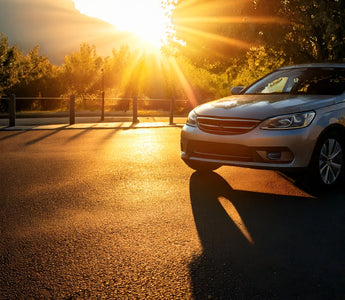
Image Source: www.freshchameleon.co.uk
The Perils of Washing Your Car in Direct Sunlight
When you wash your car in the sun, especially during the hottest parts of the day, several detrimental things happen. The heat from the sun accelerates the drying process of water and soap on your car’s surface. This rapid evaporation leaves behind mineral deposits and soap residue, which are the culprits behind those unsightly water spots. These spots aren’t just an aesthetic issue; they can etch into your car’s clear coat if left untreated, requiring more intensive correction later on.
What Exactly are Water Spots?
Water spots are the dried remnants of water left on your car’s paint. Tap water, in particular, contains dissolved minerals like calcium and magnesium. When water evaporates, these minerals are left behind.
Types of Water Spots:
- Bonded Water Spots: These are the most common and the ones you’ll likely encounter when washing your car in the sun. They are caused by the rapid evaporation of water, leaving behind the mineral deposits. These can sometimes be removed with a good polish.
- Etched Water Spots: If bonded water spots are left on the paint for too long, they can start to etch into the clear coat. These are much harder to remove and may require wet sanding and compounding by a professional detailer.
The Impact of Sunlight on the Washing Process
Sunlight doesn’t just affect the drying; it also impacts how your soap and cleaning products work.
High Temperatures and Chemical Reactions
- Soap Breakdown: High temperatures can cause car wash soaps and shampoos to break down faster, reducing their effectiveness. This means they might not lift dirt and grime as efficiently, potentially leading to scratching when you go to wipe the car down.
- Drying of Products: When you spray a cleaner or degreaser on a hot surface in direct sunlight, it can dry too quickly before you have a chance to properly agitate and rinse it. This can leave streaks and residue.
Why “Car Wash Direct Sunlight” is a Bad Combination
The phrase “car wash direct sunlight” should be a red flag for anyone who cares about their vehicle’s appearance. Think of your car’s paint as a delicate skin. Just as you wouldn’t want to apply harsh chemicals to your skin on a scorching hot day and let them dry, you shouldn’t do it to your car.
The Problem with Washing Car in Hot Sun
Washing car in hot sun is an invitation for disaster for your paintwork. The intense heat accelerates evaporation, leading to:
- Rapid Drying: Water and soap dry almost instantly on contact.
- Increased Risk of Streaking: Uneven drying creates visible streaks.
- Mineral Buildup: As water evaporates, minerals are left behind, causing water spots.
The Effect of Sun Exposure on Car Care
Proper car care involves protecting your vehicle’s finish. Sun exposure is a significant factor that needs to be managed during the washing process. Excessive sun exposure during washing compromises the effectiveness of cleaning agents and significantly increases the likelihood of leaving permanent marks on your paint.
The Dangers of Drying Car in Sun
Drying car in sun is where the real damage often occurs. Even if you manage to wash your car without immediate issues, the drying phase in direct sunlight is critical.
The Mechanics of Drying Car in Sun
When you towel-dry a car that has been exposed to direct sun, the car’s surface is already warm. As you wipe, the water on your towel and the water on the car evaporate almost instantly. This leaves behind the minerals and soap. The towel, instead of gliding smoothly, can drag these abrasive particles across the paint, creating micro-scratches (swirl marks).
The Problem of Water Spots Car Wash
Water spots car wash scenarios are rampant when washing in the sun. Here’s why:
- Premature Evaporation: Water evaporates before you can rinse it off or dry it properly.
- Mineral Concentration: As water dries, the minerals become more concentrated.
- Towel Trapping: Water trapped in your drying towel can also evaporate, leaving its own mineral deposits.
The Best Time to Wash Car for Optimal Results
So, if washing in the sun is a bad idea, when is the best time to wash your car? The answer is simple: when the car’s surface is cool to the touch.
Ideal Conditions for Washing Your Car
- Early Morning: Before the sun gets too high and heats up the surfaces.
- Late Afternoon/Early Evening: After the direct sun has moved away, and surfaces have cooled down.
- Overcast Days: Cloudy days are perfect for washing your car as they provide diffused light and keep the car’s surface temperature down.
Practical Car Wash Tips Sun Considerations
When you’re looking for car wash tips, always prioritize avoiding direct sunlight.
- Seek Shade: If possible, park your car in a shaded area, like a garage or under a large tree, before you begin washing.
- Work in Sections: If you must wash in a partially sunny area, work on one section of the car at a time. Rinse that section thoroughly before moving on to the next. This prevents soap and water from drying on the paint.
Proper Washing Techniques to Avoid Damage
To ensure your car wash is effective and safe, follow these steps:
The Two-Bucket Method: A Cornerstone of Safe Washing
This is a fundamental technique that significantly reduces the risk of scratching your car’s paint.
How the Two-Bucket Method Works:
- Bucket 1 (Wash): Fill with your car wash soap and water mixture.
- Bucket 2 (Rinse): Fill with clean water.
- Washing: Dip your wash mitt into the soap bucket. Wash a section of your car.
- Rinsing the Mitt: Before returning your mitt to the soap bucket, rinse it thoroughly in the clean water bucket. This removes dirt and grit from the mitt, preventing it from being transferred back to the paint.
- Repeat: Continue this process, alternating between dipping in soap and rinsing the mitt.
Pre-Rinsing is Crucial
Before you even touch your car with a wash mitt, give it a good rinse with water. This removes loose dirt, dust, and debris, preventing them from being ground into the paint during the washing process.
Using the Right Cleaning Products
- pH-Neutral Car Shampoo: Always use a dedicated car shampoo that is pH-neutral. Household detergents can strip protective waxes and damage the clear coat.
- Quality Wash Mitts: Opt for soft, high-quality wash mitts made from microfiber or lambswool. Avoid sponges, as they tend to trap dirt against the paint.
The Art of Drying Your Car Safely
Drying is just as important as washing, and it’s another area where washing in the sun can cause problems.
Efficient and Safe Drying Methods
- Microfiber Drying Towels: Invest in large, plush microfiber drying towels. These are highly absorbent and designed to wick water away from the surface without scratching.
- Drying Aids/Sprays: Consider using a drying aid or quick detailer spray. Spray it lightly onto the wet surface before drying. This can add lubrication, reducing the risk of scratches, and help the towel glide more smoothly. It can also help repel water and prevent water spots.
- Leaf Blower (Optional): A leaf blower can be surprisingly effective at blowing water out of crevices, mirrors, and trim, areas where towels might miss or drag dirt.
Drying Car in Sun: What to Expect (and Avoid)
If you find yourself drying car in sun, you’ll notice the towel gets wet and then seems to dry almost immediately as you wipe. This indicates rapid evaporation and a higher risk of streaks and spots. Always aim to dry the car as quickly as possible if you’re caught in the sun, working from top to bottom.
Specifics on Washing Car on a Hot Day
Washing car on a hot day requires extra vigilance. The ambient temperature directly impacts surface temperature.
Considerations for Hot Weather Car Washing
- Temperature is Key: Focus on the temperature of the car’s surface, not just the air temperature. A car sitting in the sun, even if the air temp is moderate, will have hot surfaces.
- Work Quickly: If you must wash on a hot day, work in sections and rinse and dry each section immediately.
- Hydration for You and Your Car: Keep yourself hydrated, and ensure you use plenty of water to rinse away soap and dirt effectively.
Waxing Car in Sun: Another Pitfall
Just as washing your car in the sun is problematic, waxing car in sun is also a big no-no.
Why Waxing in the Sun is a Bad Idea
- Uneven Application: Wax can dry too quickly on the hot surface, making it difficult to apply evenly.
- Streaking and Hazing: The rapid drying causes the wax to haze over before you can buff it off properly, leaving unsightly streaks and residue.
- Reduced Bonding: The heat can affect how well the wax bonds to the paint, potentially reducing its protective lifespan.
Car Detailing Sun: The Professional’s View
For car detailing sun exposure is a critical factor to manage. Professional detailers will always ensure they are working in a shaded environment or during cooler parts of the day to achieve the best results. Their meticulous approach avoids the common pitfalls that can arise from working in direct sunlight.
Summarizing Car Wash Tips Sun Strategies
To recap the most critical car wash tips sun advice:
- Always choose a shaded spot or an overcast day.
- If shade isn’t available, wash in the early morning or late afternoon.
- Work in small sections, rinsing thoroughly before the product dries.
- Use the two-bucket method with quality wash mitts and towels.
- Dry the car immediately and thoroughly with clean microfiber towels.
- Avoid waxing or polishing in direct sunlight.
Frequently Asked Questions (FAQ)
Q1: Can I wash my car at noon on a sunny day?
A1: It’s strongly discouraged. Noon is typically when the sun is at its strongest, making the car’s surfaces very hot. This leads to rapid drying, water spots, and potential damage.
Q2: What happens if I wash my car in the sun and get water spots?
A2: Water spots are mineral deposits left behind after water evaporates. If they are light, you might be able to remove them with a quick detailer or a clay bar. However, severe water spots can etch into the clear coat, requiring polishing or professional correction.
Q3: Is it okay to use a hose to rinse the car after washing in the sun?
A3: Rinsing is essential, but if the water is evaporating on contact, it’s still a problem. You need to rinse thoroughly and immediately after washing each section. Drying immediately after rinsing is also critical.
Q4: Can I use a car wash tunnel wash if it’s sunny outside?
A4: Automatic car washes generally don’t have issues with sun exposure because the water is applied and rinsed off quickly, and many have powerful drying blowers. The concern is primarily about washing your car yourself in direct sunlight.
Q5: What’s the worst that can happen from washing my car in the sun?
A5: The worst that can happen is permanent etching of the clear coat from water spots, and widespread micro-scratches (swirl marks) from improper drying techniques on hot surfaces. This can significantly reduce the aesthetic appeal and value of your car.
Q6: If I’m in a rush, what’s the least damaging way to wash my car in the sun?
A6: If you absolutely must wash in the sun, use the two-bucket method, work in very small sections (e.g., one door at a time), rinse immediately, and dry immediately. Use a high-quality drying aid to add lubrication. The goal is to minimize the time any water or soap sits on the hot surface.
By following these guidelines, you can ensure your car wash is a beneficial experience that enhances your vehicle’s appearance, rather than a detrimental one that can cause long-lasting damage. Always prioritize cool surfaces and shade for the best results in your car care routine.