How long does it take car paint to dry? Typically, car paint takes between 24 to 48 hours to become touch dry, but the full cure time can extend to 30 days or even longer. This means while you might be able to lightly touch the paint without smudging it after a day or two, it’s still very vulnerable.
When you get your car painted, you want it to look perfect and stay that way. A big part of that is how the paint dries. Many factors affect how long it takes for car paint to dry, from the type of paint used to the weather outside. This post will break down automotive paint drying and help you understand the different stages involved. We’ll look at drying time, paint hardening, touch dry time, recoat time, and what affects the overall curing process.
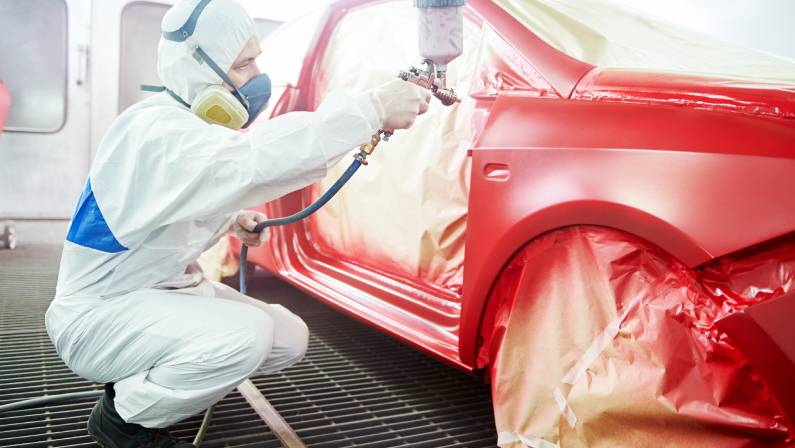
Image Source: status-automotive.com
The Stages of Car Paint Drying
Car paint doesn’t just go from wet to hard in one go. It goes through several distinct drying stages. Each stage has its own timeframe and importance for the final paint finish drying.
Stage 1: Flash Off Time
This is the very first stage. As soon as the paint is applied, solvents in the paint begin to evaporate. This process is called “flash off.” It’s crucial because if the solvents don’t evaporate properly, you can end up with imperfections in the paint.
- What happens: Solvents turn into vapor and escape the paint film.
- Why it’s important: Allows the paint to start setting up and prepares it for the next coat.
- Typical duration: This can take anywhere from 10 to 30 minutes, depending on the paint type and temperature.
Stage 2: Touch Dry Time
This is what most people think of as “dry.” At this stage, the surface of the paint is dry enough to be lightly touched without leaving a fingerprint. However, this is a surface dryness only. The paint underneath is still soft and easily damaged.
- What happens: The outer layer of the paint film has firmed up.
- Why it’s important: You can handle the car lightly, but it’s still delicate.
- Typical duration: This usually happens within 24 to 48 hours after the final coat.
Stage 3: Hard Dry / Through Dry
This stage means the paint has hardened more significantly. It’s much more resistant to pressure and minor abrasions than when it was just touch dry. However, it’s still not at its maximum hardness.
- What happens: The paint film has become more solid and less flexible.
- Why it’s important: The paint can withstand more handling, but care is still needed.
- Typical duration: This can take several days, often 3 to 7 days.
Stage 4: Full Cure Time
This is the final stage. The paint has reached its maximum hardness and durability. All solvents have fully evaporated, and the chemical reactions that harden the paint are complete. The paint is now resistant to most chemicals, scratches, and environmental damage.
- What happens: The paint achieves its ultimate strength and chemical resistance.
- Why it’s important: The paint is now fully protected and durable.
- Typical duration: This can take anywhere from 2 to 4 weeks, and sometimes even up to 90 days for certain types of paint.
Factors Influencing Car Paint Drying Time
Several elements play a big role in how quickly car paint dries and hardens. Knowing these can help you plan your paint application time and avoid problems.
1. Type of Paint
Different types of car paint have different chemical makeups, which directly affects their drying and curing processes.
- Enamel Paints: These are older types of paint. They dry through oxidation and solvent evaporation. They tend to have longer drying times but can become very hard.
- Acrylic Lacquers: These dry purely by solvent evaporation. They dry relatively quickly but may not offer the same depth or protection as other types.
- Urethane Paints: These are very common today. They are typically two-part systems (a base and a catalyst/hardener). They dry through a chemical reaction between the two parts and solvent evaporation. Urethanes generally offer excellent durability and a faster cure time compared to enamels.
- Waterborne Paints: These use water as the primary solvent. They also contain other solvents that evaporate. Their drying process involves both water and solvent evaporation, and they often require specific baking temperatures to speed up the process.
2. Environmental Conditions
The environment where the car is painted and dries has a significant impact.
- Temperature: Warmer temperatures generally speed up evaporation and chemical reactions, leading to faster drying. Cooler temperatures slow these processes down considerably.
- Ideal Range: Most automotive paints perform best in temperatures between 60-80°F (15-27°C).
- Below 50°F (10°C): Drying and curing will be significantly slower.
- Humidity: High humidity means there’s more moisture in the air. This slows down the evaporation of solvents and water from the paint.
- Ideal Range: Low to moderate humidity (40-60%) is best.
- High Humidity (>70%): Can cause issues like blushing (a milky appearance) and drastically extend drying times.
- Airflow: Good ventilation and airflow help to carry away evaporated solvents, allowing fresh air to reach the paint surface and continue the drying process.
- Lack of Airflow: Can trap solvent vapors, slowing down evaporation and potentially leading to solvent popping.
3. Paint Thickness and Application Method
How much paint is applied and how it’s applied also matters.
- Paint Thickness: Thicker coats of paint take longer to dry because the solvents have a longer distance to travel to escape the film. Applying multiple thin coats is generally better than one thick coat.
- Application Method: Spraying is the most common method for car painting. The atomization of the paint by the spray gun helps with even solvent evaporation. However, if the spray gun is not set up correctly or the painter applies it too heavily, it can lead to longer drying times.
4. Ambient Light and Heat Lamps
Professional body shops often use specialized heat lamps or infrared dryers to speed up the drying process.
- Infrared Curing: This technology uses infrared radiation to heat the paint from within, accelerating solvent evaporation and chemical curing. This can drastically reduce the paint application time and overall turnaround.
- Baking Ovens: Some paints, especially those used in factory settings or high-end refinishing, are cured in heated ovens. These ovens provide controlled temperature and airflow for optimal drying and curing.
Recoat Time: Applying Subsequent Coats
Recoat time is the period you must wait between applying coats of paint. It’s not the same as touch dry time. You need to wait until the previous coat is sufficiently dry to accept another coat without causing damage or adhesion problems.
- Why it matters: Applying a new coat too soon can trap solvents, leading to imperfections like solvent popping or poor adhesion. Applying too late might mean the surface is too hard for the new coat to bond properly.
- Typical recoat times: These vary greatly depending on the paint system.
- Single-stage urethane: Might have a recoat window of 15-30 minutes after flash off.
- Basecoat/Clearcoat systems: The basecoat typically needs to be recoated within a specific window (e.g., 30 minutes to 1 hour). If this window is missed, a special adhesion promoter might be needed.
- Enamels: Often require longer intervals between coats.
Always refer to the paint manufacturer’s technical data sheet (TDS) for precise recoat time recommendations for your specific product.
Paint Hardening vs. Drying: A Crucial Distinction
It’s important to differentiate between paint hardening and drying. While they are related, they refer to different aspects of the paint’s transformation.
- Drying: Refers to the evaporation of solvents or water from the paint film. The paint becomes less fluid and can be touched without smudging.
- Hardening (Curing): Refers to the chemical or physical processes that cause the paint film to become solid, durable, and resistant. For many modern paints, like urethanes, this involves a chemical reaction. For others, like lacquers, it’s primarily through the evaporation of all solvents and the physical bonding of polymer chains.
A paint can be touch dry within a few hours but may take weeks to reach its full hardness or cure time. This is why it’s crucial to protect freshly painted vehicles.
How Long Does It Take For Different Car Paint Types to Dry?
Let’s look at some general drying and curing times for common paint types. Remember, these are estimates and can be influenced by the factors mentioned above.
| Paint Type | Touch Dry Time (Approx.) | Hard Dry Time (Approx.) | Full Cure Time (Approx.) | Notes |
|---|---|---|---|---|
| Acrylic Lacquer | 1-2 hours | 12-24 hours | 3-7 days | Dries by evaporation only. Can be polished relatively quickly. Less durable than urethanes. |
| Enamel Paint | 6-12 hours | 24-72 hours | 7-30 days | Dries by oxidation and evaporation. Slower drying but can achieve a hard finish. |
| Urethane (1K) | 2-4 hours | 12-24 hours | 7-14 days | Air-dry urethanes. Dry by solvent evaporation. Good balance of drying time and durability. |
| Urethane (2K) | 2-4 hours | 8-12 hours | 7-30 days | Requires a hardener. Dries faster and cures harder than 1K urethanes due to chemical reaction. |
| Waterborne Basecoat | 15-30 minutes (flash off) | Varies (clearcoat is key) | 7-30 days (clearcoat) | Basecoat dries to a dull finish for clearcoat application. Clearcoat drying times are more critical. |
| Waterborne Clearcoat | 2-4 hours | 12-24 hours | 7-30 days | Similar to 2K urethane clearcoats in terms of drying and curing, but uses water as a primary solvent. |
Table 1: Approximate Drying and Curing Times for Car Paint Types
Note: These are general guidelines. Always consult the manufacturer’s Product Data Sheet (PDS) for specific product information.
The Importance of Full Cure
Even when your car paint is touch dry and looks good, it’s not at its best. The curing process is vital for the paint’s long-term performance.
- Durability: Fully cured paint is much harder and more resistant to scratches, chips, and chemical damage.
- Chemical Resistance: During the curing process, the paint film becomes resistant to common contaminants like gasoline, oil, bird droppings, and bug splatter. Untreated, these can etch or damage uncured paint.
- UV Protection: The full cure ensures the clearcoat can offer its maximum protection against UV rays, preventing fading and oxidation.
What to Avoid During the Drying and Curing Period
Treat your freshly painted car with extreme care. Here are some things to avoid during the automotive paint drying and curing phases:
- Washing or Waxing: Do not wash or wax the car until the paint is fully cured. Washing can scratch softer paint, and wax can interfere with the final paint finish drying.
- Parking Under Trees: Sap, leaves, and bird droppings can damage uncured paint easily.
- Exposure to Extreme Temperatures: Avoid parking in direct hot sun for extended periods or in freezing conditions.
- Spilling Fuel or Chemicals: Even a small drip of gasoline can soften or damage uncured paint.
- Hard Rubbing or Scratching: Be careful when cleaning the car or loading/unloading items that might come into contact with the paint.
- Applying Polish: Polishing too soon can remove the soft paint layer and cause hazing.
Professional vs. DIY Drying and Curing
Professional automotive painters have the tools and controlled environments to optimize drying and curing.
- Controlled Environments: Paint booths offer consistent temperature, humidity, and excellent airflow.
- Infrared Curing: As mentioned, this significantly speeds up the process, allowing for quicker turnaround.
- Experience: Professionals know how to adjust their techniques and product usage based on environmental conditions and paint types.
DIY painters often have to rely on ambient conditions, which can lead to longer drying times and a higher risk of imperfections if not managed carefully.
Frequently Asked Questions (FAQ)
Q1: Can I speed up the drying process with a hairdryer?
A1: While a hairdryer can help speed up the touch dry time for small areas or touch-ups, using it on a full car paint job can be problematic. Uneven heating can cause the paint to dry improperly, leading to defects like pinholes or solvent popping. It’s best to use controlled heat sources like infrared lamps or heated spray booths.
Q2: How long should I wait before washing my car after it’s painted?
A2: It’s generally recommended to wait at least 30 days for the paint to fully cure before washing or waxing. This ensures the paint has reached its maximum hardness and durability. Always check the paint manufacturer’s recommendations.
Q3: What causes paint to dry slowly?
A3: Slow drying is usually caused by low temperatures, high humidity, poor airflow, or applying the paint too thickly. Using the wrong type of thinner or solvent can also affect drying rates.
Q4: Is “touch dry” the same as “fully cured”?
A4: No, touch dry time is just the first stage where the surface is dry enough not to smudge. Full cure time is when the paint has reached its maximum hardness, durability, and chemical resistance, which can take weeks.
Q5: What is “recoat time” and why is it important?
A5: Recoat time is the recommended interval between applying successive coats of paint. It ensures the previous coat is dry enough to accept the next coat without causing adhesion issues or trapping solvents, which can lead to defects.
Q6: Can I park my car in direct sunlight to help it dry faster?
A6: While some warmth can help, direct sunlight can be detrimental. It can cause the surface to dry too quickly, creating a hard skin that traps solvents underneath, leading to defects. It can also cause the paint to overheat, potentially damaging it. Controlled heat is always better than uncontrolled direct sun.
Q7: What happens if I miss the recoat window?
A7: If you miss the specified recoat time window, the paint surface may become too hard for the next coat to adhere properly. In such cases, you might need to lightly scuff the surface or apply a special adhesion promoter to ensure good bonding. Always refer to the paint manufacturer’s guidelines.
By understanding the various drying stages, the factors that influence them, and the importance of cure time, you can better appreciate the complex process of automotive paint drying and ensure a beautiful, long-lasting paint finish. Patience and following manufacturer guidelines are key to a successful paint job.