Can you get coffee stains out of car seats? Yes, absolutely! Getting coffee stains out of car seats is a common challenge, but with the right approach and a few household items, you can effectively tackle these frustrating marks. This comprehensive guide will walk you through the steps for successful coffee stain removal on your car’s upholstery, ensuring a fresh and clean interior.
A spilled cup of coffee in the car is a mishap many drivers have faced. The dark liquid can quickly seep into the fabric, leaving behind unsightly brown marks that can be difficult to remove. But don’t despair! With a little patience and the right cleaning techniques, you can restore your car seats to their former glory. This article dives deep into car upholstery cleaning, focusing on how to handle those pesky coffee spills.
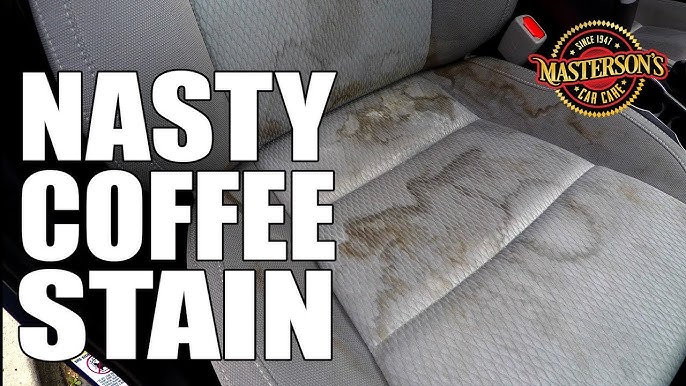
Image Source: i.ytimg.com
Immediate Action: Tackling Fresh Coffee Spills
The most critical factor in successful coffee stain removal is acting quickly. The sooner you address a spill, the less time the coffee has to set into the fabric.
Blot, Don’t Rub!
When a spill occurs, your first instinct might be to grab a cloth and start scrubbing. However, this is a common mistake. Rubbing can spread the stain and push the coffee deeper into the upholstery fibers.
- Grab a clean, dry cloth or paper towels immediately.
- Gently blot the affected area. Start from the outside of the spill and work your way inwards. This helps to contain the stain and prevent it from spreading further.
- Continue blotting with fresh sections of the cloth until no more coffee is being absorbed.
Cold Water Rinse (If Possible)
For fresh spills, a quick rinse with cold water can be very effective.
- Slightly dampen a clean cloth with cold water.
- Gently blot the stained area again. Avoid saturating the fabric.
- Continue blotting with a dry cloth to absorb the excess moisture.
Essential Cleaning Solutions for Coffee Stains
When blotting and water aren’t enough, it’s time to bring out the cleaning solutions. There are several effective options, ranging from DIY mixtures to specialized products.
Mild Dish Soap Solution
This is a gentle yet effective solution for many types of stains, including coffee.
Ingredients:
- 1 tablespoon mild dish soap
- 2 cups of warm water
Instructions:
- Mix the dish soap and warm water in a bowl or spray bottle.
- Dampen a clean cloth with the solution.
- Gently blot the coffee stain with the damp cloth.
- Let the solution sit for a few minutes to break down the stain.
- Blot with a clean, damp cloth (water only) to rinse the area.
- Dry thoroughly with a clean, dry towel.
White Vinegar Solution
White vinegar is a natural disinfectant and deodorizer, making it a great choice for car upholstery cleaning. It can help lift stains and neutralize odors.
Ingredients:
- 1 part white vinegar
- 1 part water
Instructions:
- Combine equal parts white vinegar and water in a spray bottle.
- Spray the solution lightly onto the stained area.
- Let it sit for about 5-10 minutes.
- Gently blot the stain with a clean cloth.
- Rinse by blotting with a cloth dampened with plain water.
- Dry the area thoroughly.
Baking Soda Paste
Baking soda is an excellent absorbent and mild abrasive that can help lift stains and eliminate odors. It’s particularly useful for stubborn coffee stains.
Ingredients:
- Baking soda
- Water
Instructions:
- Mix baking soda with a small amount of water to create a thick paste.
- Apply the paste directly onto the coffee stain, ensuring it covers the entire mark.
- Let the paste dry completely (this may take a few hours). As it dries, it will draw the coffee out of the fabric.
- Once dry, gently brush or vacuum away the baking soda.
- If any residue remains, blot with a damp cloth.
- Dry the area thoroughly.
Choosing the Right Car Seat Stain Remover
While DIY solutions are often effective, sometimes a dedicated car seat stain remover or fabric cleaner for car seats is necessary, especially for older or tougher stains.
Types of Commercial Cleaners
- Upholstery Cleaners: These are specifically formulated for fabric surfaces in vehicles. They often come in spray or foam formulations.
- All-Purpose Interior Cleaners: Some all-purpose cleaners can also be effective for fabric stains, but always check the product label to ensure it’s safe for your car’s upholstery type.
- Enzyme Cleaners: These are particularly good at breaking down organic stains like coffee and can also help to get rid of coffee odor.
How to Use Commercial Cleaners
- Test in an inconspicuous area: Before applying any cleaner to the main stain, test it on a hidden spot of the upholstery (e.g., under the seat or on the back of a headrest) to ensure it doesn’t cause discoloration or damage.
- Follow product instructions carefully: Each cleaner will have specific directions for use. Read and adhere to them for best results.
- Apply the cleaner: Usually, you’ll spray the cleaner onto the stain or apply it with a cloth.
- Agitate gently: Some cleaners may require light agitation with a soft brush or cloth to work the product into the fibers.
- Blot and Rinse: Blot the area with a clean, damp cloth to remove the cleaner and the lifted stain. You may need to repeat this rinsing step.
- Dry thoroughly: Ensure the area is completely dry to prevent mildew or mold.
Advanced Techniques for Stubborn Coffee Stains
When the usual methods don’t fully remove the stain, these advanced techniques can help tackle stubborn coffee stains.
Rubbing Alcohol (Isopropyl Alcohol)
Rubbing alcohol can be effective at dissolving certain types of stains.
Caution: Test in an inconspicuous area first, as alcohol can sometimes affect certain dyes.
Instructions:
- Dampen a clean cloth with rubbing alcohol (70% isopropyl alcohol is usually sufficient).
- Gently blot the stain.
- Work from the outside in.
- Blot with a clean, damp cloth to rinse.
- Dry thoroughly.
Hydrogen Peroxide (For Light-Colored Upholstery)
Hydrogen peroxide is a mild bleaching agent and can be effective on light-colored fabrics. Use with extreme caution on dark or colored upholstery as it can cause bleaching.
Caution: Always test in an inconspicuous area first. Do not use on leather or vinyl.
Ingredients:
- 3% hydrogen peroxide solution
- Clean cloths
Instructions:
- Apply a small amount of hydrogen peroxide to a clean cloth.
- Gently dab the stain. Do not saturate the fabric.
- Let it sit for a minute or two.
- Blot with a clean, damp cloth to rinse.
- Dry thoroughly.
Specialized Stain Removers for Specific Upholstery Types
- Fabric vs. Leather: The methods for cleaning fabric seats differ greatly from those for leather seats. This guide focuses on fabric. For leather, use specialized leather cleaners and conditioners.
- Microfiber Upholstery: Microfiber can be sensitive. Use cleaners specifically designed for microfiber or a very gentle approach with minimal water.
How to Clean Coffee Spills: A Step-by-Step Guide
Here’s a consolidated approach for effectively dealing with coffee spills and removing the stains. This is a great method for DIY car seat cleaning.
Step 1: Immediate Blotting
- As soon as the spill happens, grab clean cloths or paper towels.
- Blot the spill from the outside in. Do not rub.
- Absorb as much liquid as possible.
Step 2: Cold Water Rinse (Gentle Blotting)
- Slightly dampen a clean cloth with cold water.
- Gently blot the stained area to dilute the remaining coffee.
- Blot with a dry cloth to absorb moisture.
Step 3: Apply Your Chosen Cleaning Solution
- For general stains: Use the mild dish soap and water solution.
- For slight odors or tougher stains: Use the white vinegar and water solution.
- For dried or stubborn stains: Consider the baking soda paste.
Step 4: Gently Agitate (If Necessary)
- For some cleaners, you might need to gently work the solution into the stain.
- Use a soft-bristled brush or a clean cloth. Be careful not to damage the upholstery fibers.
Step 5: Rinse the Area
- Dampen a clean cloth with plain water.
- Gently blot the cleaned area to remove any residue from the cleaning solution. This is crucial to prevent water spots or residue buildup.
Step 6: Dry Thoroughly
- Use clean, dry towels to blot up as much moisture as possible.
- You can also use a fan or open the car doors on a warm, dry day to speed up the drying process.
- Avoid sitting on the damp seat until it’s completely dry.
Getting Rid of Coffee Odor
Sometimes, even after the stain is gone, a faint coffee smell can linger. Here’s how to get rid of coffee odor:
- Baking Soda: Sprinkle a generous amount of baking soda over the cleaned area and let it sit overnight. Vacuum it up thoroughly.
- White Vinegar: The vinegar solution mentioned earlier also helps neutralize odors.
- Activated Charcoal: Place a few pouches of activated charcoal in your car. They are excellent at absorbing lingering smells.
- Commercial Odor Eliminators: Look for interior car cleaners or odor eliminators specifically designed to tackle lingering smells.
What to Avoid When Cleaning Car Seats
To ensure you don’t damage your car’s upholstery, be aware of common mistakes:
Avoid Harsh Chemicals
- Bleach, ammonia, and strong solvents can damage or discolor upholstery. Always opt for milder cleaners.
Don’t Over-Saturate
- Using too much water can lead to mold, mildew, and damage to the seat’s backing. Work with damp cloths, not soaking wet ones.
Avoid Excessive Scrubbing
- Vigorous scrubbing can fray or tear delicate upholstery fibers. Gentle blotting and dabbing are key.
Don’t Use Hot Water on Protein Stains
- While not directly a coffee stain issue, hot water can “set” protein-based stains (like milk in coffee). Stick to cold or lukewarm water.
Car Interior Cleaning Tips for Long-Term Care
Maintaining your car’s interior involves more than just spot cleaning. Here are some car interior cleaning tips to keep it looking great.
Regular Vacuuming
- Vacuum your car seats and floor mats regularly to remove loose dirt and debris that can grind into the fabric.
Keep a Cleaning Kit Handy
- Consider keeping a small kit with microfiber cloths, paper towels, and a mild cleaning spray in your car for immediate spill response.
Protect Your Seats
- For frequent coffee drinkers, consider using seat covers, especially for longer journeys.
Professional Detailing
- Periodically, a professional car detailing can work wonders, especially for deep cleaning and removing ingrained dirt and stains you might miss.
Frequently Asked Questions (FAQ)
Q: How long does it take to dry a car seat after cleaning?
A: Drying time can vary depending on humidity, temperature, and how much liquid was used. It can take anywhere from a couple of hours to overnight. Ensure it’s completely dry before using the seat to prevent mildew.
Q: Can I use a carpet cleaner on my car seats?
A: Yes, many carpet cleaners are safe for car upholstery, as car carpets and seats are often made from similar materials. However, always test in an inconspicuous area first to ensure compatibility.
Q: What is the best way to remove old, set-in coffee stains?
A: For old, set-in stains, you might need to repeat the cleaning process a few times. A paste of baking soda and water, or a dedicated upholstery cleaner, followed by gentle agitation and thorough rinsing, is often effective. You may also need to try the rubbing alcohol method.
Q: My coffee had milk or creamer in it. Does that change how I clean it?
A: Yes, dairy can make stains more stubborn. Using an enzyme-based cleaner can be particularly effective here, as enzymes break down organic matter like milk proteins. A mild dish soap solution can also help with the greasy component.
Q: Can I use a steam cleaner on my car seats?
A: Steam cleaners can be very effective for deep cleaning and sanitizing car seats. However, use a upholstery attachment and avoid over-saturating the fabric. Ensure good ventilation for drying. Always check your car’s upholstery manual if available.
By following these steps and tips, you can confidently tackle coffee stains and keep your car seats looking clean and smelling fresh. Remember, quick action and the right techniques are your best allies in coffee stain removal.