Yes, you can trade in your car without a physical title, but it’s not as straightforward as walking into a dealership with your keys. The process generally involves obtaining a duplicate title or proving ownership in an alternative way recognized by the dealership and the state. This can be a bit of a hurdle, but with the right information, you can navigate selling a car without a title successfully.
Owning a car comes with responsibilities, and one of the most critical is maintaining your vehicle’s title. The title is proof of ownership, a legal document that signifies you have the right to possess and sell your vehicle. But what happens when that crucial document goes missing? Many people find themselves in this predicament, wondering about vehicle title issues and how they impact their ability to sell or trade in their car. The good news is that having a lost car title doesn’t necessarily mean your car is untradeable.
Navigating a titleless car sale can seem daunting, but it’s a common scenario. Dealerships need assurance of ownership before they can process a trade-in. Without a title, they can’t legally transfer the vehicle to their name. This is why the process often involves demonstrating your legal right to the car through other means, such as applying for a duplicate car title or providing alternative proof of ownership. This blog post will guide you through the ins and outs of trading in your car when your title is missing, covering how to replace lost title and what alternatives exist for a smooth transaction.
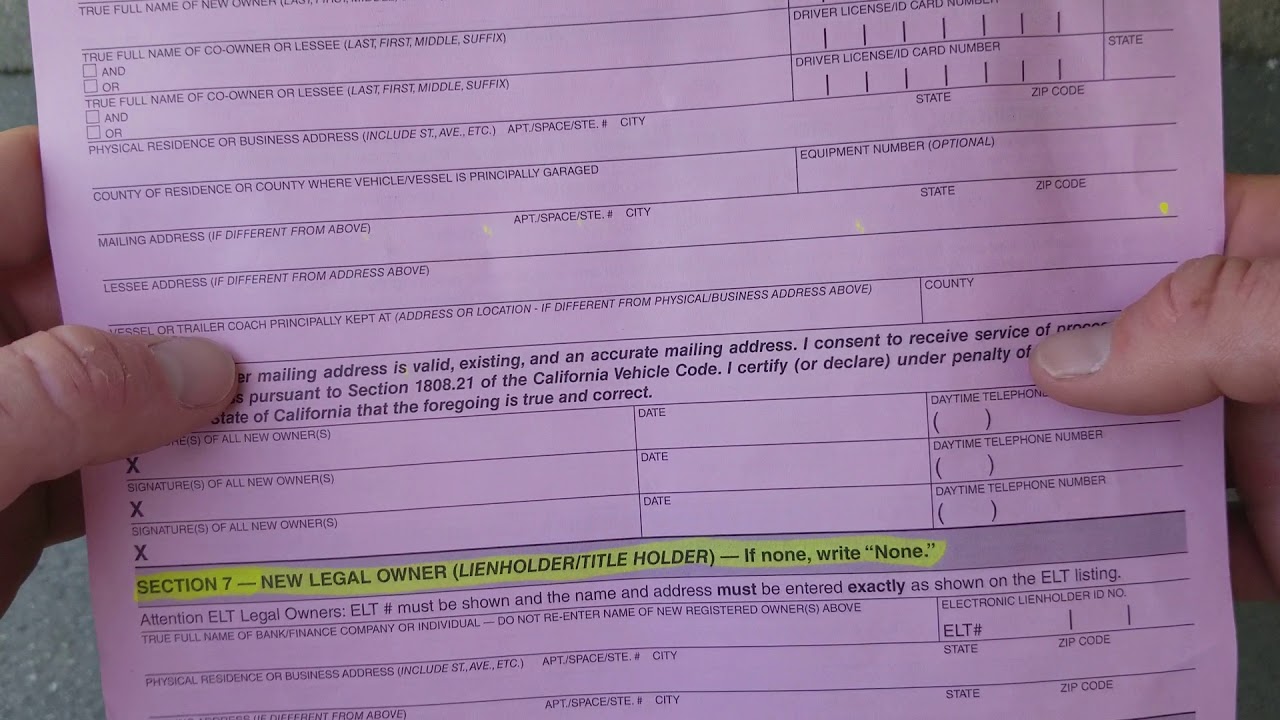
Image Source: i.ytimg.com
Why the Title is So Important for Trade-Ins
The vehicle title is the linchpin of any car sale or trade-in. It’s the official document that proves you legally own the car. Think of it as the deed to your house, but for your vehicle. Without it, a dealership cannot:
- Verify Ownership: They need to be certain you are the rightful owner and have the authority to sell.
- Transfer Title: The title is required to legally transfer ownership from you to the dealership.
- Register the Vehicle: The dealership needs the title to register the car in their name or to sell it to a new buyer.
- Avoid Legal Complications: Selling a car without a title can lead to legal issues for both the seller and the buyer, including potential fraud claims.
This is why dealerships are often hesitant to accept a car for trade-in if the seller cannot produce the title. They are essentially taking a risk if they don’t have the proper documentation.
The Dealership’s Perspective
From a dealership’s viewpoint, a missing title represents a significant risk. They are in the business of buying and selling vehicles legally and efficiently.
- Inventory Management: Every car on their lot needs to be properly titled to be sold.
- Legal Compliance: They must adhere to state and federal regulations regarding vehicle sales.
- Customer Assurance: Buyers expect to receive a properly titled vehicle.
Therefore, while they might be interested in your car, they will insist on proper documentation before making a deal.
What to Do When Your Car Title is Lost
The most common and recommended solution when you have a lost car title is to apply for a duplicate car title. This process varies slightly by state, but the general steps are similar. It’s the most straightforward way to get the necessary documentation to proceed with your trade-in.
Step 1: Identify Your State’s Motor Vehicle Agency
Each state has its own department responsible for vehicle registration and titles. This might be called the Department of Motor Vehicles (DMV), Registry of Motor Vehicles (RMV), Department of Licensing (DOL), or something similar. You’ll need to visit their website or go to a local office to get the correct forms and information.
Step 2: Gather Necessary Information
To apply for a duplicate title, you’ll typically need:
- Proof of Identity: A valid driver’s license or state-issued ID.
- Vehicle Information: The Vehicle Identification Number (VIN), make, model, and year of the car.
- Proof of Ownership (if possible): While you don’t have the title, any other documents that help prove your ownership can be beneficial, such as past registration documents or insurance papers.
- Application Form: The specific form provided by your state’s motor vehicle agency for a duplicate title.
- Fee: There’s usually a small fee associated with issuing a duplicate title.
Step 3: Complete and Submit the Application
Fill out the application form accurately and completely. You can often download these forms from your state’s motor vehicle agency website and submit them online, by mail, or in person.
Step 4: Wait for the Duplicate Title
The processing time for a duplicate title can vary. It might take a few days to several weeks, depending on your state’s efficiency. Once you receive the duplicate title, you can then proceed with trading in your car at a dealership.
This is the most reliable method for a car title replacement and will satisfy any dealership’s requirements.
Can You Sell a Car Without a Title? Alternative Options
While getting a duplicate title is the best route, sometimes you need to explore other avenues, especially if time is of the essence or you’re facing unique circumstances. Here are some alternative options for selling a car without a title:
1. VIN Trace and Bill of Sale
In some cases, especially with older vehicles or specific dealership policies, you might be able to present alternative documentation. This could involve:
- VIN Trace: This is a report that shows the vehicle’s history and can sometimes be used as supporting documentation of ownership, especially if you have maintained continuous insurance and registration.
- Bill of Sale: A detailed bill of sale that clearly outlines the transaction details, including the VIN, your information, the buyer’s information, the sale price, and a statement of your ownership. This is crucial for documenting the transfer.
However, many dealerships will be very reluctant to accept a trade-in based solely on this, as it doesn’t provide the legal transferability of a title.
2. Lien Release and Duplicate Title Application
If you still owe money on your car and the lender held the title, you’ll need to settle the loan. Once the loan is paid off, the lender will release the lien and provide you with the title (or their portion of it, depending on the state). If you still can’t find it after that, you’ll proceed with the duplicate title process.
3. Dealing with a Salvage Title
If your car has a salvage title, this adds another layer of complexity. A salvage title indicates the vehicle has been declared a total loss by an insurance company due to damage (flood, accident, etc.). While you can still sell or trade in a car with a salvage title, dealerships will offer significantly less for it. You still need the title, even if it’s a salvage title, to make the transaction. The process of obtaining a duplicate salvage title follows the same steps as a regular duplicate title application.
4. Power of Attorney
In very specific situations, if the actual titleholder is unable to be present, they can grant power of attorney to another person. This allows that person to act on their behalf, including signing the title for a sale or trade-in. This requires proper legal documentation and is usually only applicable when the registered owner is incapacitated or unavailable.
5. Bonded Title
For those who cannot prove ownership sufficiently to get a duplicate title, a bonded title might be an option. This involves obtaining a surety bond that protects the state and potential future owners from any claims against the vehicle’s title. The process for a bonded title is complex and varies significantly by state. It’s generally a last resort.
Trading In a Car with Missing Paperwork: What Dealerships Look For
Even if you don’t have the physical title in hand, dealerships will still assess your car for its trade-in value. They’ll typically perform a thorough inspection, check the VIN against databases for theft or liens, and assess its market value. However, they will also be evaluating your ability to provide the necessary documentation for the transfer.
Key Factors Dealerships Consider:
- Proof of Ownership: How convincingly can you demonstrate you own the car?
- VIN History: Is the VIN clean? Are there any reports of theft, salvage, or outstanding liens?
- Your Willingness to Obtain a Title: Are you actively working to get a duplicate title?
The Importance of Being Honest and Transparent
When dealing with a missing car title, honesty is the best policy. Inform the dealership upfront about your situation. They can guide you on what they will and will not accept and what steps you need to take. Trying to hide the fact that you don’t have the title will likely lead to complications and a breakdown of trust.
A dealership might be willing to work with you if you demonstrate a clear plan to obtain the necessary documentation. For example, if you’ve already applied for a duplicate title, you can show them the application receipt or confirmation.
How to Sell a Car Without a Title Privately
Selling a car privately when you don’t have the title is even more challenging than trading it in at a dealership. Private buyers are often less experienced with vehicle title issues and may be wary of purchasing a car without a clean title in hand.
- Buyer Hesitation: Most private buyers want to drive away with the car and the title. A missing title creates a major red flag.
- Legal Responsibility: As the seller, you are responsible for ensuring the buyer receives a properly transferred title.
- Potential for Scams: Buyers might suspect you don’t have the right to sell the car.
If you’re selling privately without a title, you’ll almost certainly need to obtain a duplicate title before the sale is finalized. This ensures the buyer receives clear ownership.
Navigating Vehicle Title Issues in Different States
The specifics of obtaining a duplicate title and the rules surrounding selling a car without a title can vary significantly from state to state.
State-Specific Examples:
- California: The California Department of Motor Vehicles (DMV) requires a completed Application for Duplicate or Transfer of Title (REG 227). They also have options for lost or stolen plates and registration cards.
- Texas: The Texas Department of Motor Vehicles (TxDMV) uses a similar process. You’ll need to fill out a Application for a Certified Copy of Title (Form VTR-34).
- New York: The New York State Department of Motor Vehicles (DMV) handles car title replacement. You’ll typically need to complete a MV-902 (Application for Duplicate Title).
It’s crucial to check your specific state’s DMV website for the most accurate and up-to-date information regarding replacement of a lost title.
The Cost and Time Involved in Getting a Duplicate Title
Applying for a duplicate title usually involves a modest fee, typically ranging from $10 to $50, depending on the state. The main “cost” in terms of getting your car traded in without a title is the time it takes to obtain the duplicate. This can range from a few days to several weeks.
Factors Affecting Processing Time:
- State Agency Workload: High volume can lead to longer wait times.
- Completeness of Application: Errors or missing information will cause delays.
- Mail Delivery Times: If you’re not applying in person.
What If I Can’t Wait for a Duplicate Title?
If you absolutely cannot wait for a duplicate title and need to dispose of the vehicle quickly, you might consider:
- Selling to a Junkyard or Scrap Metal Dealer: These businesses may be willing to buy vehicles without titles, especially if they are being sold for parts or scrap. However, they will still need some form of identification and proof of ownership.
- Donating the Vehicle: Some charities accept vehicle donations even without a title, but they will have specific requirements and procedures to follow.
These options will generally yield significantly less money than trading in a properly titled vehicle at a dealership.
What About Salvage Title Car Sale Without a Title?
If you’re dealing with a salvage title car sale, the requirement for a title remains the same. You still need the salvage title to transfer ownership legally. The process for obtaining a duplicate salvage title is the same as for a standard vehicle. Dealerships will be even more cautious with salvage vehicles due to their history, so having all the proper documentation is paramount.
Frequently Asked Questions (FAQ)
Can I trade in my car if I lost the title?
Yes, you can, but you will need to obtain a duplicate title from your state’s motor vehicle agency first. Some dealerships might have limited options for you to proceed without one, but it’s uncommon and often involves significant risk for the dealership.
How long does it take to get a duplicate car title?
Processing times vary by state, but it typically takes anywhere from a few days to several weeks. It’s best to check with your local Department of Motor Vehicles (DMV) for an estimated timeframe.
What documents do I need to replace a lost title?
You’ll generally need a valid ID, proof of vehicle ownership (like registration or insurance papers), the vehicle’s VIN, and a completed application form from your state’s motor vehicle agency. There will also be a fee.
Will a dealership buy my car if I don’t have the title right away?
Some dealerships might hold a car for you if you can show proof that you have applied for a duplicate title and are in the process of obtaining it. However, many will require the title to be in hand before they finalize the trade-in.
Is it possible to sell a car without a title at all?
While it’s technically possible in some very specific, often informal situations, it’s highly discouraged and legally risky for both the buyer and seller. For any legitimate sale or trade-in, the title is essential.
What if the title is in someone else’s name?
If the title is in someone else’s name (e.g., a family member who has passed away or a previous owner), you will need to work with them or their estate to legally transfer ownership to you first, or have them sign over the title to the dealership.
By understanding the importance of the vehicle title and knowing the steps to take when it’s lost, you can successfully navigate the process of trading in your car. The key is always preparation and proper documentation.