How to remove pollen from a car? The best way to remove pollen from your car is to use a gentle wash with car-specific soap and water, followed by thorough drying. This guide will walk you through the most effective methods for car pollen removal to keep your vehicle looking its best.
Spring pollen can be a beautiful reminder of nature’s reawakening, but it can quickly turn into a frustrating yellow dust coating your car. This sticky, pervasive substance can be a real nuisance for car owners. Fortunately, with the right approach, you can effectively clean pollen off car surfaces and maintain a sparkling finish. We’ll explore various techniques, from a quick rinse to a more thorough cleaning, to tackle this seasonal problem.
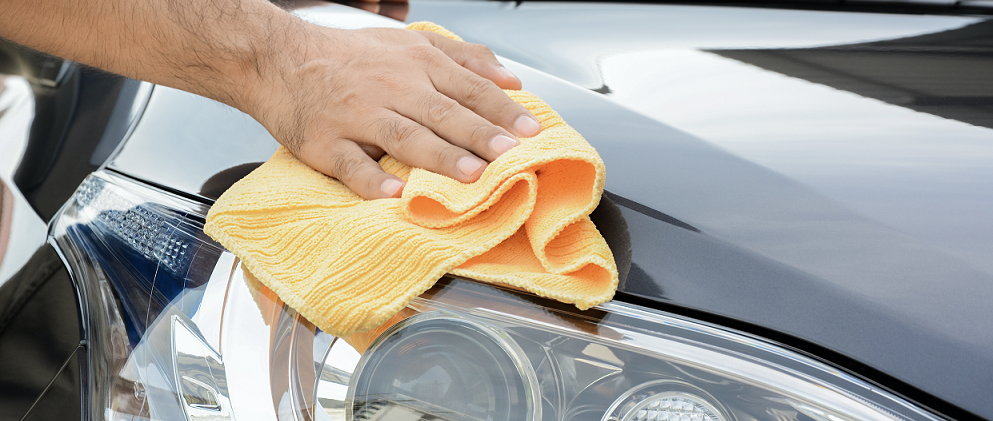
Image Source: static.foxdealer.com
Why Pollen Sticks to Cars
Before diving into how to wash pollen off car surfaces, it’s helpful to understand why it adheres so stubbornly. Pollen grains are incredibly small and often have a slightly sticky outer coating. This makes them cling to surfaces, especially if those surfaces are already a bit dirty or damp. The electrostatic charge that can build up on a car’s paintwork can also attract pollen. When pollen mixes with moisture, like dew or rain, it can form a sticky film, making it harder to remove without the proper techniques. This is why sometimes a simple dry wipe can actually spread the pollen further, making the problem worse.
The Best Way to Remove Pollen: A Step-by-Step Guide
Achieving a spotless car after a bout of pollen requires more than just a quick spray. It involves a systematic approach to ensure all traces are gone without damaging your car’s paint.
H3: Gather Your Supplies
Before you begin the car pollen removal process, ensure you have the necessary tools and products on hand. This will make the entire cleaning experience smoother and more effective.
- Two Buckets: One for soapy water and one for rinsing your wash mitt. This is crucial for preventing dirt and pollen from being redeposited onto your car.
- pH-Neutral Car Wash Soap: Using a soap specifically designed for cars prevents damage to your paint’s protective layers.
- Soft Wash Mitts: Microfiber or lambswool mitts are gentle and effective at lifting dirt and pollen.
- Microfiber Drying Towels: Plush, absorbent microfiber towels are essential for streak-free drying.
- Hose with a Spray Nozzle: For rinsing away loose pollen and soap.
- Optional: Wheel Cleaner and Brushes: If your wheels are also covered in pollen.
- Optional: Bug and Tar Remover: Sometimes pollen can be mixed with other stubborn contaminants.
- Optional: Quick Detailer Spray: For a final shine and added protection.
H3: Pre-Rinse for Maximum Pollen Removal
This is arguably the most critical step in how to wash pollen off car efficiently. A good pre-rinse loosens and removes the bulk of the pollen before you even touch the paint with a wash mitt.
- Hose Down the Entire Vehicle: Start from the top of your car and work your way down. Use a steady stream of water, not a high-pressure jet, to rinse away as much surface pollen as possible.
- Pay Attention to Grilles and Nooks: Gently spray water into areas like the front grille, air vents, and panel gaps where pollen can accumulate.
H3: The Two-Bucket Wash Method
This method is considered the best way to remove pollen and other contaminants without scratching your paint.
- Fill Bucket 1 with Car Wash Soap and Water: Mix your pH-neutral car wash soap with water according to the product’s instructions.
- Fill Bucket 2 with Clean Water: This is your rinsing bucket for the wash mitt.
- Wash from Top to Bottom: Dip your wash mitt into the soapy water. Start washing the roof of your car, then move to the hood, trunk, upper door panels, and finally the lower body panels and bumpers. This ensures you’re working with the cleanest parts of the car first.
- Rinse the Mitt Frequently: After washing a small section, dip your wash mitt into the clean water bucket and agitate it to release the trapped pollen and dirt. This prevents you from spreading the grime back onto the paint.
- Return to Soapy Water: Once the mitt is rinsed, dip it back into the soapy water bucket for the next section.
- Rinse Sections as You Go: Don’t let the soap dry on the car. Rinse each section thoroughly with clean water after washing it.
H3: Dealing with Stubborn Pollen Residue on Car
Sometimes, even after a thorough wash, you might notice a faint yellow haze or sticky pollen residue on car surfaces. This often happens when pollen has been on the car for a while or has been exposed to heat.
- Gentle Scrubbing with a Microfiber Towel: For areas with lingering residue, dampen a clean microfiber towel with water or a diluted quick detailer spray. Gently wipe the area in a straight line, avoiding circular motions, to lift the remaining pollen.
- Specialized Pollen Cleaner for Car: If the residue is particularly stubborn, you might consider a pollen cleaner for car product. These are often designed to break down the sticky components of pollen without harming the paint. Always test these products in an inconspicuous area first.
H3: Drying Your Car Properly
Drying is as important as washing. Improper drying can lead to water spots and streaks, especially on a car that has been covered in pollen.
- Use High-Quality Microfiber Drying Towels: These towels are designed to absorb a large amount of water quickly and safely.
- Blot, Don’t Rub: Gently lay the drying towel on the surface and blot up the water. You can also use a gliding motion, but avoid vigorous rubbing, which can push around any remaining pollen particles.
- Work from Top to Bottom: Just like washing, start drying from the roof and work your way down.
- Use Multiple Towels: Switch to a dry towel as the current one becomes saturated.
H3: Polishing and Protecting Your Car’s Finish
Once your car is clean and dry, you might want to take it a step further, especially after a heavy spring pollen car cleaning.
- Apply a Quick Detailer: A quick detailer spray can add extra shine and help repel future dust and pollen. Spray it onto a clean microfiber towel and wipe down the surfaces.
- Consider a Wax or Sealant: For longer-lasting protection, applying a car wax or paint sealant will create a barrier that makes it harder for pollen and other contaminants to stick. This is an excellent part of car detailing pollen removal, ensuring your efforts last.
DIY Car Pollen Removal Techniques
You don’t always need professional services to achieve a pollen-free car. These DIY car pollen removal methods can be quite effective.
H4: The Waterless Wash Method (For Light Pollen)
If your car has a light dusting of pollen and no heavy grime, a waterless wash can be a quick and efficient solution.
- Use a High-Quality Waterless Wash Product: These sprays are designed to encapsulate dirt and pollen, lifting them from the surface so they can be safely wiped away.
- Work in Small Sections: Spray the product generously onto one small area of your car at a time.
- Gently Wipe with a Clean Microfiber Towel: Use a clean microfiber towel to gently wipe in one direction.
- Fold and Flip Towels Frequently: As the towel picks up pollen, fold it to expose a clean surface. Switch to a new towel when one side is soiled.
- Follow Up with a Drying Microfiber Towel: Buff the area to a shine with a separate, clean microfiber towel.
Caution: This method is best for light pollen accumulation. If your car is heavily coated, the two-bucket wash method is safer to prevent scratches.
H4: Using a Leaf Blower for Initial Removal
For a significant amount of pollen, especially on a dry day, a leaf blower can be a surprisingly effective tool for the initial removal phase.
- Use on Dry Surfaces Only: This method is best before you introduce water.
- Start from the Top: Blow the pollen off the roof, hood, and trunk first.
- Work Your Way Down: Blow the pollen off the sides and lower panels.
- Be Mindful of Wind: If it’s windy, you might just be blowing pollen onto other cars or back onto your own.
Note: A leaf blower will not remove all the pollen, especially any sticky residue. It’s a preparatory step before washing.
H4: Tackling Pollen on Interior Surfaces
Pollen doesn’t just stick to the outside; it can easily find its way into your car’s interior.
- Vacuum Thoroughly: Use a vacuum cleaner with appropriate attachments to clean carpets, floor mats, seats, and dashboard surfaces.
- Wipe Down Surfaces: Use an interior cleaner and a microfiber cloth to wipe down the dashboard, center console, door panels, and steering wheel.
- Clean Windows and Mirrors: Use a good glass cleaner and a dedicated glass microfiber cloth for streak-free results.
- Change Your Cabin Air Filter: If pollen is a constant issue, consider changing your cabin air filter. A clogged filter won’t effectively trap airborne pollen, allowing it to enter your car’s interior.
Specific Areas to Focus On During Car Pollen Cleaning
Certain parts of your car tend to collect more pollen than others. Paying extra attention to these areas will ensure a more thorough car pollen removal.
H5: The Front Grille and Bumper
These areas are the first to encounter airborne pollen and debris.
- Pre-rinse Aggressively: Use a strong stream of water to dislodge pollen from the grille openings.
- Use a Soft Brush: A soft-bristled detailing brush can help agitate pollen in tight spaces of the grille.
H5: Windshield and Windows
Visibility is key, and a film of pollen can significantly impair it.
- Wash with Soapy Water: Include windows in your regular wash.
- Glass Cleaner for Streak-Free Finish: After drying, a good glass cleaner will remove any lingering haze or streaks.
H5: Door Jambs and Seals
Pollen can get trapped in the areas where doors, hood, and trunk meet the car body.
- Wipe with a Damp Cloth: After washing the exterior, use a separate damp microfiber cloth to wipe down the door jambs and seals.
Products for Pollen Cleaner for Car Needs
When selecting products, consider those specifically formulated for automotive use to avoid damage.
| Product Type | Purpose | Key Features |
|---|---|---|
| pH-Neutral Car Soap | Safely cleans dirt and pollen without stripping wax or sealant. | Gentle, high-foaming, biodegradable options available. |
| Microfiber Wash Mitt | Lifts and traps dirt and pollen effectively and gently. | Plush, non-abrasive, available in various materials. |
| Microfiber Drying Towels | Absorbs water quickly for a streak-free, scratch-free finish. | High GSM (Grams per Square Meter), edgeless designs. |
| Waterless Wash Spray | Cleans light dust and pollen without water. | Encapsulates dirt, adds shine, convenient for quick touch-ups. |
| Quick Detailer Spray | Enhances shine, removes light dust, and provides a slick surface. | Enhances gloss, can offer some UV protection. |
| Bug & Tar Remover | Dissolves stubborn, sticky residues that can trap pollen. | Formulated to break down tough automotive contaminants. |
Spring Pollen Car Cleaning: Maintaining Your Vehicle
The spring pollen car cleaning season requires a more vigilant approach to car care.
H4: Regular Washing is Key
Don’t wait for a thick layer of pollen to accumulate. Regular washing, even a quick rinse every few days, can prevent it from becoming a more challenging problem.
H4: Protective Coatings
Applying a ceramic coating or a good quality wax can create a slick, hydrophobic surface that makes it harder for pollen to adhere. If pollen does stick, it will be much easier to wash off.
H4: Interior Air Filtration
As mentioned, a clean cabin air filter is crucial for maintaining good air quality inside your car and preventing pollen from entering.
Pollen Dusting Car: What to Avoid
When dealing with pollen dusting car surfaces, there are a few things you should definitely avoid to protect your paint.
H5: Dry Wiping with a Dirty Cloth
Never attempt to wipe pollen off your car with a dry paper towel or a dirty cloth. This will only grind the abrasive pollen particles into your paint, causing micro-scratches.
H5: Using Household Cleaners
Avoid using dish soap, window cleaners (unless specifically for cars), or other household detergents. These can strip your car’s protective layers and potentially damage the paint.
H5: Automatic Car Washes with Swirl Brushes
While convenient, some automatic car washes use brushes that can trap pollen and dirt, leading to scratches and swirls on your paintwork. Touchless automatic washes are a better alternative if you choose this route.
Frequently Asked Questions (FAQ)
Here are some common questions people have about removing pollen from their cars:
Q1: Can I just hose down my car to remove pollen?
A1: Hosing down your car is a good first step to remove loose pollen, especially before washing. However, it will not remove all the pollen, particularly any sticky residue. A proper wash with soap and a wash mitt is still recommended for a complete clean.
Q2: How often should I wash my car during pollen season?
A2: During peak pollen season, it’s advisable to wash your car more frequently, perhaps every 5-7 days, or even more often if you notice significant pollen accumulation.
Q3: Will pollen damage my car’s paint?
A3: Pollen itself is not inherently corrosive, but when it mixes with moisture (dew, rain) and sits on the paint for extended periods, it can create a film that traps dirt and moisture. This combination, especially with UV exposure, can potentially etch the clear coat over time, leading to dullness or light scratches if not removed.
Q4: Is there a specific “pollen cleaner for car” that is better than car soap?
A4: While specialized pollen cleaners exist and can be effective for stubborn residue, a good quality pH-neutral car wash soap is usually sufficient for regular pollen removal. Always follow the product instructions carefully.
Q5: Can I use a leaf blower to clean pollen off my car?
A5: Yes, a leaf blower can be a useful tool for removing loose, dry pollen from your car before washing. However, it won’t remove all the pollen, especially any sticky residue, and should be followed by a wash. Ensure the car is dry when using a leaf blower to avoid simply pushing wet pollen around.
By following these tips, you can effectively tackle pollen and keep your car looking clean and well-maintained throughout the pollen season. Regular cleaning and protective measures are your best allies against the persistent yellow dust.