Image Source: blog.napacanada.com
How Cold Can You Wash Your Car Safely?
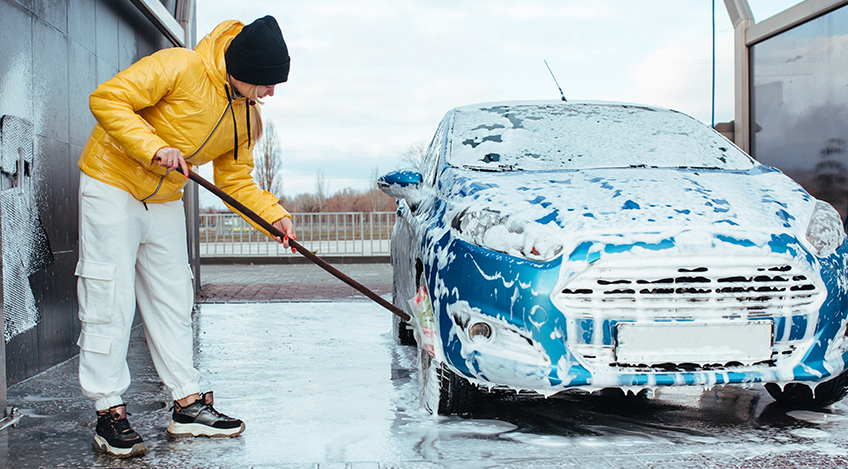
Yes, you can wash your car when it’s cold, but there are definite limits and precautions to take. Washing your car in freezing temperatures requires careful attention to detail and the right approach to avoid damaging your vehicle or creating hazardous conditions.
The allure of a clean car doesn’t disappear with the arrival of winter. Many car owners wonder, “Can I wash my car below freezing?” The answer is generally yes, but with significant caveats. A proper winter car wash involves more than just grabbing a bucket and hose. It’s about understanding the risks associated with freezing temperatures car wash procedures and implementing strategies to mitigate them. This guide will delve into the specifics of washing car in winter, offering comprehensive car washing tips winter to ensure your vehicle remains in pristine condition, even when the mercury plummets.
The Risks of Washing Your Car in Cold Weather
Washing your car when it’s cold presents a unique set of challenges. The primary concern is water freezing on surfaces, which can lead to several problems:
- Ice Formation: Water left on your car’s paint, windows, door locks, and seals can freeze. This ice can expand, potentially cracking paint or damaging rubber components.
- Door Locks and Handles Freezing Shut: If water gets into your door locks or around handles and then freezes, you might find yourself unable to open your car.
- Wiper Blades Sticking: Water can freeze your wiper blades to the windshield, and attempting to use them can tear or damage the rubber.
- Frozen Washer Fluid Nozzles: If you use your washer fluid in freezing temperatures and the nozzles freeze, you won’t be able to clear your windshield.
- Slippery Surfaces: Water runoff can create ice patches on your driveway, sidewalk, or in the car wash bay, posing a slip hazard for you and others.
- Damage to Car Wash Equipment: For commercial car washes, extreme cold can damage their equipment if not properly maintained and winterized.
Determining the “Too Cold” Threshold
So, when is it too cold to wash car? While there isn’t a single universal temperature, a good rule of thumb is to avoid washing your car when the ambient temperature is consistently below freezing (32°F or 0°C). However, even slightly above freezing can be problematic if the conditions are humid or the water doesn’t dry quickly.
Here’s a breakdown of temperature considerations for low temperature car wash:
- Below 25°F (-4°C): Generally considered too cold for most DIY car washing. The risk of ice formation is very high, and water will freeze rapidly on surfaces.
- 25°F to 32°F (-4°C to 0°C): Possible, but requires extreme caution. You need to ensure all water is thoroughly dried immediately after washing. Focus on using warmer water and avoiding direct wind.
- Above 32°F (0°C): More manageable, but still requires care. Pay close attention to drying and preventing water from pooling in crevices.
Car wash safety cold weather is paramount. If you’re unsure, it’s always better to err on the side of caution and wait for warmer temperatures.
The Best Way to Wash Car in Winter: A Step-by-Step Approach
For those times when a wash is necessary, or you simply enjoy cold weather car detailing, follow these steps to minimize risks:
1. Choose the Right Time and Location
- Time of Day: Opt for the warmest part of the day. Midday, when the sun is highest, is often the best choice.
- Shelter: If possible, wash your car in a sheltered area, like a garage or a covered carport. This will reduce exposure to wind and direct cold. Even a temporary canopy can make a difference.
- Avoid Direct Sunlight on Cold Days: While it might seem counterintuitive, direct sunlight on a very cold day can cause water to freeze faster on surfaces as it evaporates and re-condenses. A cloudy but slightly warmer day might be better.
2. Gather Your Supplies (Winter Edition)
Your usual car wash kit might need a few winter-specific additions:
- Two Buckets with Grit Guards: Essential for preventing dirt from being reintroduced to your wash mitt.
- Quality Car Wash Soap: Use a pH-neutral soap designed for automotive use.
- Wash Mitts: Microfiber or lambswool mitts are best for gently lifting dirt. Have extras on hand.
- Drying Towels: Plush, absorbent microfiber drying towels are crucial. Again, have plenty.
- Wheel Cleaner and Brushes: For tackling stubborn winter grime.
- Glass Cleaner: For streak-free windows.
- Detailing Spray or Quick Detailer: Can aid in drying and add a bit of shine.
- Wax or Sealant (Optional but Recommended): Applying a layer of protection before winter helps your car repel road salt and grime.
- Door Lock De-icer: Keep a can handy just in case.
- Silicone Spray or Lubricant: For rubber seals.
- Air Compressor or Leaf Blower: Invaluable for blowing water out of crevices.
- Warm Water: This is key!
3. Prepare Your Car
- Pre-Rinse (Carefully): If using a hose, use lukewarm or warm water. Avoid using extremely hot water, as the sudden temperature change can shock and potentially crack paint or glass. A pressure washer with a wide nozzle can also be effective for a quick pre-rinse, but keep the pressure low and the nozzle moving to avoid damage.
- Protect Sensitive Areas: Consider covering door locks with tape if they are particularly exposed.
4. The Washing Process: Gentle and Efficient
The goal here is speed and thoroughness to prevent water from sitting and freezing.
- Start from the Top Down: Just like any car wash, begin with the roof and work your way down.
- Use the Two-Bucket Method: Fill one bucket with your car wash soap solution and the other with clean water. Dip your wash mitt into the soap bucket, wash a section of the car, then rinse the mitt thoroughly in the clean water bucket before returning to the soap bucket. This keeps your wash water cleaner.
- Work in Small Sections: Don’t try to wash the entire car at once. Tackle one panel or section at a time. This allows you to rinse and dry more quickly.
- Rinse Frequently: Rinse each section thoroughly as you go. This helps remove loosened dirt and prevents the soap from drying on the surface.
5. Drying is Critical
This is arguably the most important step in washing car in winter.
- Thorough Drying: Use your plush microfiber drying towels to dry every surface of your car. Don’t just wipe; gently blot and pat the water away.
- Blow Out Crevices: Use your air compressor or leaf blower to force water out of door jambs, mirror housings, panel gaps, and around windows and lights. This is where water loves to hide and freeze.
- Door Jambs and Seals: Pay special attention to door jambs, trunk lids, and hood edges. Wipe these down thoroughly and consider applying a silicone-based lubricant to rubber seals to prevent them from freezing shut.
- Wiper Blades: Lift your wiper blades and dry them. You can also spray a bit of silicone spray on them to help prevent sticking.
- Locks and Hinges: Dry all lock cylinders and door hinges. A quick blast of compressed air is excellent here.
6. Finishing Touches
- Wheels and Tires: Clean your wheels and tires, and ensure they are also thoroughly dried.
- Glass: Clean your windows inside and out with a good glass cleaner for maximum visibility.
- Final Inspection: Walk around your car and check for any missed spots or areas where water might have pooled.
Cold Weather Car Detailing: Beyond the Basic Wash
Cold weather car detailing takes the basic wash to a higher level, focusing on protection and longevity.
- Pre-Wash Protection: Consider using a snow foam or pre-wash spray. These products help loosen dirt and grime before you even touch the car with a mitt, reducing the risk of scratching. Use a foam cannon if you have one, as it applies a thick layer of foam that clings to the surface.
- Iron Remover: Winter roads are often treated with salt and chemicals that can leave behind corrosive iron particles. An iron remover is a must for a thorough detail. It chemically breaks down these particles.
- Clay Bar Treatment: If your paint feels rough, a clay bar treatment can remove embedded contaminants that washing alone won’t touch. This is best done on a warmer day or in a heated garage.
- Applying Protection: A good quality wax, sealant, or ceramic coating is your car’s best defense against winter elements. These products create a barrier that repels water, salt, and grime. For cold weather car detailing, applying a spray sealant or quick detailer after drying can offer a quick boost of protection and shine.
- Interior Cleaning: Don’t forget the interior! Road salt and mud can easily be tracked inside. Vacuuming, cleaning mats, and wiping down surfaces will keep your cabin fresh and prevent salt stains.
Special Considerations for Different Car Wash Methods
DIY Home Washing in Winter
- Temperature: As discussed, aim for above freezing, ideally 35°F (2°C) or higher.
- Water Source: Use lukewarm or warm water. Avoid city water that might be extremely cold. If using a hose, consider a longer one to reach a tap inside your home or garage.
- Drying: This is paramount. Use a leaf blower or compressed air for the best results in drying crevices.
- Garage Access: If you have access to a garage, wash the car there, but ensure adequate ventilation and drainage.
Automatic Car Washes in Winter
- Pros: Convenient, fast, and the high-pressure rinse and blow-dry systems can be effective at removing salt and grime. They are designed for efficiency in cold weather.
- Cons: Can be harsh on paint if not maintained properly. Some undercarriage washes might use less water and more air, potentially leaving some areas damp. They might not get into every nook and cranny.
- Recommendation: If using an automatic car wash, choose one that offers a thorough undercarriage wash and a good blow-dry. Immediately after exiting, open your doors and dry the door jambs yourself.
Self-Service Car Washes in Winter
- Pros: You have control over the process and can use warm water. They often have high-pressure wands that can effectively blast away salt.
- Cons: You’re still exposed to the elements. Water can freeze on the ground, creating slip hazards. You need to be diligent about drying.
- Recommendation: Be quick and efficient. Focus on rinsing off salt and grime, then use your own drying towels and blower to dry thoroughly.
Table: Temperature Guide for Washing Your Car
| Ambient Temperature | Recommendation | Risks | Best Practices |
|---|---|---|---|
| Below 25°F (-4°C) | Do Not Wash. | High risk of water freezing on paint, locks, seals, and wipers. Ice expansion can cause damage. Extreme slip hazard from runoff. | Wait for warmer weather. If absolutely necessary, use a heated garage and focus solely on removing salt with a quick rinse and immediate, thorough drying. |
| 25°F to 32°F (-4°C to 0°C) | Proceed with Extreme Caution. | Moderate to high risk of freezing. Water can freeze in crevices, locks, and on seals. Slip hazards are present. | Wash during the warmest part of the day. Use lukewarm water. Work in small sections. Dry immediately and thoroughly, paying close attention to all crevices. Use a leaf blower or compressed air. Lubricate door seals. |
| 32°F to 40°F (0°C to 4°C) | Generally Safe, but Vigilance Required. | Low to moderate risk of freezing. Water can still freeze in deep crevices or if not dried properly. Slip hazards still exist. | Wash during the warmest part of the day. Use lukewarm water. Ensure thorough drying, especially in door jambs, around windows, and mirrors. Blow out water from all gaps. Lubricate door seals. |
| Above 40°F (4°C) | Safest for Washing. | Minimal risk of freezing, but proper drying is still important to prevent water spots and maintain paint health. | Standard washing practices apply. Focus on thorough drying to prevent water spots. Consider applying a protective layer like wax or sealant. |
Frequently Asked Questions (FAQ)
Q1: Can I use hot water to wash my car in the cold?
A: It’s best to use lukewarm or warm water, not boiling hot. Very hot water can cause thermal shock, potentially cracking your paint or glass due to the rapid temperature change.
Q2: What if my car doors freeze shut after washing?
A: Keep a can of de-icer spray handy. You can also try warming up the door lock with a hairdryer or a warm, damp cloth. Applying silicone lubricant to rubber seals before washing can help prevent this.
Q3: Is it okay to wash my car if the driveway is frozen?
A: No, this is extremely dangerous. Water runoff will create thick ice, making the area a severe slip hazard. If you must wash your car, do so in a way that all water is contained and immediately dried, or use a commercial wash with proper drainage.
Q4: How often should I wash my car in winter?
A: As often as needed to remove road salt and grime. Road salt is corrosive and can damage your car’s paint and undercarriage. Aim for at least every two weeks, if not more frequently, especially after heavy salt application.
Q5: Can I use a pressure washer in freezing temperatures?
A: Yes, but with extreme caution. Ensure the water source is not frozen and that you are using a wide spray pattern. The high pressure can force water into tiny crevices. Dry the car immediately and thoroughly afterward.
Q6: What’s the best way to protect my car’s paint during winter?
A: Apply a good quality wax, sealant, or ceramic coating before winter. This creates a protective barrier against salt, chemicals, and grime. Regular washing throughout winter is also crucial.
Q7: Can I still get my car detailed in winter?
A: Yes, you can. Cold weather car detailing can be done, but it often requires a heated garage for optimal results, especially for services like paint correction or ceramic coating application. However, basic washing and protection can be done outdoors with careful attention to temperature and drying.
Washing your car in cold weather is certainly achievable with the right knowledge and preparation. By understanding the risks associated with freezing temperatures car wash procedures and following these detailed car washing tips winter, you can keep your vehicle looking its best and protected from the harsh elements, ensuring a safe and effective low temperature car wash experience. Remember, a little extra effort in winter can save you from more significant problems down the road.