Can you get more than the policy limits in a car accident settlement? Yes, it is often possible, but it requires a strategic approach and often the assistance of a skilled personal injury attorney. Settlements often fall within the at-fault driver’s liability coverage, but when damages exceed these limits, other avenues must be explored. This article will delve into the methods and considerations for maximizing your car accident settlement, especially when your losses surpass the insurance policy’s maximum payout.
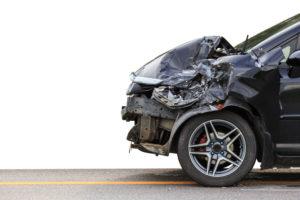
Image Source: www.morrisbart.com
Reaching Beyond the Policy Cap: Strategies for a Higher Settlement
Car accidents can lead to devastating injuries and significant financial burdens. While insurance policies provide a safety net, they don’t always cover the full extent of a victim’s damages. If the at-fault driver has minimal liability coverage, you might find yourself with a settlement offer that doesn’t even begin to cover your medical expenses, lost wages, and the profound pain and suffering you’ve endured. This is where understanding your options and leveraging specific legal strategies becomes crucial to obtaining a fair resolution that goes beyond the policy limits.
Assessing Your Damages: The Foundation of a Strong Claim
Before you can even think about exceeding policy limits, a thorough and accurate assessment of your damages is paramount. This isn’t just about tallying up medical bills; it involves a comprehensive evaluation of every way the accident has impacted your life.
Documenting Every Expense
Every dollar spent or lost due to the accident needs to be meticulously documented. This includes:
- Medical Expenses:
- Hospital stays and emergency room visits.
- Doctor’s appointments and specialist consultations.
- Surgeries and ongoing treatments.
- Prescription medications and medical equipment (e.g., crutches, braces, wheelchairs).
- Physical therapy and rehabilitation.
- Future medical care projections.
- Lost Wages:
- Income lost from the date of the accident until you can return to work.
- Loss of future earning capacity if your injuries prevent you from performing your previous job or require a demotion.
- Lost benefits, such as paid time off or retirement contributions.
- Property Damage:
- The cost of repairing or replacing your vehicle.
- Damage to any personal belongings inside the vehicle at the time of the accident.
- Rental car expenses while your vehicle is being repaired or replaced.
- Pain and Suffering: This is a more subjective category but is critical to your claim. It encompasses:
- Physical pain and discomfort.
- Emotional distress, anxiety, and depression.
- Loss of enjoyment of life (inability to participate in hobbies, social activities, or family life).
- Permanent disfigurement or disability.
The Role of Expert Witnesses
To substantiate your damages, especially for complex bodily injury claim elements like future medical care or lost earning capacity, expert witnesses are invaluable. These can include:
- Medical Experts: To explain the severity of your injuries, the necessity of future treatments, and the long-term prognosis.
- Vocational Experts: To assess your ability to return to work and estimate future lost earnings.
- Economists: To calculate the present value of future losses.
Identifying Potential Sources of Compensation Beyond Policy Limits
When the at-fault driver’s liability coverage is insufficient, the focus shifts to identifying other avenues for compensation. This is where a seasoned personal injury attorney truly earns their fee.
Pursuing the At-Fault Driver Personally
If the at-fault driver has personal assets, you may be able to file a lawsuit against them directly to recover damages beyond their insurance policy limits. This is known as pursuing a negligence claim against the individual.
Personal Assets to Consider
- Savings accounts
- Investments (stocks, bonds)
- Real estate (homes, land)
- Other valuable possessions
Challenges of Personal Asset Recovery
- Proving Ownership: You need to demonstrate that the at-fault driver possesses assets that can be legally seized.
- Legal Costs: Pursuing a personal asset claim can be expensive and time-consuming.
- Asset Protection: The at-fault driver may have already protected some of their assets through legal means.
Underinsured Motorist (UIM) Coverage
This is a crucial protection for policyholders. Underinsured motorist (UIM) coverage acts as a secondary layer of insurance for you if the at-fault driver doesn’t have enough insurance to cover your damages.
How UIM Works
- Accident Occurs: You are injured in an accident caused by another driver.
- At-Fault Driver’s Policy Limits: The at-fault driver has a certain amount of liability coverage.
- Damages Exceed Limits: Your total damages are higher than the at-fault driver’s policy limits.
- UIM Claim: You then file a claim under your own underinsured motorist policy.
- Coverage Application: Your UIM coverage pays the difference between your total damages and the at-fault driver’s policy limits, up to your UIM policy’s maximum.
Key Considerations for UIM Claims
- Policy Review: It’s essential to know the exact wording and coverage limits of your own auto insurance policy.
- “Step-Down” Provisions: Some policies have “step-down” provisions that reduce the UIM coverage amount by the amount paid by the at-fault driver’s insurer.
- State Laws: UIM laws vary significantly by state. Some states require UIM coverage, while others make it optional.
Uninsured Motorist (UM) Coverage
Similar to UIM, uninsured motorist (UM) coverage protects you when the at-fault driver has no insurance at all. This is particularly important given the number of uninsured drivers on the road.
How UM Works
- Accident with Uninsured Driver: You are injured by a driver who has no auto insurance.
- UM Claim: You file a claim under your own uninsured motorist policy.
- Coverage Application: Your UM coverage pays for your damages, up to your policy’s limits, as if the at-fault driver had insurance.
UM vs. UIM
While both coverages protect you, UM applies when the at-fault driver has no insurance, and UIM applies when the at-fault driver has insufficient insurance.
The Crucial Role of a Personal Injury Attorney
Navigating the complexities of car accident settlements, especially when aiming to exceed policy limits, is a challenging task for an individual. This is where the expertise of a personal injury attorney becomes indispensable.
Why You Need a Lawyer
- Expertise in Negotiation: Attorneys are skilled negotiators who understand insurance company tactics and know how to push for a fair settlement.
- Investigation and Evidence Gathering: They have the resources to conduct thorough investigations, gather crucial evidence, and identify all potential sources of recovery.
- Legal Strategy Development: They can develop a tailored legal strategy to maximize your compensation, whether it involves aggressive negotiation or litigation.
- Maximizing Bodily Injury Claims: Attorneys are adept at presenting and valuing bodily injury claim components like pain and suffering, which can be difficult for laypeople to articulate effectively.
- Handling Property Damage Claims: While often separate, property damage claim aspects can also be managed by your attorney to ensure you receive fair compensation for your vehicle and belongings.
- Navigating Complex Insurance Laws: Insurance policies and state laws are intricate. An attorney can decipher these complexities and ensure your rights are protected.
- Litigation if Necessary: If a fair settlement cannot be reached through negotiation, your attorney can file a lawsuit and represent you in court.
Choosing the Right Attorney
When selecting a personal injury attorney, consider:
- Experience: Look for an attorney with a proven track record in car accident cases, particularly those involving policy limit disputes.
- Specialization: Many attorneys focus specifically on personal injury law.
- Communication: Choose someone who communicates clearly and keeps you informed throughout the process.
- Contingency Fee Basis: Most personal injury lawyers work on a contingency fee basis, meaning they only get paid if you win your case, ensuring their interests are aligned with yours.
Building a Strong Case: Evidence and Documentation
The strength of your claim hinges on the quality of evidence you can present. A meticulous approach to documentation is crucial.
Gathering Essential Evidence
- Police Report: Obtain a copy of the official police report filed at the scene of the accident. This report often contains vital information about the accident, including the contributing factors and any citations issued.
- Witness Statements: If there were any witnesses, collect their contact information and any statements they are willing to provide.
- Photographs and Videos: Document the accident scene, vehicle damage, and your injuries thoroughly. This includes photos of skid marks, debris, traffic signals, and any visible injuries.
- Medical Records: Keep organized records of all medical treatments, including doctor’s notes, test results, and billing statements.
- Correspondence: Maintain copies of all communication with insurance companies, witnesses, and other parties involved.
- Accident Reconstruction: In complex cases, an accident reconstruction expert may be needed to determine the exact cause and sequence of events.
Quantifying Your Damages for Negotiation
Presenting a clear and compelling case for your damages is key to negotiation. This involves:
- Creating a Detailed Damage Summary: A document outlining all your economic and non-economic losses, supported by evidence.
- Using Expert Opinions: Medical experts can provide reports quantifying future medical needs and associated costs. Vocational experts can detail lost earning potential.
- Demonstrating Pain and Suffering: This often involves detailed descriptions of how the injuries have impacted your daily life, your emotional state, and your overall well-being. Journaling about your experience can be helpful.
Negotiation Tactics and Settlement Demands
Once you have a solid grasp of your damages and have identified all potential sources of compensation, the negotiation phase begins.
Making Your Demand
Your attorney will typically draft a demand letter to the at-fault driver’s insurance company. This letter will:
- Detail the accident and the at-fault driver’s negligence claim.
- Present a comprehensive summary of your damages, supported by evidence.
- State your settlement demand, which will often be higher than your absolute minimum to allow for negotiation.
Counteroffers and Back-and-Forth
Insurance adjusters often respond with a lowball offer. Your attorney will counter, explaining why the offer is inadequate and reiterating the strength of your case. This back-and-forth can continue for some time.
When to Consider Litigation
If negotiations stall or the insurance company refuses to offer a fair settlement, your attorney will advise on the possibility of filing a lawsuit. Litigation can be a powerful tool to force an insurance company to take your claim seriously.
Example Scenario: Exceeding Policy Limits
Let’s consider a scenario:
- Scenario: You are involved in a serious car accident caused by a negligent driver.
- Your Damages:
- Medical Bills: $75,000
- Lost Wages: $50,000
- Future Medical Care: $100,000
- Pain and Suffering: $150,000
- Total Damages: $375,000
- At-Fault Driver’s Policy:
- Liability Coverage: $50,000 per person.
- Your Policy:
- Underinsured Motorist (UIM) Coverage: $100,000 per person.
How the Settlement Might Work:
- At-Fault Driver’s Insurance: They will likely offer their policy limit of $50,000 to settle your claim.
- Your UIM Claim: Once you settle with the at-fault driver’s insurance (or if they refuse to settle), you can then file a claim with your own insurance company under your underinsured motorist coverage.
- UIM Payout: Your UIM coverage is $100,000. You can recover up to the difference between your total damages and the at-fault driver’s policy limits, up to your UIM limit.
- Your total damages: $375,000
- At-fault driver’s payout: $50,000
- Remaining damages: $325,000
- Your UIM coverage limit: $100,000
- You can recover $100,000 from your UIM coverage.
Total Settlement: $50,000 (from at-fault driver) + $100,000 (from your UIM) = $150,000.
This scenario illustrates how UIM coverage helps bridge the gap, but your total damages ($375,000) still exceed the total insurance payouts ($150,000). This is where pursuing the at-fault driver’s personal assets might be considered if they have them.
Frequently Asked Questions (FAQ)
Q1: What happens if the at-fault driver has no insurance?
A1: If the at-fault driver is uninsured, you would file a claim under your own uninsured motorist (UM) coverage.
Q2: Can I settle with the at-fault driver’s insurance without a lawyer?
A2: You can attempt to settle without a lawyer, but it is generally not recommended, especially when seeking compensation beyond policy limits. Insurance companies are experienced negotiators, and without legal representation, you are at a significant disadvantage.
Q3: How long does it take to settle a car accident claim?
A3: The timeline can vary greatly depending on the complexity of the case, the severity of injuries, the cooperation of the insurance companies, and whether litigation is necessary. Simple cases might settle in a few months, while complex ones involving extensive litigation can take years.
Q4: What is “pain and suffering” in a car accident claim?
A4: “Pain and suffering” refers to the non-economic damages you incur due to the accident and your injuries. This includes physical pain, emotional distress, mental anguish, and the loss of enjoyment of life.
Q5: How is pain and suffering calculated?
A5: There is no single formula for calculating pain and suffering. Attorneys often use methods like the “multiplier method” (multiplying economic damages by a factor) or a “per diem” method (assigning a daily rate). The final amount is often determined through negotiation and can be influenced by the severity of injuries, the impact on daily life, and the presentation of evidence.
Q6: When should I contact a personal injury attorney?
A6: It is advisable to contact a personal injury attorney as soon as possible after a car accident, especially if you have sustained injuries or if there is any question about fault or the extent of damages.
Q7: What if the at-fault driver refuses to cooperate with their insurance company?
A7: This can complicate matters, but your attorney can still pursue a claim. They may need to file a lawsuit to compel the insurance company to act or to pursue the driver’s personal assets if their policy is insufficient.
In conclusion, securing a car accident settlement that exceeds policy limits is an achievable goal, but it requires a deep understanding of your rights, a thorough assessment of your damages, and strategic action. By meticulously documenting your losses, exploring all available insurance coverages like underinsured motorist and uninsured motorist, and most importantly, enlisting the expertise of a qualified personal injury attorney, you significantly increase your chances of obtaining the fair compensation you deserve for your bodily injury claim, property damage claim, medical expenses, lost wages, and pain and suffering stemming from the at-fault driver’s negligence claim.