Image Source: www.greenprolocksmith.com
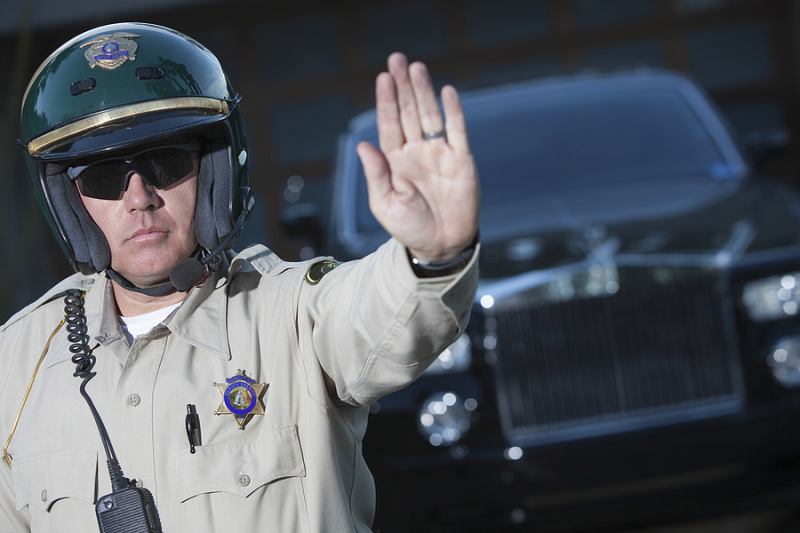
Can Police Help You Unlock Your Car Safely?
Yes, in certain situations, police can assist you with an unlocked car door, particularly if it is an emergency or if you are a stranded motorist. However, their primary role is public safety, and they may not always be equipped or available for routine car lockouts. For most common car door unlocked scenarios, professional roadside lockout assistance is a more reliable and efficient option.
When Police Might Offer Assistance
While police officers are primarily tasked with law enforcement and emergency response, there are specific circumstances where they might provide help with a vehicle lockout. This assistance usually stems from their commitment to public safety and ensuring no one is in immediate danger.
Emergency Situations
If a child, pet, or vulnerable adult is locked inside a running vehicle, or if there’s a medical emergency within the car, the police will undoubtedly prioritize your situation. In such critical instances, they possess the authority and often the tools to gain emergency vehicle access swiftly and safely. This might involve breaking a window as a last resort to ensure the well-being of those inside. Their primary concern is preventing harm or distress, making them a vital resource for immediate life-threatening scenarios.
When You’re Stranded in a Dangerous Location
Being stranded in a remote or unsafe area can put you at risk. If you find yourself in such a predicament after locking your keys in the car, calling the police non-emergency line might be an option. They can assess the situation and may be able to offer a stranded motorist help or at least provide a safe escort until a proper vehicle entry services provider arrives. Their presence can deter potential threats and offer a sense of security while you wait.
Specific Local Ordinances or Policies
Some municipalities might have specific policies or agreements with towing companies or locksmiths that allow police to facilitate a vehicle lockout solution in non-emergency situations. This is less common, as their resources are typically stretched thin. However, it’s not entirely unheard of, especially in smaller communities. It’s always best to check with your local police department about their specific protocols regarding vehicle lockouts.
Limitations of Police Assistance
It is crucial to understand that police officers are not professional locksmiths. Their training focuses on law enforcement, not on delicate lock manipulation. Therefore, their methods for unlocking a car can be more forceful than those used by a police locksmith or a specialized service.
Potential for Damage
When police attempt to unlock a vehicle, especially in urgent situations, they may resort to methods that can cause damage. This could include breaking a window, jimmying the lock with tools not designed for delicate entry, or even damaging door seals. While their intent is to help, these actions can lead to costly repairs. This is why professional roadside assistance for cars that specializes in lockouts is often preferred for non-emergency scenarios.
Resource Allocation
Police departments operate with limited resources. Their primary focus is on responding to crimes, accidents, and emergencies. A simple car lockout, unless it involves a dire situation, is generally considered a low priority. You might experience a significant waiting time, or they might direct you to contact a private service provider. Their availability for lockouts is often dependent on their current workload and other pressing calls.
Lack of Specialized Tools
Unlike a mobile auto locksmith, police officers typically do not carry specialized tools designed for non-destructive vehicle entry. A professional locksmith has a variety of slim jims, wedge tools, and other lockout kits that are specifically engineered to bypass car door locks without causing damage. Police tools are generally more robust and aimed at gaining entry quickly, often with less regard for the vehicle’s integrity.
When to Call Professional Services
For the vast majority of car lockout situations, professional services are the most practical and safest option. These providers are equipped, trained, and insured to handle a wide range of vehicle entry services.
Professional Locksmiths
A mobile auto locksmith is your best bet for a vehicle lockout solution. These professionals are trained in various techniques to unlock car doors without causing damage. They carry specialized equipment and have experience with a multitude of car makes and models.
Services Offered by Locksmiths
- Non-Destructive Entry: Locksmiths use specialized tools to manipulate the locking mechanism, often through the door frame or by accessing the lock cylinder directly.
- Car Key Replacement: If you’ve lost your keys entirely, a locksmith can often create a new key on-site, even if it’s a transponder key requiring programming.
- Ignition Repair and Replacement: Beyond just unlocking doors, many locksmiths can also fix or replace damaged ignitions.
- Trunk Unlocking: Similar to door lockouts, locksmiths can also help if your trunk is stuck or locked with the keys inside.
Roadside Assistance Programs
Many people subscribe to roadside assistance programs through their auto insurance, a membership club like AAA, or even their vehicle manufacturer. These programs are designed to help with common roadside issues, including lockouts.
Benefits of Roadside Assistance
- Prompt Service: These services often have a network of providers ready to dispatch quickly.
- Cost-Effectiveness: Membership fees can be more affordable than paying for individual service calls, especially if you require assistance multiple times a year.
- Comprehensive Coverage: Beyond lockouts, they can help with towing, jump-starts, tire changes, and fuel delivery.
How to Get Help When Locked Out
When you find yourself locked out of your car, here’s a step-by-step approach to getting the assistance you need:
Assess the Situation
- Is it an Emergency? If a child, pet, or vulnerable person is locked inside, or if there is an immediate medical threat, call 911 or your local emergency number immediately.
- Your Location: Are you in a safe place? If you are in a dangerous area, consider calling the police non-emergency number for safety assistance while you arrange for lockout services.
- Your Resources: Do you have a roadside assistance membership? Check your insurance policy or membership card.
Contacting the Right Services
- For Emergencies: Dial 911 or your local emergency number.
- For Non-Emergencies and Roadside Assistance:
- Call your roadside assistance provider (e.g., AAA, insurance company).
- Search for a reputable mobile auto locksmith in your area. Look for services that offer 24/7 availability and have positive reviews.
- If you have a newer vehicle, contact your car dealership. They may be able to dispatch a technician or guide you to a service provider.
What to Expect When a Professional Arrives
When a professional arrives to unlock your car, they will typically:
- Verify Your Identity and Ownership: They will ask for your driver’s license and proof of ownership (registration or insurance card) to ensure you are the rightful owner of the vehicle.
- Assess the Lock Mechanism: They will identify the make and model of your car to determine the best approach for unlocking it.
- Use Specialized Tools: They will employ their lockout kit, which might include air wedges, long-reach tools, or slim jims, to safely open the door.
- Perform the Unlock: They will carefully manipulate the lock or door mechanism to gain access.
- Advise on Next Steps: If there’s an issue beyond a simple lockout (e.g., a faulty lock or ignition), they can advise you on further repairs.
Comparing Police Assistance vs. Professional Locksmiths
To make an informed decision, it’s helpful to compare the services offered by police and professional providers.
| Feature | Police Assistance | Professional Locksmith / Roadside Assistance |
|---|---|---|
| Primary Role | Law enforcement, public safety, emergency response | Vehicle servicing, lockout resolution |
| Availability | Dependent on current workload and emergency priorities | Typically 24/7 |
| Tools | Standard police equipment, may lack specialized tools | Specialized lockout kits, programming tools |
| Damage Risk | Higher, especially in emergencies | Lower, trained for non-destructive entry |
| Cost | Generally free for emergencies, may vary for others | Service fee or covered by membership |
| Speed of Service | Can be slow due to priority calls | Usually prompt |
| Type of Assistance | May include breaking windows in emergencies | Focus on safe, non-damaging entry |
| Additional Services | Not typically offered | Car key replacement, ignition repair, towing |
When Police Might Be Your Only Option
While professional services are usually the best route, there are niche situations where the police might be the only viable option.
Extreme Weather Conditions
If you are stranded in a remote location during severe weather (blizzard, hurricane, extreme heat) and have a medical emergency or are at risk of hypothermia/heatstroke, police are the most equipped to reach you quickly and provide immediate safety.
Remote or Inaccessible Locations
In areas where private towing or locksmith services are scarce or may take an exceptionally long time to arrive, police may be the closest available help, even for non-emergency lockouts. Their duty to assist citizens in distress could extend to providing a temporary solution or escort.
Lack of Communication or Other Services
If your phone is dead, you have no signal, and there are no other communication methods available, you might have to wait for a police patrol to come across you. In such scenarios, they can help you contact a mobile auto locksmith or arrange for other necessary stranded motorist help.
Preventing Lockouts
The best approach to a car lockout is to prevent it from happening in the first place. Here are some proactive measures:
- Key Management: Always keep a spare key in a safe place, such as at home or with a trusted friend or family member.
- Keyless Entry Systems: Utilize keyless entry systems if your car is equipped with them. Be mindful of battery life.
- Regular Maintenance: Ensure your car’s locks and key fob are functioning correctly.
- Be Mindful of Your Surroundings: When exiting your vehicle, double-check that you have your keys. Avoid putting them down in precarious spots.
- Consider a Key Fob Case: Some key fob cases can prevent accidental button presses that might lock keys inside.
Frequently Asked Questions (FAQ)
Q1: Will the police break my car window if I lock my keys inside?
A1: Police will generally only break a car window if there is an immediate emergency, such as a child or pet locked inside with signs of distress, or a medical emergency. For routine lockouts, they are unlikely to do so and will usually advise you to call a professional.
Q2: Can police help me if I lost my car keys?
A2: Police are not equipped to create car key replacement. Their role is not to provide locksmith services. If you have lost your keys, you will need to contact a mobile auto locksmith or your car dealership.
Q3: Is it illegal to call the police for a car lockout?
A3: It is generally not illegal to call the police for a car lockout, but it is highly discouraged for non-emergency situations. They may arrive slowly or direct you to private services, as their resources are prioritized for more critical calls. Calling them for a non-emergency might be seen as misusing public resources.
Q4: How quickly can a locksmith unlock my car?
A4: The response time for a mobile auto locksmith can vary depending on your location, the time of day, and their current workload. Typically, you can expect them to arrive within 30 minutes to an hour in urban areas.
Q5: What information will I need to provide to a locksmith?
A5: You will typically need to provide your name, location, the make and model of your car, and proof of ownership. They will also need to confirm your identity for security reasons.
Q6: Can police help if my car battery is dead and I can’t unlock it?
A6: If a dead battery is preventing you from unlocking your car (e.g., electronic locks won’t work), police typically do not have the specialized tools to directly address this. They would likely advise you to contact a roadside assistance service that can provide a jump-start or towing. This falls under roadside assistance for cars.
Q7: What if I’m a stranded motorist in a dangerous area and locked out?
A7: If you are a stranded motorist in a dangerous area due to a lockout, your first call should be to the police non-emergency line to ensure your safety. Once you feel safe or have police assistance, you can then arrange for a vehicle entry services provider.
By understanding the roles and limitations of both police and professional locksmiths, you can make the best decision when faced with a car lockout situation, ensuring your safety and the integrity of your vehicle.