A typical car has between four and eight ball joints. These vital components connect your car’s control arms to its steering knuckles, allowing your wheels to pivot and absorb road shocks.
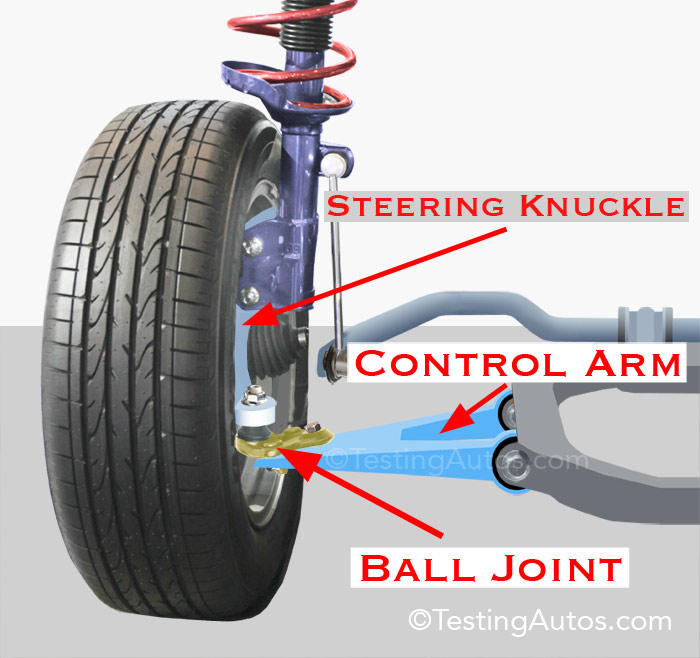
Image Source: www.testingautos.com
Deciphering the Ball Joint System in a Car
Your car’s suspension is a complex network of parts that work together to give you a smooth ride and allow you to steer. A key part of this system is the ball joint. Think of it like the ball and socket joint in your own body, allowing for a range of motion. In a car, these joints connect different parts of the suspension, letting the wheels move up and down and turn side to side. Knowing the car ball joint count is crucial for maintenance.
Why Ball Joints Matter
Ball joints are essential for several reasons:
- Steering: They allow the wheels to turn when you move the steering wheel.
- Suspension Movement: They let the wheels move up and down over bumps and uneven surfaces.
- Wheel Alignment: They help keep your wheels pointed in the right direction.
When ball joints wear out, they can cause serious problems, affecting your ability to steer and control your vehicle safely.
The Typical Ball Joint Quantity
The typical ball joint quantity can vary based on the car’s design, especially whether it has independent suspension on all four wheels or a more traditional setup. Most cars today utilize independent suspension, which generally means more ball joints.
Pinpointing Ball Joint Locations in a Car
To understand the number of ball joints per vehicle, it’s helpful to know where they are typically found. They are primarily located within the suspension system.
Front Suspension Ball Joints
The front suspension ball joints are the most numerous and actively engaged. They play a critical role in steering and absorbing road impacts.
- Upper Ball Joints: These are usually found at the top of the steering knuckle. They connect the upper control arm to the steering knuckle.
- Lower Ball Joints: These are typically located at the bottom of the steering knuckle. They connect the lower control arm to the steering knuckle.
Most front suspensions use both upper and lower ball joints for each front wheel. This setup allows for precise control over wheel movement and alignment.
Rear Suspension Ball Joints
The presence and location of rear suspension ball joints depend heavily on the type of rear suspension system the car has.
- Independent Rear Suspension (IRS): Cars with IRS often have ball joints similar to the front, allowing each wheel to move independently. This can mean two ball joints per rear wheel, similar to the front.
- Solid Axle Rear Suspension: Many older cars or trucks with a solid rear axle may not have ball joints in the same way. Instead, they might use pivot points or bushings in their suspension links. However, some modern multi-link rear suspensions might incorporate ball joints at specific pivot points.
This is why the car ball joint count can be lower on vehicles with simpler rear suspension designs.
Wheel Hub Ball Joints: Clarifying the Terminology
It’s important to clarify that the term “wheel hub ball joints” can sometimes be confusing. While ball joints are crucial for connecting the steering knuckle (where the wheel hub is mounted) to the control arms, the wheel hub itself doesn’t typically contain a ball joint within its structure. The ball joints are the articulating points that allow the entire knuckle assembly, including the hub and wheel, to pivot. So, while related, it’s more accurate to say ball joints are associated with the wheel hub assembly rather than being part of the hub itself.
How Many Ball Joints in Different Vehicle Types?
The exact number of ball joints in a car can vary significantly between different makes and models, and even within different trim levels of the same model.
Sedans and Hatchbacks
- Typical Configuration: Most sedans and hatchbacks with independent front suspension will have two ball joints per front wheel (one upper, one lower). If they have independent rear suspension, they might also have ball joints on the rear.
- Ball Joint Count:
- Front: 2 (left) + 2 (right) = 4
- Rear (if IRS with ball joints): 2 (left) + 2 (right) = 4
- Total: 4 to 8 ball joints.
SUVs and Crossovers
SUVs and crossovers often share similar suspension designs with sedans, especially those built on car platforms.
- Typical Configuration: Independent front suspension is standard. Rear suspension varies, with many having IRS.
- Ball Joint Count:
- Front: 2 (left) + 2 (right) = 4
- Rear (if IRS with ball joints): 2 (left) + 2 (right) = 4
- Total: 4 to 8 ball joints.
Trucks
Trucks can have a wider variety of suspension setups, influencing their ball joint count.
- Independent Front Suspension (IFS): Many modern trucks, especially lighter duty ones and some heavier ones, use IFS. These will have four ball joints in the front (two per side).
- Solid Front Axle: Older trucks or heavy-duty trucks might use a solid front axle. These often use kingpins and bushings instead of ball joints for steering. In such cases, the front ball joint count would be zero.
- Rear Suspension: Similar to other vehicles, rear ball joints depend on the rear suspension design.
- Ball Joint Count (with IFS):
- Front: 4
- Rear (if applicable): 0 to 4
- Total: 4 to 8 ball joints.
Sports Cars and Performance Vehicles
These vehicles often prioritize precise handling, which can sometimes mean more sophisticated suspension designs.
- Typical Configuration: Independent suspension on all four wheels is common, often with more robust or specialized ball joints.
- Ball Joint Count: Generally aligns with the 4-8 ball joint range, depending on the specific rear suspension.
Other Suspension Components: How Many Tie Rods in a Car?
While we’re discussing suspension and steering components, it’s worth mentioning tie rods. Tie rods are distinct from ball joints but are also critical for steering. They connect the steering rack to the steering knuckle.
- Number of Tie Rods: A typical car has two main tie rods, one for each front wheel. Each of these tie rods usually has an inner tie rod end and an outer tie rod end. The outer tie rod ends are the components that connect to the steering knuckle, often near the ball joints.
- Function: Tie rods transmit the steering force from the steering rack to the wheels, allowing them to turn.
So, to answer the question how many tie rods in a car, the common answer is two primary tie rods, each with two ends, totaling four significant connection points for steering.
Common Ball Joint Designs and Types
Ball joints aren’t all the same. They can differ in how they are mounted and how they function within the suspension.
Upper and Lower Ball Joints
As mentioned, these are the most common types found in double-wishbone suspension systems.
- Upper Ball Joint: Connects the upper control arm to the steering knuckle.
- Lower Ball Joint: Connects the lower control arm to the steering knuckle.
This arrangement provides stability and allows for controlled movement of the wheel.
Ball Stud vs. Ball Socket Design
- Ball Stud: The most common type features a stud with a ball-shaped end that fits into a socket within the control arm.
- Socket Type: The socket contains a bearing surface, often made of nylon or a similar material, that allows the ball to pivot smoothly.
Greasable vs. Non-Greasable Ball Joints
- Greasable Ball Joints: These have a grease fitting (zerk fitting) that allows for periodic lubrication. Regular greasing can extend their lifespan.
- Non-Greasable Ball Joints: These are sealed units and do not require or allow for lubrication. Once they wear out, they must be replaced.
Diagnosing Worn Ball Joints
Worn ball joints can lead to several noticeable symptoms that should not be ignored.
Signs of Worn Ball Joints
- Squeaking or Clunking Noises: Often heard when turning the steering wheel or going over bumps.
- Vibration: You might feel vibrations in the steering wheel or the floor.
- Loose Steering: The steering wheel might feel loose or wander.
- Uneven Tire Wear: The tire tread can wear out unevenly on the inside or outside edges.
- Pulling to One Side: The car may drift to the left or right, even on a straight road.
Why Early Detection is Key
If you suspect your ball joints are worn, it’s crucial to have them inspected and replaced promptly. Failing ball joints can lead to a loss of control of your vehicle, potentially causing an accident. They can also cause significant damage to other suspension components if left unaddressed.
Maintaining Your Ball Joints
Proper maintenance can help extend the life of your ball joints.
Regular Inspections
Have your suspension system, including the ball joints, inspected regularly during routine maintenance services. Mechanics can check for looseness, damage, or signs of wear.
Lubrication (for Greasable Types)
If your car has greasable ball joints, follow the manufacturer’s recommended schedule for lubrication. Use the correct type of grease.
Avoiding Harsh Driving Conditions
Driving over potholes, rough roads, or carrying excessive weight can put extra stress on your ball joints and accelerate wear.
Frequently Asked Questions About Ball Joints
Here are some common questions people have about ball joints.
What happens if a ball joint fails?
If a ball joint fails completely, it can cause the wheel to detach from the suspension, leading to a loss of steering and braking control, and potentially a severe accident.
Can I drive with a bad ball joint?
While you might be able to drive short distances cautiously, it is highly unsafe. A worn ball joint can worsen quickly, leading to a catastrophic failure. It’s best to get it replaced as soon as possible.
How long do ball joints last?
The lifespan of ball joints varies greatly depending on driving conditions, the quality of the part, and maintenance. They can last anywhere from 50,000 to 150,000 miles or more.
How much does it cost to replace ball joints?
The cost can range from $200 to $800 or more per ball joint, depending on the vehicle, the part cost, and labor rates in your area. Often, both ball joints on an axle are replaced at the same time.
Do all cars have ball joints?
No, not all cars have ball joints in the same places or in the same quantity. Some vehicles, particularly those with simpler suspension designs or solid axles, may use different types of pivot points or bushings. However, most modern cars with independent suspension utilize ball joints.
Conclusion: The Crucial Role of Ball Joints
The ball joint system in a car is a sophisticated assembly designed to provide safety and comfort. Knowing the car ball joint count for your specific vehicle helps in understanding its suspension. Whether your car has four or eight ball joints, these components are critical for steering, ride quality, and overall vehicle safety. Regular inspections and prompt replacement of worn ball joints are essential for maintaining your vehicle’s performance and preventing dangerous situations. Always consult your vehicle’s service manual or a qualified mechanic for specific information regarding your car’s suspension and ball joints.