So, why is your car making a noise when you turn the steering wheel? This noise usually points to a problem in your car’s steering or suspension system. Many parts work together when you turn, and if one part is worn out or broken, it can make a sound. Finding the exact sound and when it happens helps figure out what might be wrong. It could be something simple like low power steering fluid or a more serious issue with a part like a ball joint or CV joint.
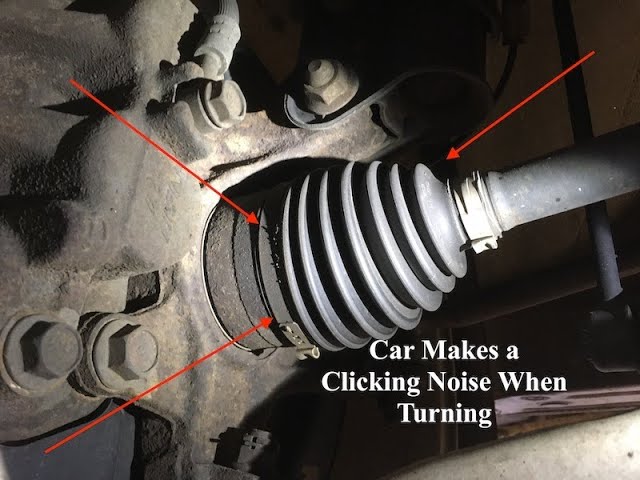
Image Source: i.ytimg.com
Interpreting the Different Sounds
Cars can make many different sounds. When you turn, the type of noise you hear gives a big clue about the problem. Is it a click, a pop, a groan, a whine, or something else? Let’s look at some common noises.
- Clicking or Popping: A clicking noise, especially when turning sharply at low speeds, is often a sign of a worn CV joint (Constant Velocity joint). A louder pop or series of pops might point to other suspension parts, like ball joints or strut mounts.
- Groaning or Moaning: A groaning noise when turning the steering wheel, especially when stopped or moving slowly, often means there is a problem with the power steering system. This could be low fluid, a bad pump, or air in the system. It can also come from worn suspension bushings.
- Whining or Squealing: A whining sound, also usually related to power steering, might mean the fluid is low or the pump is struggling. A squealing sound when turning could be a loose belt or a dry bushing needing grease.
- Rubbing or Scraping: This might mean something is rubbing against the tire or a part is loose and dragging. It could also be related to worn suspension parts allowing things to move improperly.
- Knocking: A knocking noise can come from various worn suspension parts like ball joints, tie rod ends, or control arm bushings.
Pinpointing when the noise happens is also key.
- Does it only happen when turning left?
- Does it only happen when turning right?
- Does it happen when turning both ways?
- Does it happen only when turning sharply?
- Does it happen only at low speeds?
- Does it happen only when going over bumps while turning?
These details help narrow down the list of possible causes.
Grasping the Role of the Steering System
Your car’s steering system lets you control the direction you go. When you turn the steering wheel, a series of parts work together to turn the front wheels. Problems in this system often show up as noise when you turn.
Power Steering System Issues
Most modern cars have power steering. This system uses hydraulic fluid and a pump (or an electric motor) to make turning the steering wheel easy. If something is wrong here, you often hear it.
- Symptoms: Common power steering noise when turning includes whining, groaning, or sometimes a hiss. The steering wheel might also feel stiff or shaky.
- Causes:
- Low Power Steering Fluid: This is a very common cause of groaning noise when turning. If the fluid level is low, the pump can suck in air. This makes the pump work harder and creates noise. Low fluid often means there’s a leak somewhere.
- Dirty or Old Fluid: Power steering fluid can get dirty over time. This can make the pump and other parts wear out faster and cause noise.
- Bad Power Steering Pump: The pump creates the pressure needed for the power assist. If the pump is failing, it might make a loud whining or groaning sound, especially when you turn the wheel. This noise might get louder when you turn the wheel all the way.
- Leaking Hoses or Seals: Leaks can cause low fluid levels. Air can also get into the system through a leak, causing noise.
- Bad Steering Rack (or Gearbox): This is the part that actually moves the wheels based on your steering input. Problems inside the rack, like worn seals or internal leaks, can cause noise and make steering difficult.
- Risks: Ignoring power steering problems can lead to a complete loss of power assist, making the car very hard to steer. A failing pump can also cause other issues or fail completely, leaving you stuck. Leaks can damage other parts of the car.
Steering Wheel Noise Turning
Sometimes, the noise seems to come right from the steering wheel or the steering column inside the car.
- Symptoms: You might hear rubbing, squeaking, or clicking sounds from directly behind the steering wheel.
- Causes:
- Plastic Covers Rubbing: The plastic covers around the steering column can sometimes rub as the wheel turns. This is usually a minor squeak or rub.
- Clock Spring: This is an electrical connector that allows the steering wheel to turn while keeping electrical connections for the airbag, horn, and steering wheel controls. A failing clock spring can make clicking or rubbing noises inside the column.
- Upper Bearing in Steering Column: The steering column has bearings that allow it to rotate smoothly. If an upper bearing near the wheel is worn, it can make noise.
- Risks: While often less critical than suspension or power steering issues, problems with the clock spring can affect important safety features like the airbag.
Comprehending the Front Suspension’s Job
The suspension system connects your wheels to the car’s body. It allows the wheels to move up and down over bumps while keeping the car stable. Many suspension parts move and pivot as you turn the steering wheel. Wear in these parts is a common cause of noise when turning.
CV Joints (Constant Velocity Joints)
CV joints are part of the drive axles on front-wheel-drive cars and many all-wheel-drive cars. They let the axle shaft spin at a constant speed while bending and flexing with the suspension and steering. They are covered by rubber boots filled with grease.
- Symptoms: The most classic sign of a bad CV joint is a car clicking noise when turning, especially noticeable when turning sharply at low speeds (like in a parking lot). As they get worse, the clicking might become louder and happen even when driving straight or turning less sharply. A CV joint noise when turning is a very common issue.
- Causes: The rubber boot protecting the CV joint can tear. This lets the special grease leak out and allows dirt and water to get in. Without grease and with contamination, the joint wears out very quickly and starts clicking.
- Risks: A severely worn CV joint can break completely. If a drive axle breaks while you are driving, you lose power to that wheel and can lose control of the car. This is a safety hazard.
Ball Joints
Ball joints are like the “shoulders” or “hips” of the suspension. They connect the control arms (parts of the suspension linking the wheel hub to the car frame) to the steering knuckle (which holds the wheel). They allow the suspension to move up and down and also allow the steering knuckle (and thus the wheel) to pivot for turning.
- Symptoms: Ball joint noise turning can include popping, clicking, or clunking sounds when turning the steering wheel, especially at low speeds or when going over bumps while turning. A very worn ball joint might also cause the car to wander or feel unstable.
- Causes: Ball joints wear out over time due to friction and stress. Like CV joints, their protective boots can tear, leading to grease loss and contamination, which speeds up wear.
- Risks: A completely failed ball joint is very dangerous. If a ball joint breaks, the suspension can collapse, and the wheel can come off or become uncontrollable. This is a major safety failure.
Tie Rod Ends
Tie rod ends are part of the steering linkage. They connect the steering rack to the steering knuckle. They allow the wheels to turn left and right when you turn the steering wheel. There’s an inner and an outer tie rod end on each side of the car.
- Symptoms: Tie rod end noise turning can include clicking, popping, or knocking sounds when turning, often felt through the steering wheel. You might also notice play (looseness) in the steering, uneven tire wear, or the car pulling to one side.
- Causes: Like ball joints, tie rod ends wear out over time from movement and stress. They also have boots that can tear, leading to premature wear.
- Risks: A failing tie rod end affects your ability to steer accurately. If one breaks, you lose steering control of that wheel, which is extremely dangerous, especially at higher speeds.
Strut Mounts & Struts
Many cars use struts as part of the front suspension. A strut combines a shock absorber and a spring into one unit. The top of the strut attaches to the car body via a strut mount. The strut mount has a bearing or bushing that allows the strut (and the attached wheel) to pivot when you steer.
- Symptoms: Strut mount noise turning often includes a popping, clicking, or binding noise when turning the steering wheel, especially when turning sharply or at low speeds. The noise might also happen when going over bumps. Sometimes, it feels like a spring is binding and then releasing.
- Causes: The bearing or bushing in the strut mount wears out, making it hard for the strut to pivot smoothly. The rubber parts of the mount can also wear out or crack. The strut itself (the shock absorber part) can also make noise if it’s worn out, though this is more often heard over bumps than specifically when turning.
- Risks: Worn strut mounts can affect steering smoothness and alignment. While less immediately dangerous than a failed ball joint or tie rod end, severe wear can put extra stress on other suspension parts and affect handling and tire wear.
Control Arm Bushings
Control arms are key links in the suspension system. They connect the steering knuckle or wheel hub to the car’s frame. They pivot where they attach to the frame, and this pivot point uses rubber or polyurethane bushings.
- Symptoms: Worn control arm bushings can cause a variety of suspension noise when turning, including creaking, squeaking, groaning, or knocking sounds, especially when turning and going over bumps. They can also cause steering looseness or wandering. A car groaning noise when turning can often be traced back to these bushings, particularly at low speeds or when braking/accelerating while turning.
- Causes: These bushings are constantly under stress as the suspension moves. Over time, the rubber hardens, cracks, and breaks down.
- Risks: Worn bushings allow excess movement in the suspension. This affects alignment, tire wear, ride comfort, and handling. Severe wear can put stress on the control arm itself or other suspension parts.
Sway Bar Links and Bushings
The sway bar (or anti-roll bar) helps reduce body roll when you turn corners. It connects opposite wheels (or suspension components) through short links (sway bar links) and attaches to the frame with bushings.
- Symptoms: Failing sway bar links or worn sway bar bushings can cause knocking or rattling noises when turning or going over uneven surfaces.
- Causes: The joints on the sway bar links can wear out, and the rubber bushings holding the sway bar to the frame can wear or dry out.
- Risks: Worn sway bar components reduce the car’s stability in turns and can affect handling. While not usually a sudden, catastrophic failure risk like ball joints, they should be fixed to restore proper handling and prevent accelerated wear on other parts.
Common Noises and Their Meanings
Here is a quick table summarizing common noises heard when turning and their likely sources:
| Type of Noise | When it Happens Most Often | Most Likely Cause(s) | Severity |
|---|---|---|---|
| Clicking / Popping | Sharp turns at low speeds, especially left/right differences | CV Joint (Constant Velocity Joint) | Moderate to High |
| Popping / Clunking | Turning over bumps, turning sharply, low speed turns | Ball Joint, Tie Rod End, Strut Mount | High |
| Groaning / Moaning | Turning at low speeds or when stopped | Power Steering Pump, Low/Dirty Power Steering Fluid, Bushings | Moderate to High |
| Whining | Turning, especially hard turns | Power Steering Pump, Low Power Steering Fluid | Moderate |
| Squealing / Creaking | Turning, especially over bumps | Bushings (Control Arm, Sway Bar), Dry Joints | Low to Moderate |
| Rubbing / Scraping | Turning, potentially felt through steering wheel | Strut Mount, Steering Column, Loose Part Rubbing | Low to Moderate |
| Knocking / Rattling | Turning over bumps | Tie Rod End, Ball Joint, Sway Bar Link/Bushings | Moderate to High |
Note: Severity indicates how quickly you should get it fixed. High severity means it’s a potential safety risk.
Fathoming Why These Parts Fail
Car parts don’t last forever. Several things make steering and suspension parts wear out and start making noise:
- Age and Mileage: Simply driving your car means parts are moving, rubbing, and flexing. Over time, the materials wear down. Higher mileage means more wear.
- Driving Conditions:
- Driving on rough roads, hitting potholes, or going over speed bumps roughly puts extra stress on suspension and steering parts.
- Driving in areas with a lot of salt (for snow) or harsh chemicals can cause rubber boots and metal parts to break down faster due to corrosion.
- Frequent sharp turns (like city driving or parking) can put more stress on parts like CV joints and power steering pumps.
- Lack of Maintenance: While many modern parts are “sealed for life,” regular inspections can spot problems early, like torn boots on CV joints or tie rods, before the joint itself is ruined. Checking power steering fluid levels is also part of basic maintenance.
- Poor Quality Parts: Sometimes, replacement parts are not as good as the original parts and wear out faster.
- Improper Installation: If a part is installed incorrectly, it can be stressed and fail prematurely.
The Risks of Ignoring the Noise
It might be tempting to ignore a new noise your car is making, especially if the car still seems to drive okay. However, noises when turning are often warnings. Ignoring them can lead to bigger, more expensive problems and, more importantly, can be dangerous.
- Increased Damage: A small problem, like a torn CV boot, is cheap to fix. If ignored, the CV joint will fail, which is a much more expensive repair (often replacing the entire axle). Similarly, worn bushings can cause other parts to wear out faster.
- Loss of Steering Control: As mentioned, parts like ball joints and tie rod ends are critical for steering. If they fail completely, you can lose control of the car. This is a serious safety risk.
- Reduced Handling and Stability: Worn suspension or steering parts mean your car won’t handle as well as it should. This can be risky in emergency situations or when driving at higher speeds.
- Uneven Tire Wear: Problems in the suspension or steering can cause tires to wear out unevenly and much faster than they should, costing you more money sooner for new tires.
- Failed Inspection: Worn steering and suspension components are common reasons for vehicles to fail safety inspections.
Getting the noise checked out by a qualified mechanic is the best course of action. They can properly diagnose the source of the sound and recommend the necessary repairs.
Getting Your Car Checked
If your car is making a noise when you turn, don’t wait too long. Here’s what getting it checked usually involves:
- Test Drive: The mechanic will likely drive the car with you or by themselves to hear the noise. They will try to make the noise happen, noting when it happens and what kind of noise it is.
- Visual Inspection: The car will be put on a lift. The mechanic will visually inspect the steering and suspension components, especially the front end. They will look for:
- Torn rubber boots (on CV joints, ball joints, tie rod ends).
- Leaks (power steering fluid).
- Worn or cracked rubber bushings.
- Loose parts.
- Signs of contact or rubbing.
- Power steering fluid level and condition.
- Physical Inspection: The mechanic will check for looseness or “play” in joints and bushings. This might involve using pry bars or special tools to check ball joints and tie rods for excessive movement. They will also check the steering rack and column.
Based on their findings, they will tell you what part is likely causing the noise and what needs to be fixed. It’s wise to get repairs done promptly to prevent further damage or a safety issue.
Table of Potential Causes
To bring it all together, here’s a summary of the parts that can cause noise when you turn and the sounds they often make.
| Part | Common Noise When Turning | More Details |
|---|---|---|
| CV Joint | Clicking | Loudest in sharp turns at low speed. Protect by a rubber boot. |
| Power Steering Pump | Groaning, Whining | Often louder at low speeds or full turn. Part of the power steering system. |
| Power Steering Fluid | Groaning, Whining | Low fluid or dirty fluid makes the pump work harder and cause noise. Check level. |
| Ball Joint | Popping, Clunking, Knocking | Connects control arm to steering knuckle. Critical safety part. |
| Tie Rod End | Clicking, Popping, Knocking | Connects steering rack to steering knuckle. Critical steering part. |
| Strut Mount | Popping, Clicking, Rubbing | Top mount for the strut. Has a bearing to allow turning. |
| Control Arm Bushings | Groaning, Creaking, Squeaking | Rubber pivots for control arms. Wear out from movement. Can cause car groaning noise when turning. |
| Sway Bar Links/Bushings | Knocking, Rattling | Part of the anti-roll system. Can cause noise over bumps while turning. |
| Steering Column | Rubbing, Clicking | Noise from inside the car, near the steering wheel itself. Often minor plastic rub or clock spring. |
This table is a good starting point, but a professional diagnosis is always needed to be sure.
Frequently Asked Questions (FAQ)
Q: Is it safe to drive my car if it’s making a noise when I turn?
A: It might not be safe. Noises when turning often mean a part that is important for steering or suspension is worn out. Some of these parts, like ball joints or tie rod ends, can break suddenly, causing you to lose control of the car. It’s best to have it checked by a mechanic as soon as possible.
Q: The noise only happens when I turn the wheel all the way. What could that be?
A: This is often related to the power steering system (low fluid or pump issue) or worn CV joints. Turning the wheel fully puts extra stress on these parts, making the noise more noticeable.
Q: Can low power steering fluid cause a noise?
A: Yes, absolutely. Low power steering fluid is a very common reason for a groaning or whining noise when turning. The pump starts to suck air, which causes the noise. Low fluid often means you have a leak that needs to be fixed.
Q: How much does it cost to fix these noises?
A: The cost varies a lot depending on what part is causing the noise and what kind of car you have.
* Adding power steering fluid or fixing a small leak is usually inexpensive.
* Replacing a CV axle or a ball joint is a moderate cost.
* Replacing a power steering pump or steering rack can be more expensive.
Getting a proper diagnosis first will tell you exactly what needs to be fixed and how much it will cost.
Q: Can I check the power steering fluid myself?
A: Yes, you usually can. Look in your car’s owner’s manual to find the power steering fluid reservoir. It’s usually a small plastic bottle under the hood with a cap that might say “Power Steering” or have a steering wheel symbol. The reservoir often has “MIN” and “MAX” lines. Check the level when the car is cold, as the manual suggests. Be sure to use the correct type of power steering fluid specified in your owner’s manual.
Q: The noise sounds like a clicking when I turn, is that definitely the CV joint?
A: A clicking noise, especially when turning sharply at low speeds, is a very strong sign of a worn CV joint. It’s the most common cause of that specific sound. However, other worn parts like a strut mount bearing can sometimes make a similar sound. A mechanic can confirm the cause.
Q: My steering wheel makes a noise when I turn, but the car steers fine. Is that a big deal?
A: If the noise is coming directly from the steering column area, it could be something relatively minor like plastic rubbing or a clock spring issue. However, the clock spring is part of the airbag system. It’s best to have even minor steering noises checked to be safe. If the noise is actually coming from under the hood or from the wheels and seems to be felt in the steering wheel, it’s more likely a suspension or power steering issue and should be checked quickly.
Q: If I replace one noisy part, will I need to replace others soon?
A: Not always, but sometimes. If one suspension part is worn out (like a ball joint), other parts on that same side, or even the opposite side, might be similarly worn due to age, mileage, and road conditions. A mechanic can inspect the other parts and let you know their condition. Sometimes, it makes sense to replace parts in pairs (like both left and right ball joints) or groups to save on labor costs later and ensure even wear.