Can you use a rental car for a driving test? Generally, standard car rental companies like Hertz or Enterprise do not allow their cars to be used for official driving tests. Their rental agreements often have rules against it due to insurance reasons and potential wear and tear. However, you can often get a car for your driving test by using a driving school service or a company that specializes in providing a vehicle specifically for the road test. These services understand the needs and rules for a driving test vehicle and usually provide a car that meets all the requirements, often with a licensed driver to take you to the test site.
Getting a car for your road test can feel tricky, especially if you don’t own a car or the one you planned to use doesn’t meet the state’s rules. The car you use must pass a quick check by the examiner before your test starts. If it fails, your test might not happen that day. This is why figuring out the right vehicle is a key part of getting ready for your driving test.
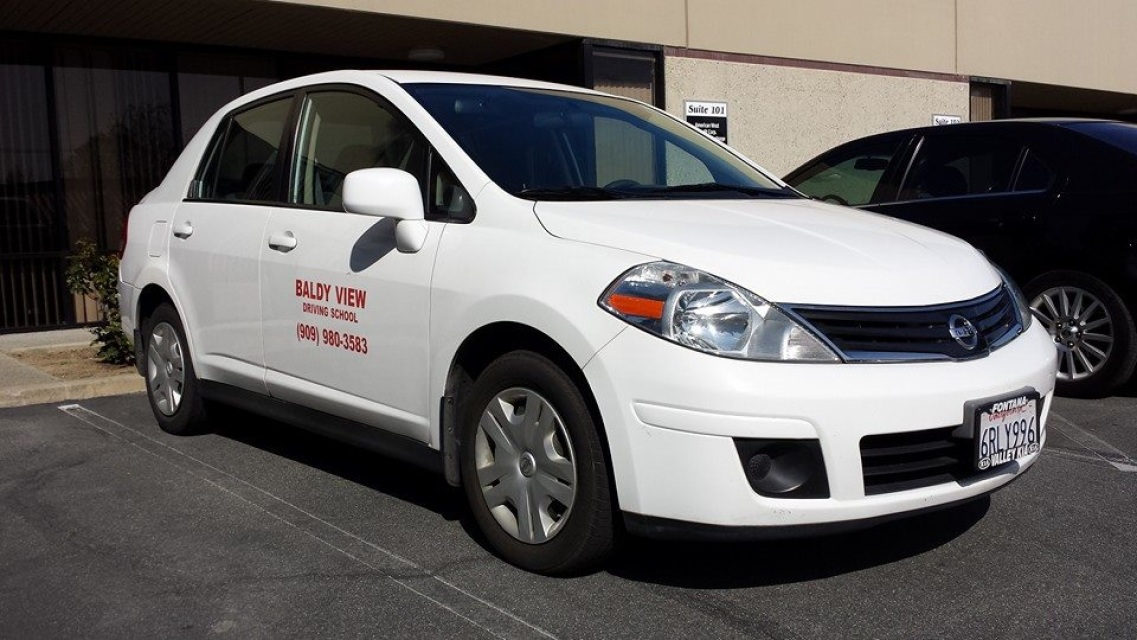
Image Source: www.baldyviewdrivingschool.com
Why Using Your Own Car Might Be Hard
Many people want to use a friend’s or family member’s car for their driving test. This can work, but there are things to check first.
Insurance Issues
The car needs to have valid insurance. The policy must cover the person taking the test, even if they only have a learner’s permit. Some insurance policies cover a learner driving with a licensed driver, but using the car for the official test might be different. You must be sure the car’s insurance is fully valid for this specific use on test day.
Car Condition and Rules
Your state’s Department of Motor Vehicles (DMV) or licensing agency has strict rules about the car you use for the test. We will talk more about these rules soon. But common requirements include:
- All lights must work (headlights, brake lights, turn signals).
- The horn must work.
- Brakes must work well (service brake and parking brake).
- Tires must be in good shape with enough tread.
- Windows must be clean and not broken.
- Windshield wipers must work.
- Seatbelts must work for everyone in the car.
- There must be an interior rearview mirror.
- The car needs valid registration papers.
- The car needs valid inspection stickers (if your state requires them).
If the car you want to use has any problem, even a small one like a broken taillight or a check engine light on, the examiner might not test you.
Who Comes With You?
Most states require a licensed driver, usually age 21 or older, to come with you to the test site. This person must have a valid driver’s license themselves. They are responsible for driving the car to and from the test site. They usually wait in the car or building while you take the test with the examiner.
Why Regular Rental Cars Don’t Work
Let’s look closer at why you usually cannot just pick up a rental car from a standard company for your driving test. This is a common question: Can I use a rental car for driving test?
What the Contract Says
When you rent a car, you sign a rental agreement. This is a contract. These contracts almost always have rules about how you can use the car. Standard rental agreements often say you cannot use the car for:
- Driving instruction.
- Any official test or inspection.
- Racing or speed contests.
- Pushing or towing things.
Using the car for a driving test goes against these rules.
Insurance and Responsibility
Rental companies have insurance on their cars. But this insurance is based on the idea that a fully licensed driver is using the car for normal travel. When a learner driver is taking a test, the risk changes.
If something happens during the test – maybe a small bump or scratch – the rental company doesn’t want the headache or cost. Their insurance might not cover a crash that happens during a test driven by a permit holder. By saying “no tests,” they protect themselves from this risk and the complicated insurance claims that could follow.
Who Can Drive
Rental contracts name the people allowed to drive the car. This is usually the person who rented it and maybe their spouse or an additional driver listed on the contract. These drivers must have a full, valid driver’s license. A person with only a learner’s permit is not allowed to rent the car or be the primary driver under the standard terms.
So, even if a friend or family member rents the car for you, you would likely not be listed as an authorized driver because you only have a permit. This breaks the rental contract rules.
The Best Way: Driving School Car Rental for Test
Since using your own car can be tricky, and using a standard rental car is usually not allowed, what’s the best way to get a car for your driving test? The most common and reliable method is using a driving school or a specialized service that provides a car for this exact purpose. This is often called driving test car rental or a road test car service.
How It Works
Driving schools that offer this service usually:
- Provide a car: They have cars that they use for lessons and tests. These cars are always checked to make sure they meet all state requirements. This takes care of the
Requirements for road test vehicleissue. - Provide a licensed driver: A certified driving instructor or another licensed employee from the school will bring the car to the test site. This person meets the requirement of having a licensed driver with you.
- Handle the details: They make sure the car has the correct registration, insurance, and inspection needed for the test. This handles many of the worries about
Driving test vehicle requirements. - Offer a warm-up: Many services include a short practice drive just before the test. This helps you feel more comfortable in the car and review key driving skills.
- Wait for you: The instructor or driver waits while you take your test with the DMV examiner.
Using a driving school for a Rental car for DMV test takes away a lot of stress. You don’t have to worry if the car is okay, if the papers are right, or who will drive you there.
Benefits of This Service
- Car is Guaranteed to Meet Rules: The school knows the rules and makes sure their cars pass the DMV check every time. This is a major benefit, ensuring the
Vehicle for driving testis accepted. - Proper Insurance: The driving school’s insurance covers the use of the car for the test.
- Experienced Driver Provided: You have the required licensed driver with you. They are used to the process.
- Familiar Car: If you took lessons with the school, you might be using a car you are already used to driving. Even if not, you get a few minutes before the test to get comfortable.
- Less Stress: You can focus on your driving test, not on car problems or paperwork issues.
- Convenience: They pick you up (sometimes) or meet you at the test site with the car ready to go.
This service is specifically designed for Getting a car for road test when other options are not possible or are too risky. It is a professional Road test car service.
Finding a Driving School or Service
How do you find one of these services for a Driving test car rental?
Search Online
Use search terms like:
- “Driving school road test car rental [Your City/State]”
- “Rent car for driving test [Your City/State]”
- “Road test car service [Your City/State]”
- “DMV test car rental [Your City/State]”
Look for driving schools in your area. Check their websites or call them to ask if they offer a car for the road test service. Some schools only offer this to their current students, but many offer it to anyone who needs a car for the test.
Ask the DMV
When you schedule your road test, or if you visit a DMV office, you can ask them if they have a list of local driving schools or services that provide cars for the test. They often know which schools offer this service.
Ask Friends or Family
If you know someone who recently took their driving test, ask them how they got a car. They might recommend a school or service they used.
What Your Car Needs for the Test: Detailed Requirements
Let’s look closer at the specific Driving test vehicle requirements. These rules are for any car used for the test, whether it’s yours, a friend’s, or a Rental car for DMV test from a driving school. Meeting these Requirements for road test vehicle is critical. If the car fails any check, your test will be cancelled.
Essential Working Parts
The examiner will do a quick check before you even start driving. They will look at and test:
- Brake Lights: Step on the brake pedal. Both red brake lights at the back must light up.
- Turn Signals: Turn on the left signal, then the right signal. Both front and back lights on each side must blink.
- Headlights: Turn on the headlights (low and high beams). They must work.
- Horn: Give a short press of the horn. It must make a clear sound.
- Tires: They will visually check if the tires look flat or very worn down. There must be enough tread.
- Windshield Wipers: Turn them on. They must work if it’s raining or snowing.
- Brakes: The foot brake must feel firm. The parking brake (hand brake or foot brake) must be able to hold the car still on a slight hill.
- Seatbelts: There must be working seatbelts for the driver and the examiner. The examiner will check theirs.
- Doors: The driver’s door and the front passenger door (where the examiner sits) must open and close properly from inside and outside.
- Windows: The front windows must be able to open, usually needed for hand signals (though less common now).
- Rearview Mirror: The car must have an interior rearview mirror that gives a clear view out the back window. Side mirrors are also required and must be in place and usable.
- Speedometer: The speedometer must be visible and appear to be working.
Required Documents Inside the Car
You must have these papers with you in the car:
- Valid Registration: The paper showing the car is registered with the state. It must not be expired.
- Valid Insurance: Proof that the car has the minimum required liability insurance. This is usually an insurance card. The insurance must be current.
- Valid Inspection Sticker: If your state requires safety or emissions inspections, the sticker must be visible on the windshield and not expired.
Inside the Car
The inside of the car should be clean and safe.
- There should be no major clutter that blocks the examiner’s space or view.
- The windshield and other windows must be clean and not have large cracks that block the view.
- The car should be free of strong, distracting odors (like heavy air fresheners or smoke).
- No warning lights should be on the dashboard that indicate a serious mechanical problem (like the check engine light, ABS light, or airbag light).
Meeting these detailed Vehicle for driving test rules is not optional. The examiner’s first job is to make sure the car is safe and legal for the test. Using a Driving school car rental for test greatly increases the chance that the car will pass this check.
Rules for Using Any Car for the Test
Besides the car’s condition, there are Rules for using a rental car for driving test, or any car, regarding the people involved and the papers you need to bring.
Your Learner’s Permit
You must have your valid learner’s permit with you. It cannot be expired. This is the main thing you need to prove you are allowed to drive with a licensed driver beside you.
The Licensed Driver
As mentioned, most states require a licensed driver to come with you.
- They must have a valid driver’s license (not expired, suspended, or revoked).
- The age requirement is usually 21 or older, but check your state’s specific rules.
- This person does not sit in the car during the test (the examiner sits in the passenger seat). Their role is to bring you to the test, present their license if asked, and take you home afterward.
- If you are using a
Driving school car rental, the instructor or driver from the school fulfills this role.
Car Documents
We listed these earlier, but it’s worth repeating: you must have the physical copies of the car’s valid registration, insurance card, and inspection proof (if applicable) in the car with you. The examiner will ask to see these papers.
What Happens if Rules Are Not Met?
If you show up for your test and the car or the documents don’t meet the rules, your test will be cancelled. You will not get your test fee back, and you will have to schedule a new test for another day. This is a major reason why Getting a car for road test that you are sure meets all rules, like a Rental car for DMV test from a specialist service, is so important.
The Process of Using a Road Test Car Service
Using a Road test car service or Driving school car rental is usually a simple process designed to make things easy for you on test day.
Step 1: Find and Book the Service
- Look up driving schools or services in your area that offer cars for the road test.
- Check their prices and availability.
- Contact them to book the service for the date and time of your scheduled road test. Book this after you have booked your test with the DMV.
- Be ready to give them the date, time, and location of your road test.
- Confirm what the service includes (car, driver, warm-up lesson, meeting point).
Step 2: Plan the Meeting
- Decide with the service provider where you will meet.
- Will they pick you up at home? Or will you meet them directly at the DMV test site parking lot?
- Know exactly what time you need to meet. Build in extra time for traffic or unexpected delays. Being late can cause your test to be cancelled.
Step 3: Prepare Yourself
- Make sure you have your valid learner’s permit.
- Wear comfortable clothes and shoes that are good for driving.
- Get a good night’s sleep before the test day.
- Stay calm and focused.
Step 4: Meet Your Provider
- Arrive at the meeting spot on time.
- The driving school instructor or driver will be there with the car.
- They will usually have the car’s documents ready.
Step 5: Warm-up Drive (Optional but Recommended)
- Most services include a short driving session right before the test.
- Use this time to get used to the car’s feel, brakes, and steering.
- Ask the instructor any last-minute questions.
- This warm-up helps calm nerves and prepare you for the actual test.
Step 6: Check In for Your Test
- The driving school driver will accompany you to check in for your test.
- They will present the car’s documents to the examiner when asked.
- You will present your learner’s permit.
- The examiner will do the quick check of the car’s working parts (lights, horn, etc.) while you and the licensed driver wait.
Step 7: Take Your Test
- If the car passes the check, the licensed driver will step out.
- The examiner will get in the front passenger seat.
- You will be in the driver’s seat.
- Listen carefully to the examiner’s instructions and perform the driving tasks asked of you.
- Focus on safe driving, following rules, and checking your surroundings.
Step 8: After the Test
- When the test is over, the examiner will tell you the result.
- If you passed, congratulations! The examiner will explain the next steps to get your license.
- If you did not pass, the examiner will explain why. You will know what to practice before your next test.
- The driving school driver will then drive the car (with you as a passenger) back from the DMV.
This process using a Driving test car rental service is designed to be smooth and removes the main hurdle of getting a car that qualifies for the test.
Cost of Renting a Car for Road Test
The cost of using a Road test car service or Driving school car rental for test can vary. It depends on:
- Your Location: Prices differ in big cities versus smaller towns.
- The Service Provider: Different schools or companies charge different rates.
- What’s Included: Does it include pick-up/drop-off? How long is the warm-up session?
Generally, you can expect to pay anywhere from $100 to $300 or more for this service. This fee usually covers:
- Use of a car that meets DMV standards.
- A licensed driver to bring the car to the test site.
- Insurance for the car during the test.
- Waiting time at the DMV.
- Often, a short warm-up drive before the test.
While this is an extra cost, many people find it worth it for the peace of mind and assurance that they will have a proper Vehicle for driving test and won’t risk having their test cancelled due to car issues. Think of it as paying for convenience, reliability, and reducing a major source of stress on test day. Compare prices from different local schools before booking.
Considering Other Options (With Caution)
While using a driving school’s car service is the most recommended path for Driving test car rental, let’s briefly look at other options again and why they might be risky.
Borrowing a Friend’s or Family Member’s Car
- Pros: Free or cheap. You might be familiar with the car.
- Cons:
- Must Meet ALL DMV Rules: If anything is wrong, test cancelled. You must do the full check yourself.
- Insurance Must Be Valid: Is the car insured for a learner taking an official test? This is a big question mark.
- Licensed Driver: You need to find a willing and qualified licensed driver (usually 21+) to come with you.
- Dependability: What if the car breaks down on the way? What if your friend/family member cancels last minute?
Using a borrowed car is only a good idea if you are 100% sure the car meets all Driving test vehicle requirements, the insurance is valid for the test, and your licensed driver is reliable.
Using a Standard Rental Car (Again, Usually No)
- Pros: Might seem convenient if you can rent one.
- Cons:
- Rental Agreement: Almost certainly against the rules of the contract. Breaking the contract can lead to big problems if something goes wrong.
- Insurance: The rental company’s insurance likely does not cover a learner permit holder taking a test. You would be fully responsible for any damage.
- Cannot Rent With a Permit: You need a full driver’s license to rent a car in the first place.
For these strong reasons, a standard Rental car for DMV test is almost never a workable option.
Getting Ready Beyond the Car
Having the right car for your road test is just one part of being ready. You also need to be confident in your driving skills.
Practice, Practice, Practice
Make sure you have had plenty of practice driving in different situations, including:
- Driving in traffic.
- Making turns.
- Changing lanes.
- Parking (parallel parking and other types if required).
- Driving on different types of roads.
- Following signs and signals correctly.
Practice the specific skills that might be tested in your state, like making a three-point turn or backing up in a straight line.
Know the Rules
Study your state’s driver’s manual. Be sure you understand all the traffic laws, signs, and road markings. The examiner will test your knowledge through your actions while driving.
Be Aware
During the test, constantly check your mirrors, look over your shoulder when changing lanes, and be aware of other cars, cyclists, and pedestrians. Show the examiner that you are a safe and aware driver.
Listen Carefully
Pay close attention to the examiner’s instructions. If you don’t understand something, it’s okay to politely ask them to repeat or explain it.
What to Do Before Test Day
A few days before your test, take these steps to ensure everything is ready, especially related to your Vehicle for driving test:
- Confirm Your Test Time and Location: Double-check your appointment details.
- Confirm Your Car Service: If using a
Driving test car rentalservice, call them to confirm your booking, meeting time, and location. - Check Your Permit: Make sure your learner’s permit is in your wallet and is not expired.
- If Using a Borrowed Car:
- Do a full check of the car: Lights, horn, brakes, tires, wipers, seatbelts.
- Make sure the registration, insurance, and inspection papers are in the car and are current.
- Clean the car inside and out.
- Confirm with your licensed driver that they are still available and know where and when to meet.
- Get Directions: Plan your route to the DMV test site. If meeting a service there, know how to get to the meeting point.
Being well-prepared in advance helps reduce stress on the actual test day.
State Differences
Keep in mind that specific Requirements for road test vehicle and Rules for using a rental car for driving test can vary slightly from state to state. Always check the official website of your state’s DMV or licensing agency. They will have the most accurate and up-to-date information on what is needed for your test, including the car rules. Don’t rely just on what friends tell you, as rules change or they might be mistaken.
Using a reputable Driving school car rental for test service usually means they already know all the specific rules for testing in your area, which is another reason they are a good option.
Frequently Asked Questions (FAQ)
Q: Can I use a car with an automatic transmission for the test if my permit requires a manual car?
A: No. The car you use must match the type of license you are testing for. If your permit is only for manual transmission vehicles, you must test in a manual car. If your permit allows testing in an automatic, you can use an automatic car. Most people test in an automatic because it’s easier, and most modern cars are automatic. A license obtained with an automatic car often has a restriction, meaning you can only drive automatic cars.
Q: Does the car need two brake pedals?
A: No, usually not. Driving school cars often have a brake on the passenger side for the instructor, but this is for safety during lessons and is not a requirement for the test car itself in most states. The car just needs one working set of brakes accessible to the driver.
Q: What happens if the examiner finds something wrong with the car?
A: The test will be cancelled on the spot. You will have to fix the issue or get a different car and reschedule your test. You usually will not get your testing fee back.
Q: Can I get a car for the test the same day I call?
A: It’s very unlikely. Driving schools and services book their cars and instructors in advance. You should book the car service as soon as you have your road test appointment, ideally several weeks ahead, especially in busy areas.
Q: What if I fail the test? Can I use the same service again?
A: Yes, if you fail, you will need to schedule a new test. You can then contact the driving school or service again to book a car for your next test date. You will have to pay the service fee again.
Q: Does using a driving school car give me an advantage on the test?
A: Not directly in terms of grading. The examiner grades your driving skills, not where the car came from. However, using a car that you know meets all the rules removes a major source of worry, allowing you to focus better on your driving. Also, if the service includes a warm-up, it can help you feel more ready.
Q: Do I need to provide gas for the car if I use a rental service?
A: Usually no, the cost covers the car use including gas for the test time. Confirm this detail when you book the service.
Conclusion
Getting a car for your road test is a key step in the process. While using your own or a friend’s car is possible, it comes with risks related to the car meeting strict DMV rules and having proper insurance. Using a standard rental car is almost always impossible due to company policies.
The most reliable and stress-free way to get a car for your driving test is to use a specialized Driving test car rental service, usually offered by local driving schools. These services provide a Vehicle for driving test that is guaranteed to meet all Driving test vehicle requirements, comes with a required licensed driver, and has the correct insurance. This ensures you won’t face a last-minute cancellation because of car issues, letting you focus on showing your driving skills and earning your license. Plan ahead, book your car service early, and arrive prepared for your test day!